Obstetrics and Gynecology Hospital, Fudan University, Shanghai, China.
State Key Laboratory of Genetic Engineering, MOE Key Laboratory of Contemporary Anthropology, and Collaborative Innovation Center for Genetics & Development, School of Life Sciences, Fudan University, Shanghai, China.
Clin Transl Med. 2021 May;11(5):e399. doi: 10.1002/ctm2.399.
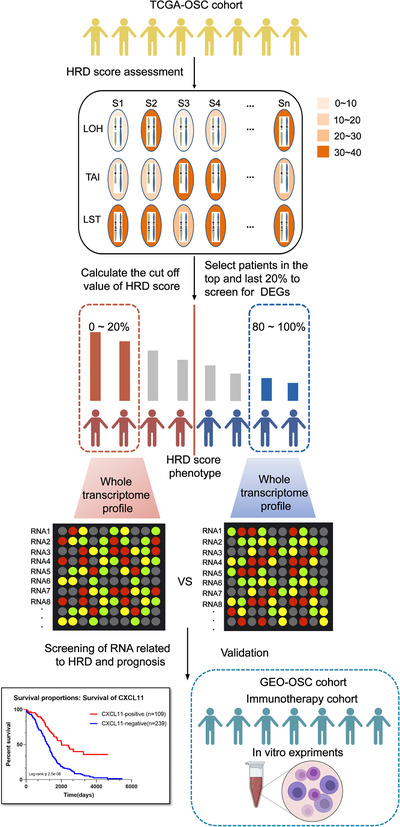
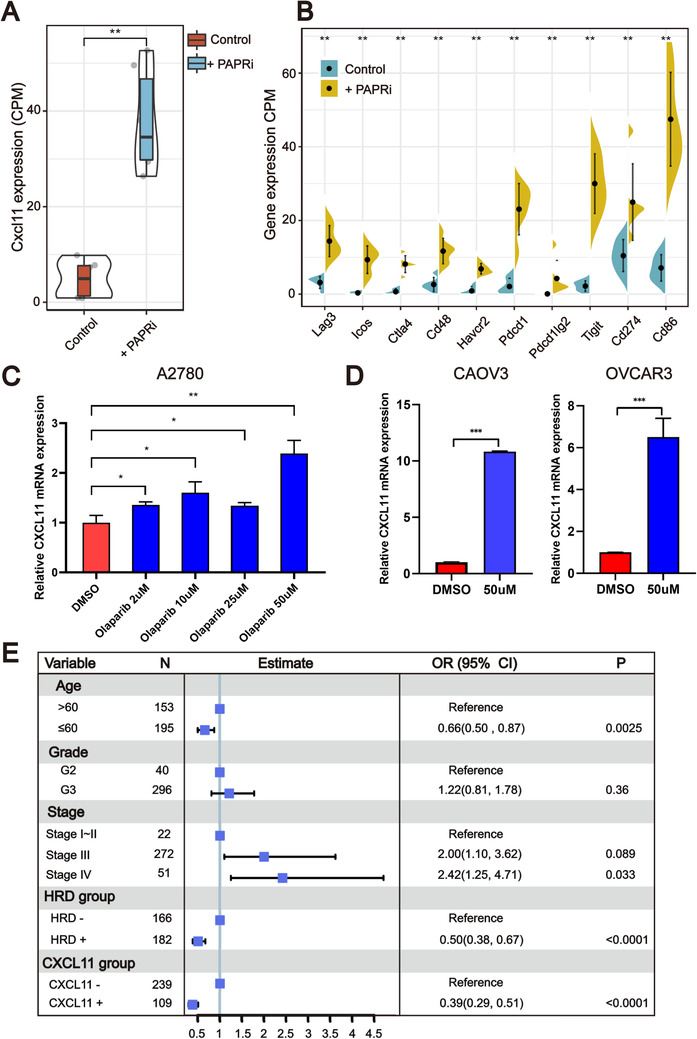
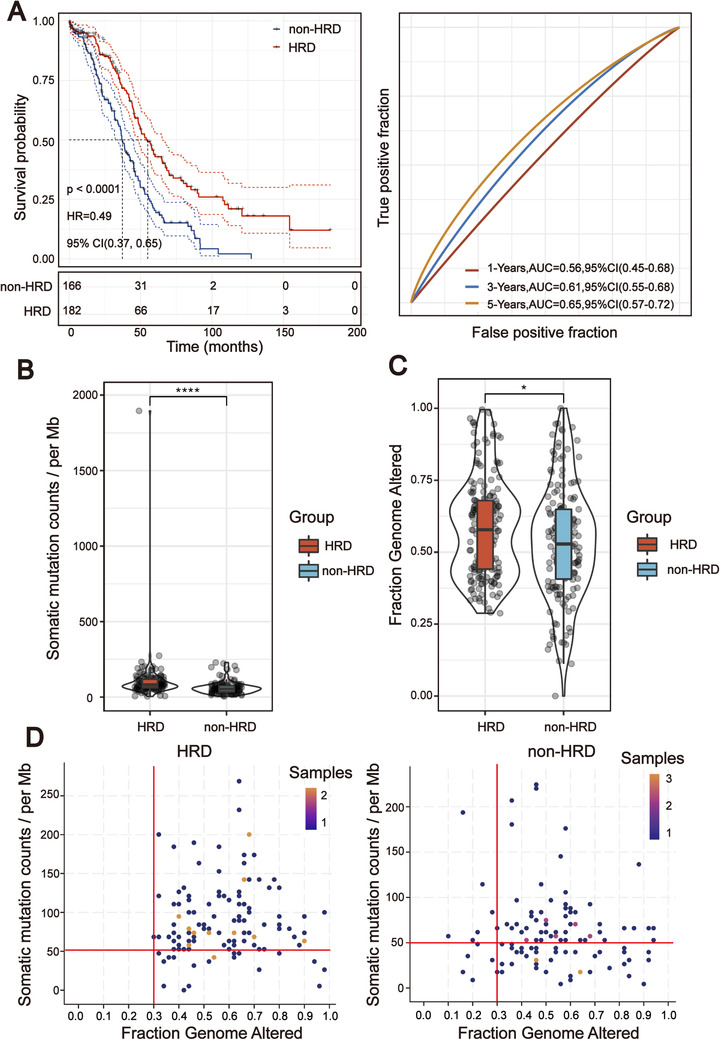
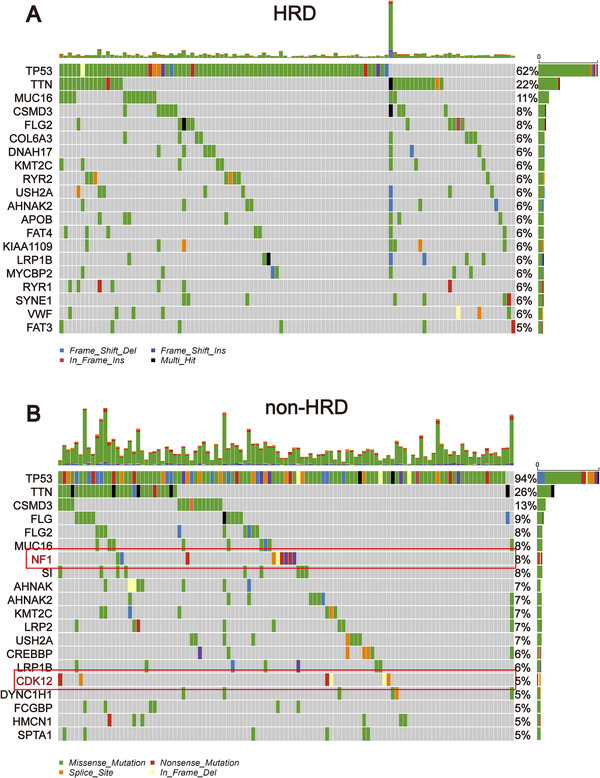
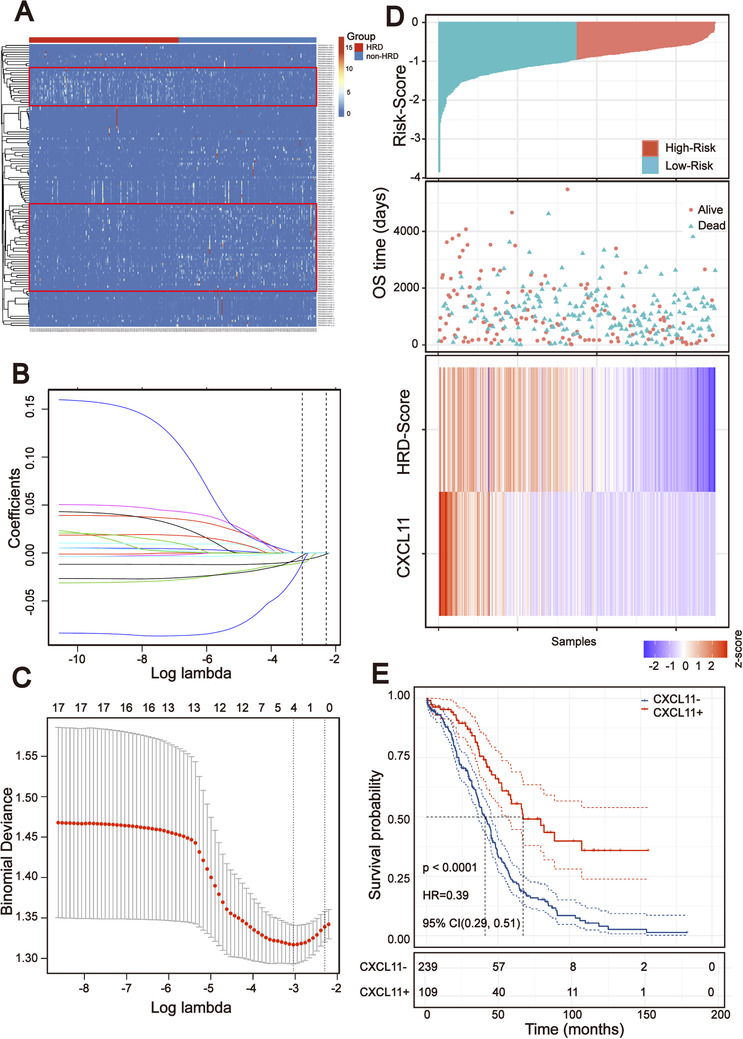
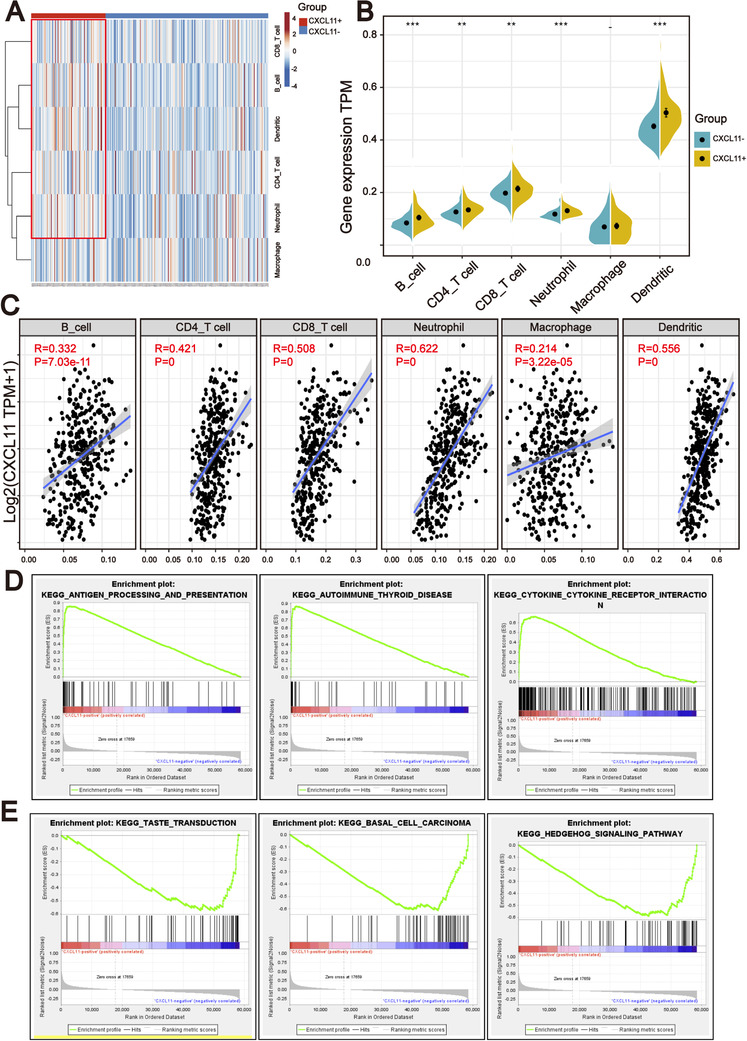
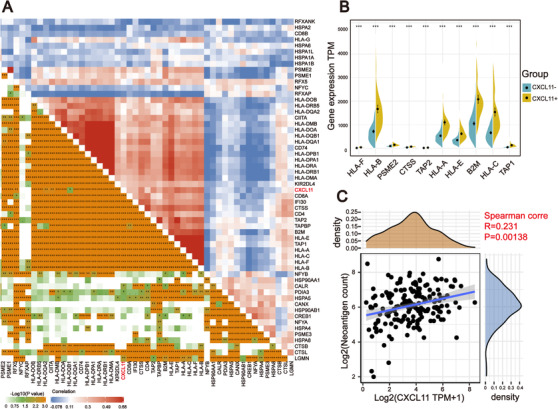
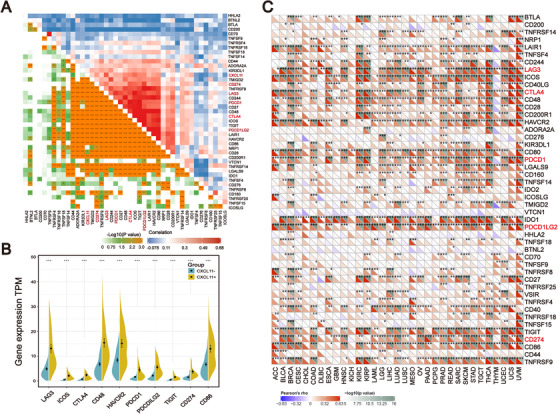
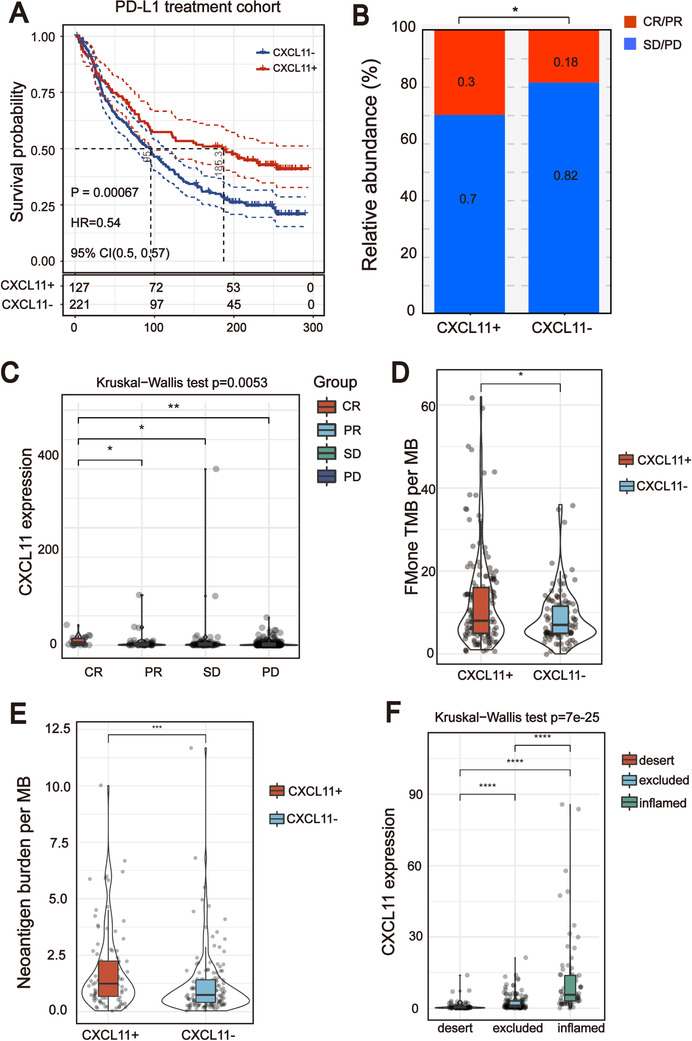
Ovarian cancer patients with homologous recombination deficiency (HRD) tumors would benefit from PARP inhibitor (PARPi) therapy. However, patients with HRD tumors account for less than 50% of the whole cohort, so new biomarkers still need to be developed. Based on the data from the SNP array and somatic mutation profiles in the ovarian cancer genome, we found that high frequency of actionable mutations existed in patients with non-HRD tumors. Through transcriptome analysis, we identified that a downstream target of the cGAS-STING pathway, CXCL11, was upregulated in HRD tumors and could be used as a predictor of survival outcome. Further comprehensive analysis of the tumor immune microenvironment (TIME) revealed that CXCL11 expression signature was closely correlated with cytotoxic cells, neoantigen load and immune checkpoint blockade (ICB). Clinical trial data confirmed that the expression of CXCL11 could be used as a biomarker for anti-PD-1/PD-L1 therapy. Finally, in vivo and in vitro experiments showed that cancer cells with PARPi treatment increased the expression of CXCL11. Collectively, our study not only provides biomarkers of ovarian cancer complementary to the HRD score but also introduces a potential new perspective for identifying prognostic biomarkers of immunotherapy.
同源重组缺陷 (HRD) 肿瘤的卵巢癌患者将受益于 PARP 抑制剂 (PARPi) 治疗。然而,HRD 肿瘤患者占整个队列的比例不到 50%,因此仍需要开发新的生物标志物。基于卵巢癌基因组中的 SNP 阵列和体细胞突变谱数据,我们发现非 HRD 肿瘤患者存在高频可操作突变。通过转录组分析,我们确定了 cGAS-STING 通路的下游靶标 CXCL11 在 HRD 肿瘤中上调,并可用作生存结果的预测因子。对肿瘤免疫微环境 (TIME) 的综合分析进一步表明,CXCL11 表达谱与细胞毒性细胞、新抗原负荷和免疫检查点阻断 (ICB) 密切相关。临床试验数据证实,CXCL11 的表达可用作抗 PD-1/PD-L1 治疗的生物标志物。最后,体内和体外实验表明,接受 PARPi 治疗的癌细胞增加了 CXCL11 的表达。总之,我们的研究不仅提供了与 HRD 评分互补的卵巢癌生物标志物,而且为识别免疫治疗的预后生物标志物提供了一个潜在的新视角。