Department of Molecular, Cellular, and Developmental Biology, University of Michigan, Ann Arbor, MI.
J Cell Biol. 2021 Aug 2;220(8). doi: 10.1083/jcb.202012104. Epub 2021 May 28.
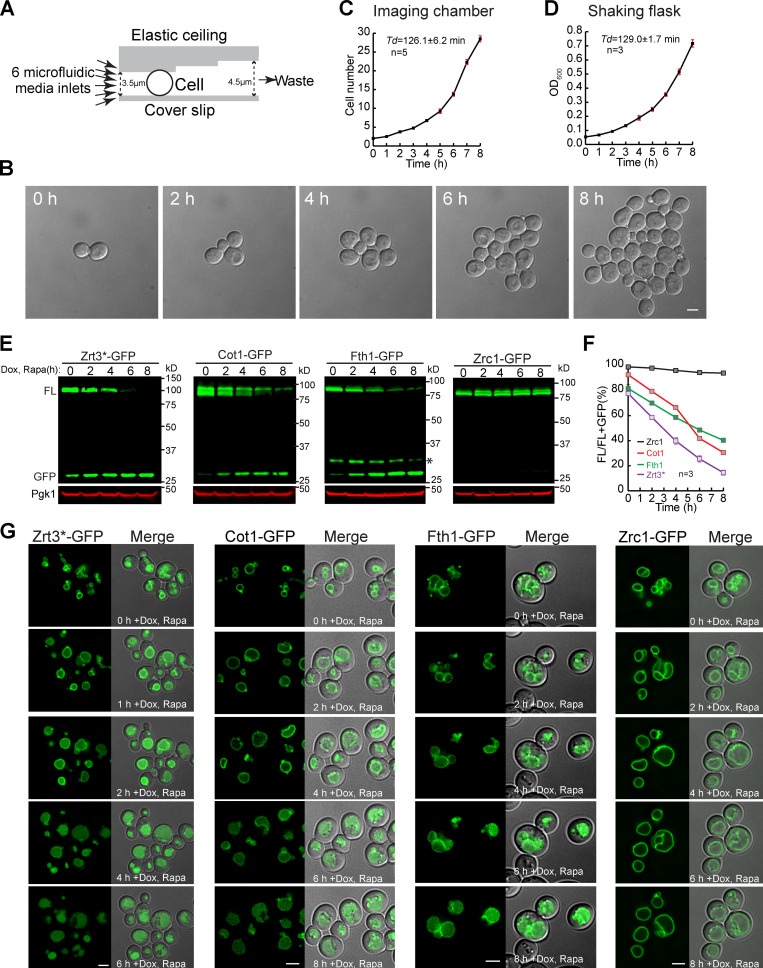
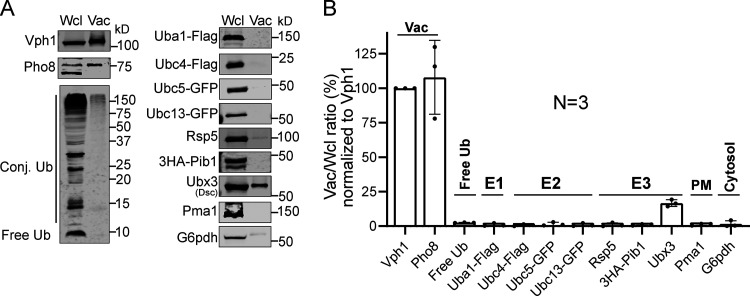
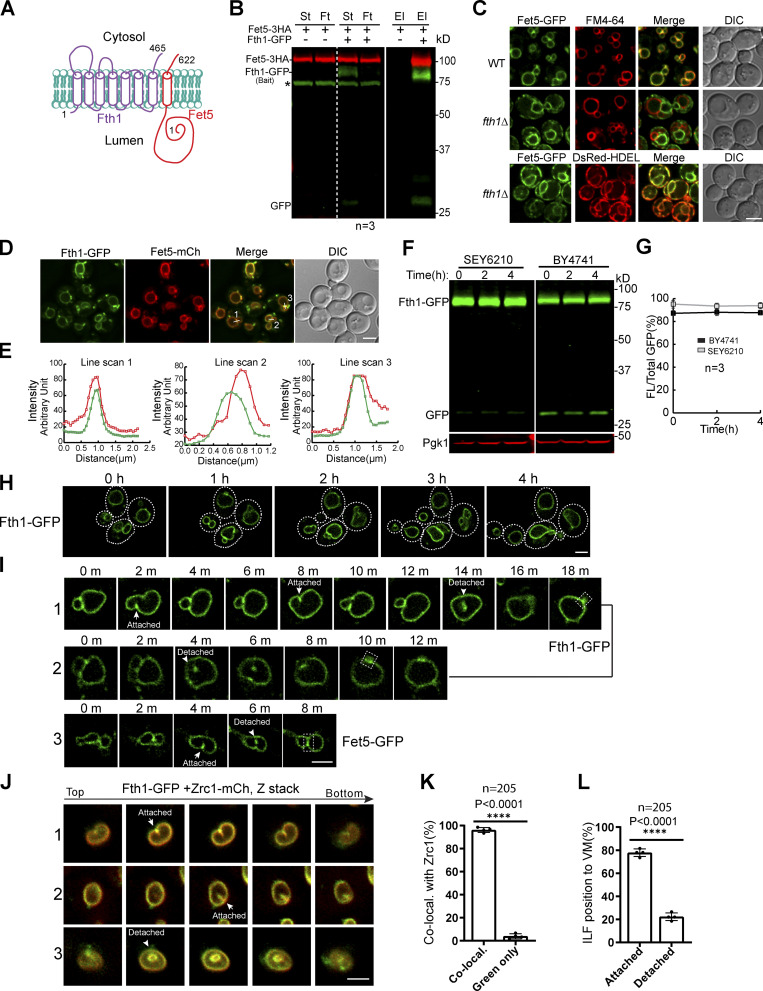
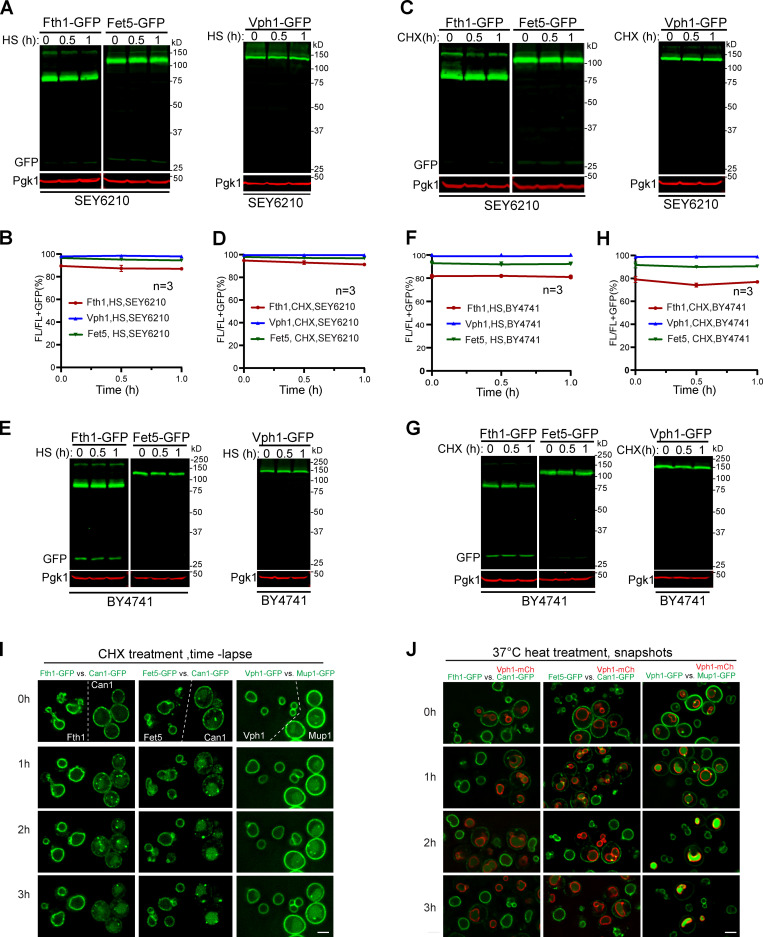
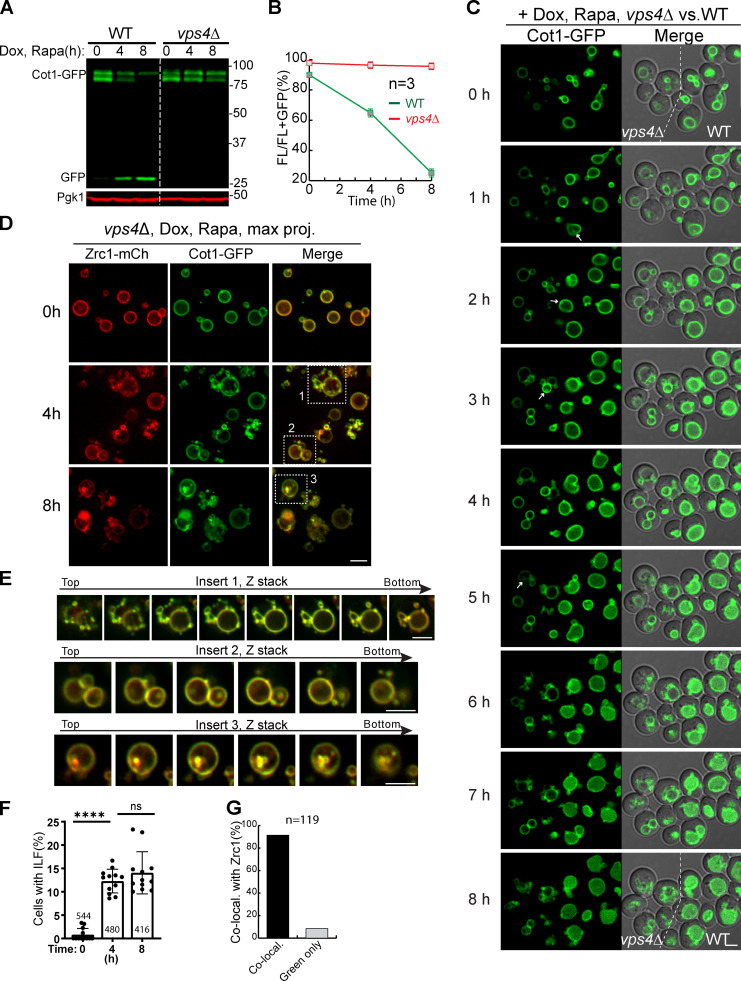
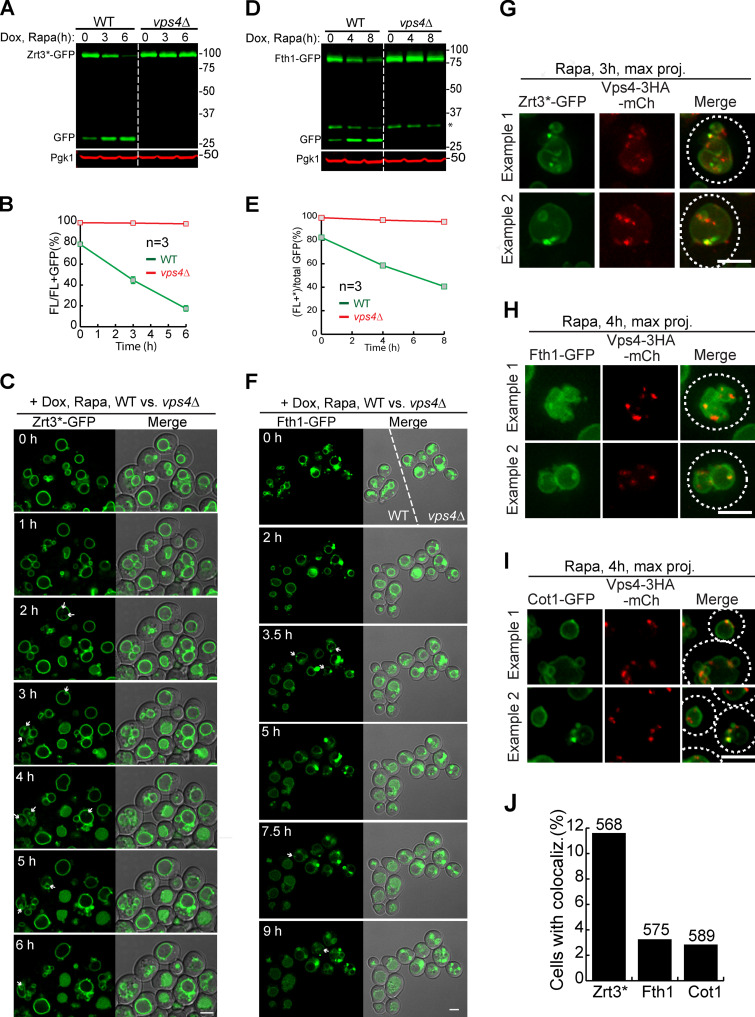
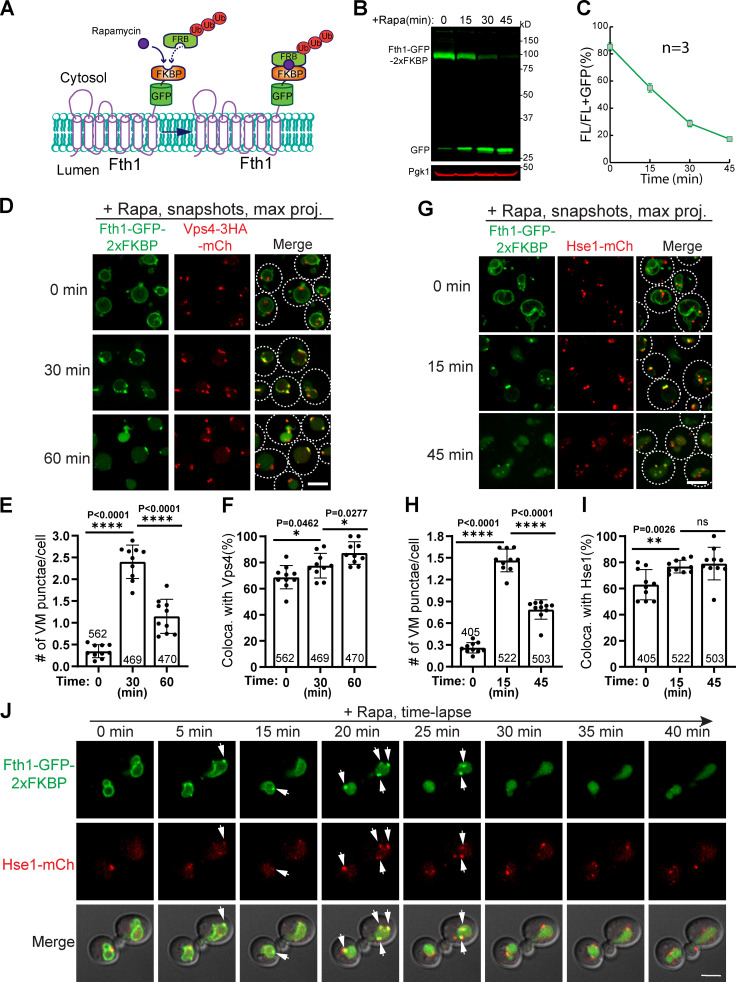
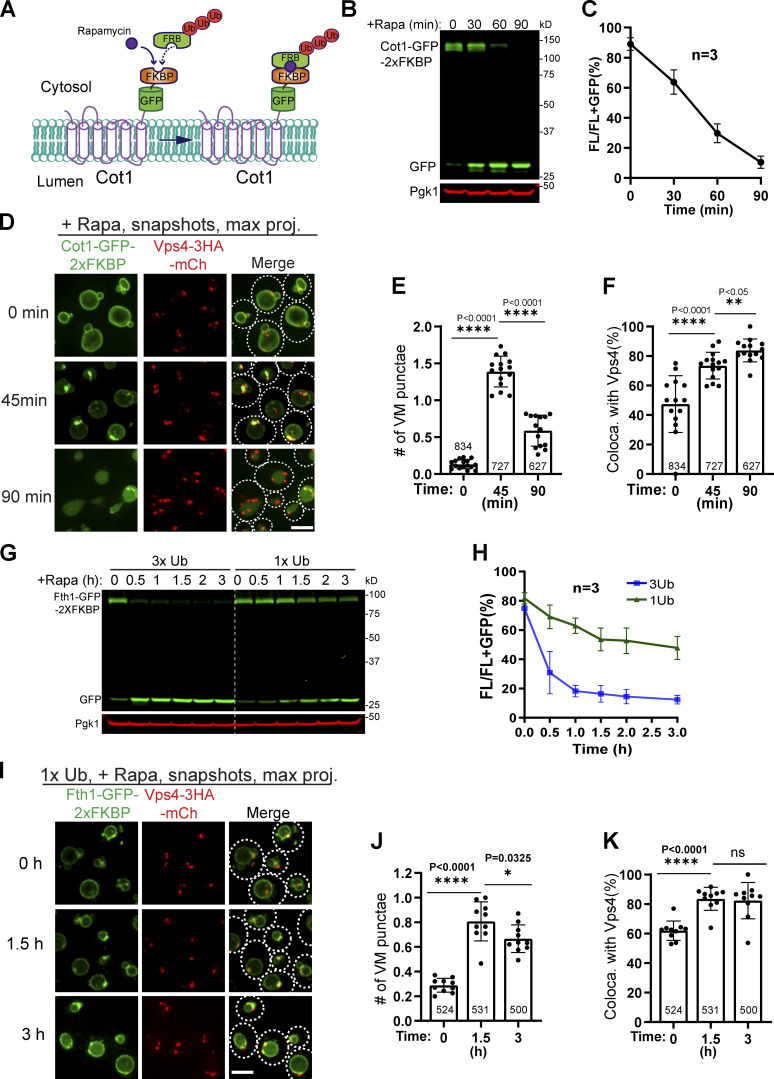
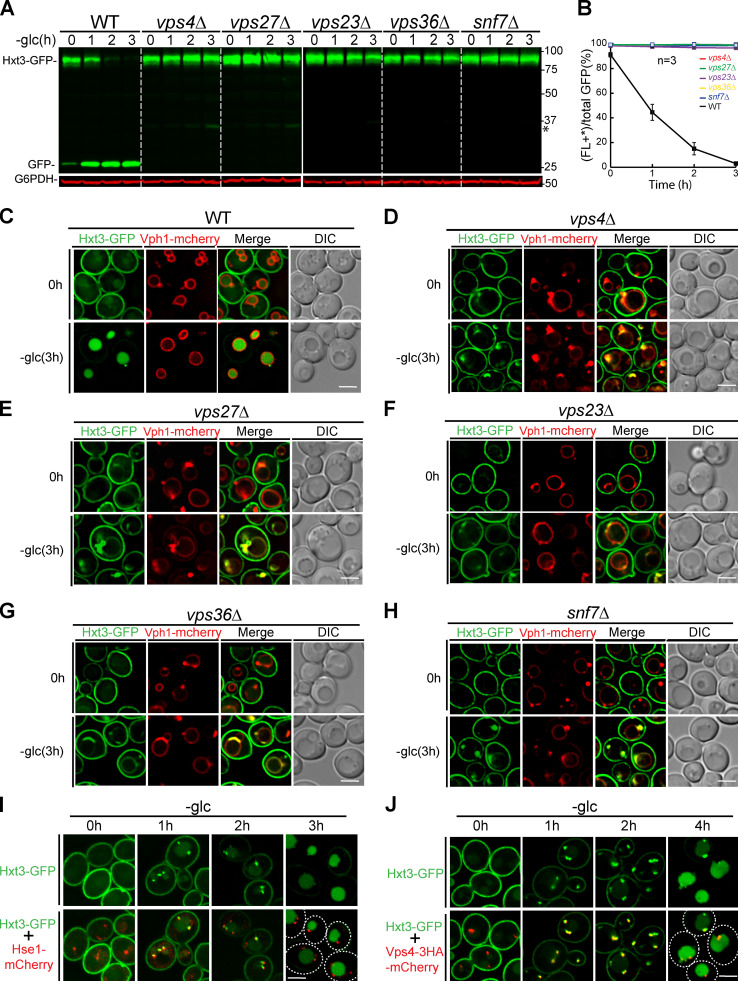
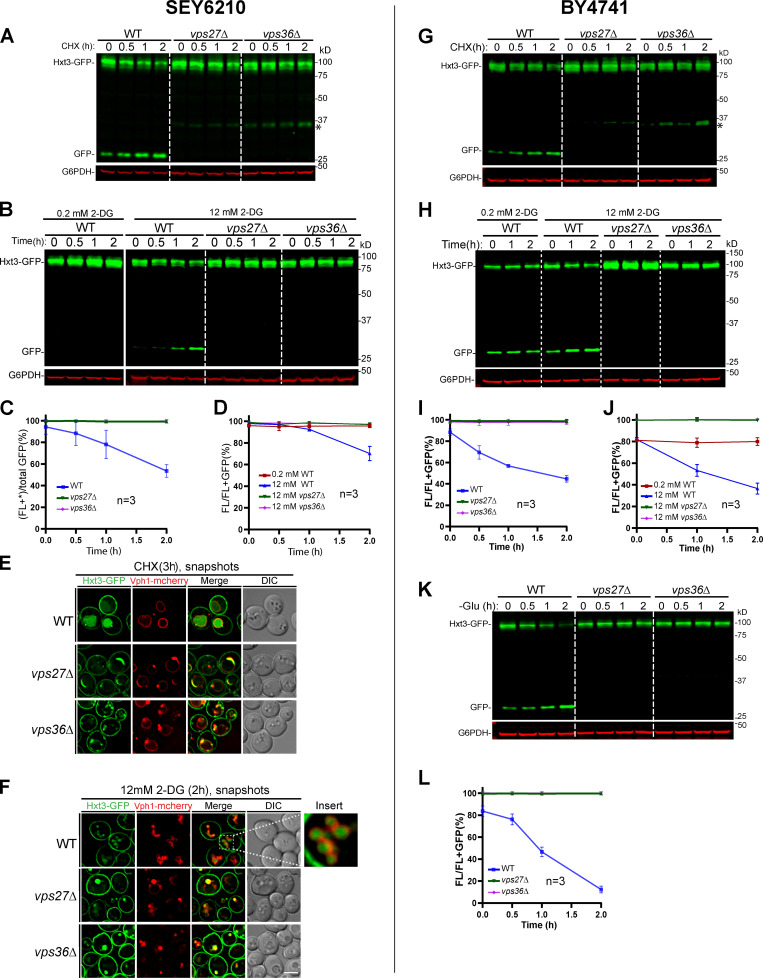
The lysosome (or vacuole in fungi and plants) is an essential organelle for nutrient sensing and cellular homeostasis. In response to environmental stresses such as starvation, the yeast vacuole can adjust its membrane composition by selectively internalizing membrane proteins into the lumen for degradation. Regarding the selective internalization mechanism, two competing models have been proposed. One model suggests that the ESCRT machinery is responsible for the sorting. In contrast, the ESCRT-independent intralumenal fragment (ILF) pathway proposes that the fragment generated by homotypic vacuole fusion is responsible for the sorting. Here, we applied a microfluidics-based imaging method to capture the complete degradation process in vivo. Combining live-cell imaging with a synchronized ubiquitination system, we demonstrated that ILF cargoes are not degraded through intralumenal fragments. Instead, ESCRTs function on the vacuole membrane to sort them into the lumen for degradation. We further discussed challenges in reconstituting vacuole membrane protein degradation.
溶酶体(或真菌和植物中的液泡)是营养感应和细胞动态平衡的必需细胞器。酵母液泡可以通过选择性地将膜蛋白内化到腔室中进行降解来响应饥饿等环境压力来调节其膜组成。关于选择性内化机制,已经提出了两种竞争模型。一种模型表明 ESCRT 机制负责分选。相比之下,ESCRT 独立的腔内片段 (ILF) 途径提出由同源液泡融合产生的片段负责分选。在这里,我们应用了一种基于微流控的成像方法来捕获体内完整的降解过程。通过将活细胞成像与同步泛素化系统相结合,我们证明了 ILF 货物不是通过腔内片段降解的。相反,ESCRTs 在液泡膜上发挥作用,将它们分选到腔室中进行降解。我们进一步讨论了重建液泡膜蛋白降解的挑战。