University of Victoria-Genome BC Proteomics Centre, Victoria, BC, Canada.
Center for Proteomics and Metabolomics, Leiden University Medical Center, Leiden, Netherlands.
NPJ Syst Biol Appl. 2021 May 28;7(1):25. doi: 10.1038/s41540-021-00184-8.
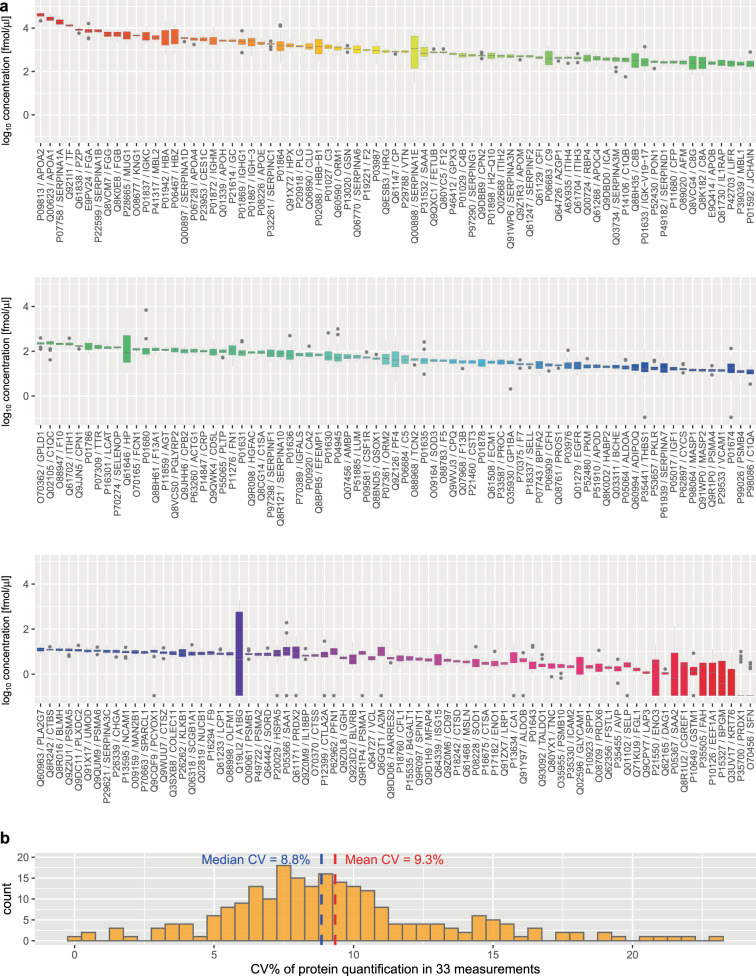
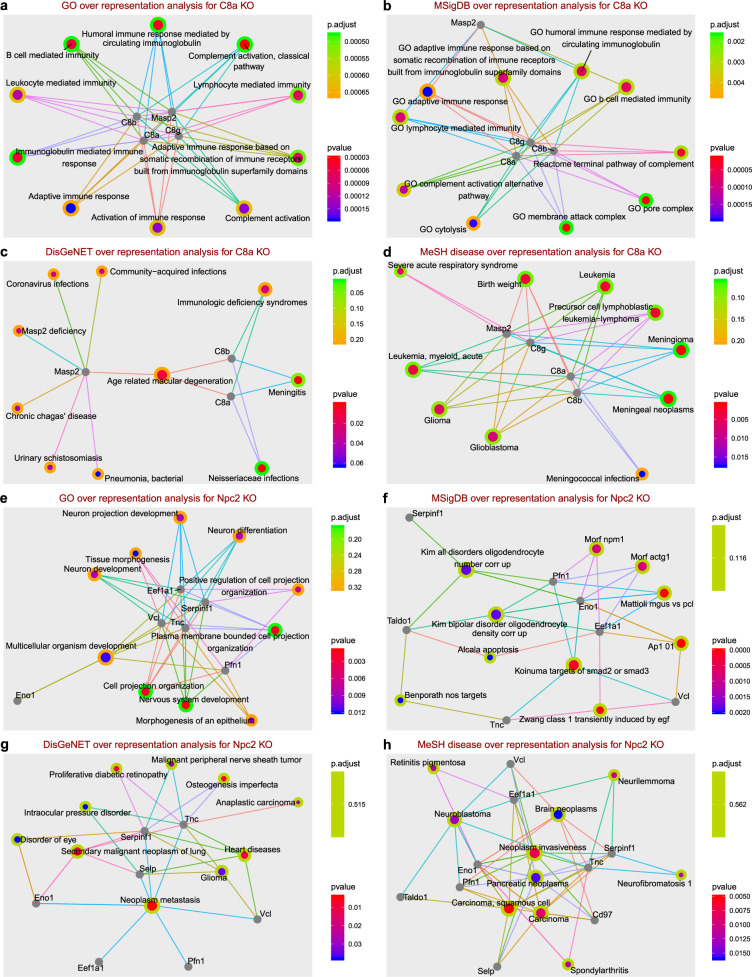
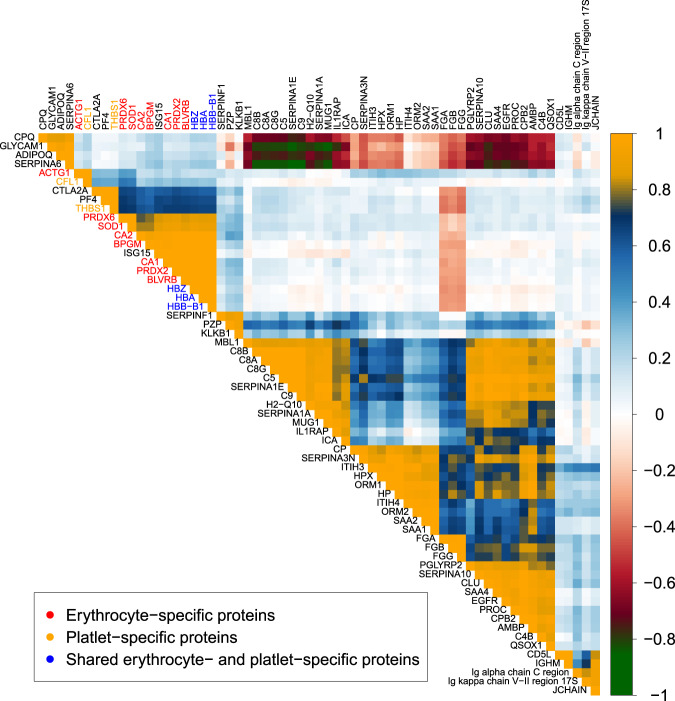
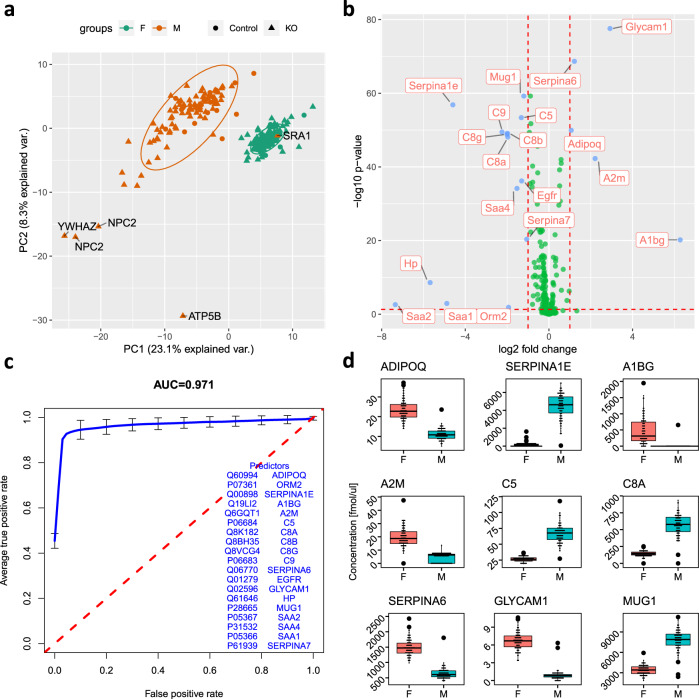
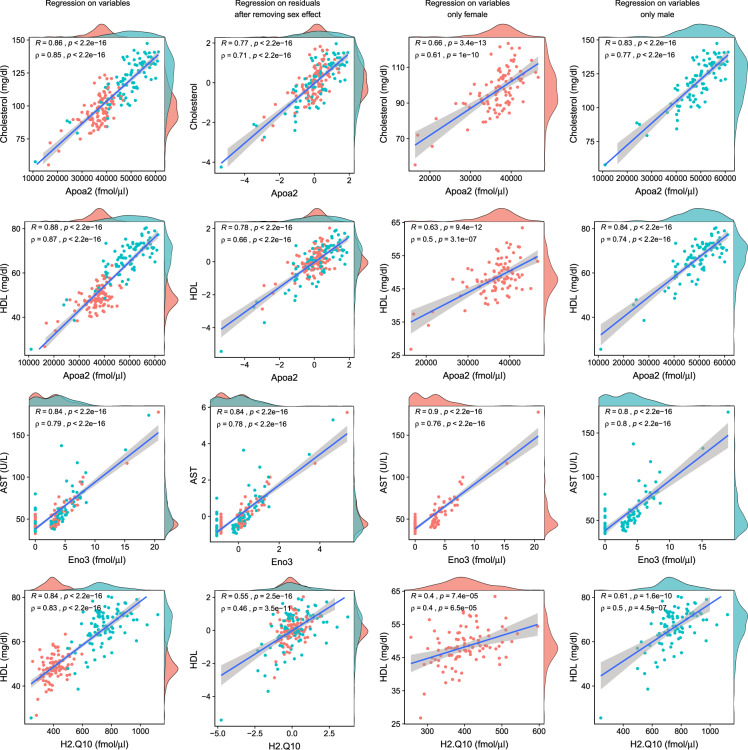
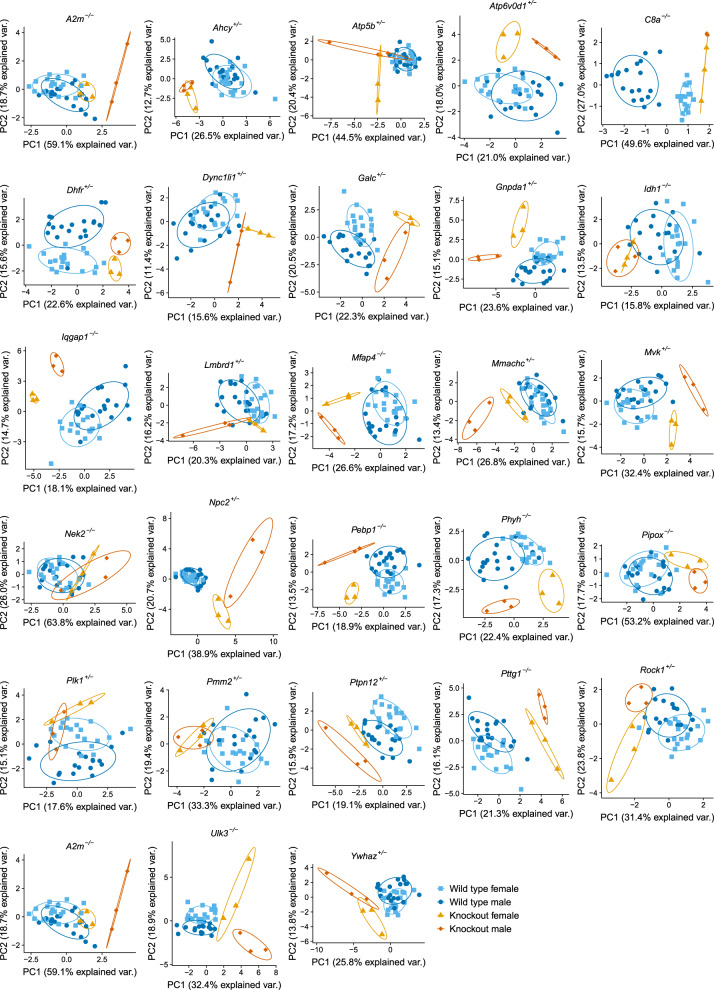
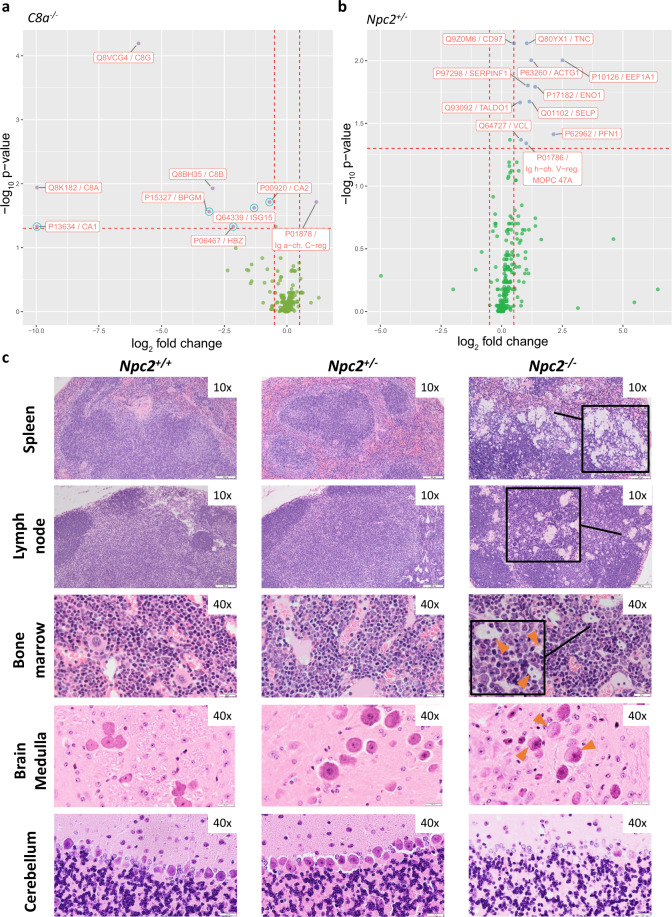
We proteotyped blood plasma from 30 mouse knockout strains and corresponding wild-type mice from the International Mouse Phenotyping Consortium. We used targeted proteomics with internal standards to quantify 375 proteins in 218 samples. Our results provide insights into the manifested effects of each gene knockout at the plasma proteome level. We first investigated possible contamination by erythrocytes during sample preparation and labeled, in one case, up to 11 differential proteins as erythrocyte originated. Second, we showed that differences in baseline protein abundance between female and male mice were evident in all mice, emphasizing the necessity to include both sexes in basic research, target discovery, and preclinical effect and safety studies. Next, we identified the protein signature of each gene knockout and performed functional analyses for all knockout strains. Further, to demonstrate how proteome analysis identifies the effect of gene deficiency beyond traditional phenotyping tests, we provide in-depth analysis of two strains, C8a and Npc2. The proteins encoded by these genes are well-characterized providing good validation of our method in homozygous and heterozygous knockout mice. Ig alpha chain C region, a poorly characterized protein, was among the differentiating proteins in C8a. In Npc2 mice, where histopathology and traditional tests failed to differentiate heterozygous from wild-type mice, our data showed significant difference in various lysosomal storage disease-related proteins. Our results demonstrate how to combine absolute quantitative proteomics with mouse gene knockout strategies to systematically study the effect of protein absence. The approach used here for blood plasma is applicable to all tissue protein extracts.
我们从国际小鼠表型分析联盟中制备了 30 种小鼠基因敲除品系和相应野生型小鼠的血浆原型。我们使用内标靶向蛋白质组学技术,在 218 个样本中定量了 375 种蛋白质。我们的研究结果提供了在血浆蛋白质组水平上研究每个基因敲除所表现出的效应的深入见解。首先,我们调查了在样品制备过程中红细胞污染的可能性,并在一个案例中,将多达 11 个差异蛋白标记为红细胞起源。其次,我们表明,雌性和雄性小鼠之间基线蛋白质丰度的差异在所有小鼠中都很明显,这强调了在基础研究、靶点发现以及临床前效果和安全性研究中都需要包含雌雄两性。接下来,我们确定了每个基因敲除的蛋白质特征,并对所有敲除株进行了功能分析。此外,为了展示蛋白质组分析如何识别基因缺陷的影响超越传统表型测试,我们对两个品系 C8a 和 Npc2 进行了深入分析。这些基因编码的蛋白质特征明显,为我们在纯合和杂合敲除小鼠中的方法提供了良好的验证。Ig alpha 链 C 区是一种特征描述较差的蛋白质,是 C8a 中区分蛋白之一。在 Npc2 小鼠中,组织病理学和传统测试未能区分杂合子和野生型小鼠,我们的数据显示在各种溶酶体贮积病相关蛋白中存在显著差异。我们的研究结果表明如何将绝对定量蛋白质组学与小鼠基因敲除策略相结合,以系统地研究蛋白质缺失的影响。这里用于血浆的方法适用于所有组织蛋白质提取物。