Division of Gastroenterology and Hepatology, Stanford University, 300 Pasteur Drive, Alway Building M211, Stanford, CA 94305, USA.
Division of Gastroenterology and Hepatology, Stanford University, 300 Pasteur Drive, Alway Building M211, Stanford, CA 94305, USA.
Gastrointest Endosc Clin N Am. 2021 Jul;31(3):503-517. doi: 10.1016/j.giec.2021.03.005.
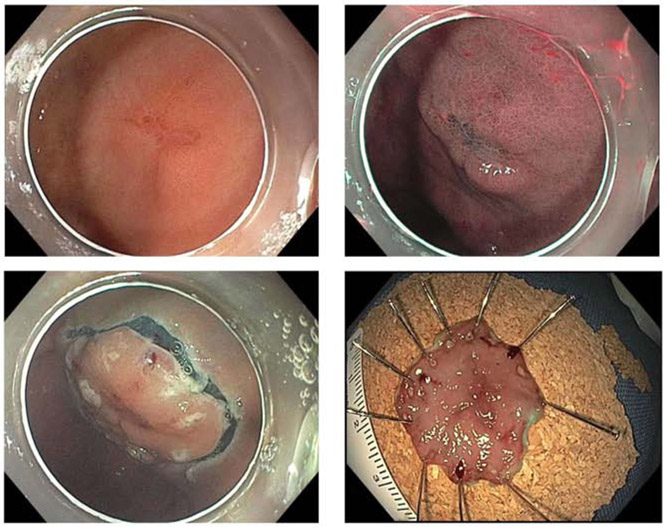
Gastric cancer (GC) remains a leading cause of cancer morbidity and mortality worldwide. Outcomes from GC remain poor, especially in Western nations where cancer diagnosis is usually at advanced stages where curative resection is not possible. By contrast, nations of East Asia have adopted methods of population-level screening with improvements in stage of diagnosis and survival. In this review, the authors discuss the epidemiology of GC in Western populations, highlight at-risk populations who may benefit from screening, overview screening modalities, and discuss promising approaches to early GC detection.
胃癌(GC)仍然是全球癌症发病率和死亡率的主要原因。GC 的治疗效果仍然不佳,特别是在癌症诊断通常处于晚期、无法进行根治性切除的西方国家。相比之下,东亚国家采用了人群筛查方法,提高了诊断和生存率。在这篇综述中,作者讨论了西方国家 GC 的流行病学,强调了可能受益于筛查的高危人群,概述了筛查方式,并讨论了早期 GC 检测的有前途的方法。