Wang Meng, Sun Letao, Wang Li, Sun Yongning
Shanghai Jiao Tong University Affiliated Sixth People's Hospital, Shanghai 200233, China.
Shanghai Jiao Tong University School of Medicine, Shanghai 200025, China.
Evid Based Complement Alternat Med. 2021 May 4;2021:6688629. doi: 10.1155/2021/6688629. eCollection 2021.
Berberine has been demonstrated to have anticancer effects against gastric cancer (GC), but the mechanism of these actions is unclear.
To explore the impact of berberine on circular RNA (circRNA) expression profiles in GC and investigate the potential molecular mechanisms associated with circRNAs in GC.
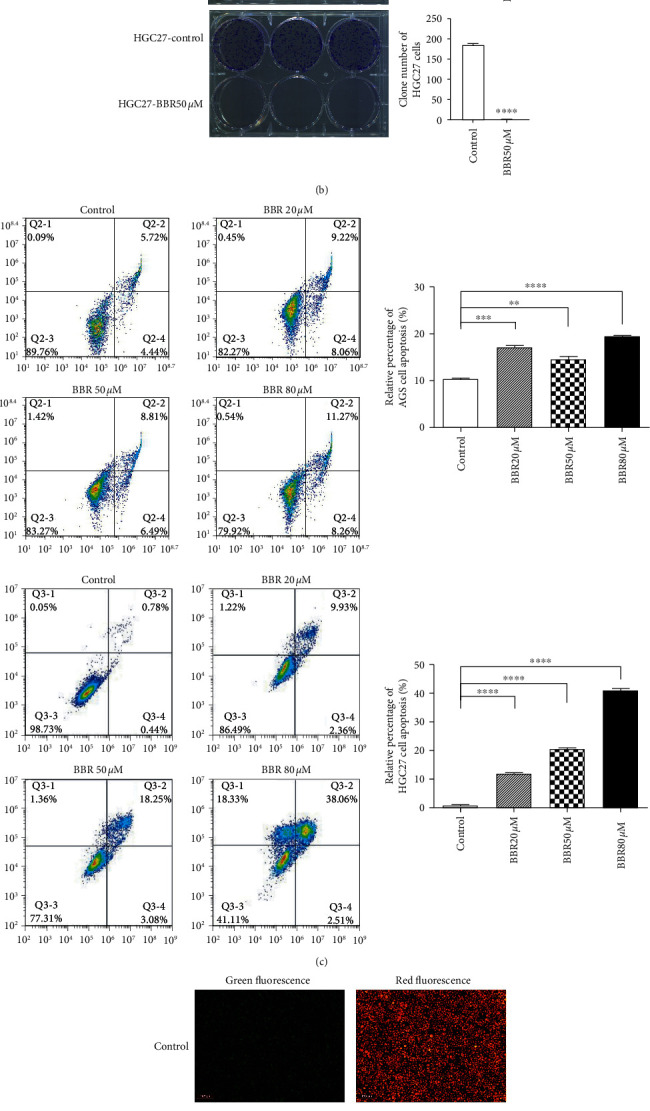
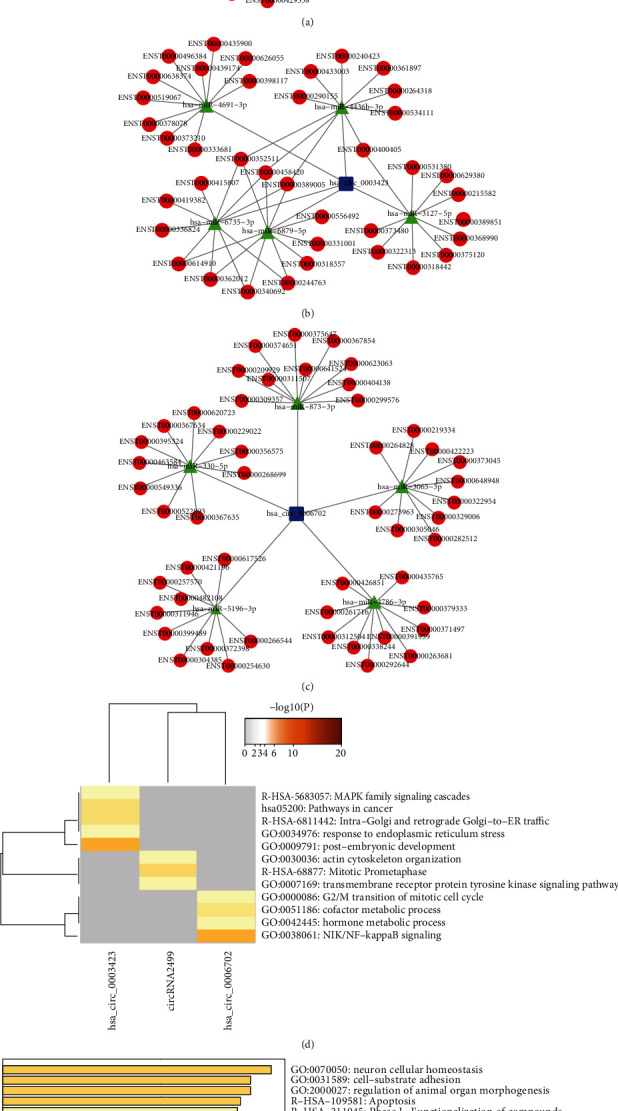
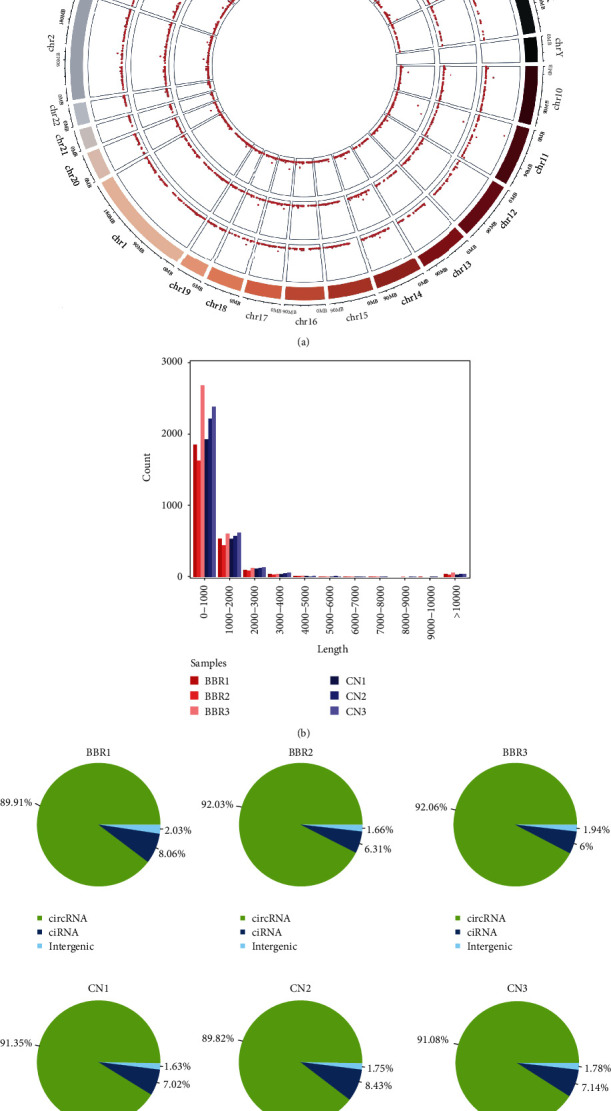
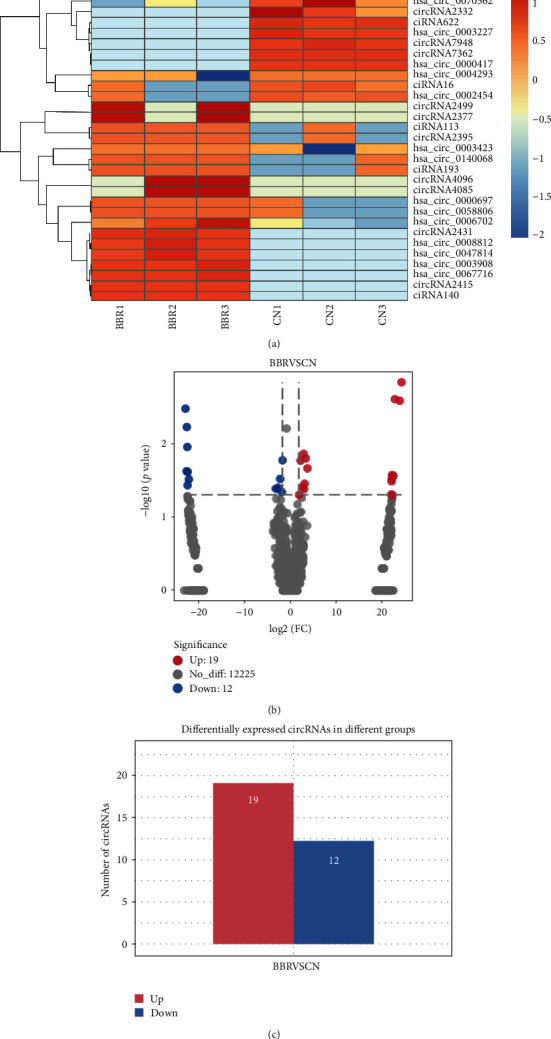
AGS and HGC27 GC cells were treated with various concentrations of berberine. Cell viability was measured using a Cell Counting Kit-8 assay. Cell proliferation was measured using a cell colony formation assay. Cell apoptosis was measured using flow cytometry. The mitochondrial membrane potential (Δm) was determined using a JC-1 probe. RNA-seq was performed to identify circRNA expression profiles in AGS cells after berberine treatment. Selected differentially expressed (DE) circRNAs were verified using RT-qPCR. Bioinformatics analysis was performed to predict target miRNAs and mRNAs and construct a circRNA-miRNA-mRNA network. Pathway and process enrichment analyses were performed to explore the potential biological roles of DE circRNAs.
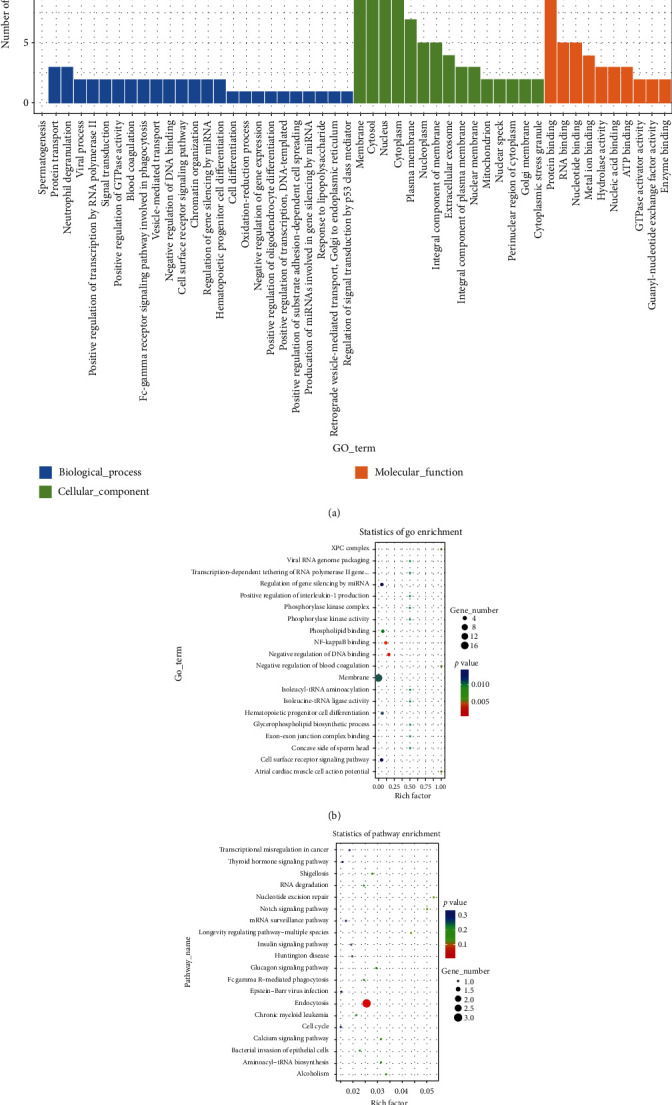
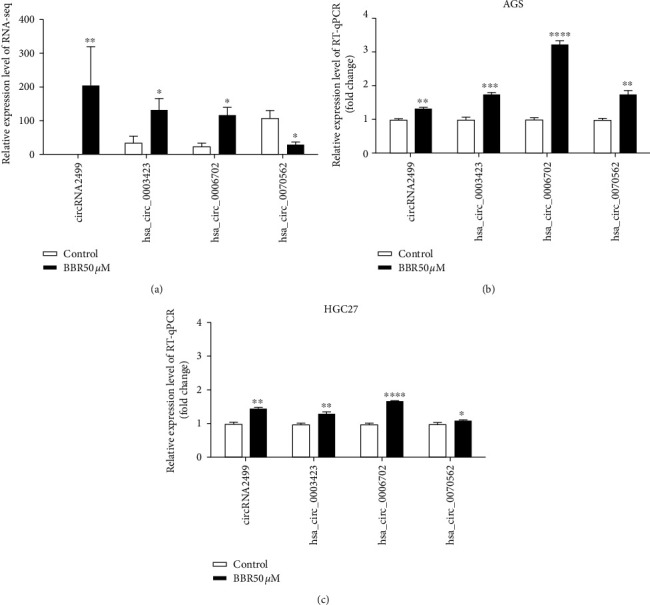
Berberine decreased GC cell viability, cell proliferation, and Δm and induced cell apoptosis. Thirty-one DE circRNAs were identified in the berberine-treated group compared to the control group, among which circRNA2499, hsa_circ_0003423, and hsa_circ_0006702 were validated using RT-qPCR. Enrichment analyses, based on the host genes of these 31 DE circRNAs and putative target mRNAs in the circRNA-miRNA-mRNA network of the validated circRNAs, indicated that berberine exerts anti-GC effects in multiple pathways including the Notch, MAPK, and NF-B signaling pathways via specific circRNAs.
This study elucidated the expression profile of circRNAs in human GC cells after berberine treatment. Our results demonstrate that berberine has the potential to influence cancer-related pathways by regulating circRNA expression and their corresponding target genes in GC cells.
黄连素已被证明对胃癌(GC)具有抗癌作用,但其作用机制尚不清楚。
探讨黄连素对GC中环状RNA(circRNA)表达谱的影响,并研究GC中与circRNA相关的潜在分子机制。
用不同浓度的黄连素处理AGS和HGC27 GC细胞。使用细胞计数试剂盒-8检测法测量细胞活力。使用细胞集落形成试验测量细胞增殖。使用流式细胞术测量细胞凋亡。使用JC-1探针测定线粒体膜电位(Δm)。进行RNA测序以鉴定黄连素处理后AGS细胞中的circRNA表达谱。使用RT-qPCR验证选定的差异表达(DE)circRNA。进行生物信息学分析以预测靶标miRNA和mRNA,并构建circRNA-miRNA-mRNA网络。进行通路和过程富集分析以探索DE circRNA的潜在生物学作用。
黄连素降低了GC细胞活力、细胞增殖和Δm,并诱导细胞凋亡。与对照组相比,黄连素处理组中鉴定出31种DE circRNA,其中circRNA2499、hsa_circ_0003423和hsa_circ_0006702使用RT-qPCR进行了验证。基于这31种DE circRNA的宿主基因以及验证的circRNA的circRNA-miRNA-mRNA网络中的推定靶标mRNA的富集分析表明,黄连素通过特定的circRNA在包括Notch、MAPK和NF-κB信号通路在内的多种途径中发挥抗GC作用。
本研究阐明了黄连素处理后人GC细胞中circRNA的表达谱。我们的结果表明,黄连素有可能通过调节GC细胞中的circRNA表达及其相应的靶基因来影响癌症相关通路。