Boulanger-Bertolus Julie, Mouly Anne-Marie
Department of Anesthesiology, Center for Consciousness Science, University of Michigan, Ann Arbor, MI 48109-5048, USA.
Lyon Neuroscience Research Center, INSERM U1028, CNRS UMR 5292, University Lyon 1, 69366 Lyon, France.
Brain Sci. 2021 May 11;11(5):616. doi: 10.3390/brainsci11050616.
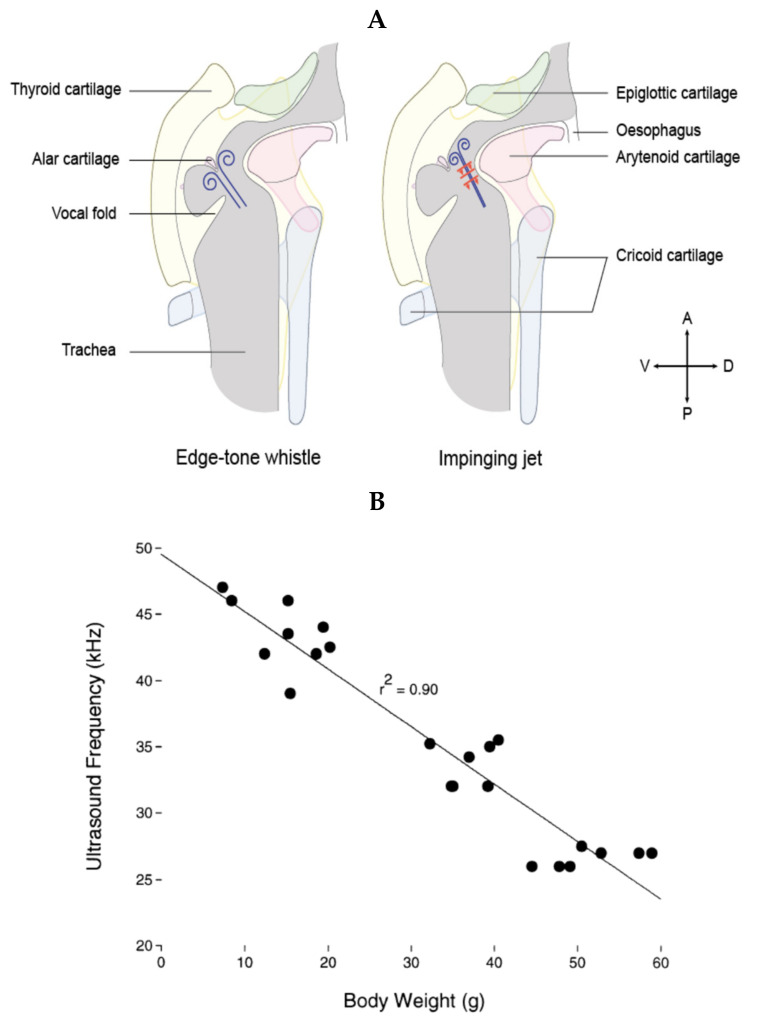
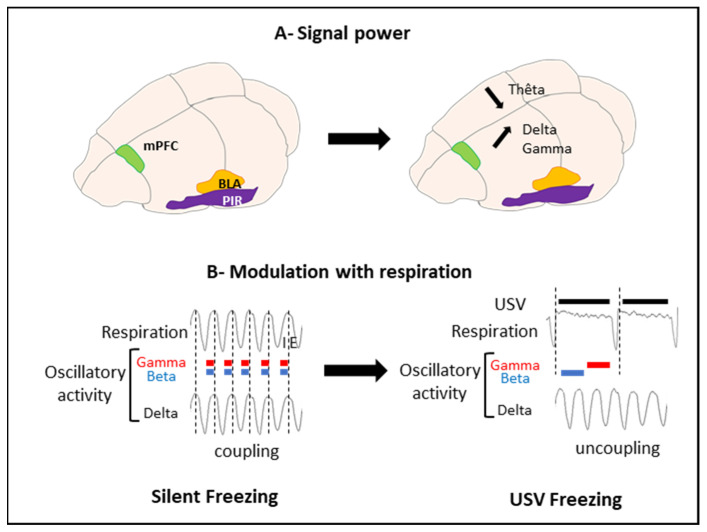
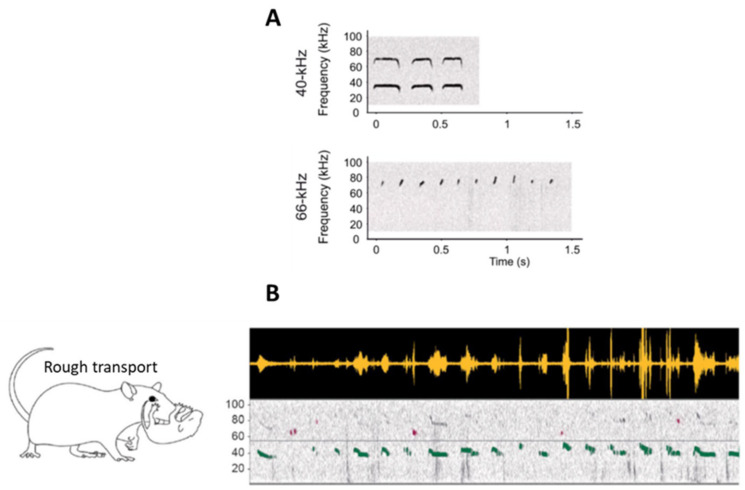
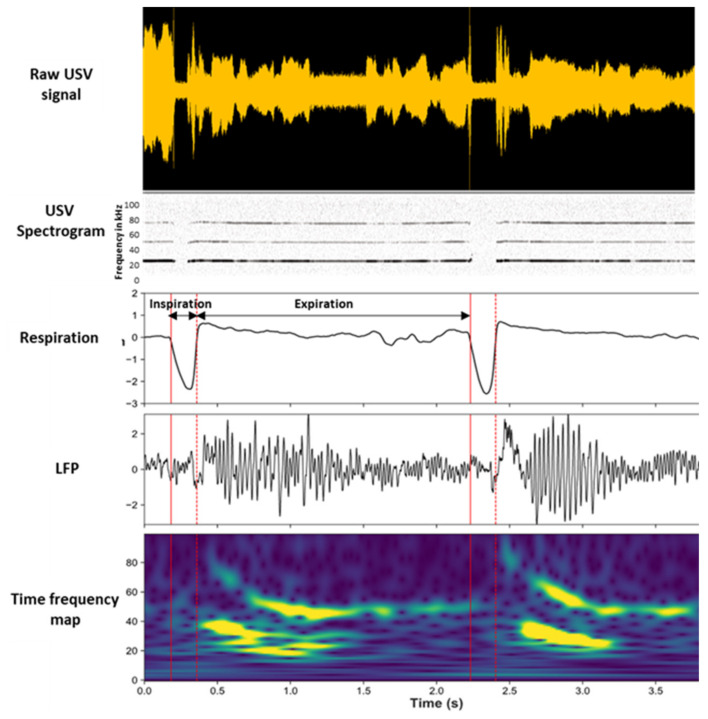
Rats communicate using ultrasonic vocalizations (USV) throughout their life when confronted with emotionally stimulating situations, either negative or positive. The context of USV emission and the psychoacoustic characteristics of the vocalizations change greatly between infancy and adulthood. Importantly, the production of USV is tightly coordinated with respiration, and respiratory rhythm is known to influence brain activity and cognitive functions. This review goes through the acoustic characteristics and mechanisms of production of USV both in infant and adult rats and emphasizes the tight relationships that exist between USV emission and respiration throughout the rat's development. It further describes how USV emission and respiration collectively affect brain oscillatory activities. We discuss the possible association of USV emission with emotional memory processes and point out several avenues of research on USV that are currently overlooked and could fill gaps in our knowledge.
大鼠在一生中遇到情绪刺激的情况(无论是负面还是正面)时,都会通过发出超声波发声(USV)来进行交流。在婴儿期和成年期之间,USV发出的背景以及发声的心理声学特征会发生很大变化。重要的是,USV的产生与呼吸紧密协调,并且已知呼吸节律会影响大脑活动和认知功能。这篇综述阐述了幼鼠和成年大鼠USV的声学特征和产生机制,并强调了在大鼠整个发育过程中USV发出与呼吸之间存在的紧密关系。它进一步描述了USV发出和呼吸如何共同影响大脑振荡活动。我们讨论了USV发出与情绪记忆过程之间可能的关联,并指出了目前被忽视的关于USV的几个研究途径,这些途径可能填补我们知识上的空白。