Adachi Hironori, Hengesbach Martin, Yu Yi-Tao, Morais Pedro
Center for RNA Biology, Department of Biochemistry and Biophysics, University of Rochester Medical Center, 601 Elmwood Avenue, Rochester, NY 14642, USA.
Institute for Organic Chemistry and Chemical Biology, Johann Wolfgang Goethe-University Frankfurt, Max-von-Laue-Str. 7, 60438 Frankfurt, Germany.
Biomedicines. 2021 May 14;9(5):550. doi: 10.3390/biomedicines9050550.
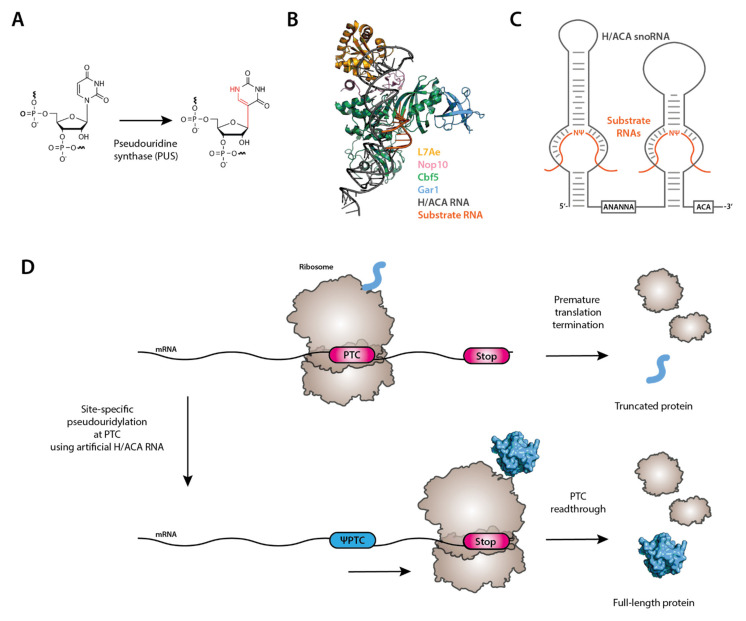
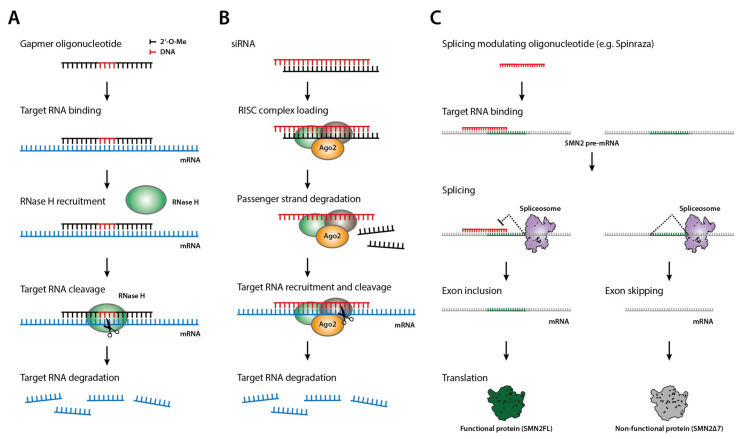
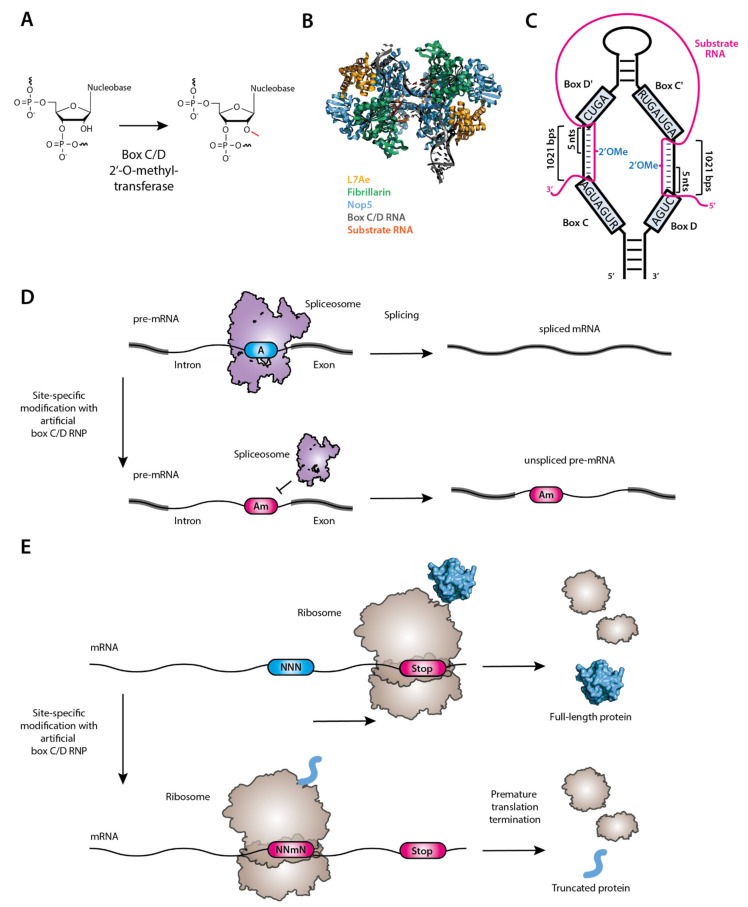
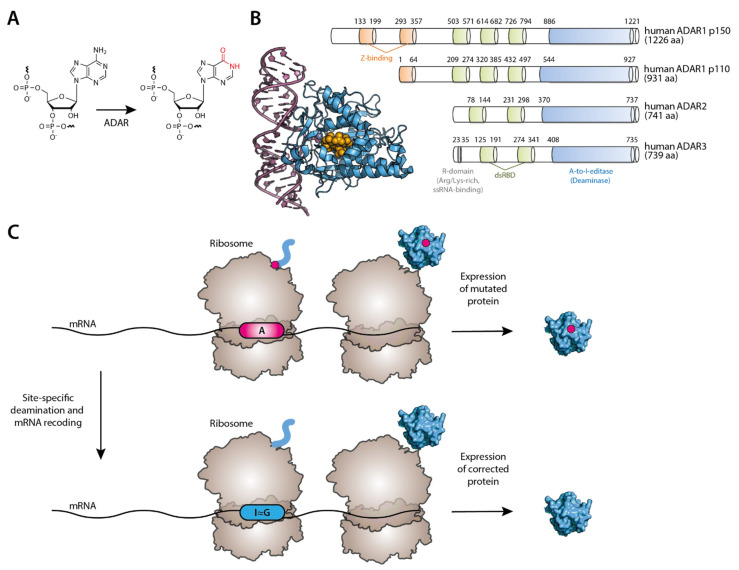
Therapeutic oligonucleotides interact with a target RNA via Watson-Crick complementarity, affecting RNA-processing reactions such as mRNA degradation, pre-mRNA splicing, or mRNA translation. Since they were proposed decades ago, several have been approved for clinical use to correct genetic mutations. Three types of mechanisms of action (MoA) have emerged: RNase H-dependent degradation of mRNA directed by short chimeric antisense oligonucleotides (gapmers), correction of splicing defects via splice-modulation oligonucleotides, and interference of gene expression via short interfering RNAs (siRNAs). These antisense-based mechanisms can tackle several genetic disorders in a gene-specific manner, primarily by gene downregulation (gapmers and siRNAs) or splicing defects correction (exon-skipping oligos). Still, the challenge remains for the repair at the single-nucleotide level. The emerging field of epitranscriptomics and RNA modifications shows the enormous possibilities for recoding the transcriptome and repairing genetic mutations with high specificity while harnessing endogenously expressed RNA processing machinery. Some of these techniques have been proposed as alternatives to CRISPR-based technologies, where the exogenous gene-editing machinery needs to be delivered and expressed in the human cells to generate permanent (DNA) changes with unknown consequences. Here, we review the current FDA-approved antisense MoA (emphasizing some enabling technologies that contributed to their success) and three novel modalities based on post-transcriptional RNA modifications with therapeutic potential, including ADAR (Adenosine deaminases acting on RNA)-mediated RNA editing, targeted pseudouridylation, and 2'-O-methylation.
治疗性寡核苷酸通过沃森-克里克互补性与靶RNA相互作用,影响RNA加工反应,如mRNA降解、前体mRNA剪接或mRNA翻译。自几十年前被提出以来,已有几种被批准用于临床以纠正基因突变。已出现三种作用机制:由短嵌合反义寡核苷酸(gapmer)介导的依赖RNase H的mRNA降解、通过剪接调节寡核苷酸纠正剪接缺陷以及通过短干扰RNA(siRNA)干扰基因表达。这些基于反义的机制可以以基因特异性方式解决多种遗传疾病,主要是通过基因下调(gapmer和siRNA)或纠正剪接缺陷(外显子跳跃寡核苷酸)。然而,在单核苷酸水平上进行修复仍然是一个挑战。新兴的表观转录组学和RNA修饰领域显示了在利用内源性表达的RNA加工机制的同时,以高特异性重新编码转录组和修复基因突变的巨大可能性。其中一些技术已被提议作为基于CRISPR技术的替代方案,在基于CRISPR的技术中,需要在人类细胞中递送和表达外源基因编辑机制以产生具有未知后果的永久性(DNA)变化。在这里,我们综述了目前FDA批准的反义作用机制(强调一些促成其成功的使能技术)以及基于具有治疗潜力的转录后RNA修饰的三种新方法,包括ADAR(作用于RNA的腺苷脱氨酶)介导的RNA编辑、靶向假尿苷化和2'-O-甲基化。