Pavek Adriene, Nartker Christopher, Saleh Maamoon, Kirkham Matthew, Khajeh Pour Sana, Aghazadeh-Habashi Ali, Barrott Jared J
Department of Biomedical and Pharmaceutical Sciences, Idaho State University, Pocatello, ID 83209, USA.
Whitman College, Walla Walla, WA 99362, USA.
Biomedicines. 2021 May 14;9(5):551. doi: 10.3390/biomedicines9050551.
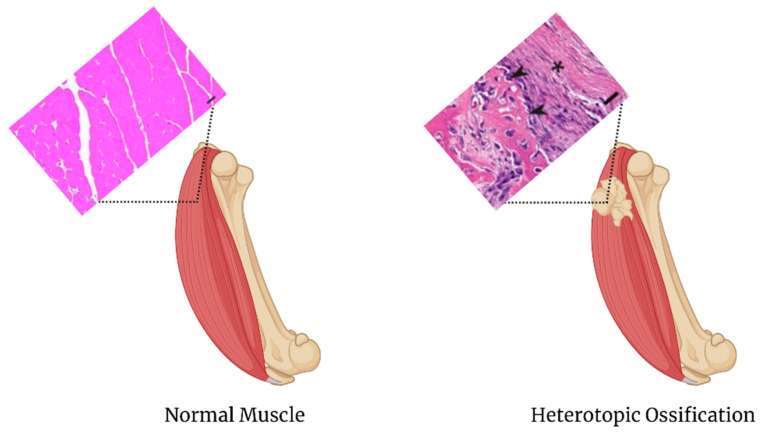
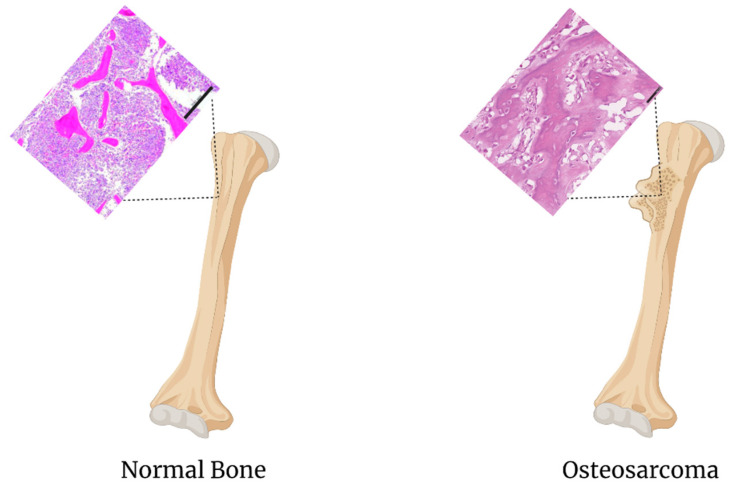
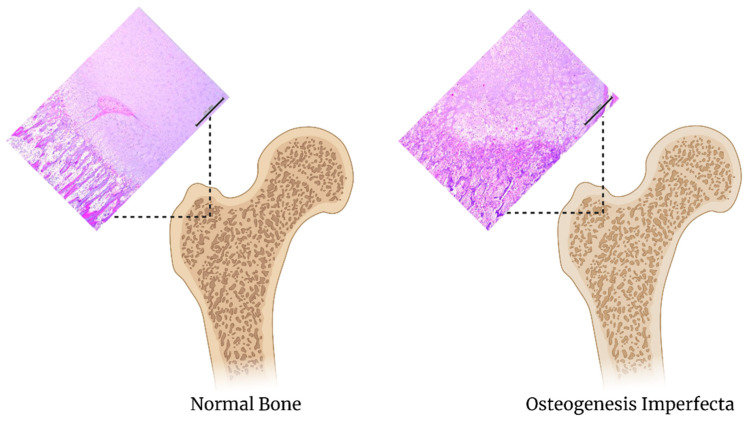
The applications of 3D bioprinting are becoming more commonplace. Since the advent of tissue engineering, bone has received much attention for the ability to engineer normal bone for tissue engraftment or replacement. While there are still debates on what materials comprise the most durable and natural replacement of normal tissue, little attention is given to recreating diseased states within the bone. With a better understanding of the cellular pathophysiology associated with the more common bone diseases, these diseases can be scaled down to a more throughput way to test therapies that can reverse the cellular pathophysiology. In this review, we will discuss the potential of 3D bioprinting of bone tissue in the following disease states: osteoporosis, Paget's disease, heterotopic ossification, osteosarcoma, osteogenesis imperfecta, and rickets disease. The development of these 3D bioprinted models will allow for the advancement of novel therapy testing resulting in possible relief to these chronic diseases.
3D生物打印的应用正变得越来越普遍。自组织工程出现以来,骨骼因其能够构建用于组织移植或替代的正常骨骼的能力而备受关注。虽然对于何种材料构成最耐用且最接近正常组织的替代物仍存在争议,但人们很少关注在骨骼内重现疾病状态。随着对与更常见骨骼疾病相关的细胞病理生理学有了更好的理解,这些疾病可以被缩小规模,以更高通量的方式来测试能够逆转细胞病理生理学的疗法。在本综述中,我们将讨论3D生物打印骨组织在以下疾病状态中的潜力:骨质疏松症、佩吉特氏病、异位骨化、骨肉瘤、成骨不全症和佝偻病。这些3D生物打印模型的开发将推动新型疗法测试的进展,有望缓解这些慢性疾病。