Department of Medical Microbiology and Nanobiomedical Engineering, Medical University of Bialystok, PL-15222 Bialystok, Poland.
Department of Human Anatomy, Medical University of Bialystok, PL-15230 Bialystok, Poland.
Int J Mol Sci. 2021 May 25;22(11):5624. doi: 10.3390/ijms22115624.
the molecular mechanism of gastric cancer development related to () infection has not been fully understood, and further studies are still needed. Information regarding nanomechanical aspects of pathophysiological events that occur during infection can be crucial in the development of new prevention, treatment, and diagnostic measures against clinical consequences associated with infection, including gastric ulcer, duodenal ulcer, and gastric cancer.
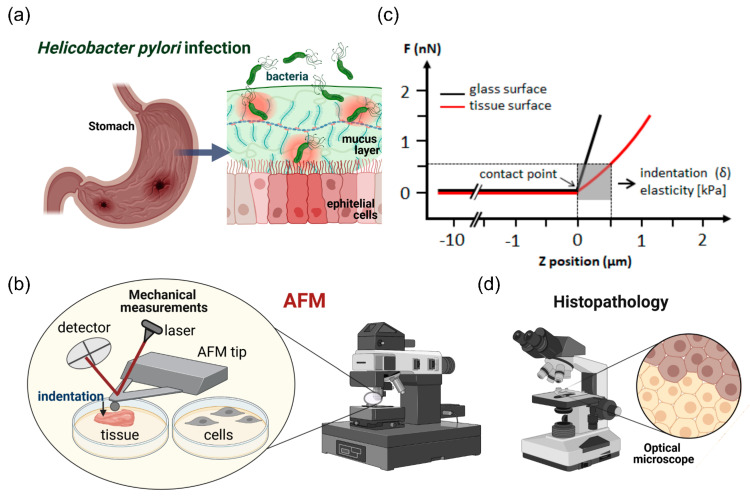
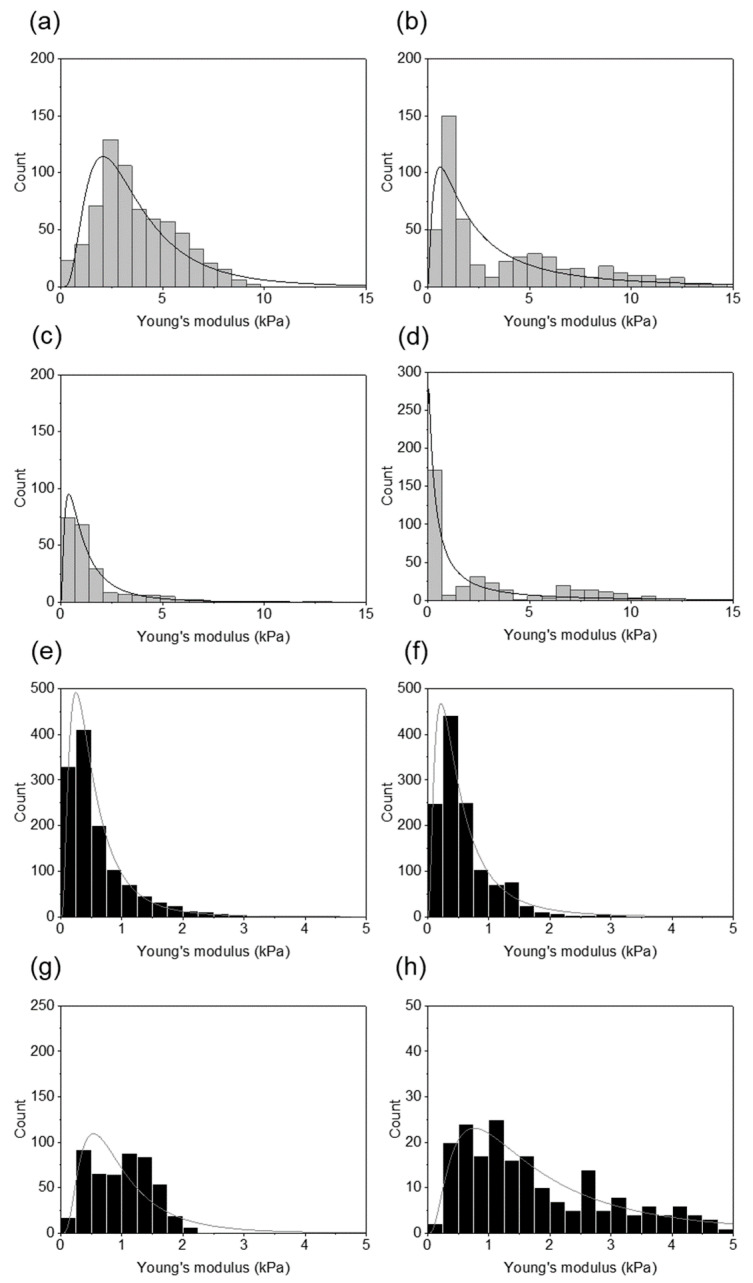
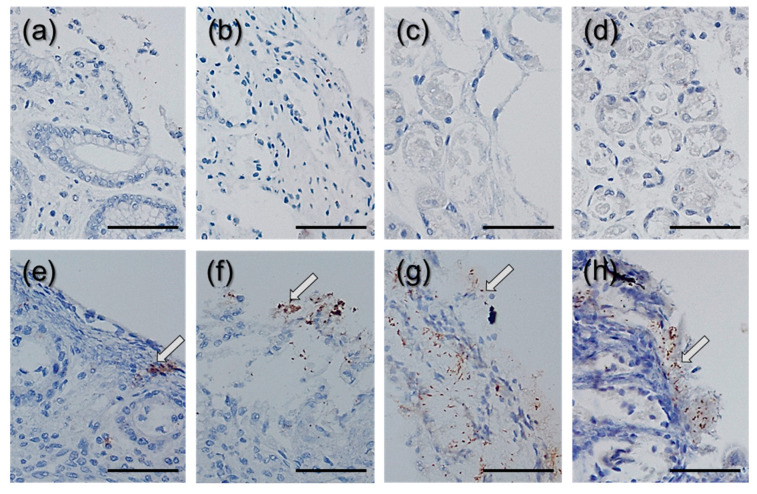
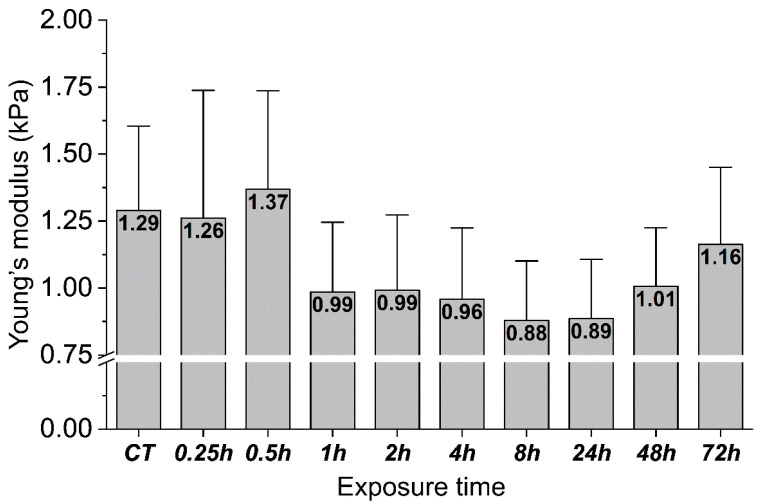
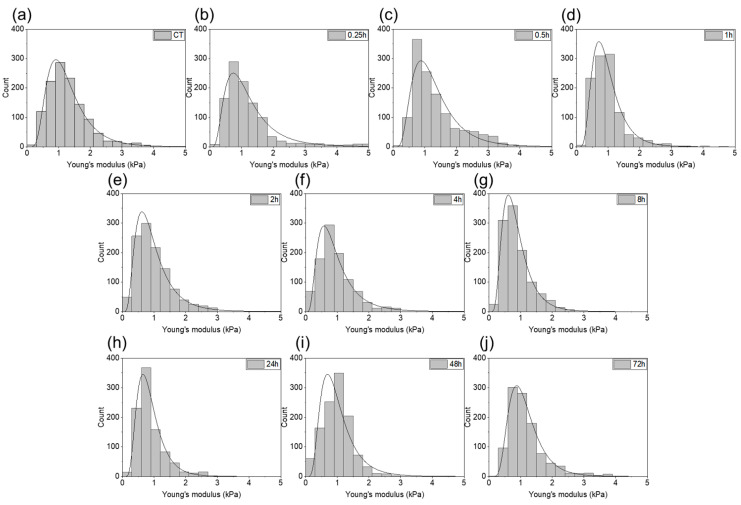
in this study, we assessed mechanical properties of children's healthy and positive stomach tissues and the mechanical response of human gastric cells exposed to heat-treated cells using atomic force microscopy (AFM NanoWizard 4 BioScience JPK Instruments Bruker). Elastic modulus (i.e., the Young's modulus) was derived from the Hertz-Sneddon model applied to force-indentation curves. Human tissue samples were evaluated using rapid urease tests to identify positive samples, and the presence of cells in those samples was confirmed using immunohistopathological staining.
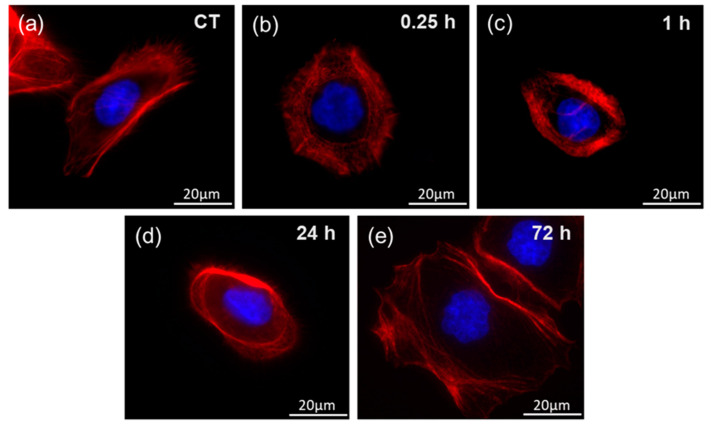
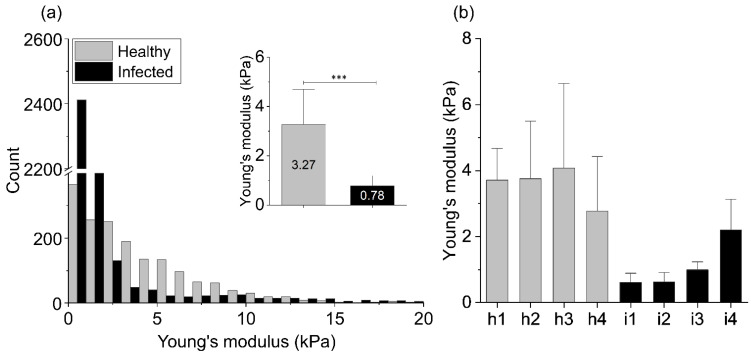
collected data suggest that nanomechanical properties of infected tissue might be considered as markers indicated presence since infected tissues are softer than uninfected ones. At the cellular level, this mechanical response is at least partially mediated by cell cytoskeleton remodeling indicating that gastric cells are able to tune their mechanical properties when subjected to the presence of products. Persistent fluctuations of tissue mechanical properties in response to infection might, in the long-term, promote induction of cancer development.
与()感染相关的胃癌发展的分子机制尚未完全阐明,仍需进一步研究。了解感染过程中发生的病理生理事件的纳机械方面的信息对于开发针对与感染相关的临床后果(包括胃溃疡、十二指肠溃疡和胃癌)的新的预防、治疗和诊断措施可能至关重要。
在这项研究中,我们使用原子力显微镜(AFM NanoWizard 4 BioScience JPK Instruments Bruker)评估了儿童健康和()阳性胃组织的力学性能,以及人类胃细胞对热处理()细胞的机械反应。弹性模量(即杨氏模量)源自应用于力-压痕曲线的赫兹-斯内登模型。使用快速尿素酶试验评估人组织样本以确定()阳性样本,并用免疫组织化学染色确认这些样本中()细胞的存在。
收集的数据表明,感染组织的纳机械特性可以被认为是指示存在的标志物,因为感染组织比未感染组织更软。在细胞水平上,这种机械反应至少部分是通过细胞细胞骨架重塑介导的,这表明当受到()产物的存在时,胃细胞能够调整其机械特性。组织机械性能对()感染的持续波动可能会在长期内促进癌症的发展。