Procopio Noemi, Mein Caley A, Starace Sefora, Bonicelli Andrea, Williams Anna
Forensic Science Research Group, Faculty of Health and Life Sciences, Applied Sciences, Northumbria University, Newcastle Upon Tyne NE1 8ST, UK.
School of Applied Sciences, University of Huddersfield, Queensgate, Huddersfield HD1 3DH, UK.
Biology (Basel). 2021 May 23;10(6):460. doi: 10.3390/biology10060460.
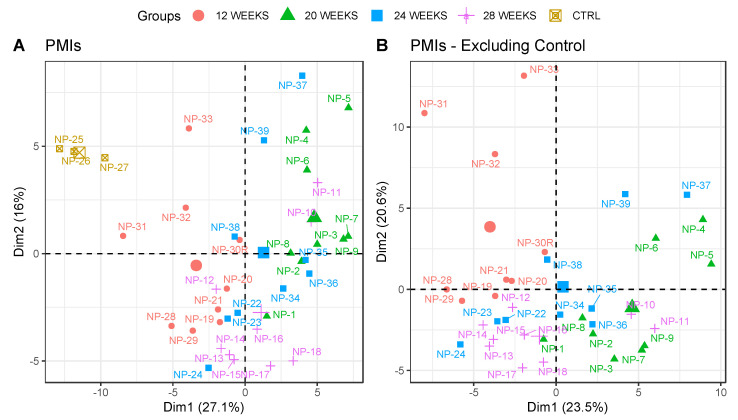
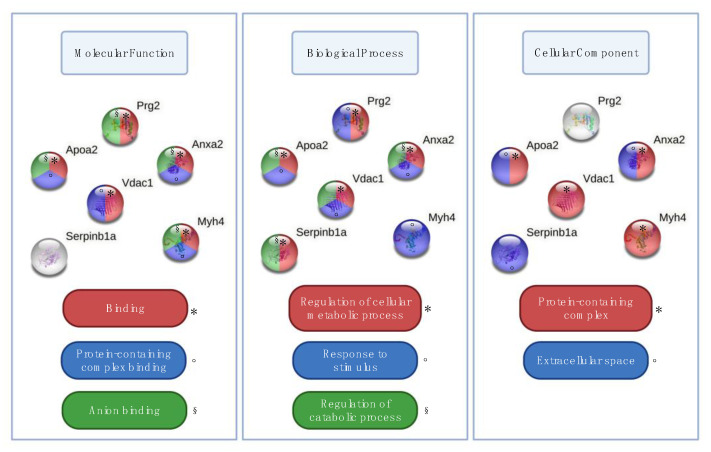
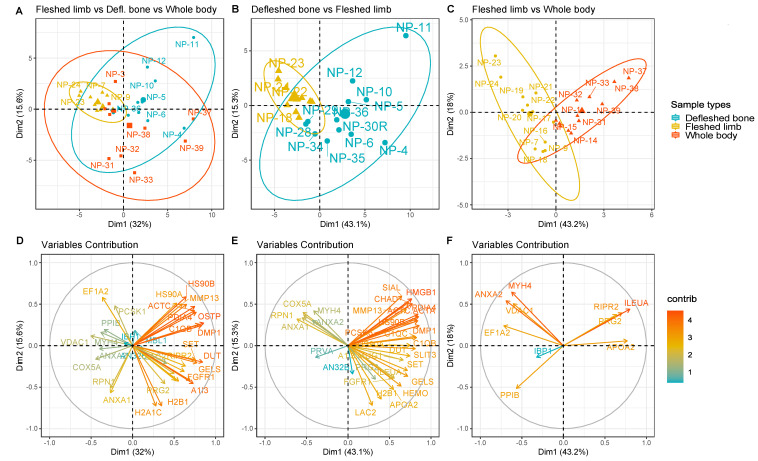
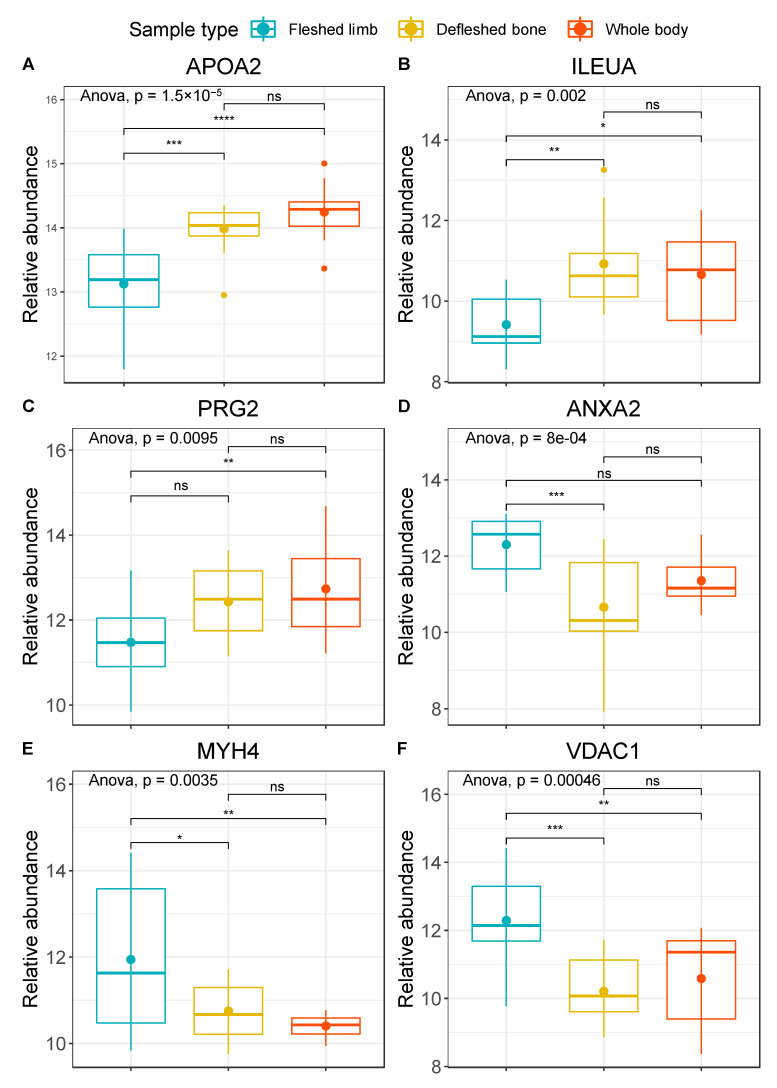
The evaluation of bone diagenetic phenomena in archaeological timescales has a long history; however, little is known about the origins of the microbes driving bone diagenesis, nor about the extent of bone diagenesis in short timeframes-such as in forensic contexts. Previously, the analysis of non-collagenous proteins (NCPs) through bottom-up proteomics revealed the presence of potential biomarkers useful in estimating the post-mortem interval (PMI). However, there is still a great need for enhancing the understanding of the diagenetic processes taking place in forensic timeframes, and to clarify whether proteomic analyses can help to develop better models for estimating PMI reliably. To address these knowledge gaps, we designed an experiment based on whole rat carcasses, defleshed long rat bones, and excised but still-fleshed rat limbs, which were either buried in soil or exposed on a clean plastic surface, left to decompose for 28 weeks, and retrieved at different time intervals. This study aimed to assess differences in bone protein relative abundances for the various deposition modalities and intervals. We further evaluated the effects that extrinsic factors, autolysis, and gut and soil bacteria had on bone diagenesis via bottom-up proteomics. Results showed six proteins whose abundance was significantly different between samples subjected to either microbial decomposition (gut or soil bacteria) or to environmental factors. In particular, muscle- and calcium-binding proteins were found to be more prone to degradation by bacterial attack, whereas plasma and bone marrow proteins were more susceptible to exposure to extrinsic agents. Our results suggest that both gut and soil bacteria play key roles in bone diagenesis and protein decay in relatively short timescales, and that bone proteomics is a proficient resource with which to identify microbially-driven versus extrinsically-driven diagenesis.
在考古时间尺度上对骨成岩现象的评估有着悠久的历史;然而,对于驱动骨成岩作用的微生物的起源,以及在短时间尺度(如法医背景下)骨成岩作用的程度却知之甚少。此前,通过自下而上的蛋白质组学对非胶原蛋白(NCPs)进行分析,揭示了存在可用于估计死后间隔时间(PMI)的潜在生物标志物。然而,仍非常需要加深对法医时间尺度内发生的成岩过程的理解,并阐明蛋白质组学分析是否有助于开发更可靠地估计PMI的更好模型。为了填补这些知识空白,我们设计了一项基于完整大鼠尸体、剔除肌肉的大鼠长骨以及切除但仍带肌肉的大鼠肢体的实验,将它们要么埋在土壤中,要么暴露在干净的塑料表面,任其分解28周,并在不同时间间隔取回。本研究旨在评估各种沉积方式和时间间隔下骨蛋白相对丰度的差异。我们还通过自下而上的蛋白质组学评估了外在因素、自溶作用以及肠道和土壤细菌对骨成岩作用的影响。结果显示,有六种蛋白质在受到微生物分解(肠道或土壤细菌)或环境因素作用的样本之间丰度存在显著差异。特别是,发现肌肉结合蛋白和钙结合蛋白更容易受到细菌攻击而降解,而血浆蛋白和骨髓蛋白更容易受到外在因素的影响。我们的结果表明,肠道和土壤细菌在相对较短的时间尺度内对骨成岩作用和蛋白质衰变都起着关键作用,并且骨蛋白质组学是识别微生物驱动与外在因素驱动的成岩作用的有效资源。