Zhou Deshan, Peng Shaoliang, Wei Dong-Qing, Zhong Wu, Dou Yutao, Xie Xiaolan
IEEE/ACM Trans Comput Biol Bioinform. 2021 Jul-Aug;18(4):1290-1298. doi: 10.1109/TCBB.2021.3085972. Epub 2021 Aug 6.
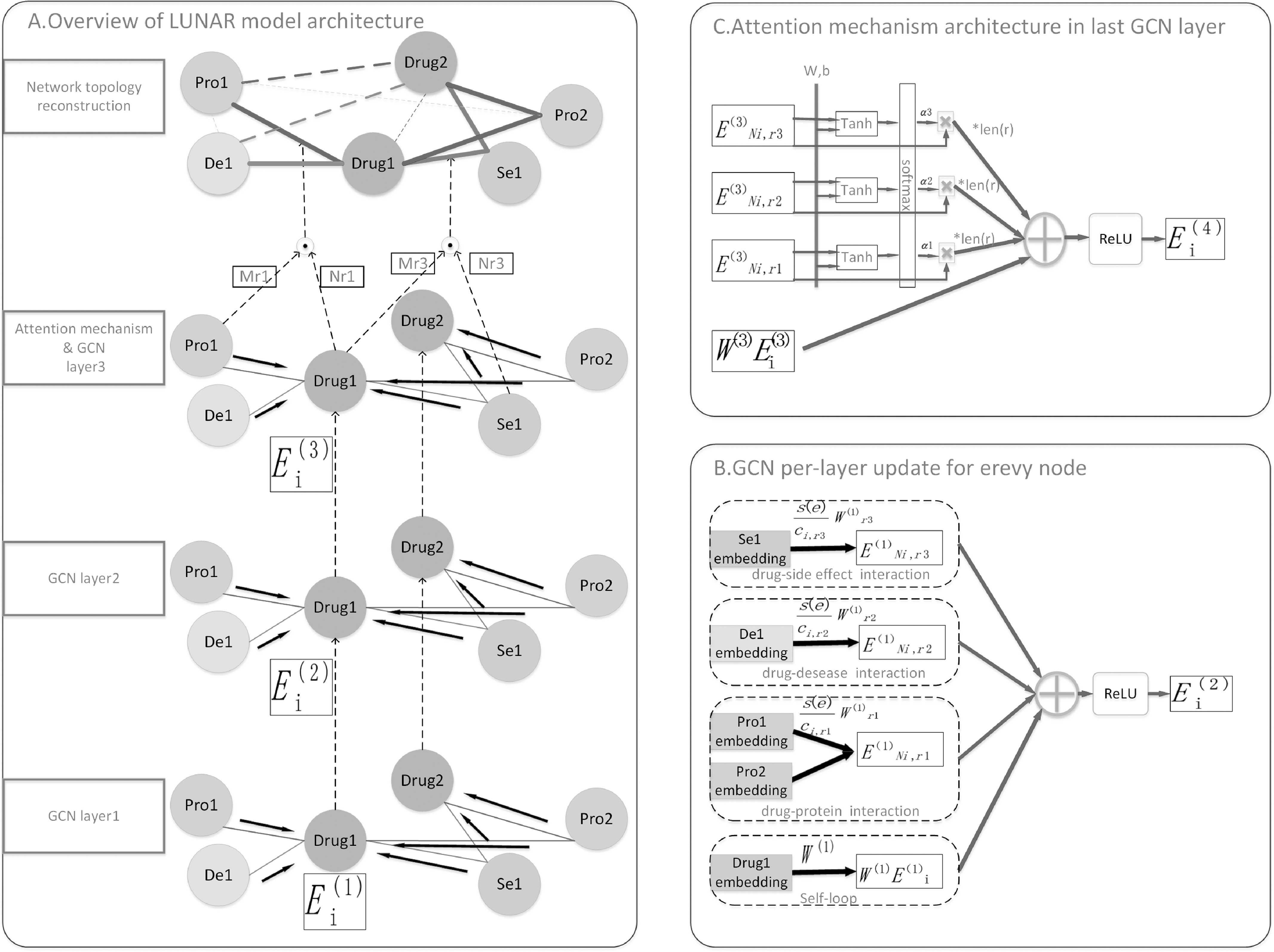
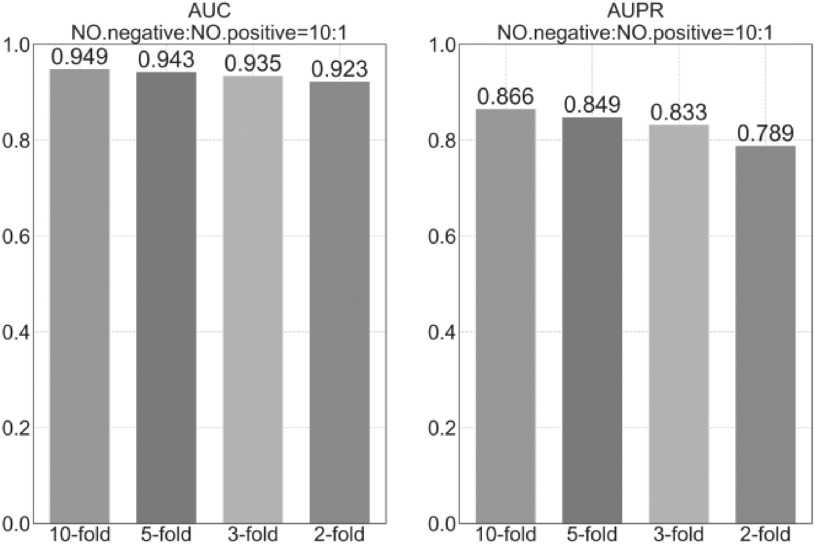
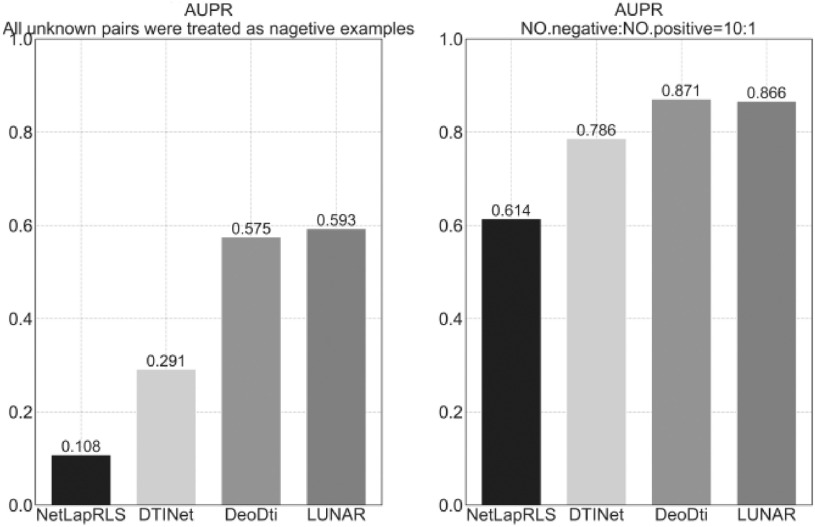
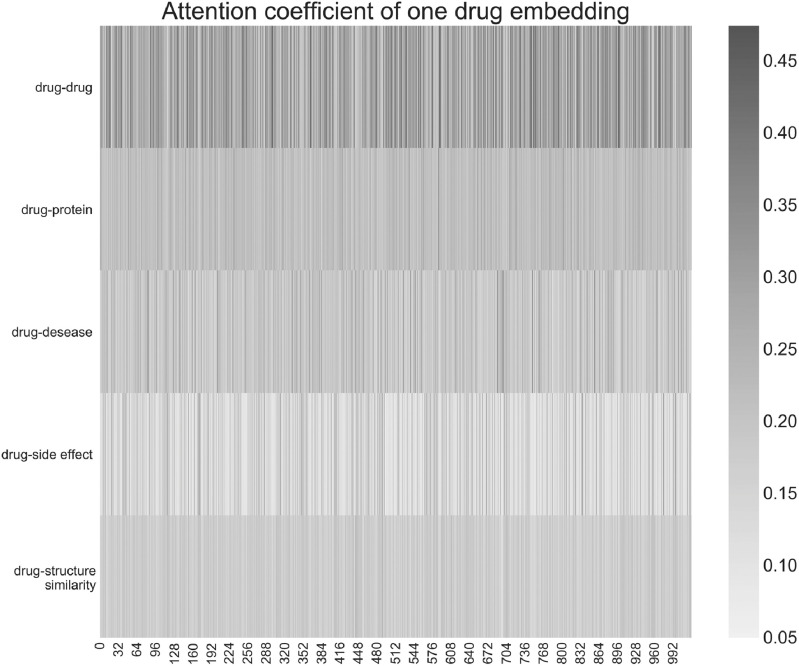
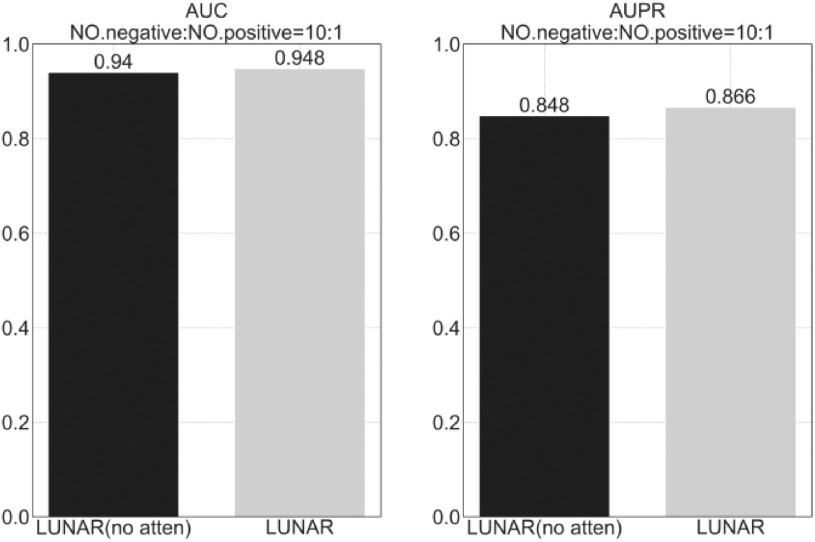
An outbreak of COVID-19 that began in late 2019 was caused by a novel coronavirus(SARS-CoV-2). It has become a global pandemic. As of June 9, 2020, it has infected nearly 7 million people and killed more than 400,000, but there is no specific drug. Therefore, there is an urgent need to find or develop more drugs to suppress the virus. Here, we propose a new nonlinear end-to-end model called LUNAR. It uses graph convolutional neural networks to automatically learn the neighborhood information of complex heterogeneous relational networks and combines the attention mechanism to reflect the importance of the sum of different types of neighborhood information to obtain the representation characteristics of each node. Finally, through the topology reconstruction process, the feature representations of drugs and targets are forcibly extracted to match the observed network as much as possible. Through this reconstruction process, we obtain the strength of the relationship between different nodes and predict drug candidates that may affect the treatment of COVID-19 based on the known targets of COVID-19. These selected candidate drugs can be used as a reference for experimental scientists and accelerate the speed of drug development. LUNAR can well integrate various topological structure information in heterogeneous networks, and skillfully combine attention mechanisms to reflect the importance of neighborhood information of different types of nodes, improving the interpretability of the model. The area under the curve(AUC) of the model is 0.949 and the accurate recall curve (AUPR) is 0.866 using 10-fold cross-validation. These two performance indexes show that the model has superior predictive performance. Besides, some of the drugs screened out by our model have appeared in some clinical studies to further illustrate the effectiveness of the model.
2019年末开始的新型冠状病毒肺炎(COVID-19)疫情是由一种新型冠状病毒(严重急性呼吸综合征冠状病毒2,SARS-CoV-2)引起的。它已成为全球大流行疾病。截至2020年6月9日,该病毒已感染近700万人,造成40多万人死亡,但尚无特效药物。因此,迫切需要寻找或研发更多抑制该病毒的药物。在此,我们提出一种名为LUNAR的新型非线性端到端模型。它使用图卷积神经网络自动学习复杂异构关系网络的邻域信息,并结合注意力机制来反映不同类型邻域信息之和的重要性,以获得每个节点的表征特征。最后,通过拓扑重建过程,强制提取药物和靶点的特征表示,使其尽可能与观察到的网络相匹配。通过这个重建过程,我们获得不同节点之间关系的强度,并基于COVID-19的已知靶点预测可能影响COVID-19治疗的候选药物。这些筛选出的候选药物可为实验科学家提供参考,加快药物研发速度。LUNAR能够很好地整合异构网络中的各种拓扑结构信息,并巧妙地结合注意力机制来反映不同类型节点邻域信息的重要性,提高了模型的可解释性。使用10折交叉验证时,该模型的曲线下面积(AUC)为0.949,精确召回率曲线(AUPR)为0.866。这两个性能指标表明该模型具有优异的预测性能。此外,我们模型筛选出的一些药物已出现在一些临床研究中,进一步说明了该模型的有效性。