Department of Surgery, Wake Forest School of Medicine, Winston-Salem, North Carolina.
Department of Cancer Biology, Wake Forest School of Medicine, Winston-Salem, North Carolina.
Cancer Res. 2021 Jul 15;81(14):3890-3904. doi: 10.1158/0008-5472.CAN-20-2983. Epub 2021 Jun 3.
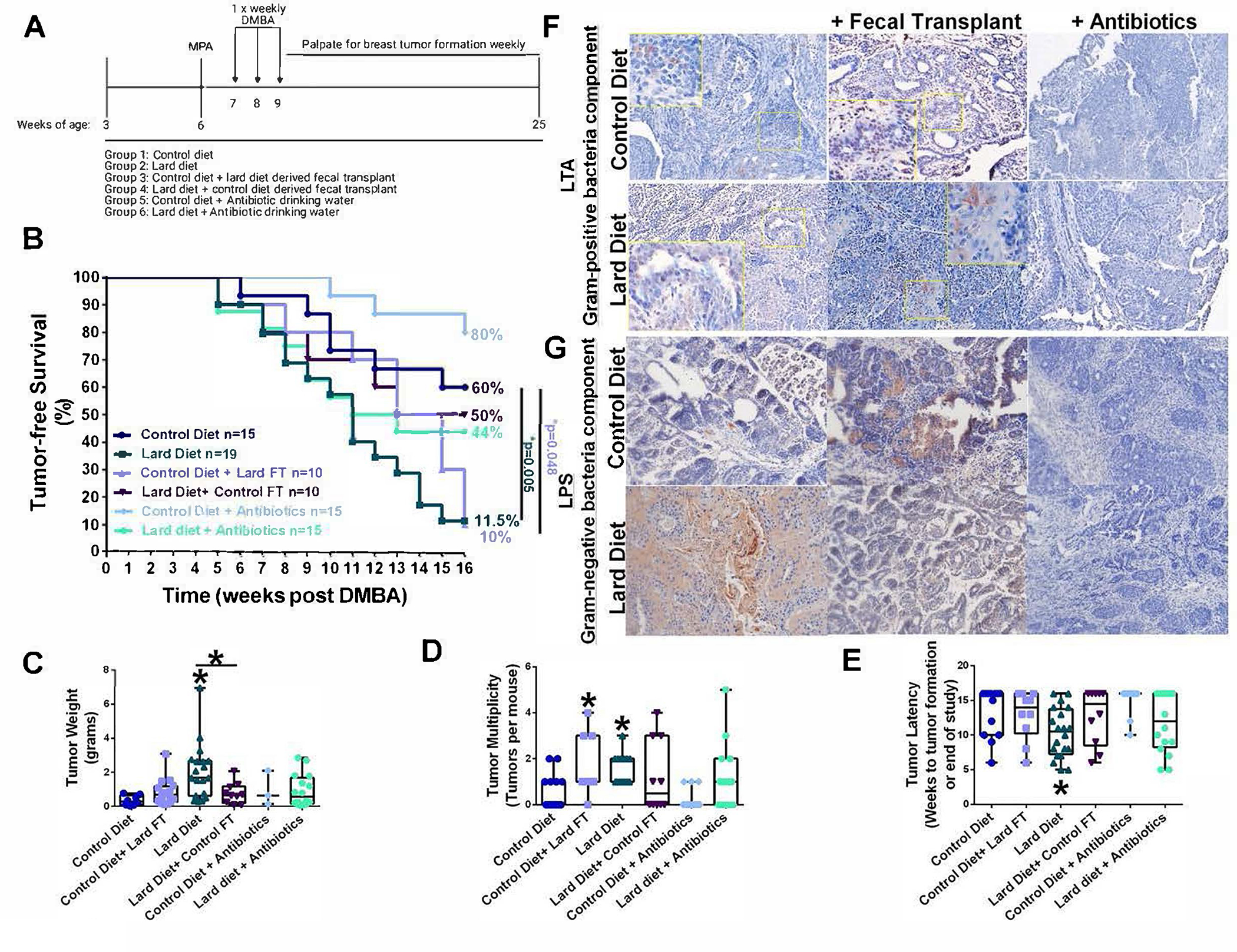
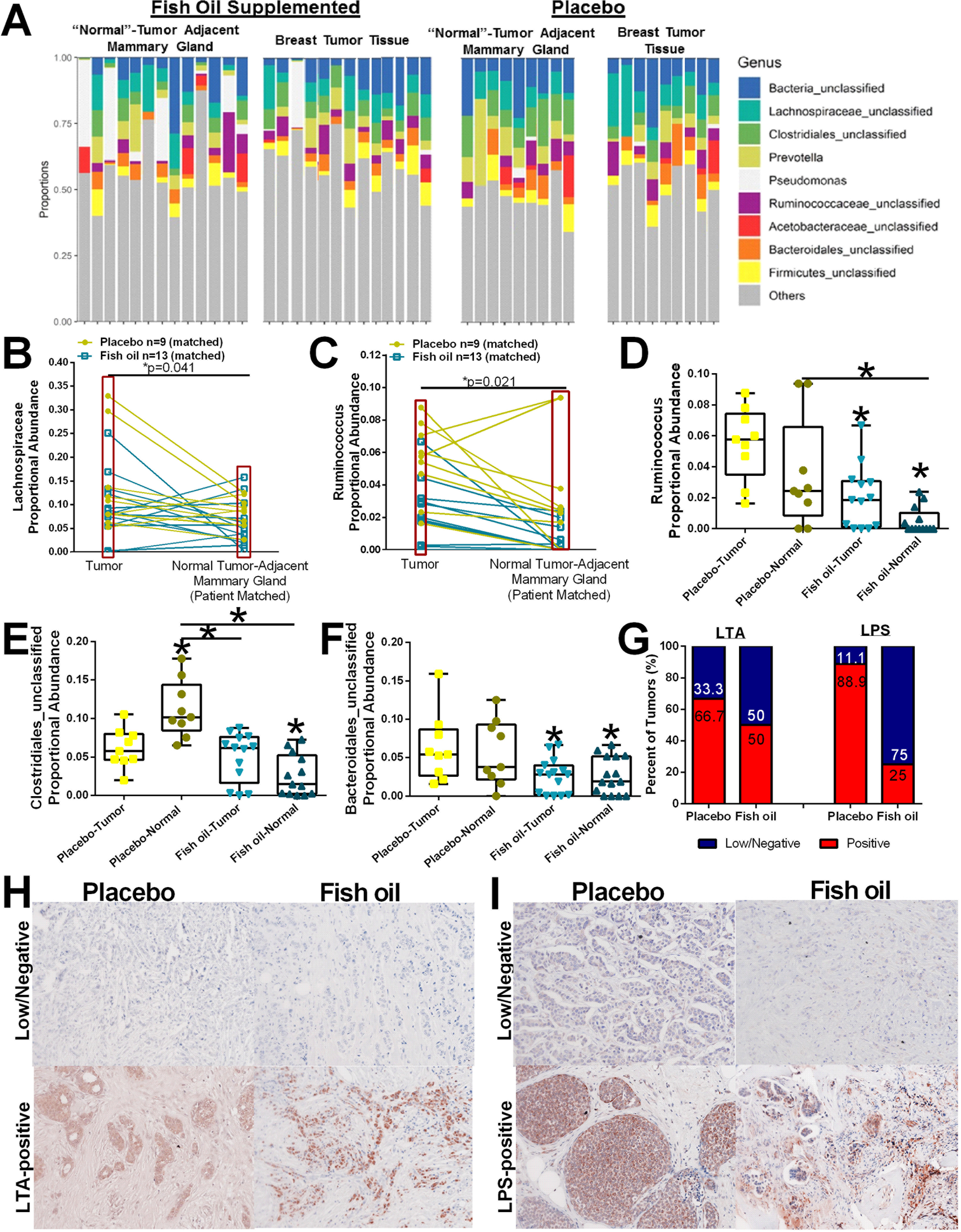
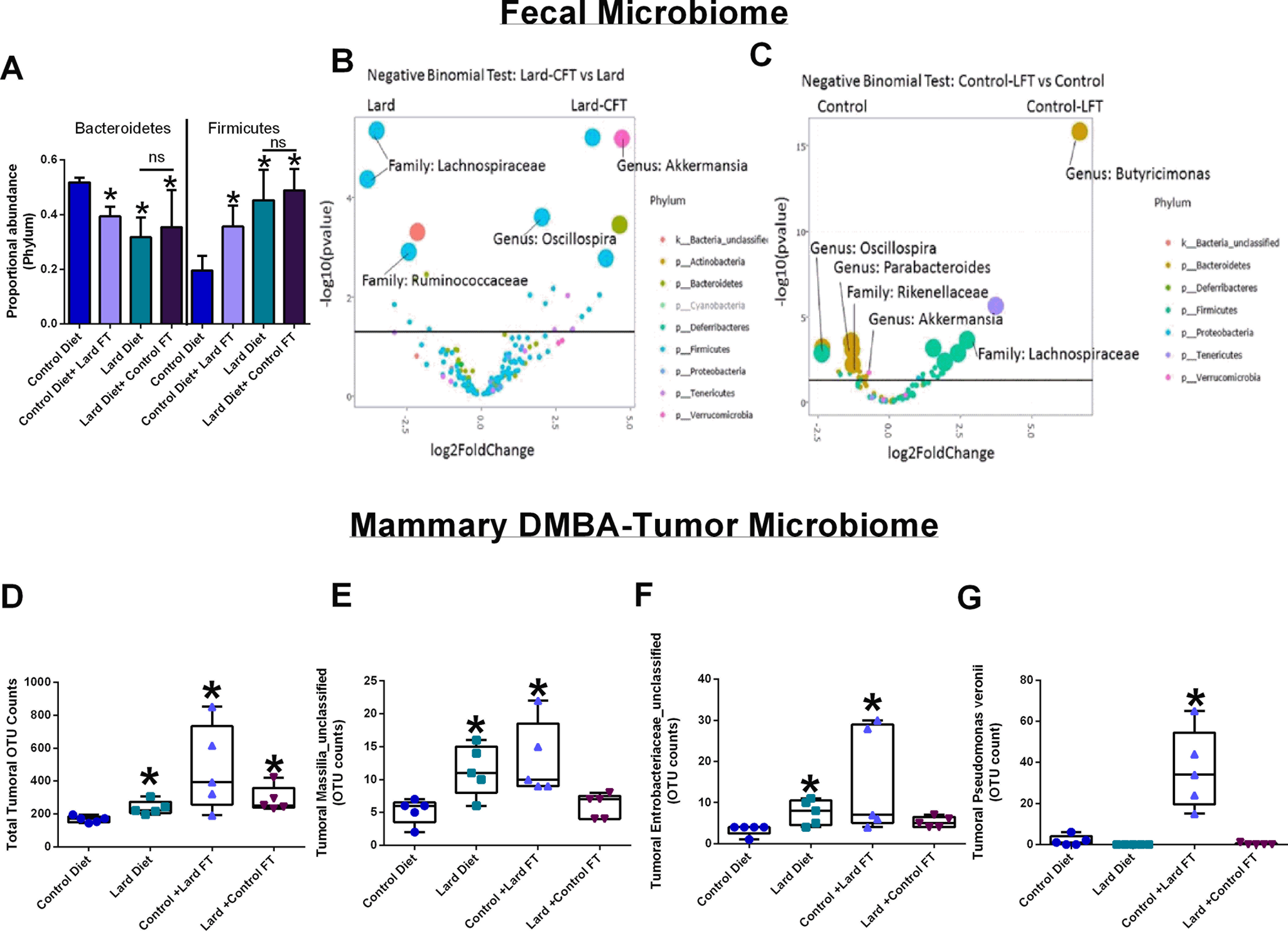
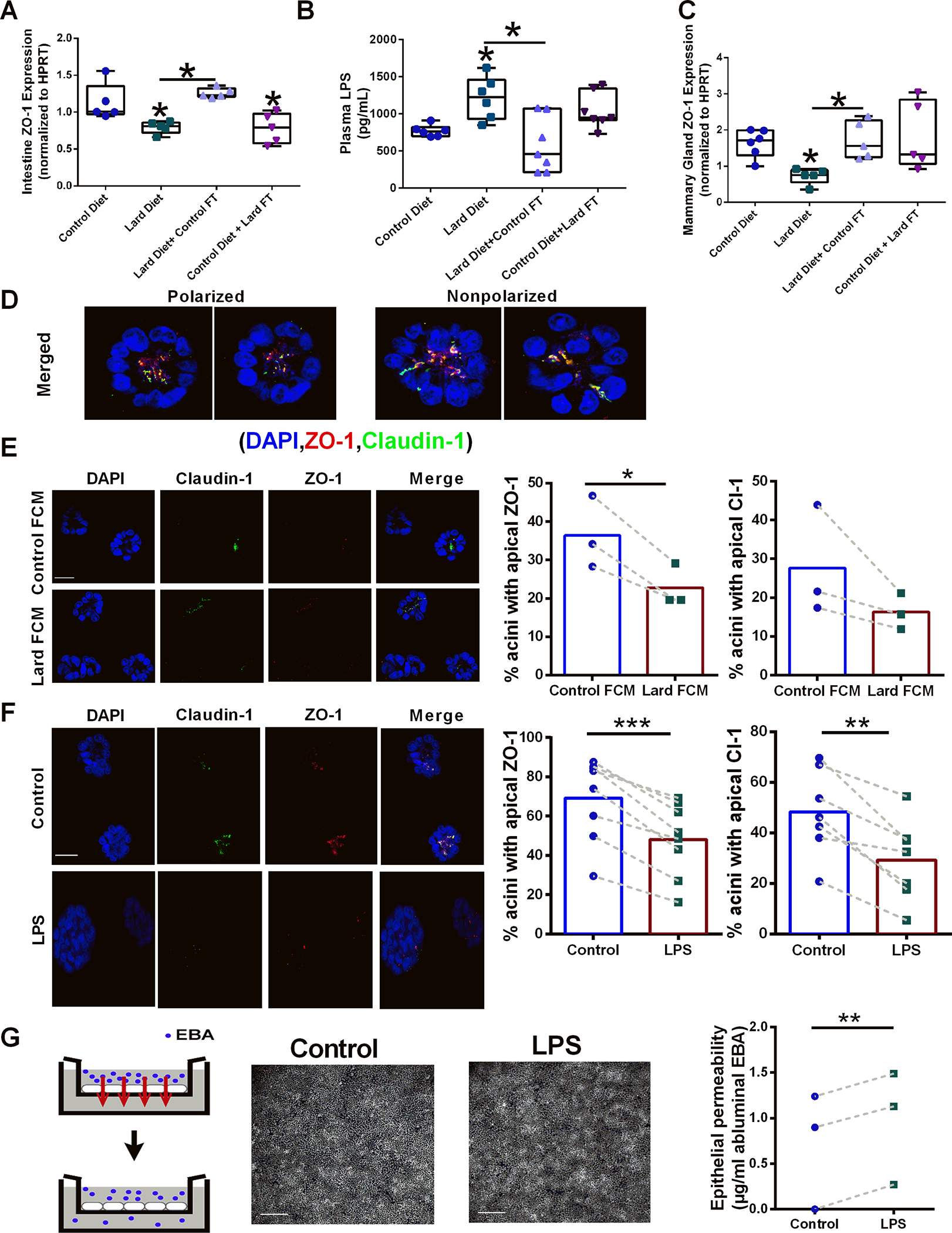
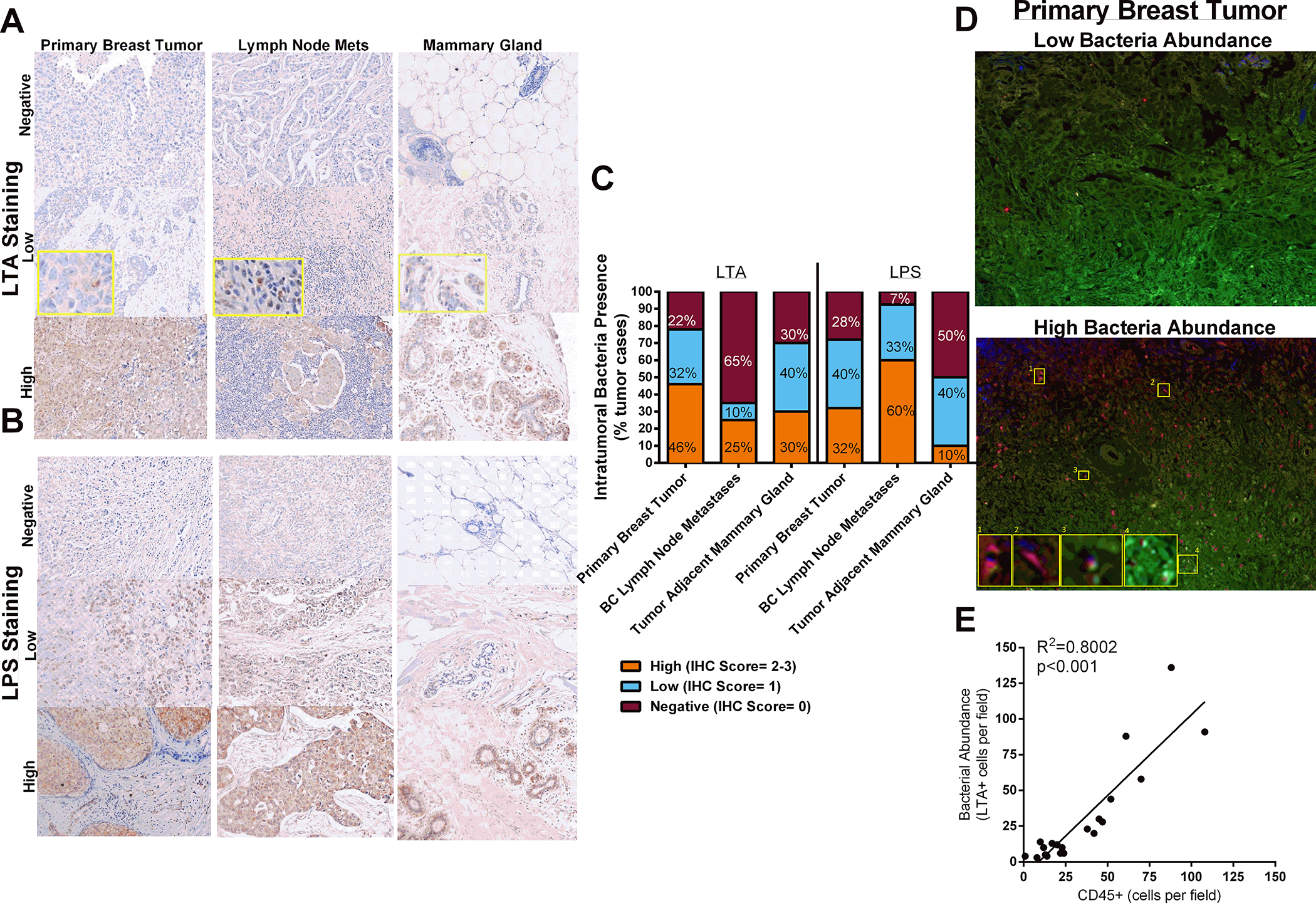
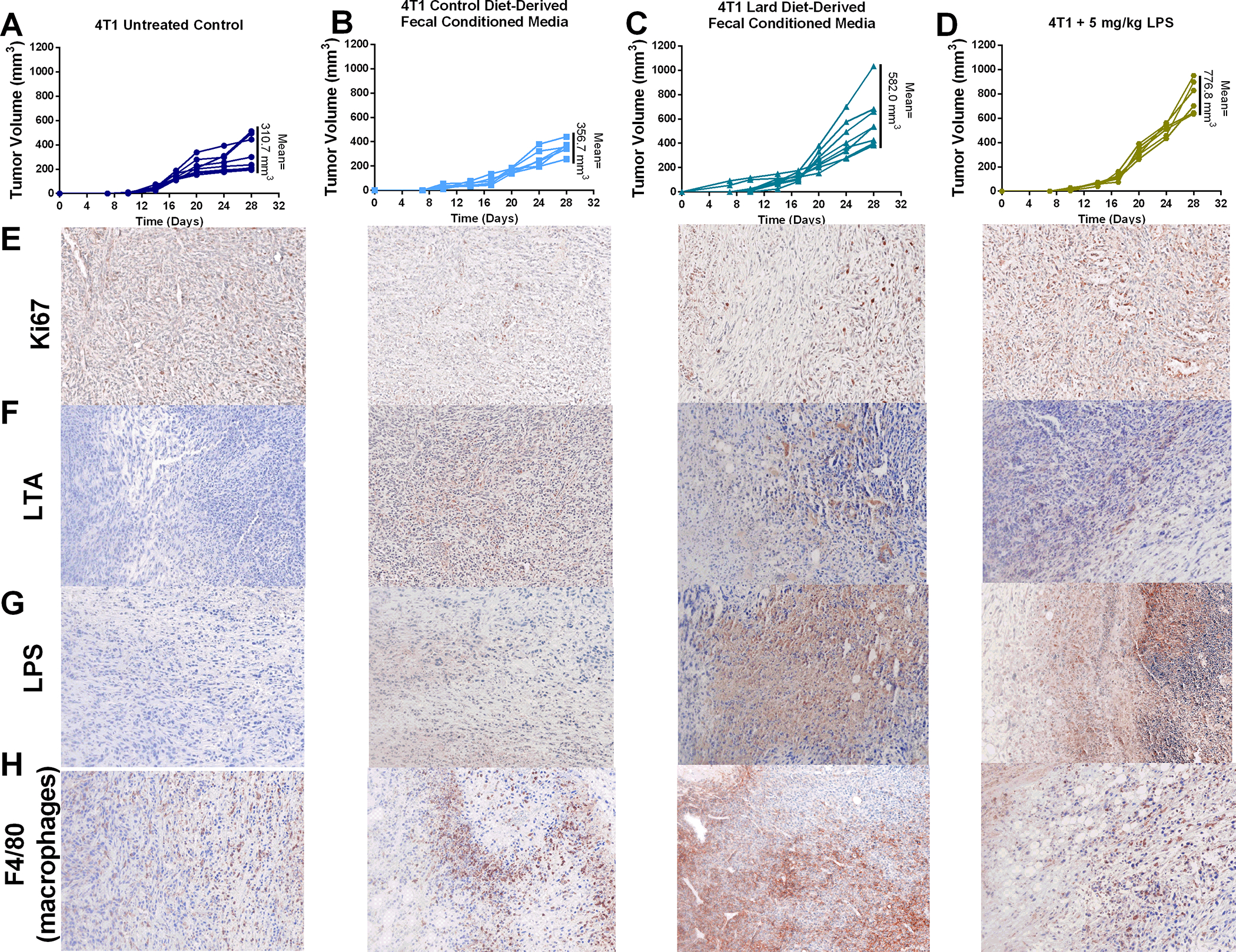
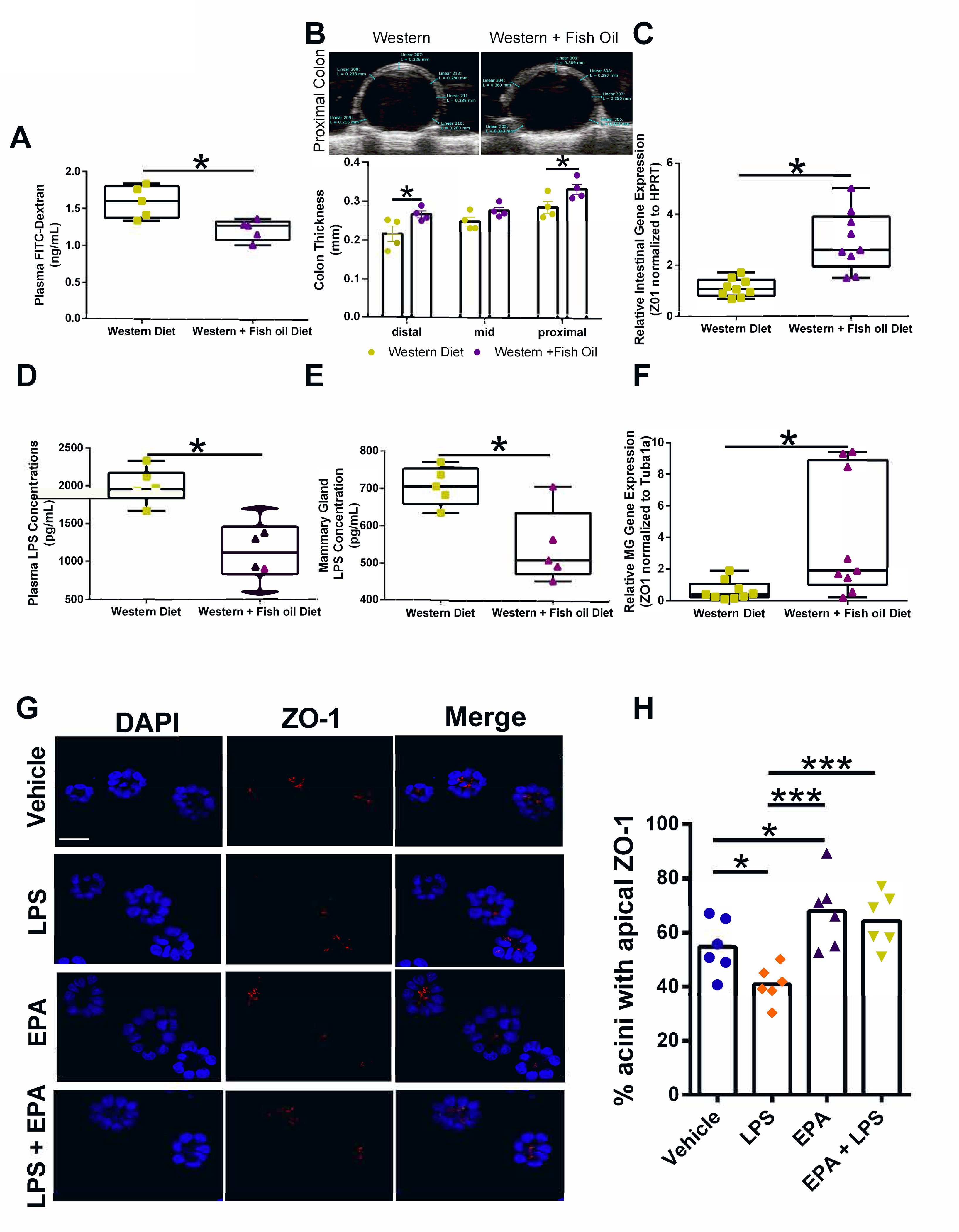
Obesity and poor diet often go hand-in-hand, altering metabolic signaling and thereby impacting breast cancer risk and outcomes. We have recently demonstrated that dietary patterns modulate mammary microbiota populations. An important and largely open question is whether the microbiome of the gut and mammary gland mediates the dietary effects on breast cancer. To address this, we performed fecal transplants between mice on control or high-fat diets (HFD) and recorded mammary tumor outcomes in a chemical carcinogenesis model. HFD induced protumorigenic effects, which could be mimicked in animals fed a control diet by transplanting HFD-derived microbiota. Fecal transplants altered both the gut and mammary tumor microbiota populations, suggesting a link between the gut and breast microbiomes. HFD increased serum levels of bacterial lipopolysaccharide (LPS), and control diet-derived fecal transplant reduced LPS bioavailability in HFD-fed animals. models of the normal breast epithelium showed that LPS disrupts tight junctions (TJ) and compromises epithelial permeability. In mice, HFD or fecal transplant from animals on HFD reduced expression of TJ-associated genes in the gut and mammary gland. Furthermore, infecting breast cancer cells with an HFD-derived microbiome increased proliferation, implicating tumor-associated bacteria in cancer signaling. In a double-blind placebo-controlled clinical trial of patients with breast cancer administered fish oil supplements before primary tumor resection, dietary intervention modulated the microbiota in tumors and normal breast tissue. This study demonstrates a link between the gut and breast that mediates the effect of diet on cancer. SIGNIFICANCE: This study demonstrates that diet shifts the microbiome in the gut and the breast tumor microenvironment to affect tumorigenesis, and oral dietary interventions can modulate the tumor microbiota in patients with breast cancer. GRAPHICAL ABSTRACT: http://cancerres.aacrjournals.org/content/canres/81/14/3890/F1.large.jpg.
肥胖和不良饮食常常相伴而生,改变代谢信号,从而影响乳腺癌的风险和结局。我们最近证明,饮食模式调节乳腺微生物群。一个重要的、尚未得到充分研究的问题是,肠道和乳腺的微生物群是否介导了饮食对乳腺癌的影响。为了解决这个问题,我们在接受对照或高脂肪饮食(HFD)的小鼠之间进行了粪便移植,并在化学致癌模型中记录了乳腺肿瘤的结果。HFD 诱导了促肿瘤效应,而在接受对照饮食的动物中通过移植 HFD 衍生的微生物群可以模拟这种效应。粪便移植改变了肠道和乳腺肿瘤微生物群的组成,这表明肠道和乳腺微生物群之间存在联系。HFD 增加了血清中细菌脂多糖(LPS)的水平,而源自对照饮食的粪便移植降低了 HFD 喂养动物中 LPS 的生物利用度。正常乳腺上皮细胞模型表明,LPS 破坏了紧密连接(TJ)并损害了上皮通透性。在小鼠中,HFD 或源自 HFD 动物的粪便移植降低了肠道和乳腺中与 TJ 相关的基因的表达。此外,用源自 HFD 的微生物组感染乳腺癌细胞会增加增殖,表明肿瘤相关细菌参与了癌症信号转导。在一项对接受原发性肿瘤切除术前给予鱼油补充剂的乳腺癌患者进行的双盲安慰剂对照临床试验中,饮食干预调节了肿瘤和正常乳腺组织中的微生物群。这项研究表明,肠道和乳腺之间存在联系,这种联系介导了饮食对癌症的影响。意义:这项研究表明,饮食改变了肠道和乳腺肿瘤微环境中的微生物群,从而影响肿瘤发生,口服饮食干预可以调节乳腺癌患者的肿瘤微生物群。