Kan Liugang, Guo Fangshen, Liu Yan, Pham Van Hieu, Guo Yuming, Wang Zhong
State Key Laboratory of Animal Nutrition, College of Animal Science and Technology, China Agricultural University, Beijing, China.
Front Microbiol. 2021 May 18;12:623739. doi: 10.3389/fmicb.2021.623739. eCollection 2021.
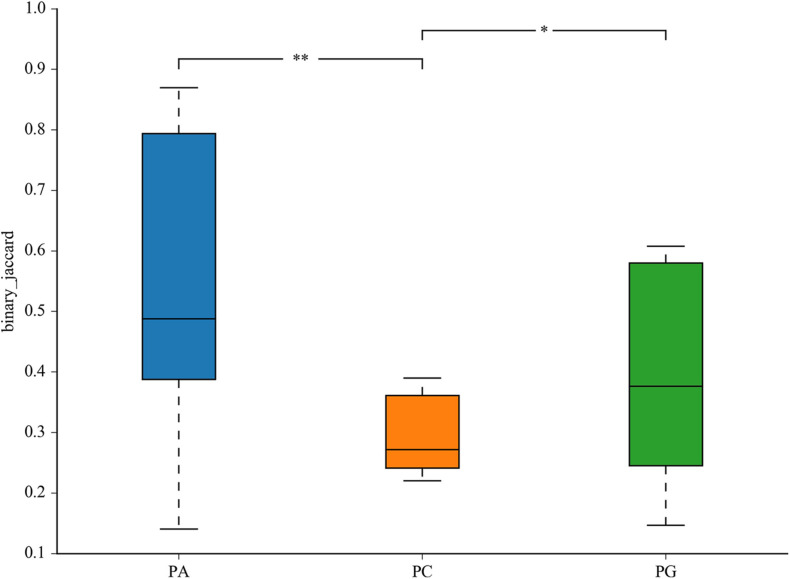
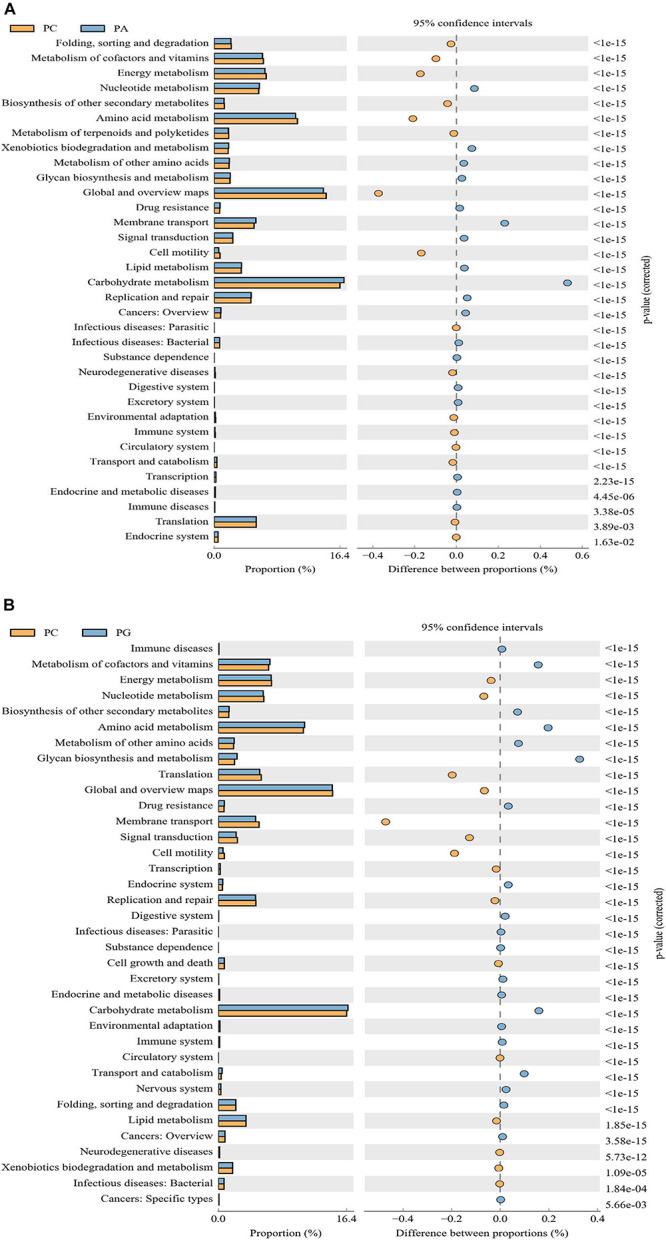
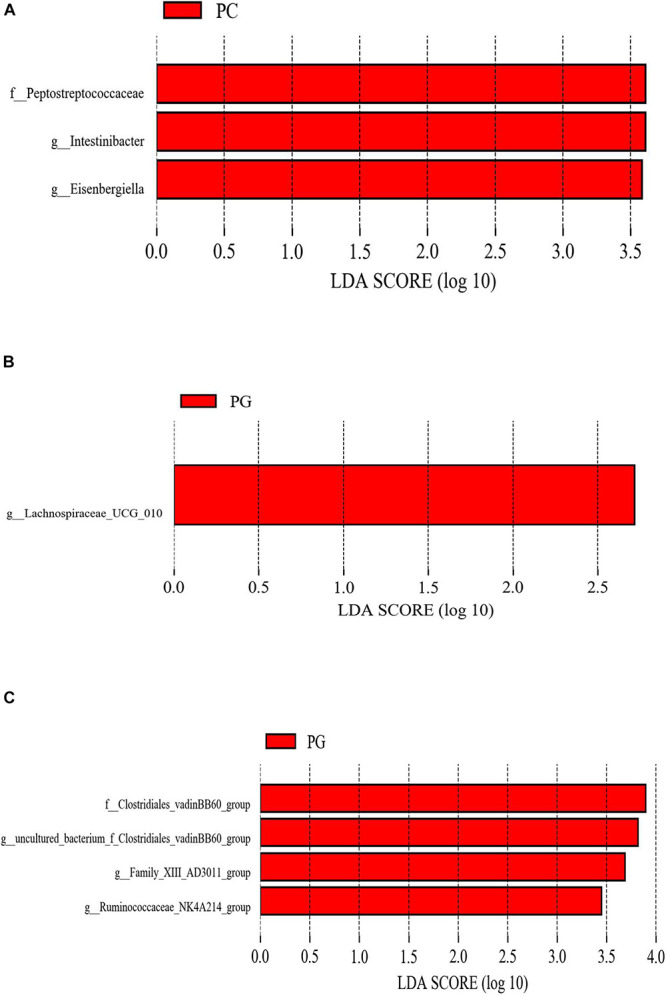
Necrotic enteritis infection poses a serious threat to poultry production, and there is an urgent need for searching effective antibiotic alternatives to control it with the global ban on in-feed antibiotics. This study was conducted to investigate the effects of dietary replacing enramycin on the growth performance and intestinal health of subclinical necrotic enteritis (SNE)-challenged broilers. In total, 504 1-day-old Arbor Acres male chickens were selected and subsequently assigned into three treatments, including PC (basal diet + SNE challenge), PA (basal diet extra 10 mg/kg enramycin + SNE challenge), and PG (basal diet extra 3.20 × 10 and 1.60 × 10 CFU per kg diet during 1-21 days and 22-42 days, respectively + SNE challenge). Results showed that significantly decreased the intestinal lesion scores and down-regulated the mRNA levels in jejunum of SNE-infected broilers on day 25, but increased the gene expression in broilers on day 42. In addition, significantly up-regulated the mRNA levels of and of SNE-challenged broilers compared with the control group on day 25 and , compared with the control and the antibiotic group on day 42. The mRNA expression of growth factors ( and ) and HSPs (, , and ) were up-regulated in supplementary group on days 25 and 42 compared with group PC. LEfSe analysis showed that the relative abundance of was enriched in the PG group; nevertheless, and were in PA. PICRUSt analysis found that the metabolism of cofactors and vitamins, amino acid metabolism, and carbohydrate metabolism pathways were enriched, whereas energy metabolism, membrane transport, cell motility, and lipid metabolism were suppressed in -supplemented groups as compared with the PC control. In conclusion, dietary supplementation of alleviated the intestinal damage caused by SNE challenge that coincided with modulating intestinal microflora structure and barrier function as well as regulating intestinal mucosal immune responses.
坏死性肠炎感染对家禽生产构成严重威胁,随着全球禁止在饲料中添加抗生素,迫切需要寻找有效的抗生素替代品来控制它。本研究旨在探讨日粮中用凝结芽孢杆菌替代恩拉霉素对亚临床坏死性肠炎(SNE)攻毒肉鸡生长性能和肠道健康的影响。总共选取504只1日龄的艾维茵雄性鸡,随后将其分为三个处理组,包括PC组(基础日粮+SNE攻毒)、PA组(基础日粮额外添加10 mg/kg恩拉霉素+SNE攻毒)和PG组(在1至21天和22至42天期间,日粮分别额外添加3.20×10⁸和1.60×10⁸ CFU/kg凝结芽孢杆菌+SNE攻毒)。结果表明,PG组在第25天显著降低了SNE感染肉鸡的肠道病变评分,并下调了空肠中TLR4的mRNA水平,但在第42天增加了肉鸡中Occludin的基因表达。此外,与对照组相比,PG组在第25天显著上调了SNE攻毒肉鸡的ZO-1和Occludin的mRNA水平,在第42天,与对照组和抗生素组相比也上调了。与PC组相比,在第25天和第42天,凝结芽孢杆菌补充组中生长因子(IGF-1和EGF)和热休克蛋白(HSP27、HSP60和HSP90)的mRNA表达上调。LEfSe分析表明,PG组中Parabacteroides的相对丰度增加;然而,PA组中为Allobaculum和Turicibacter。PICRUSt分析发现,与PC对照组相比,凝结芽孢杆菌补充组中辅因子和维生素代谢、氨基酸代谢和碳水化合物代谢途径富集,而能量代谢、膜转运、细胞运动和脂质代谢受到抑制。总之,日粮添加凝结芽孢杆菌减轻了SNE攻毒引起的肠道损伤,这与调节肠道微生物群结构和屏障功能以及调节肠道黏膜免疫反应相一致。