Department of Microbiology and Immunology, Loyola University Chicago, Maywood, IL, USA.
Department of Biological Sciences, University of Illinois at Chicago, Chicago, IL, USA.
Nat Rev Microbiol. 2021 Oct;19(10):654-665. doi: 10.1038/s41579-021-00557-0. Epub 2021 Jun 4.
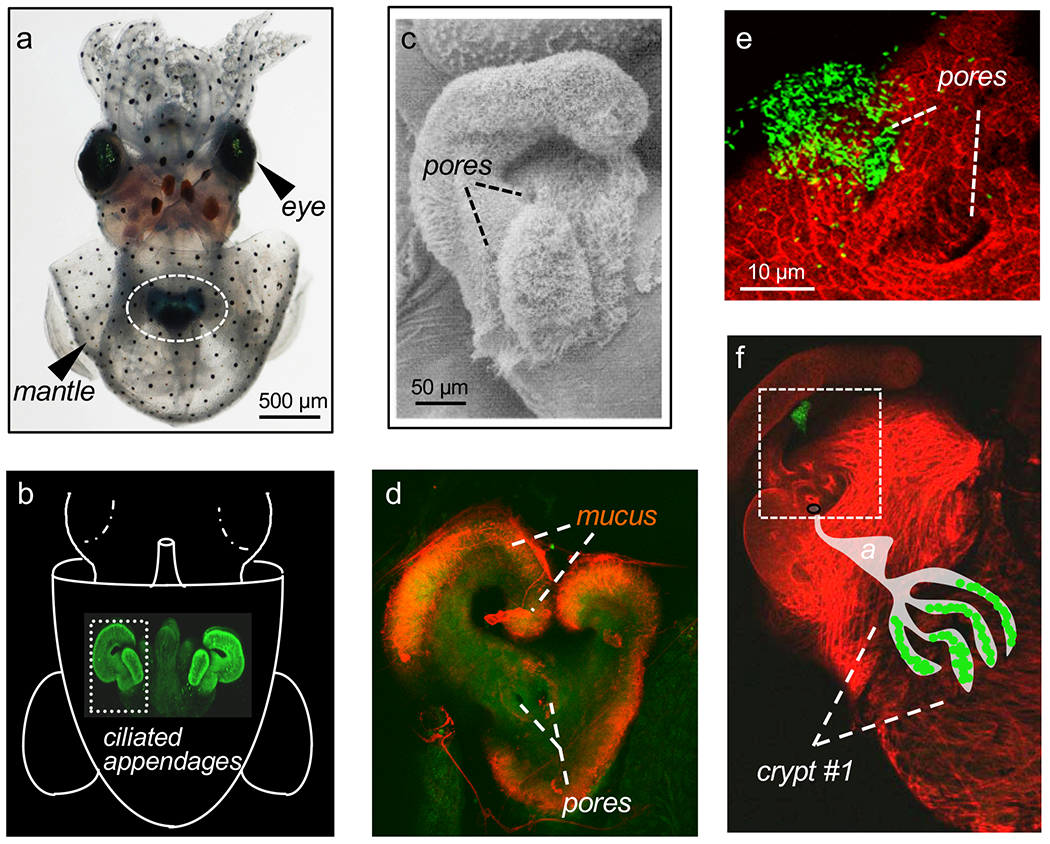
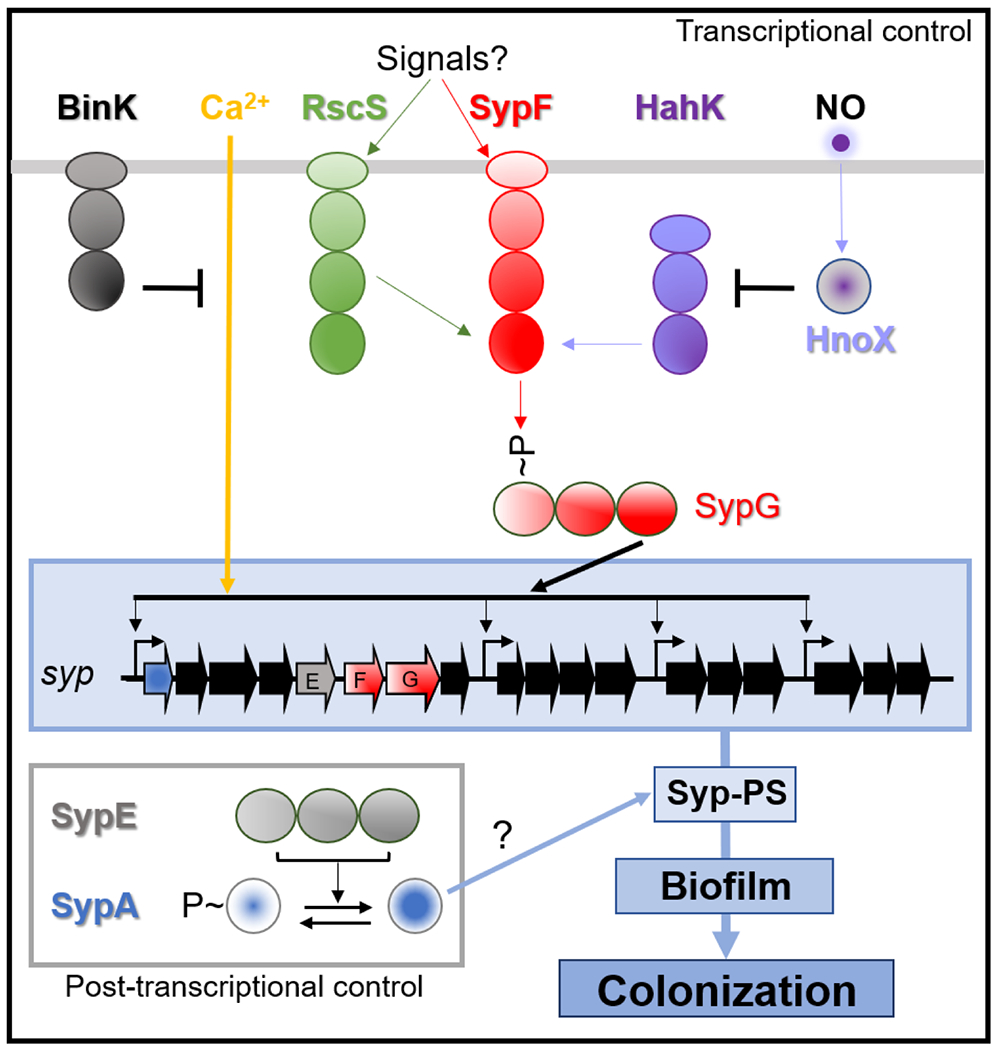
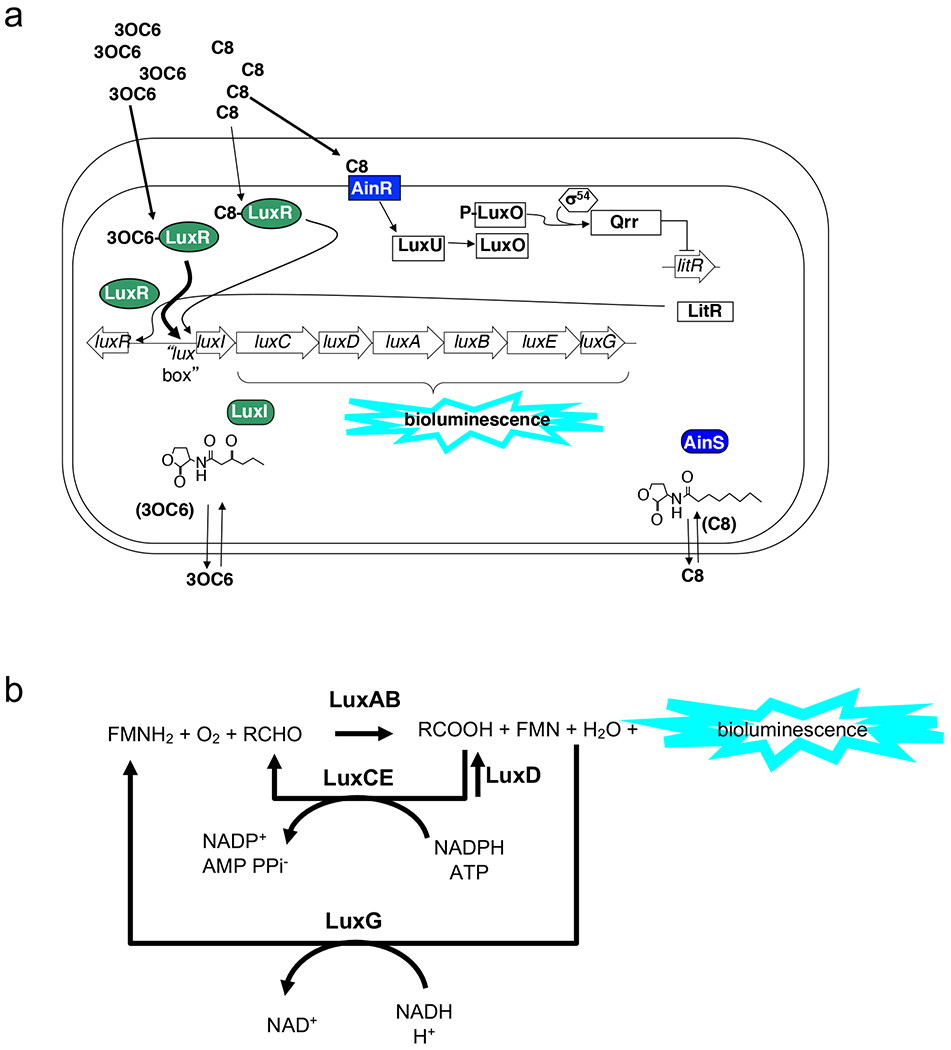
As our understanding of the human microbiome progresses, so does the need for natural experimental animal models that promote a mechanistic understanding of beneficial microorganism-host interactions. Years of research into the exclusive symbiosis between the Hawaiian bobtail squid, Euprymna scolopes, and the bioluminescent bacterium Vibrio fischeri have permitted a detailed understanding of those bacterial genes underlying signal exchange and rhythmic activities that result in a persistent, beneficial association, as well as glimpses into the evolution of symbiotic competence. Migrating from the ambient seawater to regions deep inside the light-emitting organ of the squid, V. fischeri experiences, recognizes and adjusts to the changing environmental conditions. Here, we review key advances over the past 15 years that are deepening our understanding of these events.
随着我们对人类微生物组的了解不断深入,我们也越来越需要自然实验动物模型,以促进对有益微生物与宿主相互作用的机制理解。多年来,对夏威夷短尾乌贼(Euprymna scolopes)与发光细菌费氏弧菌(Vibrio fischeri)之间独特共生关系的研究,使我们详细了解了那些导致信号交换和节律活动的细菌基因,这些活动促成了持久的、有益的关联,也让我们对共生能力的进化有了一些了解。费氏弧菌从周围海水中迁移到鱿鱼发光器官内部的深处,经历、识别并适应不断变化的环境条件。在这里,我们回顾了过去 15 年来的重要进展,这些进展加深了我们对这些事件的理解。