Department of Health Care Surveillance and Bioethics, Section of Legal Medicine, Università Cattolica del Sacro Cuore, Rome, Italy; Fondazione Policlinico Universitario A. Gemelli IRCCS, Rome, Italy.
Department of Health Care Surveillance and Bioethics, Section of Legal Medicine, Università Cattolica del Sacro Cuore, Rome, Italy; Fondazione Policlinico Universitario A. Gemelli IRCCS, Rome, Italy.
Forensic Sci Int. 2021 Aug;325:110851. doi: 10.1016/j.forsciint.2021.110851. Epub 2021 May 27.
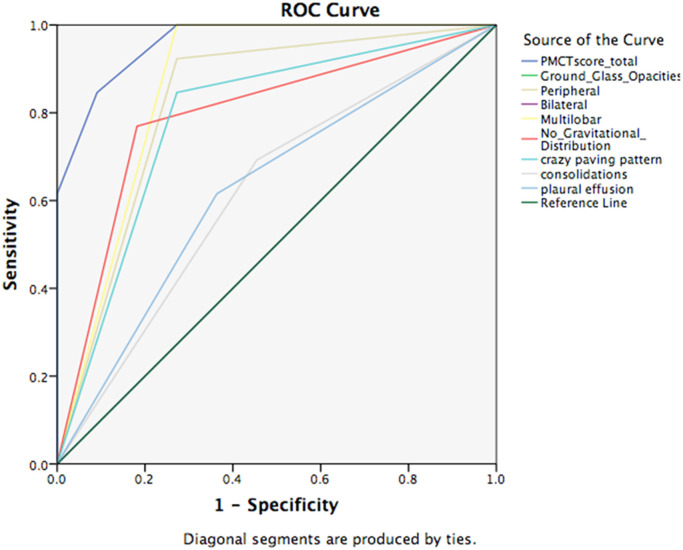
COVID-19 is an extremely challenging disease, both from a clinical and forensic point of view, and performing autopsies of COVID-19 deceased requires adequately equipped sectorial rooms and exposes health professionals to the risk of contagion. Among one of the categories that are most affected by SARS-Cov-2 infection are the elderly residents. Despite the need for prompt diagnoses, which are essential to implement all isolation measures necessary to contain the infection spread, deceased subjects in long-term care facilities are still are often diagnosed post-mortem. In this context, our study focuses on the use of post-mortem computed tomography for the diagnosis of COVID-19 infection, in conjunction with post-mortem swabs. The aim of this study was to assess the usefulness of post-mortem whole CT-scanning in identifying COVID-19 pneumonia as a cause of death, by comparing chest CT-findings of confirmed COVID-19 fatalities to control cases.
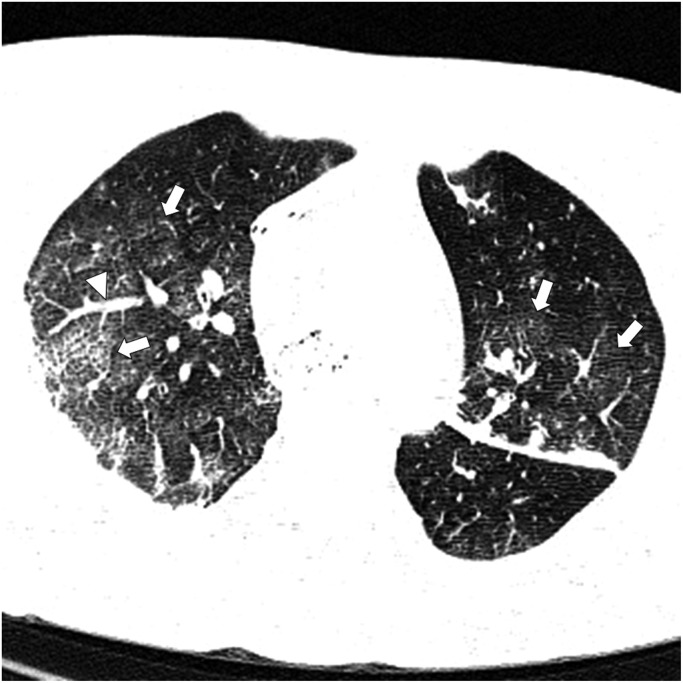
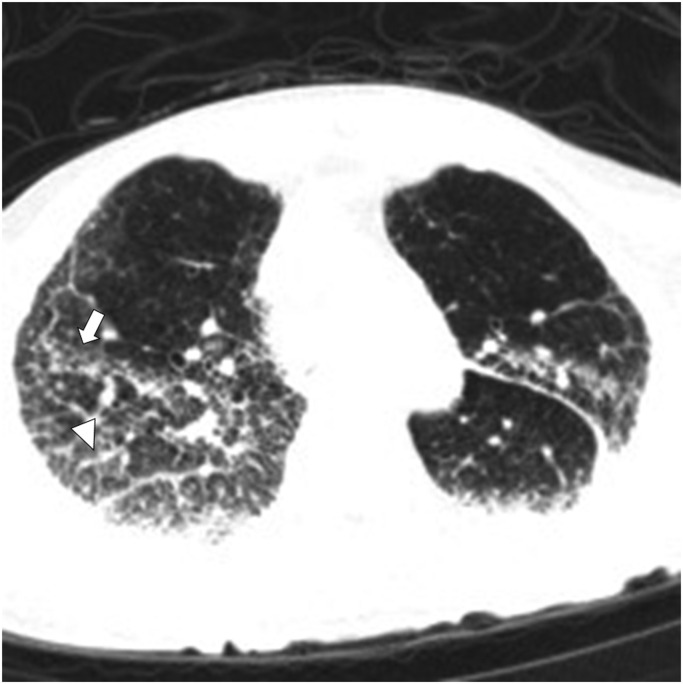
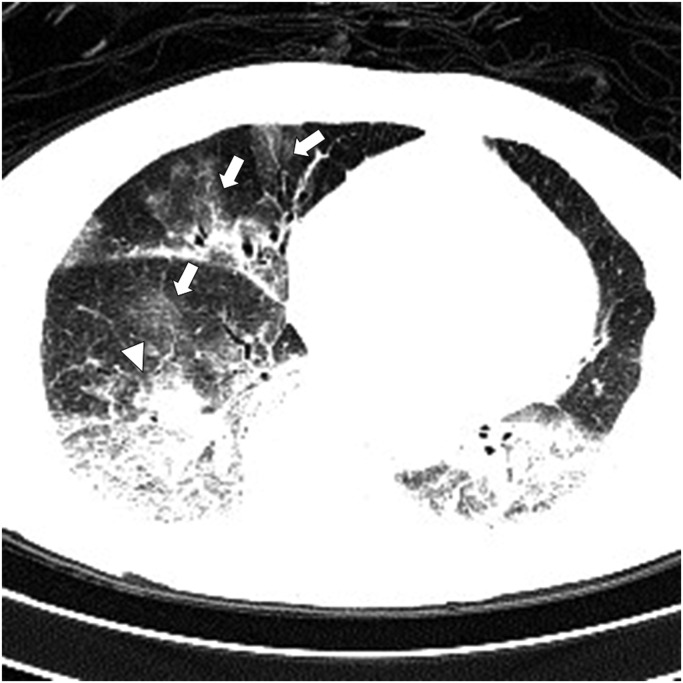
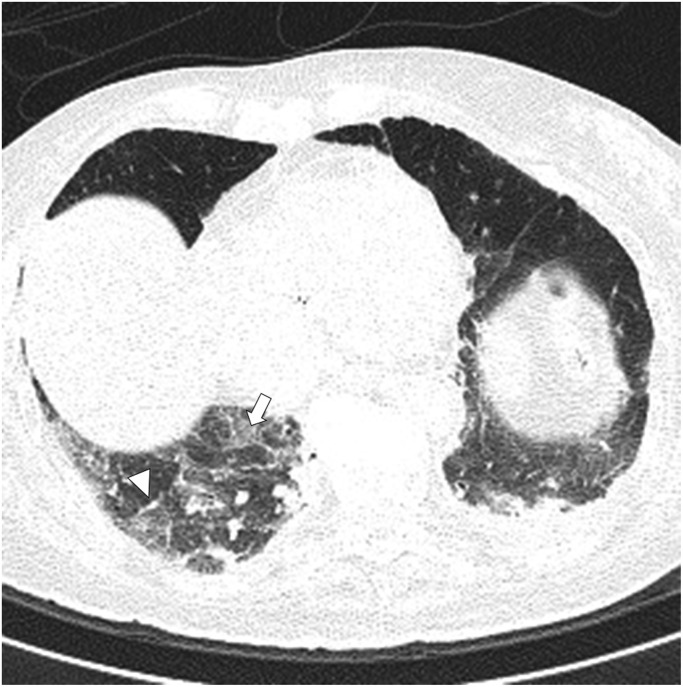
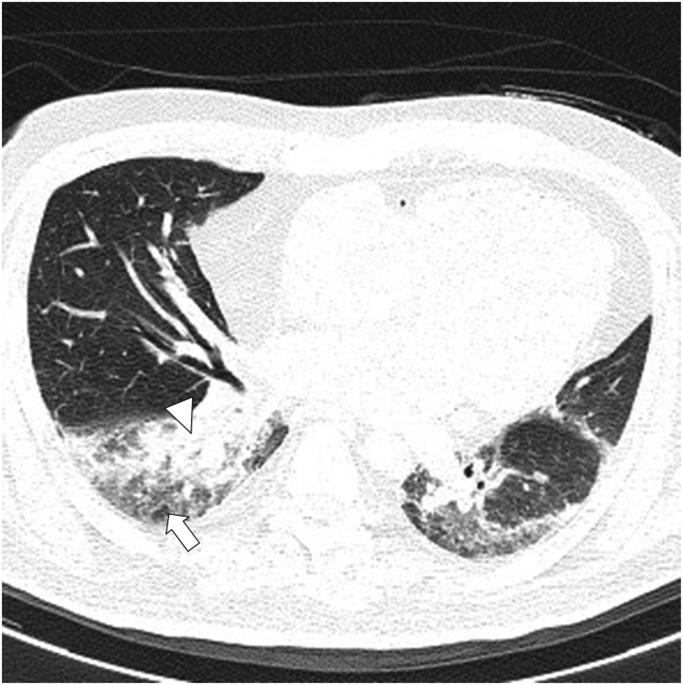
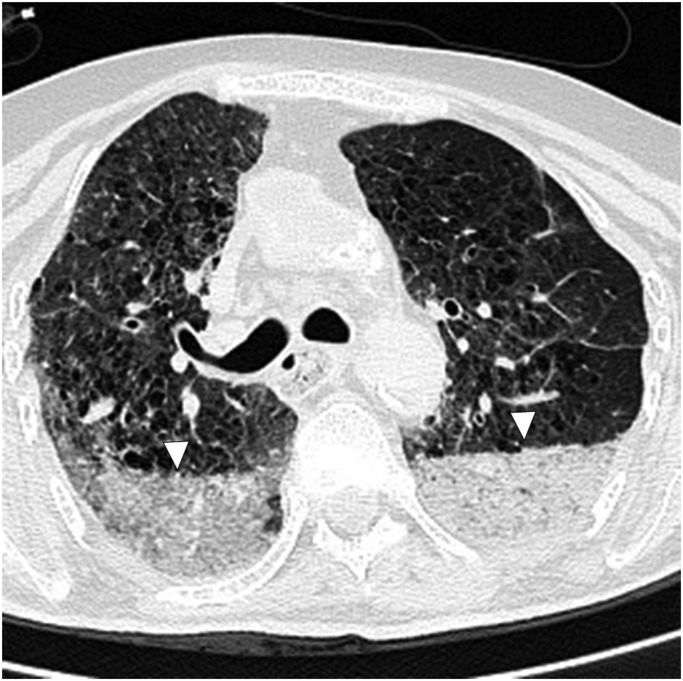
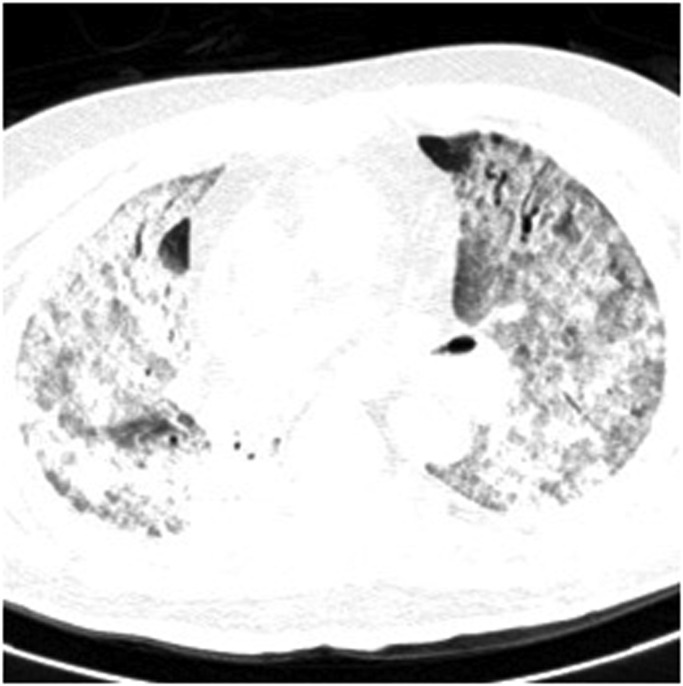
The study included 24 deceased subjects: 13 subjects coming from long-term care facility and 11 subjects died at home. Whole body CT scans were performed within 48 h from death in all subjects to evaluate the presence and distribution of pulmonary abnormalities typical of COVID-19-pneumonia, including: ground-glass opacities (GGO), consolidation, and pleural effusion to confirm the post-mortem diagnosis.
Whole-body CT scans was feasible and allowed a complete diagnosis in all subjects. In 9 (69%) of the 13 cases from long-term care facility the cause of death was severe COVID 19 pneumonia, while GGO were present in 100% of the study population.
In the context of rapidly escalating COVID-19 outbreaks, given that laboratory tests for the novel coronavirus is time-consuming and can be falsely negative, the post-mortem CT can be considered as a reliable and safe modality to confirm COVID-19 pneumonia. This is especially true for specific postmortem chest CT-findings that are rather characteristic of COVID-19 fatalities.
COVID-19 是一种极具挑战性的疾病,无论是从临床还是法医角度来看,对 COVID-19 死者进行尸检都需要配备适当的专业房间,这使卫生专业人员面临感染风险。在受 SARS-CoV-2 感染影响最大的人群中,有一类是老年人。尽管需要及时诊断,这对于实施所有必要的隔离措施以遏制感染传播至关重要,但长期护理机构中的死者通常仍在死后进行诊断。在这种情况下,我们的研究侧重于使用死后计算机断层扫描 (CT) 结合死后拭子来诊断 COVID-19 感染。本研究的目的是通过比较确诊 COVID-19 死亡病例和对照病例的胸部 CT 发现,评估死后全身 CT 扫描在识别 COVID-19 肺炎作为死亡原因方面的有效性。
该研究纳入了 24 例死亡患者:13 例来自长期护理机构,11 例在家中死亡。所有患者在死亡后 48 小时内进行全身 CT 扫描,以评估是否存在和分布具有 COVID-19 肺炎特征的肺部异常,包括磨玻璃影 (GGO)、实变和胸腔积液,以确认死后诊断。
全身 CT 扫描可行,并允许对所有患者进行完整诊断。在来自长期护理机构的 13 例病例中,有 9 例(69%)的死因是严重 COVID-19 肺炎,而 GGO 在研究人群中 100%存在。
在 COVID-19 疫情迅速升级的情况下,鉴于新型冠状病毒的实验室检测耗时且可能出现假阴性,死后 CT 可被视为一种可靠且安全的方法,用于确认 COVID-19 肺炎。对于 COVID-19 死亡病例具有典型特征的特定死后胸部 CT 发现尤其如此。