Abuin Pablo, Anderson Alejandro, Ferramosca Antonio, Hernandez-Vargas Esteban A, Gonzalez Alejandro H
Institute of Technological Development for the Chemical Industry (INTEC), CONICET-UNL, Santa Fe, Argentina.
Department of Management, Information and Production Engineering, University of Bergamo, Via Marconi 5, 24044, Dalmine (BG), Italy.
Annu Rev Control. 2021;52:587-601. doi: 10.1016/j.arcontrol.2021.05.001. Epub 2021 May 28.
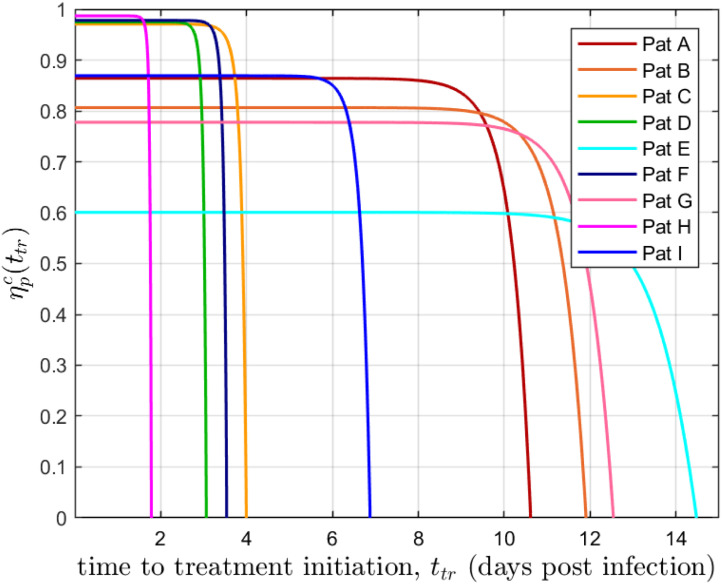
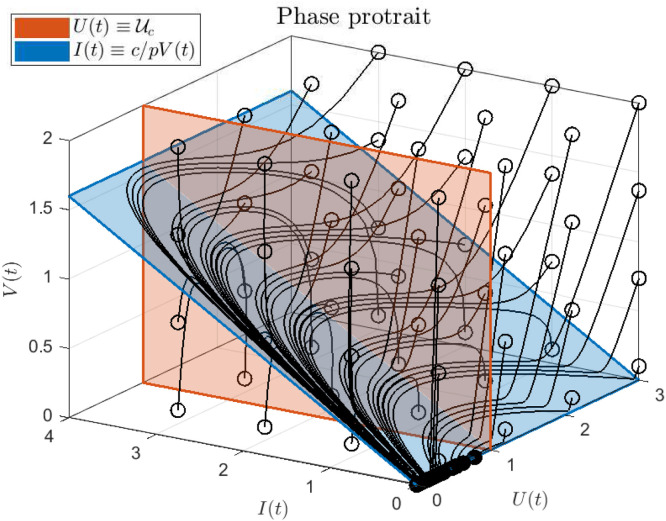
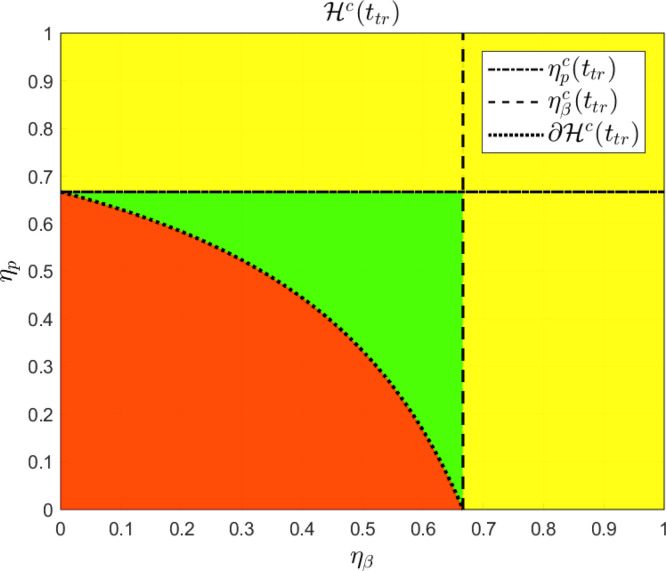
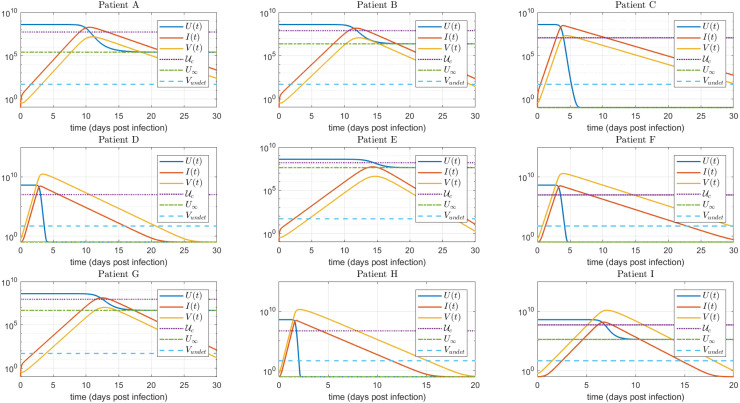
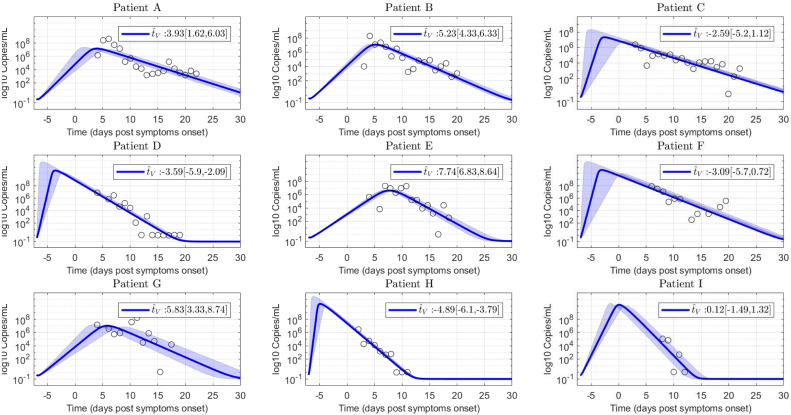
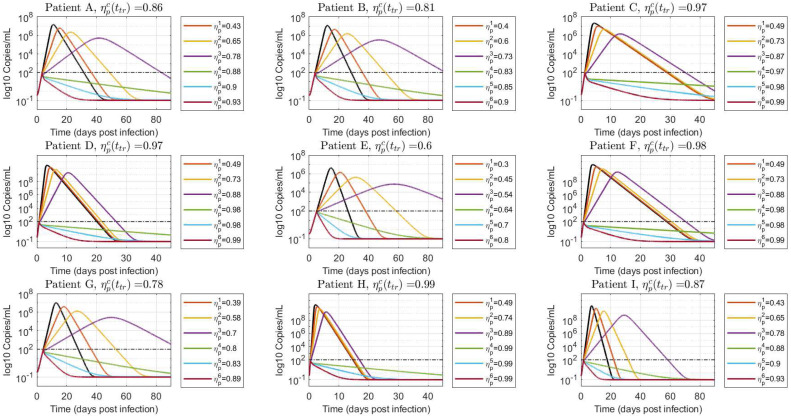
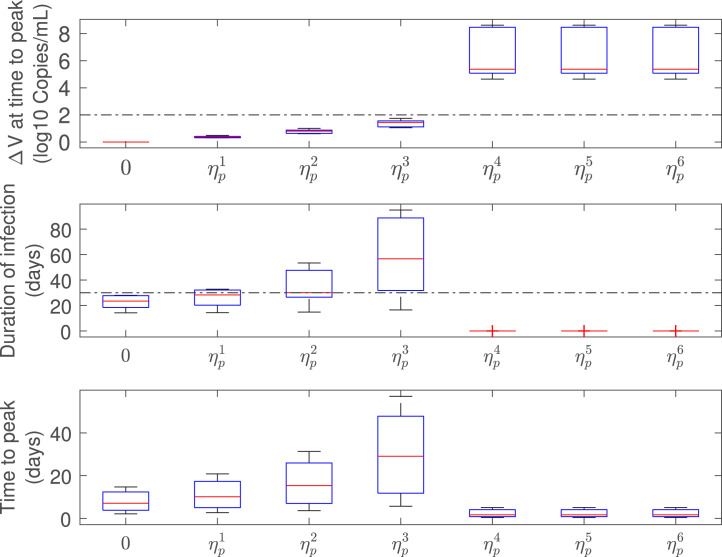
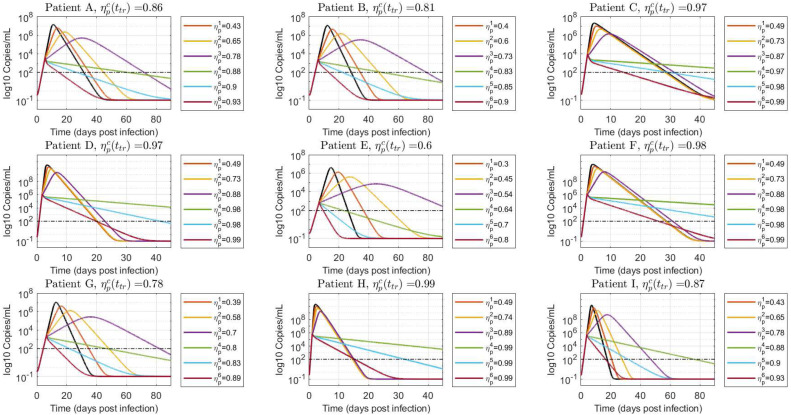
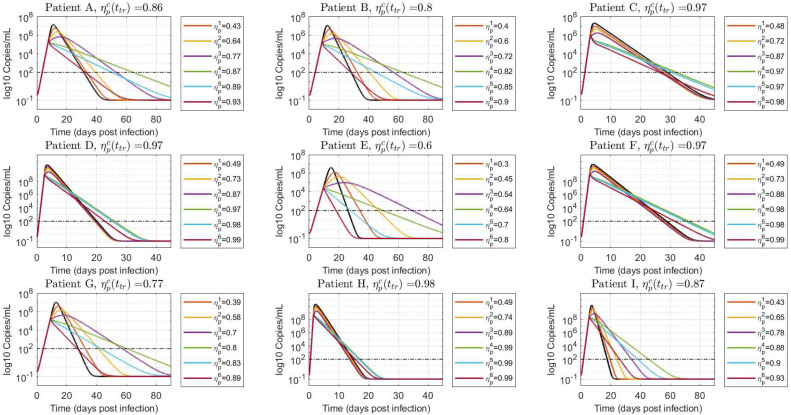
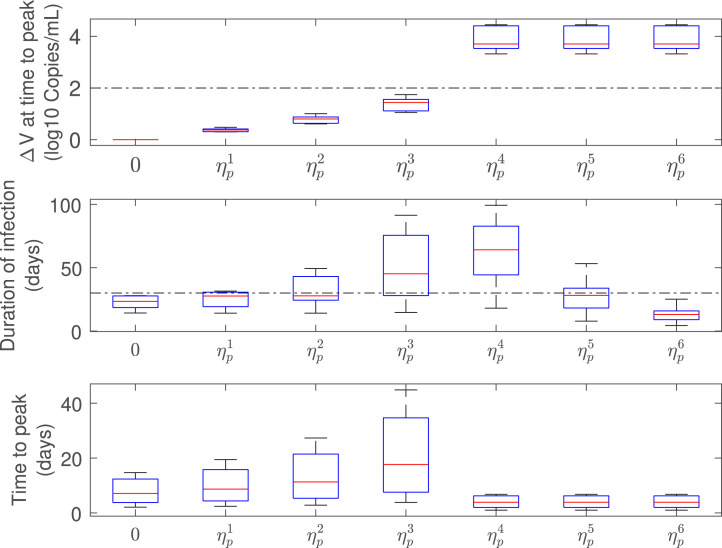
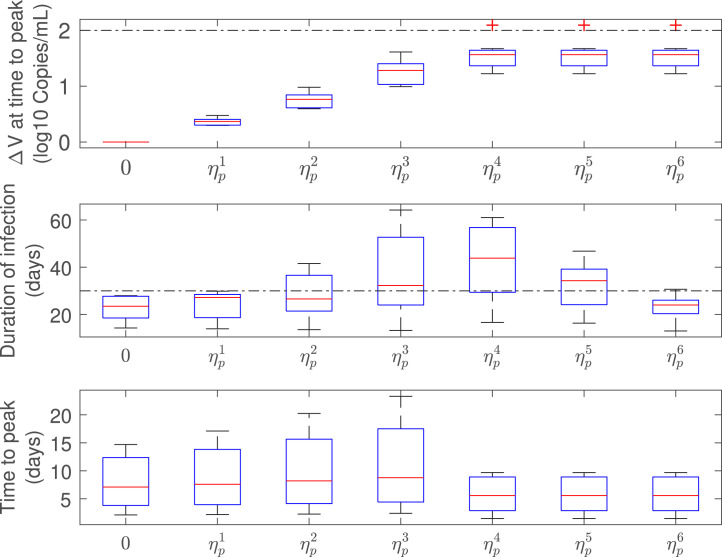
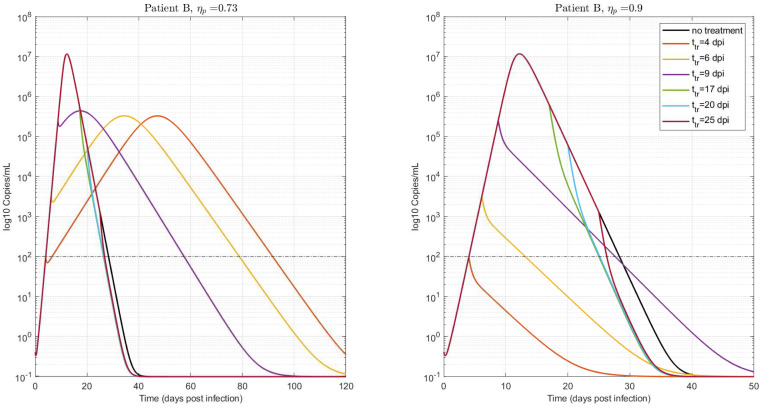
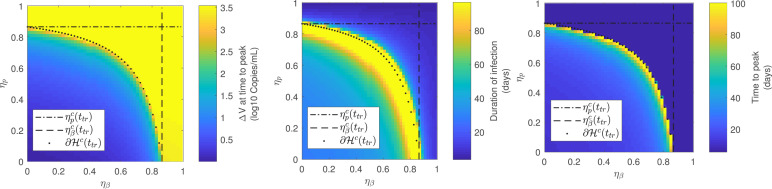
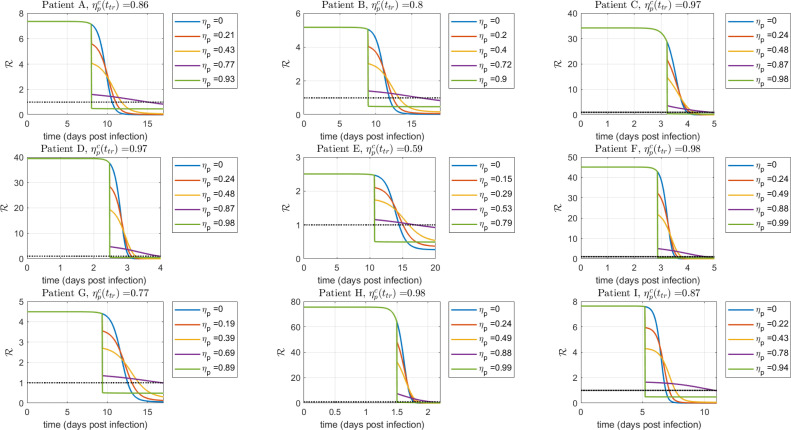
Mathematical models describing SARS-CoV-2 dynamics and the corresponding immune responses in patients with COVID-19 can be critical to evaluate possible clinical outcomes of antiviral treatments. In this work, based on the concept of virus spreadability in the host, antiviral effectiveness thresholds are determined to establish whether or not a treatment will be able to clear the infection. In addition, the virus dynamic in the host - including the time-to-peak and the final monotonically decreasing behavior - is characterized as a function of the time to treatment initiation. Simulation results, based on nine patient data, show the potential clinical benefits of a treatment classification according to patient critical parameters. This study is aimed at paving the way for the different antivirals being developed to tackle SARS-CoV-2.
描述2019冠状病毒病(COVID-19)患者中严重急性呼吸综合征冠状病毒2(SARS-CoV-2)动态变化及相应免疫反应的数学模型,对于评估抗病毒治疗的可能临床结果至关重要。在这项工作中,基于病毒在宿主体内的传播能力概念,确定抗病毒有效性阈值,以确定一种治疗方法是否能够清除感染。此外,宿主内的病毒动态变化——包括达到峰值的时间和最终单调下降的行为——被表征为开始治疗时间的函数。基于9例患者数据的模拟结果显示了根据患者关键参数进行治疗分类的潜在临床益处。本研究旨在为正在研发的不同抗SARS-CoV-2病毒药物铺平道路。