UCD-Centre for Food Safety, UCD School of Public Health, Physiotherapy and Sports Science, University College Dublin, Dublin, Ireland.
Institute for Food Safety and Hygiene, University of Zurich, Zurich, Switzerland.
mBio. 2021 Jun 29;12(3):e0086721. doi: 10.1128/mBio.00867-21. Epub 2021 Jun 8.
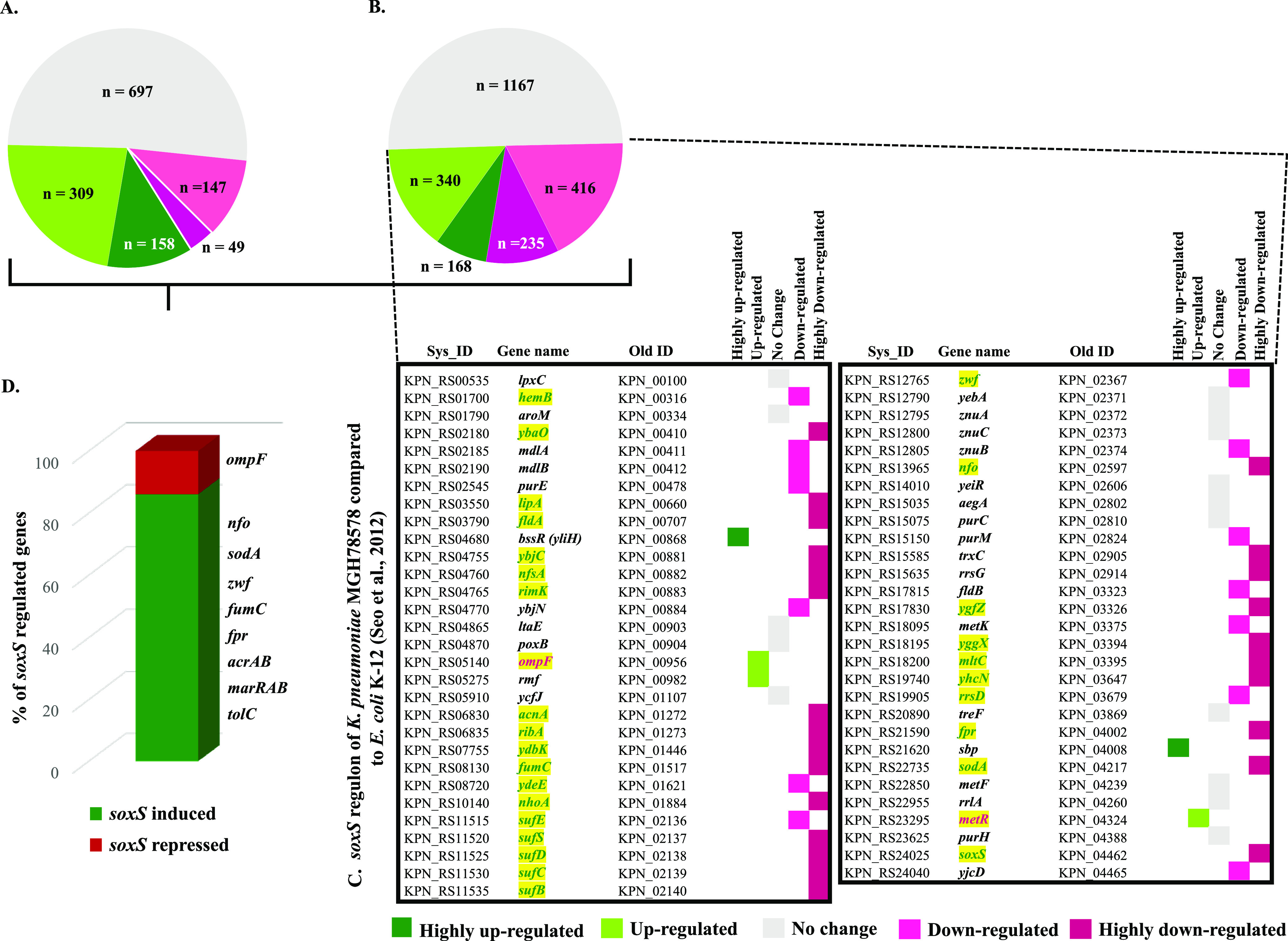
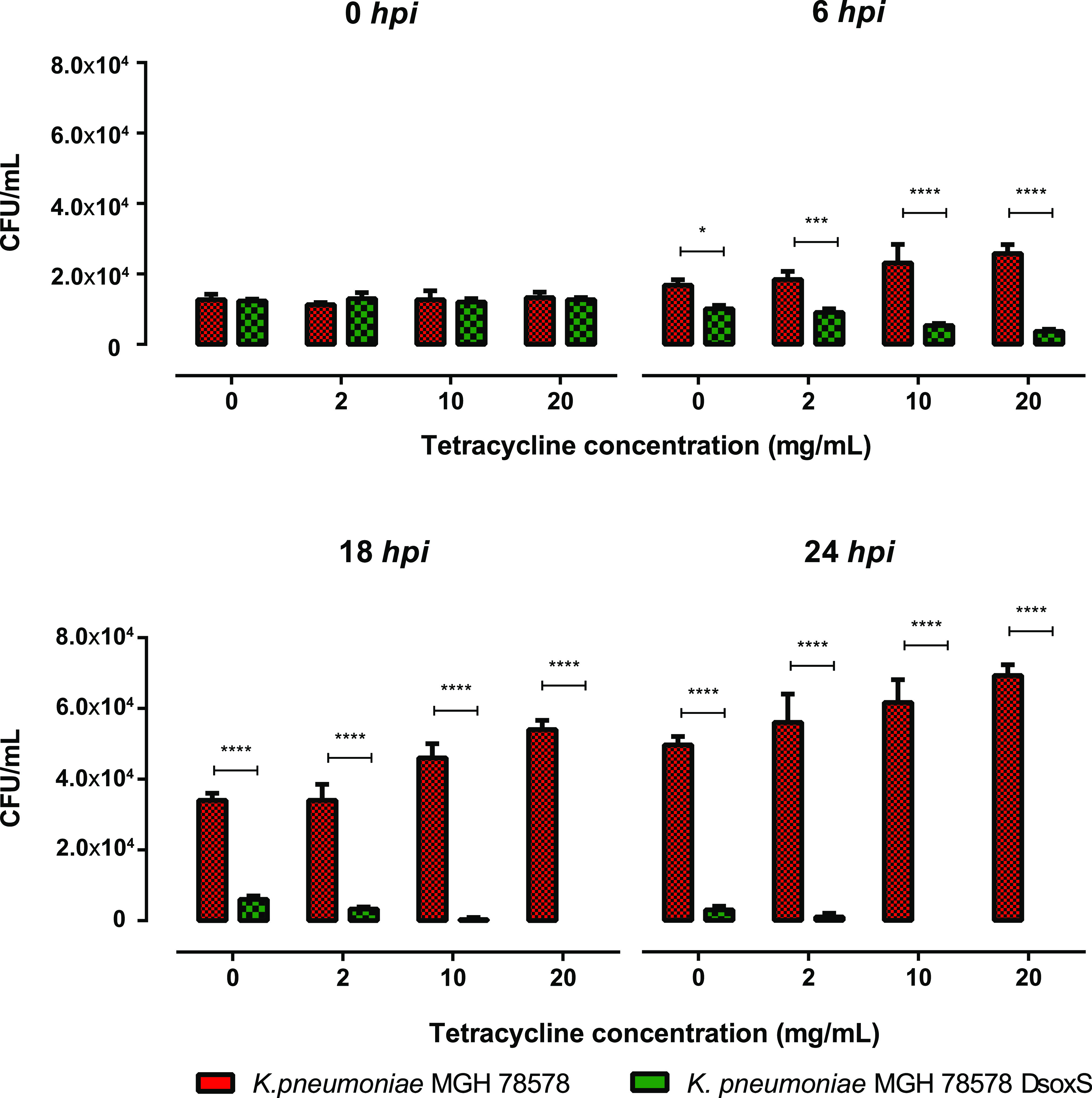
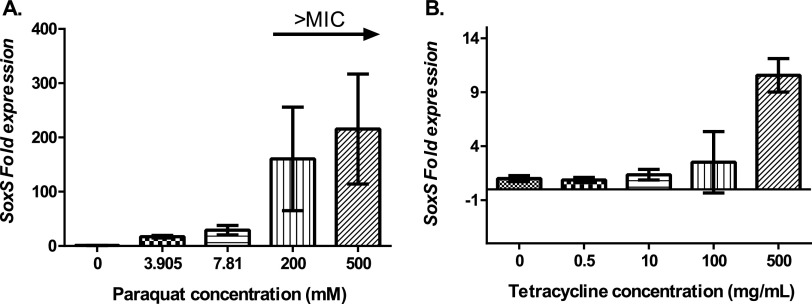
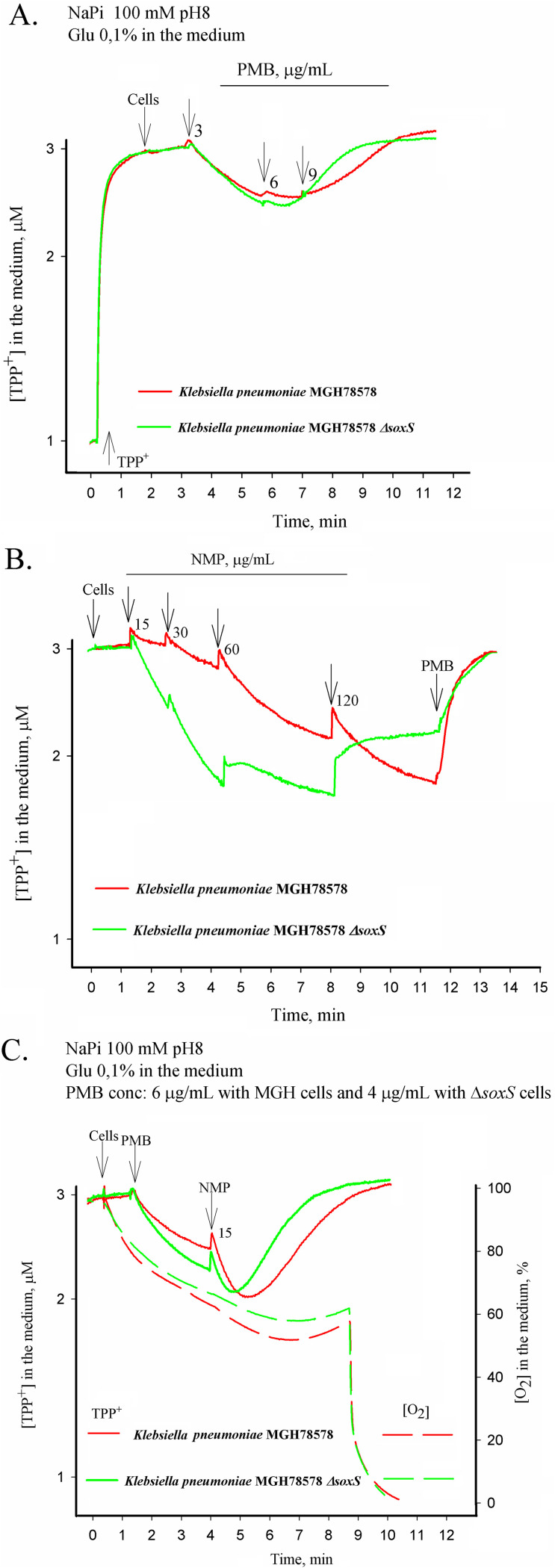
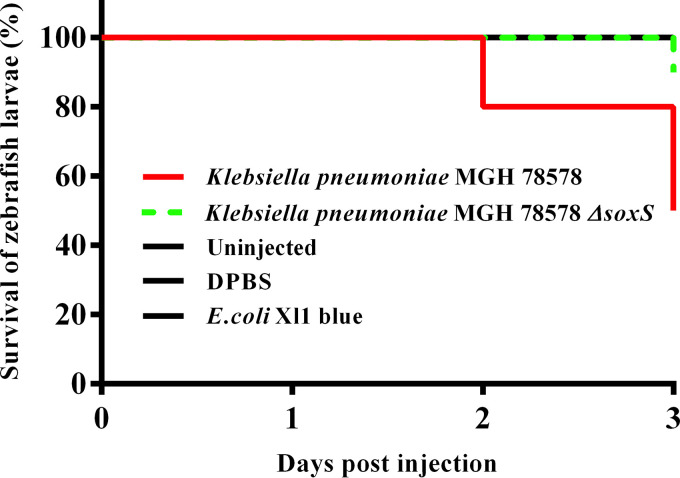
In bacteria, the defense system deployed to counter oxidative stress is orchestrated by three transcriptional factors, SoxS, SoxR, and OxyR. Although the regulon that these factors control is known in many bacteria, similar data are not available for Klebsiella pneumoniae. To address this data gap, oxidative stress was artificially induced in K. pneumoniae MGH78578 using paraquat and the corresponding oxidative stress regulon recorded using transcriptome sequencing (RNA-seq). The gene was significantly induced during oxidative stress, and a knockout mutant was constructed to explore its functionality. The wild type and mutant were grown in the presence of paraquat and subjected to RNA-seq to elucidate the regulon in K. pneumoniae MGH78578. Genes that are commonly regulated both in the oxidative stress and regulons were identified and denoted as the oxidative SoxS regulon; these included a group of genes specifically regulated by SoxS. Efflux pump-encoding genes and global regulators were identified as part of this regulon. Consequently, the isogenic mutant was found to exhibit a reduction in the minimum bactericidal concentration against tetracycline compared to that of the wild type. Impaired efflux activity, allowing tetracycline to be accumulated in the cytoplasm to bactericidal levels, was further evaluated using a tetraphenylphosphonium (TPP) accumulation assay. The mutant was also susceptible to tetracycline in a zebrafish embryo model. We conclude that the gene could be considered a genetic target against which an inhibitor could be developed and used in combinatorial therapy to combat infections associated with multidrug-resistant K. pneumoniae. Antimicrobial resistance is a global health challenge. Few new antibiotics have been developed for use over the years, and preserving the efficacy of existing compounds is an important step to protect public health. This paper describes a study that examines the effects of exogenously induced oxidative stress on K. pneumoniae and uncovers a target that could be useful to harness as a strategy to mitigate resistance.
在细菌中,用于对抗氧化应激的防御系统由三个转录因子 SoxS、SoxR 和 OxyR 协调。虽然这些因子控制的调控组在许多细菌中是已知的,但类似的数据在肺炎克雷伯氏菌中并不存在。为了解决这一数据空白,通过使用百草枯人为诱导肺炎克雷伯氏菌 MGH78578 产生氧化应激,并使用转录组测序(RNA-seq)记录相应的氧化应激调控组。在氧化应激过程中,基因显著诱导,构建了基因敲除突变体以探索其功能。在百草枯存在的情况下培养野生型和突变体,并进行 RNA-seq 以阐明肺炎克雷伯氏菌 MGH78578 中的基因调控组。鉴定出共同在氧化应激和基因调控组中受到调控的基因,并将其命名为氧化 SoxS 调控组;这些基因包括一组受 SoxS 特异性调控的基因。鉴定出外排泵编码基因和全局调控因子作为该调控组的一部分。因此,与野生型相比,同基因的突变体对四环素的最低杀菌浓度降低。使用四苯基膦(TPP)积累测定进一步评估了外排活性受损,使四环素在细胞质中积累到杀菌水平。在斑马鱼胚胎模型中,突变体也对四环素敏感。我们得出结论,基因可以被认为是一个遗传靶标,可以针对该靶标开发抑制剂,并与组合疗法联合使用,以对抗与多药耐药性肺炎克雷伯氏菌相关的感染。 抗生素耐药性是一个全球性的健康挑战。多年来,开发的新抗生素很少,因此保护现有化合物的疗效是保护公众健康的重要步骤。本文描述了一项研究,该研究检查了外源性诱导的氧化应激对肺炎克雷伯氏菌的影响,并揭示了一个可能有用的靶标,可以作为减轻耐药性的策略。