Tumor Immunology and Gene Therapy Center, Third Affiliated Hospital of Second Military Medical University, Shanghai, 200438, China.
Institute of Translational Medicine, Shanghai University, Shanghai, 200444, China.
Stem Cell Res Ther. 2021 Jun 10;12(1):342. doi: 10.1186/s13287-021-02421-7.
The liver possesses a powerful regeneration ability, which is correlated with the stemness of hepatocytes in the portal vein (PV). However, the mechanism underlying the maintenance of hepatocyte stemness has not been elucidated. Here, we hypothesized that high levels of lipopolysaccharide from the portal vein might maintain the stemness of hepatocytes in the PV area.
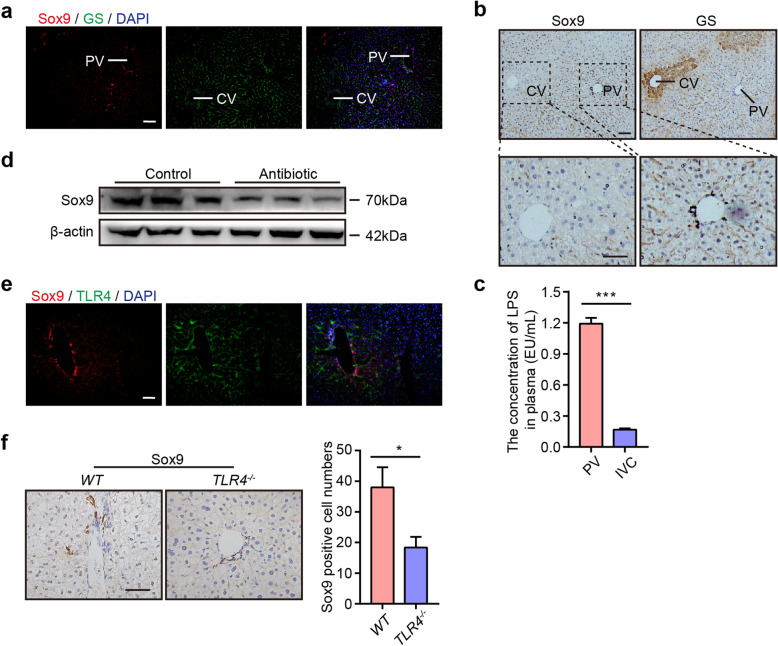
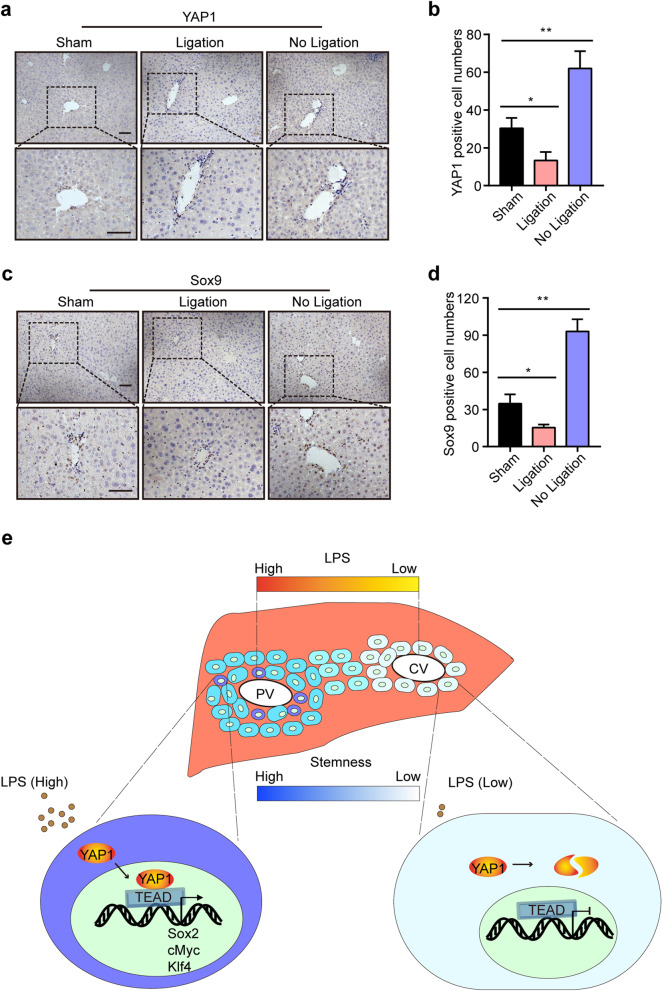
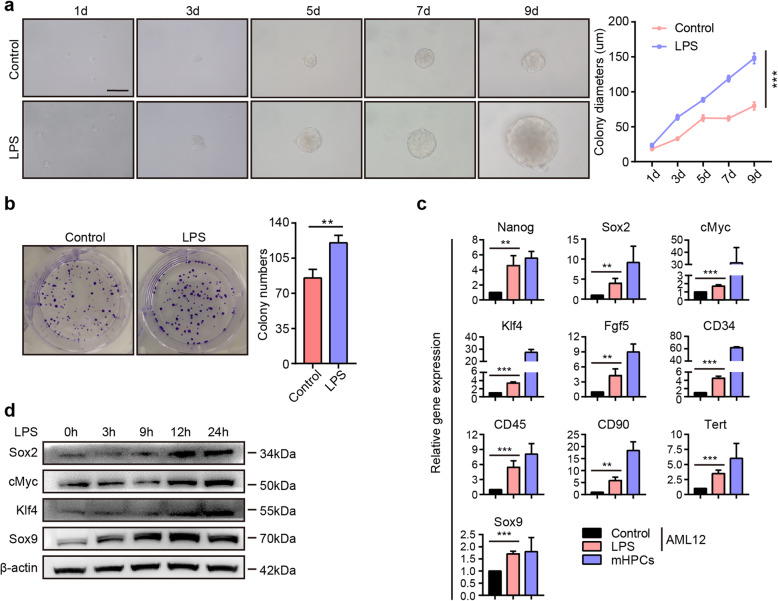
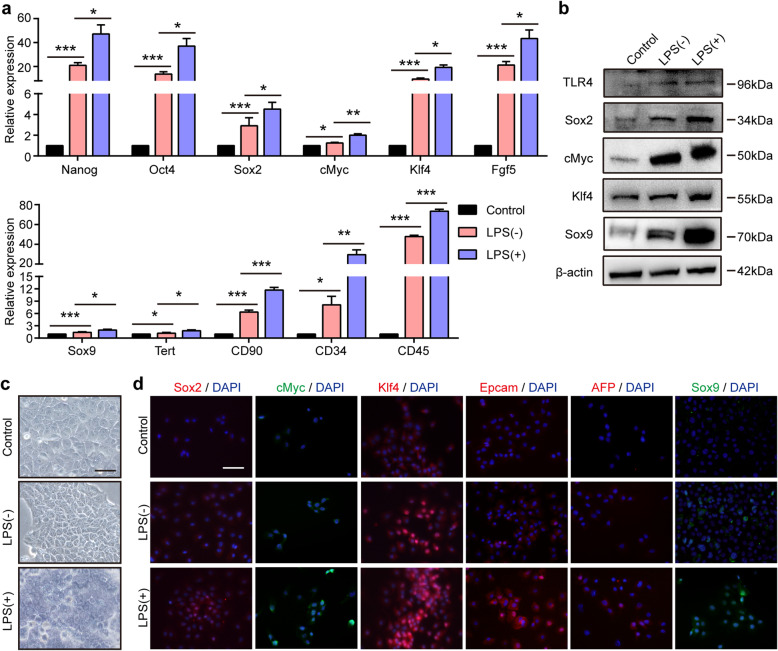
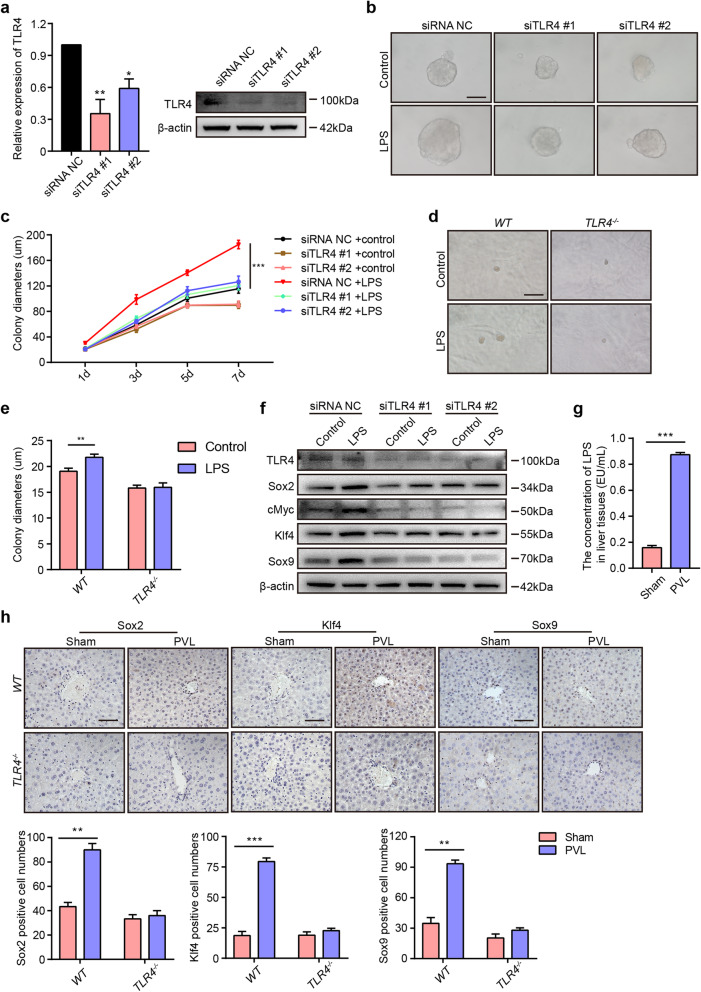
First, we examined the location of hepatic stem cells and the concentration of lipopolysaccharide (LPS) in the portal vein and inferior vena cava. Then, we assessed the effect of LPS on stemness maintenance in mice by using antibiotics to eliminate LPS and knocking out the LPS receptor, TLR4. In vitro, the effect of LPS on the stemness of hepatocytes was investigated by colony and sphere formation assays and assessment of pluripotent and stem cell marker expression. Furthermore, we studied the mechanism by which LPS regulates the stemness of hepatocytes. Finally, we ligated the portal vein branch to further verify the effect of LPS.
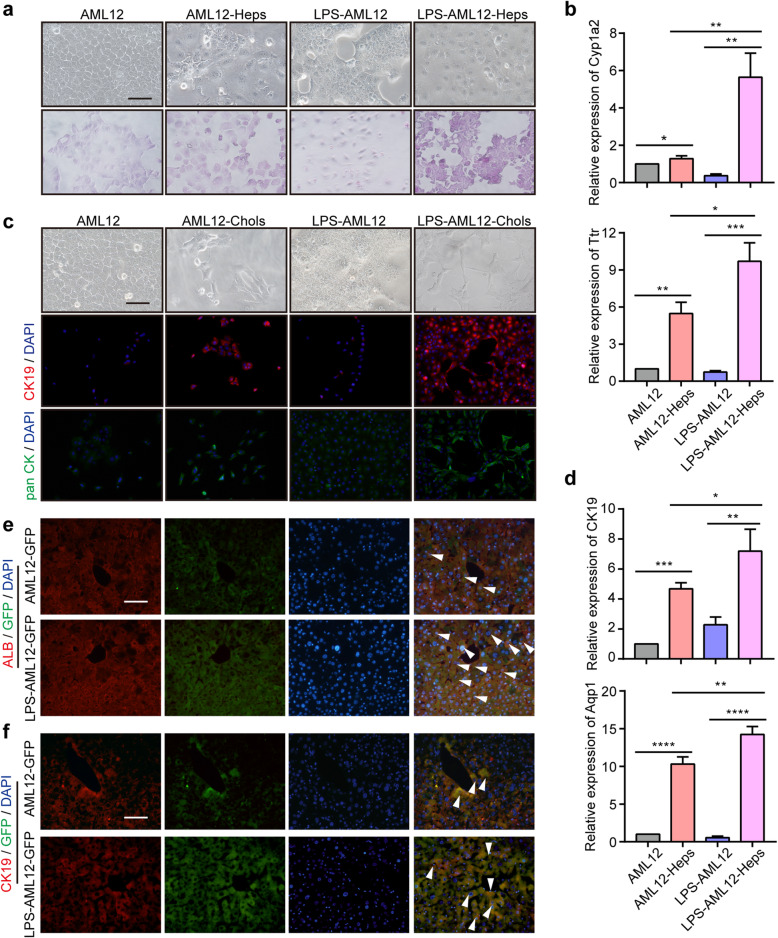
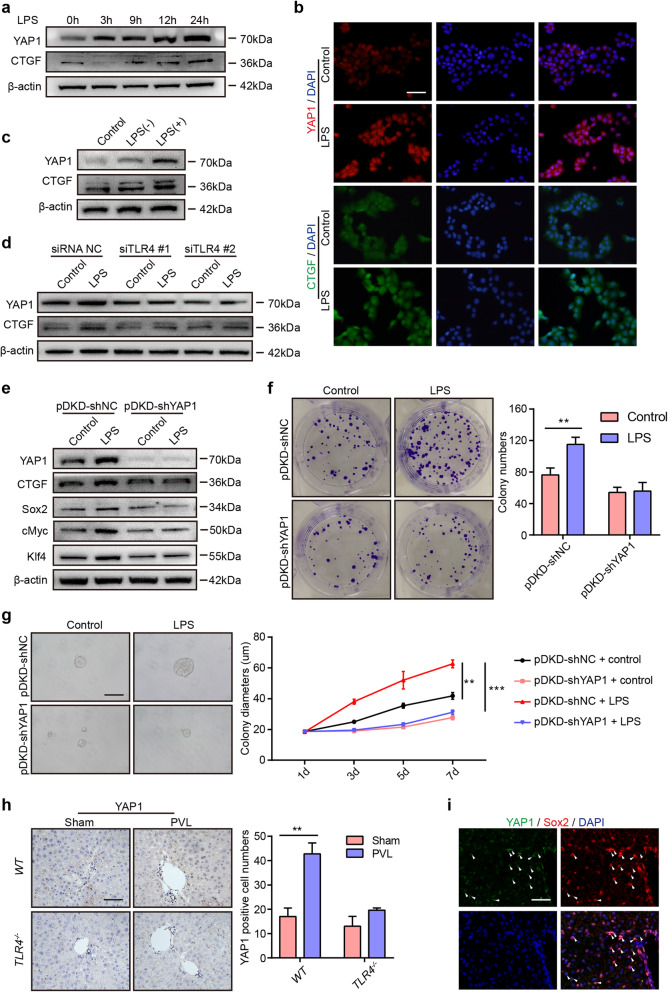
We found that a high level of LPS from the portal vein was correlated with the location of hepatic stem cells in the PV area, and elimination of LPS by antibiotics inhibited the expression of the stemness marker. LPS promoted colony and sphere formation and induced the upregulation of pluripotent and stem cell markers in AML12 cells. Furthermore, in the reprogramming medium, LPS facilitated the dedifferentiation of mature hepatocytes into hepatic progenitor-like cells, which exhibited a bipotent differentiation capacity in vivo and in vitro. Mechanistically, LPS bound TLR4 to regulate stemness of hepatocytes via the activation of YAP1 signaling, and blockade of YAP1 abolished the LPS-induced cell stemness and upregulation of pluripotent markers.
Our study implies a correlation between LPS/TLR4/YAP1 signaling and cell stemness, and LPS was shown to be involved in stemness maintenance of hepatocytes in the PV area. LPS might be used to induce the dedifferentiation of mature hepatocytes into progenitor-like cells for repair of liver injury.
肝脏具有强大的再生能力,这与门静脉(PV)中的肝细胞的干性有关。然而,维持肝细胞干性的机制尚未阐明。在这里,我们假设门静脉中的高浓度脂多糖可能维持 PV 区域肝细胞的干性。
首先,我们检查了肝干细胞的位置和门静脉及下腔静脉中的脂多糖(LPS)浓度。然后,我们通过使用抗生素消除 LPS 和敲除 LPS 受体 TLR4 来评估 LPS 对小鼠干性维持的影响。在体外,通过集落和球体形成测定以及多能和干细胞标志物表达评估来研究 LPS 对肝细胞干性的影响。此外,我们研究了 LPS 调节肝细胞干性的机制。最后,我们结扎门静脉分支以进一步验证 LPS 的作用。
我们发现门静脉中的高 LPS 水平与 PV 区域肝干细胞的位置相关,抗生素消除 LPS 抑制了干性标志物的表达。LPS 促进集落和球体形成,并诱导 AML12 细胞中多能和干细胞标志物的上调。此外,在重编程培养基中,LPS 促进成熟肝细胞向肝祖细胞样细胞的去分化,在体内和体外均表现出双潜能分化能力。在机制上,LPS 通过 TLR4 结合来调节肝细胞的干性,通过 YAP1 信号的激活,LPS 结合 TLR4 调节肝细胞的干性,而 YAP1 信号的阻断则消除了 LPS 诱导的细胞干性和多能标志物的上调。
我们的研究表明 LPS/TLR4/YAP1 信号与细胞干性之间存在相关性,并且 LPS 参与了 PV 区域肝细胞干性的维持。LPS 可能用于诱导成熟肝细胞向祖细胞样细胞的去分化,以修复肝损伤。