Straka Hans, Paulin Michael G, Hoffman Larry F
Department Biology II, Ludwig-Maximilians-University Munich, Munich, Germany.
Department of Zoology, University of Otago, Dunedin, New Zealand.
Front Neurol. 2021 Jun 4;12:676723. doi: 10.3389/fneur.2021.676723. eCollection 2021.
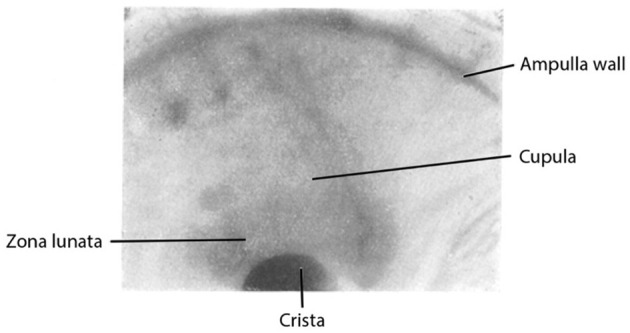
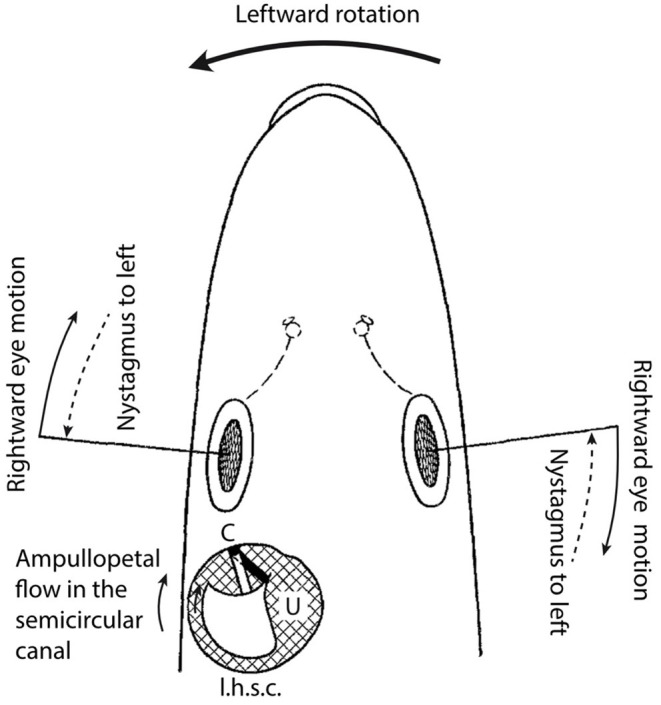
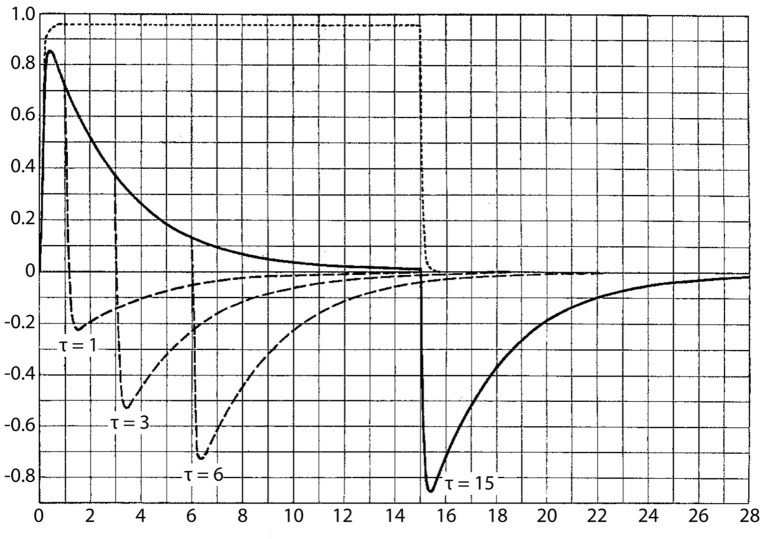
The quantitative relationship between angular head movement and semicircular canal function is most often referenced to the well-known torsion-pendulum model that predicts cupular displacement from input head acceleration. The foundation of this model can be traced back to Steinhausen's series of papers between 1927 and 1933 whereby he endeavored to document observations of cupular displacements that would directly infer movement of the endolymph resulting from angular rotation. He also was the first to establish the direct relationship between cupular displacement and compensatory eye movements. While the chronology of these findings, with their successes and pitfalls, are documented in Steinhausen's work, it reflects a fascinating journey that has been inaccessible to the non-German speaking community. Therefore, the present compilation of translations, with accompanying introduction and discussion, was undertaken to allow a larger component of the vestibular scientific community to gain insight into peripheral labyrinthine mechanics provided by this historical account.
头部角运动与半规管功能之间的定量关系,大多参照著名的扭摆模型,该模型可根据输入的头部加速度预测壶腹嵴位移。此模型的基础可追溯到1927年至1933年间施泰因豪森发表的一系列论文,他在这些论文中努力记录壶腹嵴位移的观察结果,这些结果将直接推断出角旋转引起的内淋巴运动。他也是第一个确立壶腹嵴位移与代偿性眼球运动之间直接关系的人。虽然这些研究结果的先后顺序及其成败在施泰因豪森的著作中有记载,但这是一段非德语区人士难以触及的迷人历程。因此,本次编译了这些译文,并附上引言和讨论,以使更大一部分前庭科学界人士能够深入了解这段历史记载所提供的外周迷路力学知识。