Walczak Piotr, Janowski Miroslaw
Center for Advanced Imaging Research Department of Diagnostic Radiology and Nuclear Medicine University of Maryland Marlene and Stewart Greenebaum Comprehensive Cancer Center University of Maryland Baltimore MD 21201 USA.
Glob Chall. 2021 May 7;5(9):2100004. doi: 10.1002/gch2.202100004. eCollection 2021 Sep.
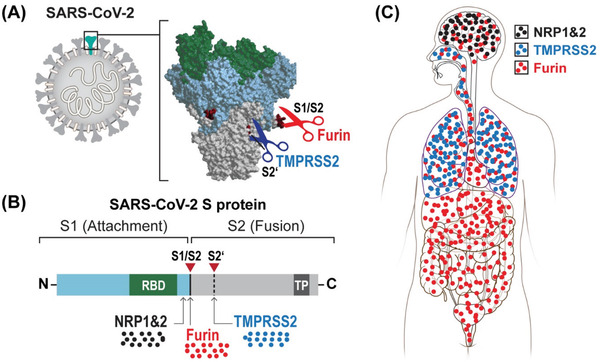
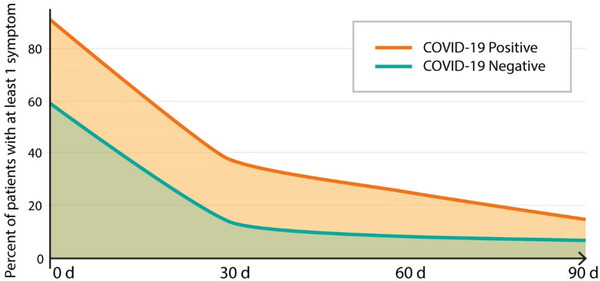
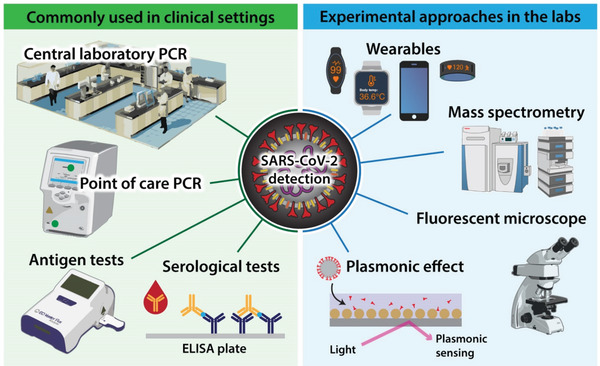
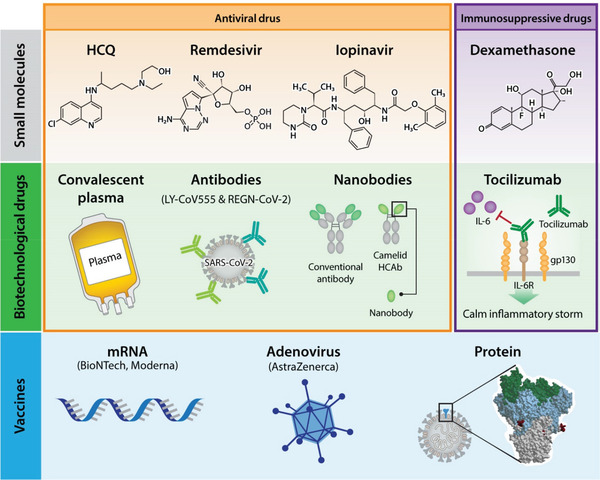
Coronavirus disease 2019 (COVID-19) is caused by the new severe acute respiratory syndrome coronavirus 2 (SARS-CoV-2), which binds to ectoenzyme angiotensin-converting enzyme 2. It is very contagious and is spreading rapidly around the world. Until now, coronaviruses have mainly been associated with the aerodigestive tract due to the presence of a monobasic cleavage site for the resident transmembrane serine protease 2. Notably, SARS-CoV-2 is equipped with a second, polybasic cleavage site for the ubiquitous furin protease, which may determine the widespread tissue tropism. Furthermore, the terminal sequence of the furin-cleaved spike protein also binds to neuropilin receptors. Clinically, there is enormous variability in the severity of the disease. Severe consequences are seen in a relatively small number of patients, most show moderate symptoms, but asymptomatic cases, especially among young people, drive disease spread. Unfortunately, the number of local infections can quickly build up, causing disease outbreaks suddenly exhausting health services' capacity. Therefore, COVID-19 is dangerous and unpredictable and has become the most serious threat for generations. Here, the latest research on COVID-19 is summarized, including its spread, testing methods, organ-specific complications, the role of comorbidities, long-term consequences, mortality, as well as a new hope for immunity, drugs, and vaccines.
2019冠状病毒病(COVID-19)由新型严重急性呼吸综合征冠状病毒2(SARS-CoV-2)引起,该病毒与胞外酶血管紧张素转换酶2结合。它具有很强的传染性,正在全球迅速传播。到目前为止,由于存在驻留跨膜丝氨酸蛋白酶2的单碱性裂解位点,冠状病毒主要与气消化道相关。值得注意的是,SARS-CoV-2配备了第二个普遍存在的弗林蛋白酶多碱性裂解位点,这可能决定了其广泛的组织嗜性。此外,弗林蛋白酶切割的刺突蛋白的末端序列也与神经纤毛蛋白受体结合。临床上,疾病的严重程度存在巨大差异。相对少数患者会出现严重后果,大多数表现为中度症状,但无症状病例,尤其是在年轻人中,推动了疾病传播。不幸的是,局部感染数量可能迅速增加,导致疾病突然爆发,耗尽卫生服务能力。因此,COVID-19既危险又不可预测,已成为几代人面临的最严重威胁。在此,总结了关于COVID-19的最新研究,包括其传播、检测方法、器官特异性并发症、合并症的作用、长期后果、死亡率,以及免疫、药物和疫苗方面的新希望。