Florentinus-Mefailoski Angelique, Bowden Peter, Scheltens Philip, Killestein Joep, Teunissen Charlotte, Marshall John G
Ryerson Analytical Biochemistry Laboratory (RABL), Department of Chemistry and Biology, Faculty of Science, Ryerson University, 350 Victoria St., Toronto, ON, Canada.
Alzheimer Center, Dept of Neurology, Amsterdam University Medical Centers, Vrije Universiteit, Amsterdam Neuroscience, Amsterdam, The Netherlands.
Clin Proteomics. 2021 Jun 28;18(1):17. doi: 10.1186/s12014-021-09320-2.
A practical strategy to discover proteins specific to Alzheimer's dementia (AD) may be to compare the plasma peptides and proteins from patients with dementia to normal controls and patients with neurological conditions like multiple sclerosis or other diseases. The aim was a proof of principle for a method to discover proteins and/or peptides of plasma that show greater observation frequency and/or precursor intensity in AD. The endogenous tryptic peptides of Alzheimer's were compared to normals, multiple sclerosis, ovarian cancer, breast cancer, female normal, sepsis, ICU Control, heart attack, along with their institution-matched controls, and normal samples collected directly onto ice.
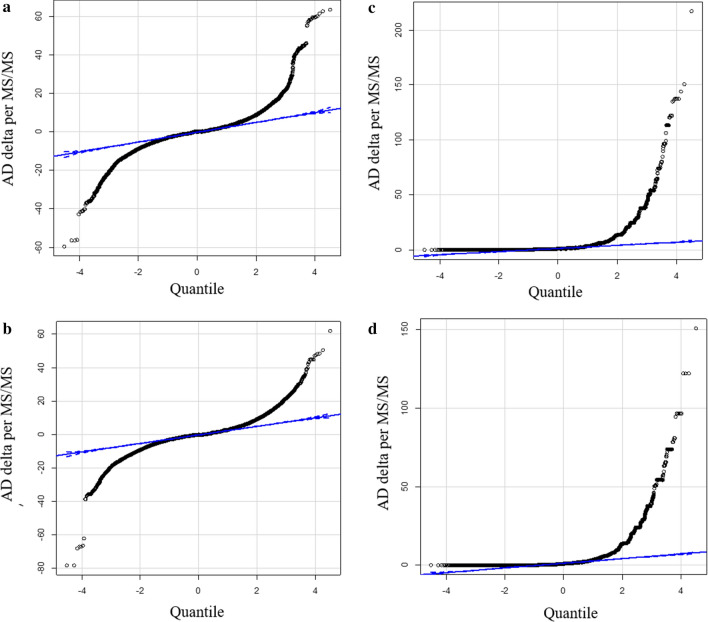
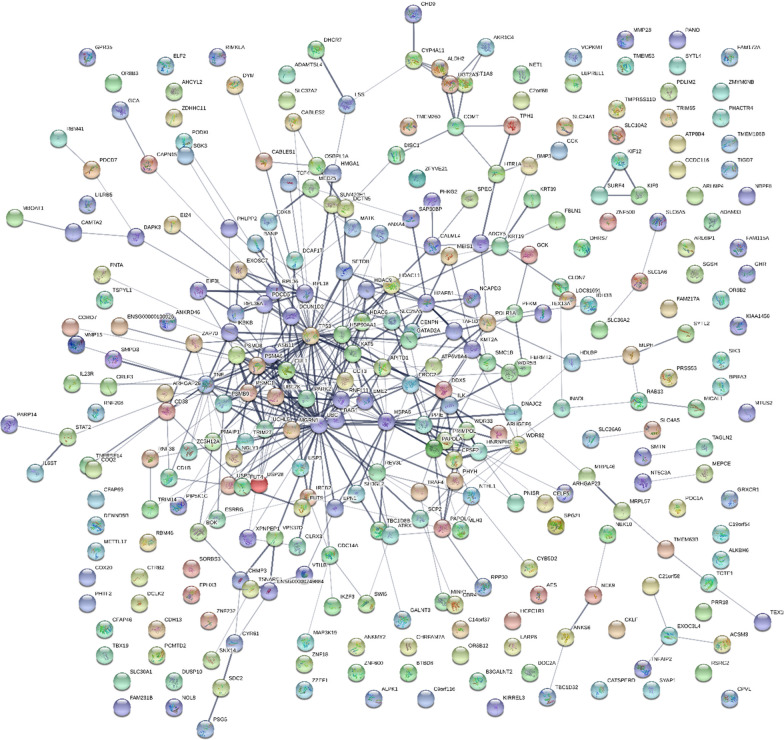
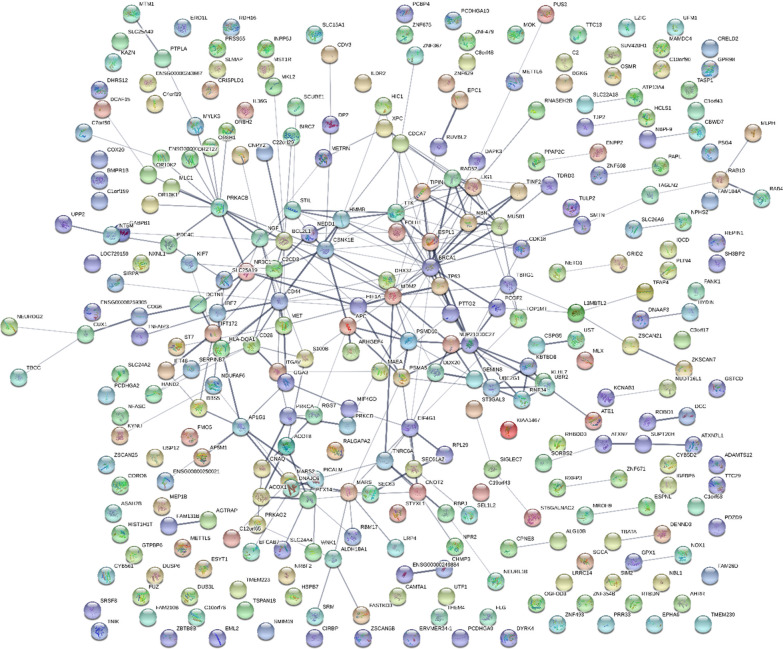
Endogenous tryptic peptides were extracted from blinded, individual AD and control EDTA plasma samples in a step gradient of acetonitrile for random and independent sampling by LC-ESI-MS/MS with a set of robust and sensitive linear quadrupole ion traps. The MS/MS spectra were fit to fully tryptic peptides within proteins identified using the X!TANDEM algorithm. Observation frequency of the identified proteins was counted using SEQUEST algorithm. The proteins with apparently increased observation frequency in AD versus AD Control were revealed graphically and subsequently tested by Chi Square analysis. The proteins specific to AD plasma by Chi Square with FDR correction were analyzed by the STRING algorithm. The average protein or peptide log precursor intensity was compared across disease and control treatments by ANOVA in the R statistical system.
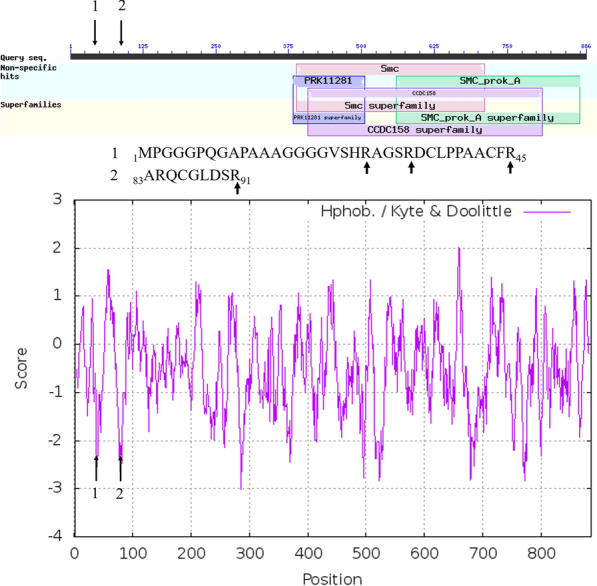
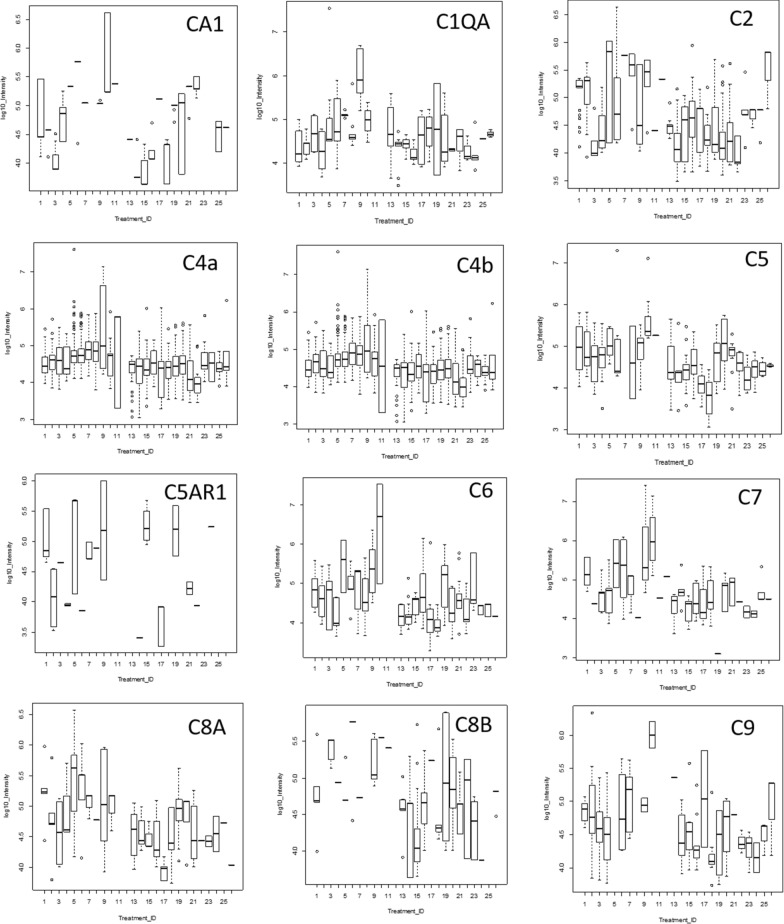
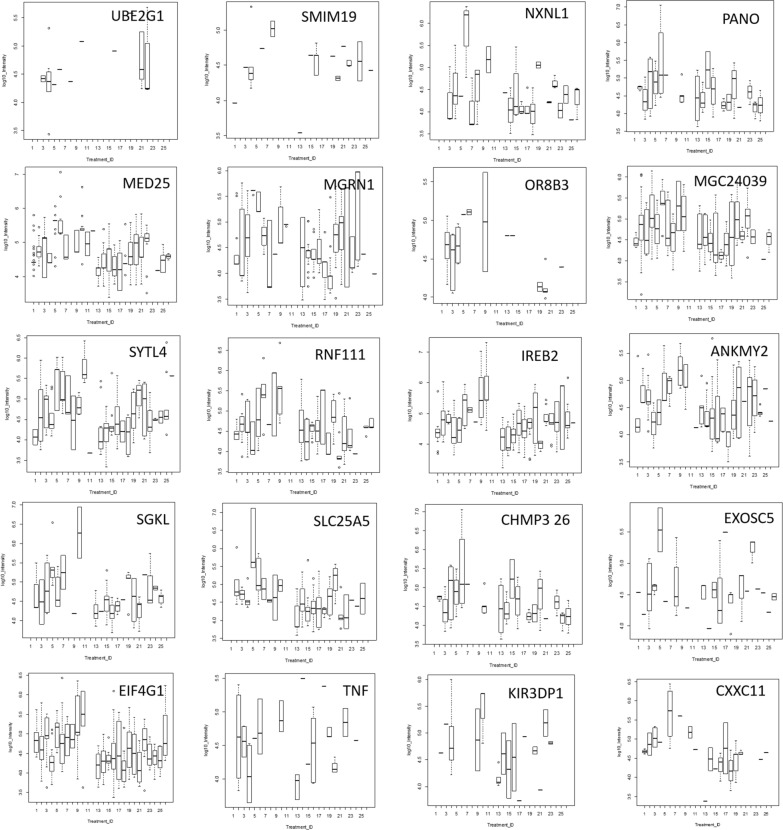
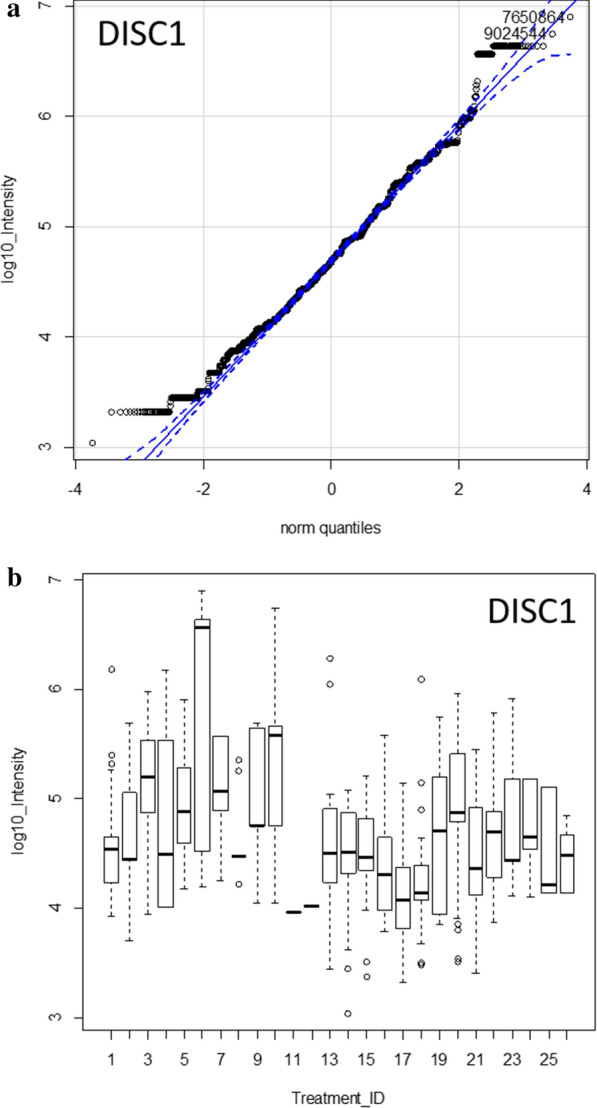
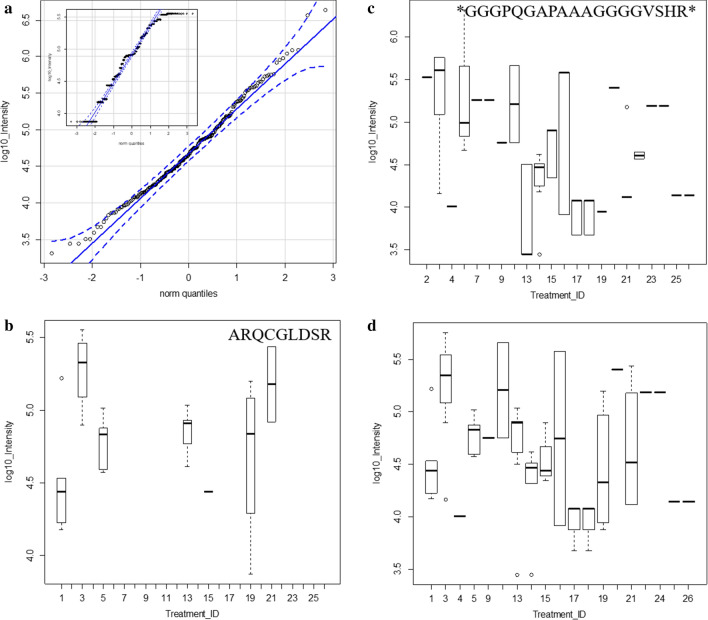
Peptides and/or phosphopeptides of common plasma proteins such as complement C2, C7, and C1QBP among others showed increased observation frequency by Chi Square and/or precursor intensity in AD. Cellular gene symbols with large Chi Square values (χ2 ≥ 25, p ≤ 0.001) from tryptic peptides included KIF12, DISC1, OR8B12, ZC3H12A, TNF, TBC1D8B, GALNT3, EME2, CD1B, BAG1, CPSF2, MMP15, DNAJC2, PHACTR4, OR8B3, GCK, EXOSC7, HMGA1 and NT5C3A among others. Similarly, increased frequency of tryptic phosphopeptides were observed from MOK, SMIM19, NXNL1, SLC24A2, Nbla10317, AHRR, C10orf90, MAEA, SRSF8, TBATA, TNIK, UBE2G1, PDE4C, PCGF2, KIR3DP1, TJP2, CPNE8, and NGF amongst others. STRING analysis showed an increase in cytoplasmic proteins and proteins associated with alternate splicing, exocytosis of luminal proteins, and proteins involved in the regulation of the cell cycle, mitochondrial functions or metabolism and apoptosis. Increases in mean precursor intensity of peptides from common plasma proteins such as DISC1, EXOSC5, UBE2G1, SMIM19, NXNL1, PANO, EIF4G1, KIR3DP1, MED25, MGRN1, OR8B3, MGC24039, POLR1A, SYTL4, RNF111, IREB2, ANKMY2, SGKL, SLC25A5, CHMP3 among others were associated with AD. Tryptic peptides from the highly conserved C-terminus of DISC1 within the sequence MPGGGPQGAPAAAGGGGVSHRAGSRDCLPPAACFR and ARQCGLDSR showed a higher frequency and highest intensity in AD compared to all other disease and controls.
Proteins apparently expressed in the brain that were directly related to Alzheimer's including Nerve Growth Factor (NFG), Sphingomyelin Phosphodiesterase, Disrupted in Schizophrenia 1 (DISC1), the cell death regulator retinitis pigmentosa (NXNl1) that governs the loss of nerve cells in the retina and the cell death regulator ZC3H12A showed much higher observation frequency in AD plasma vs the matched control. There was a striking agreement between the proteins known to be mutated or dis-regulated in the brains of AD patients with the proteins observed in the plasma of AD patients from endogenous peptides including NBN, BAG1, NOX1, PDCD5, SGK3, UBE2G1, SMPD3 neuronal proteins associated with synapse function such as KSYTL4, VTI1B and brain specific proteins such as TBATA.
发现阿尔茨海默病(AD)特异性蛋白质的一种实用策略可能是将痴呆患者的血浆肽和蛋白质与正常对照以及患有神经系统疾病(如多发性硬化症)或其他疾病的患者进行比较。目的是验证一种发现血浆中在AD中观察频率更高和/或前体强度更高的蛋白质和/或肽的方法的原理。将阿尔茨海默病的内源性胰蛋白酶肽与正常人、多发性硬化症、卵巢癌、乳腺癌、女性正常样本、脓毒症、重症监护病房对照、心脏病发作样本及其机构匹配的对照以及直接收集在冰上的正常样本进行比较。
从盲法、个体AD和对照EDTA血浆样本中提取内源性胰蛋白酶肽,采用乙腈梯度洗脱,通过液相色谱-电喷雾串联质谱(LC-ESI-MS/MS)进行随机独立采样,使用一组强大且灵敏的线性四极杆离子阱。将MS/MS谱图与使用X!TANDEM算法鉴定出的蛋白质中的完全胰蛋白酶肽进行拟合。使用SEQUEST算法计算鉴定出的蛋白质的观察频率。以图形方式显示AD与AD对照相比观察频率明显增加的蛋白质,随后通过卡方分析进行测试。通过卡方检验并经错误发现率(FDR)校正后确定AD血浆特异性蛋白质,并用STRING算法进行分析。在R统计系统中,通过方差分析比较不同疾病和对照处理之间蛋白质或肽的平均前体强度对数。
补体C2、C7和C1QBP等常见血浆蛋白的肽和/或磷酸肽在AD中通过卡方检验显示观察频率增加和/或前体强度增加。来自胰蛋白酶肽的卡方值较大(χ2≥25,p≤0.001)的细胞基因符号包括KIF12、DISC1、OR8B12、ZC3H12A、TNF、TBC1D8B、GALNT3、EME2、CD1B、BAG1、CPSF2、MMP15、DNAJC2、PHACTR4、OR8B3、GCK、EXOSC7、HMGA1和NT5C3A等。同样,在MOK、SMIM19、NXNL1、SLC24A2、Nbla10317、AHRR、C10orf90、MAEA、SRSF8、TBATA、TNIK、UBE2G1、PDE4C、PCGF2、KIR3DP1、TJP2、CPNE8和NGF等蛋白中观察到胰蛋白酶磷酸肽频率增加。STRING分析显示细胞质蛋白以及与可变剪接、腔内蛋白胞吐作用、细胞周期调控、线粒体功能或代谢及凋亡相关的蛋白增加。DISC1、EXOSC5、UBE2G1、SMIM19、NXNL1、PANO、EIF4G1、KIR3DP1、MED25、MGRN1、OR8B3、MGC24039、POLR1A、SYTL4、RNF111、IREB2、ANKMY2、SGKL、SLC25A5、CHMP3等常见血浆蛋白的肽的平均前体强度增加与AD相关。与所有其他疾病和对照相比,DISC1高度保守的C末端序列MPGGGPQGAPAAAGGGGVSHRAGSRDCLPPAACFR和ARQCGLDSR中的胰蛋白酶肽在AD中显示出更高的频率和最高强度。
与阿尔茨海默病直接相关的明显在大脑中表达的蛋白质,包括神经生长因子(NFG)、鞘磷脂磷酸二酯酶、精神分裂症相关断裂蛋白1(DISC1)、视网膜色素变性细胞死亡调节因子(NXNl1,其控制视网膜神经细胞的丧失)以及细胞死亡调节因子ZC3H12A,在AD血浆中相对于匹配对照显示出高得多的观察频率。在AD患者大脑中已知发生突变或失调的蛋白质与AD患者血浆中从内源性肽观察到的蛋白质之间存在显著一致性,这些蛋白质包括NBN、BAG1、NOX1、PDCD5、SGK3、UBE2G1、SMPD3等与突触功能相关的神经元蛋白,如KSYTL4、VTI1B以及脑特异性蛋白如TBATA。