Institute of Physiology and Biochemistry "Ivan Djaja", Faculty of Biology, University of Belgrade, Belgrade, Serbia.
PLoS One. 2021 Jun 29;16(6):e0253918. doi: 10.1371/journal.pone.0253918. eCollection 2021.
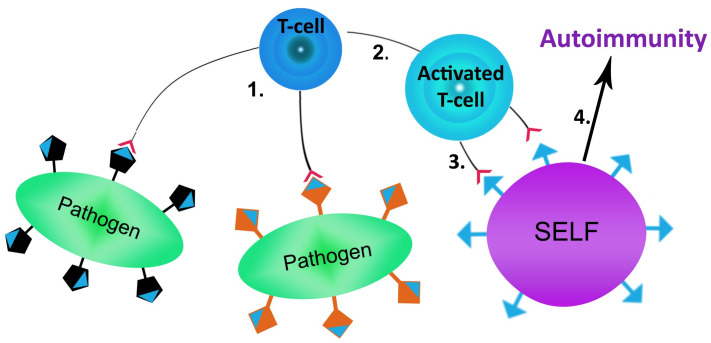
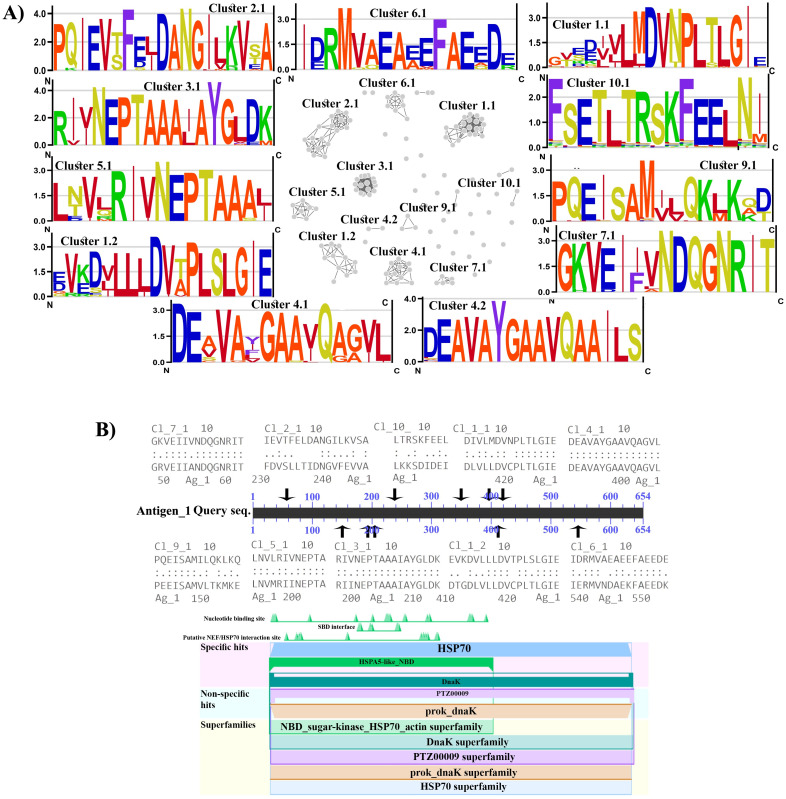
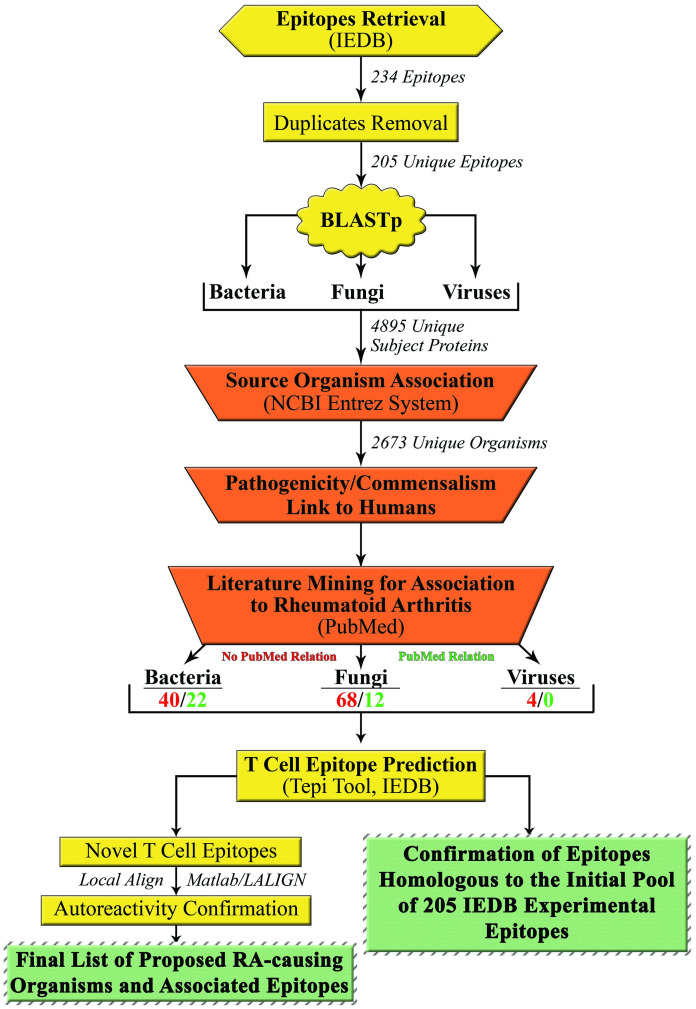
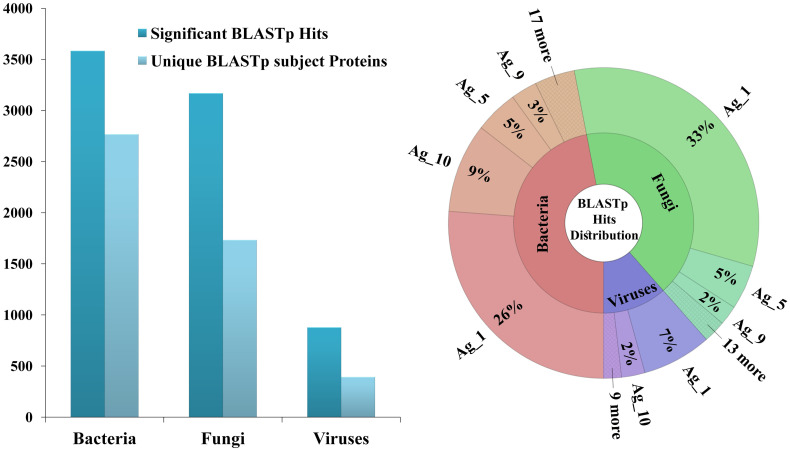
Autoimmune diseases, often triggered by infection, affect ~5% of the worldwide population. Rheumatoid Arthritis (RA)-a painful condition characterized by the chronic inflammation of joints-comprises up to 20% of known autoimmune pathologies, with the tendency of increasing prevalence. Molecular mimicry is recognized as the leading mechanism underlying infection-mediated autoimmunity, which assumes sequence similarity between microbial and self-peptides driving the activation of autoreactive lymphocytes. T lymphocytes are leading immune cells in the RA-development. Therefore, deeper understanding of the capacity of microorganisms (both pathogens and commensals) to trigger autoreactive T cells is needed, calling for more systematic approaches. In the present study, we address this problem through a comprehensive immunoinformatics analysis of experimentally determined RA-related T cell epitopes against the proteomes of Bacteria, Fungi, and Viruses, to identify the scope of organisms providing homologous antigenic peptide determinants. By this, initial homology screening was complemented with de novo T cell epitope prediction and another round of homology search, to enable: i) the confirmation of homologous microbial peptides as T cell epitopes based on the predicted binding affinity to RA-related HLA polymorphisms; ii) sequence similarity inference for top de novo T cell epitope predictions to the RA-related autoantigens to reveal the robustness of RA-triggering capacity for identified (micro/myco)organisms. Our study reveals a much larger repertoire of candidate RA-triggering organisms, than previously recognized, providing insights into the underestimated role of Fungi in autoimmunity and the possibility of a more direct involvement of bacterial commensals in RA-pathology. Finally, our study pinpoints Endoplasmic reticulum chaperone BiP as the most potent (most likely mimicked) RA-related autoantigen, opening an avenue for identifying the most potent autoantigens in a variety of different autoimmune pathologies, with possible implications in the design of next-generation therapeutics aiming to induce self-tolerance by affecting highly reactive autoantigens.
自身免疫性疾病,通常由感染引发,影响全球约 5%的人口。类风湿关节炎(RA)是一种以关节慢性炎症为特征的疼痛性疾病,占已知自身免疫性疾病的 20%,且有患病率增加的趋势。分子模拟被认为是感染介导自身免疫的主要机制,该机制假定微生物和自身肽之间存在序列相似性,从而驱动自身反应性淋巴细胞的激活。T 淋巴细胞是 RA 发展中的主要免疫细胞。因此,需要更深入地了解微生物(包括病原体和共生体)触发自身反应性 T 细胞的能力,这需要更系统的方法。在本研究中,我们通过对细菌、真菌和病毒蛋白质组中实验确定的与 RA 相关的 T 细胞表位进行全面的免疫信息学分析,来解决这个问题,以确定提供同源抗原肽决定簇的生物体范围。通过这种方式,初始同源性筛选补充了从头预测 T 细胞表位和另一个同源性搜索,以实现:i)根据预测的与 RA 相关 HLA 多态性的结合亲和力,确认同源微生物肽作为 T 细胞表位;ii)对顶级从头预测 T 细胞表位与 RA 相关自身抗原进行序列相似性推断,以揭示鉴定出的(微/真菌)生物体引发 RA 的能力的稳健性。我们的研究揭示了比以前认识到的更大的候选 RA 触发生物体的范围,这为真菌在自身免疫中的被低估作用以及细菌共生体更直接参与 RA 病理学提供了新的见解。最后,我们的研究确定内质网伴侣蛋白 BiP 为最有效的(最有可能被模拟)RA 相关自身抗原,为在各种不同的自身免疫性疾病中识别最有效的自身抗原开辟了一条途径,这可能对设计旨在通过影响高反应性自身抗原来诱导自身耐受性的下一代治疗方法产生影响。