Institute for Global Health and Development, Queen Margaret University, Edinburgh, EH21 6UU, UK.
Global Health. 2021 Jun 29;17(1):68. doi: 10.1186/s12992-021-00713-4.
Noncommunicable diseases (NCDs), including mental health, have become a major concern in low- and middle-income countries. Despite increased attention to them over the past decade, progress toward addressing NCDs has been slow. A lack of bold policy commitments has been suggested as one of the contributors to limited progress in NCD prevention and management. However, the policies of key global actors (bilateral, multilateral, and not-for-profit organisations) have been understudied.
This study aimed to map the key global actors investing in action regarding NCDs and review their policies to examine the articulation of priorities regarding NCDs. Narrative synthesis of 70 documents and 31 policy papers was completed, and related to data collated from the Global Health Data Visualisation Tool.
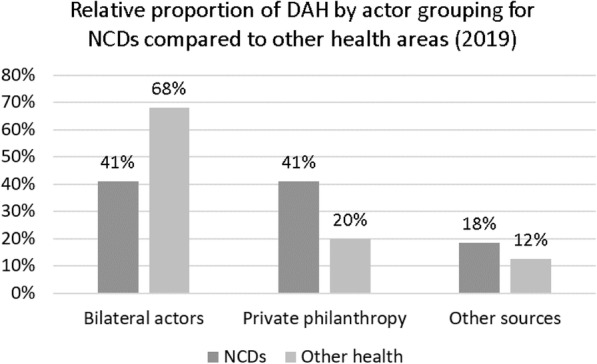
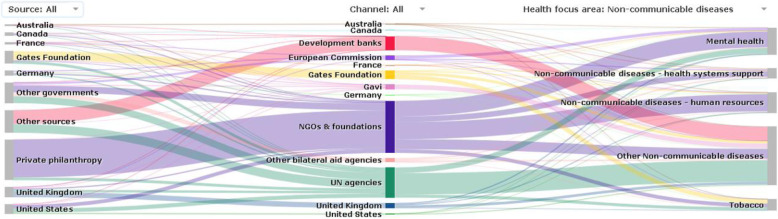
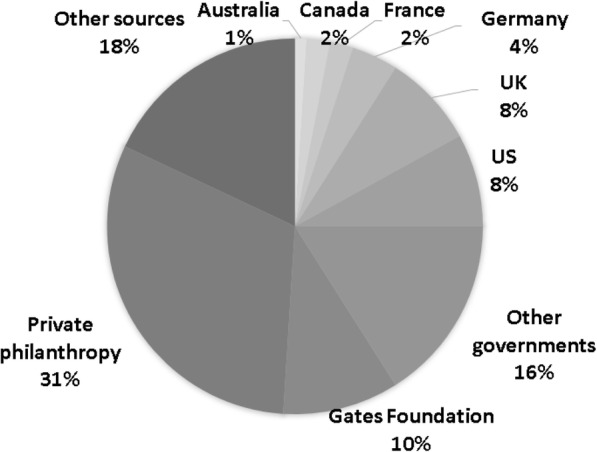
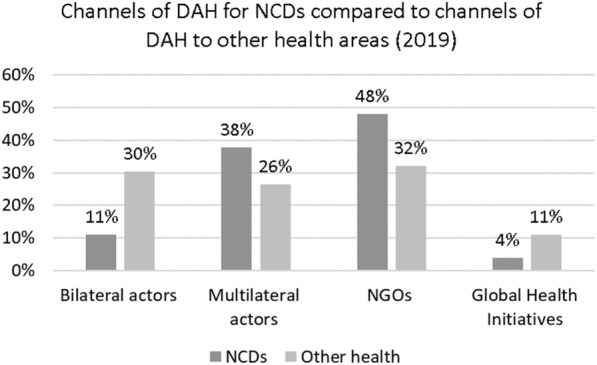
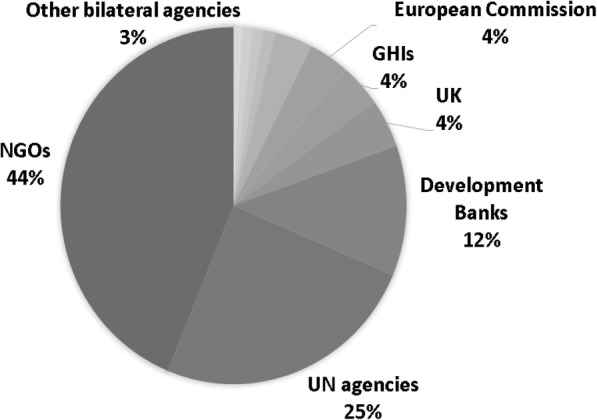
In 2019 41% of development assistance for health committed to NCDs came from private philanthropies, while that for other global health priorities from this source was just 20%. Through a range of channels, bilateral donors were the other major source of NCD funding (contributing 41% of NCD funding). The UK and the US were the largest bilateral investors in NCDs, each contributing 8%. However, NCDs are still under-prioritised within bilateral portfolios - receiving just 0.48% of US funding and 1.66% of the UK. NGOs were the key channels of funding for NCDs, spending 48% of the funds from donors in 2019. The reviewed literature generally focused on NCD policies of WHO, with policies of multilateral and bilateral donors given limited attention. The analysis of policies indicated a limited prioritisation of NCDs in policy documents. NCDs are framed in the policies as a barrier to economic growth, poverty reduction, and health system sustainability. Bilateral donors prioritise prevention, while multilateral actors offer policy options for NCD prevention and care. Even where stated as a priority, however, funding allocations are not aligned.
The growing threat of NCDs and their drivers are increasingly recognised. However, global actors' policy priorities and funding allocations need to align better to address these NCD threats. Given the level of their investment and engagement, more research is needed into the role of private philanthropies and NGOs in this area.
非传染性疾病(NCDs),包括心理健康问题,已成为中低收入国家的主要关注点。尽管在过去十年中对这些疾病的关注度有所增加,但在解决 NCD 问题方面的进展仍然缓慢。有人认为,缺乏大胆的政策承诺是导致 NCD 预防和管理进展有限的原因之一。然而,关键的全球行为体(双边、多边和非营利组织)的政策却没有得到充分研究。
本研究旨在绘制投资于 NCD 行动的主要全球行为体图谱,并审查其政策,以审查 NCD 优先事项的表述。对 70 份文件和 31 份政策文件进行了叙述性综合分析,并与从全球卫生数据可视化工具收集的数据相关联。
2019 年,用于 NCD 的发展援助中有 41%来自私人慈善机构,而用于其他全球卫生优先事项的资金仅为 20%。通过多种渠道,双边捐助者是 NCD 资金的另一个主要来源(贡献了 41%的 NCD 资金)。英国和美国是 NCD 最大的双边投资者,各投资 8%。然而,NCD 在双边投资组合中仍未得到优先考虑——仅占美国资金的 0.48%,占英国资金的 1.66%。非政府组织是 NCD 资金的主要渠道,在 2019 年,它们支出了捐助者资金的 48%。审查的文献通常侧重于世卫组织的 NCD 政策,而多边和双边捐助者的政策则受到关注。政策分析表明,政策文件对 NCD 的重视程度有限。NCD 被视为经济增长、减贫和卫生系统可持续性的障碍。双边捐助者侧重于预防,而多边行为体则为 NCD 预防和护理提供政策选择。然而,即使被列为优先事项,供资分配也没有得到协调。
NCD 及其驱动因素的威胁日益加剧,已得到广泛认识。然而,全球行为体的政策优先事项和供资分配需要更好地协调,以应对这些 NCD 威胁。鉴于其投资和参与程度,需要对私营慈善机构和非政府组织在这一领域的作用进行更多研究。