Perdigão Jorge
Professor, University of Minnesota, Department of Restorative Sciences, 515 SE Delaware St, 8-450 Moos Tower, Minneapolis, MN 55455, USA.
Jpn Dent Sci Rev. 2020 Nov;56(1):190-207. doi: 10.1016/j.jdsr.2020.08.004. Epub 2020 Sep 23.
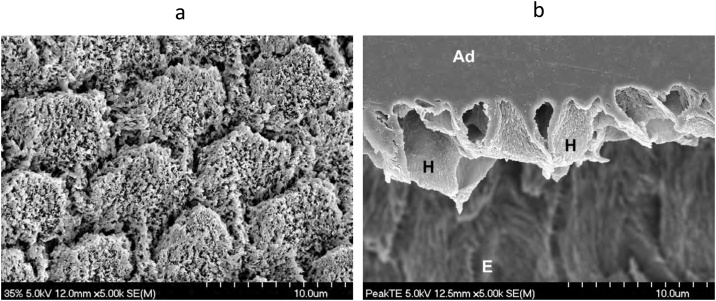
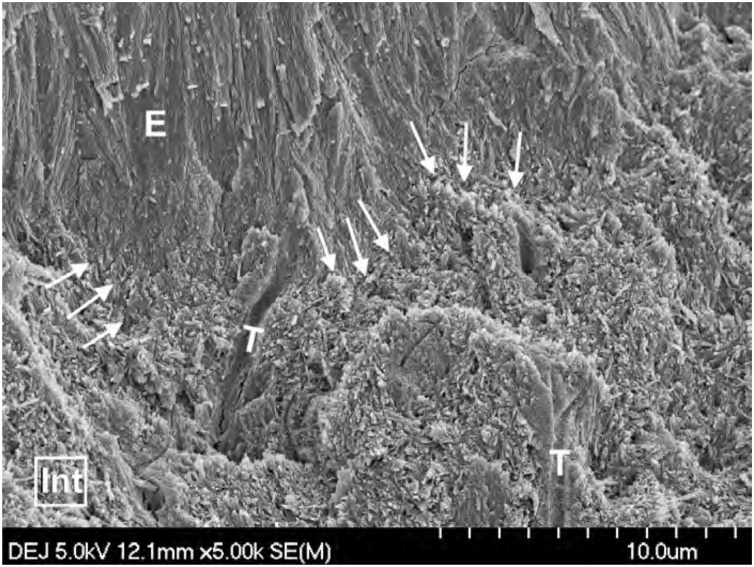
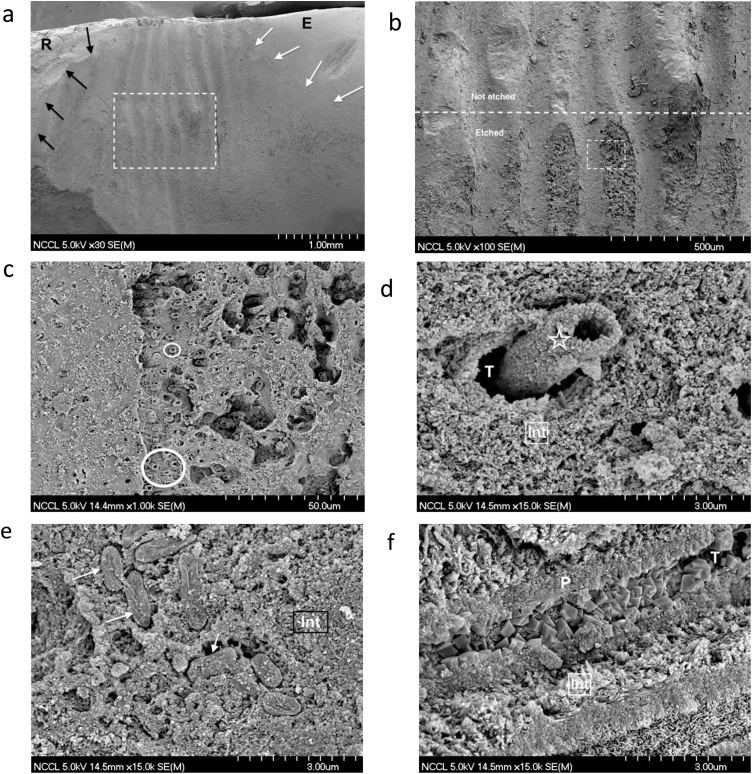
The essential goal of any adhesive restoration is to achieve a tight and long-lasting adaptation of the restorative material to enamel and dentin. The key challenge for new dental adhesives is to be simultaneously effective on two dental substrates of conflicting nature. Some barriers must be overcome to accomplish this objective. While bonding to enamel by micromechanical interlocking of resin tags within the array of microporosities in acid-etched enamel can be reliably achieved and can effectively seal the restoration margins against leakage, bonding effectively and durably to organic and humid dentin is the most puzzling task in adhesive dentistry. Much of the research and development of dental adhesives has focused on making the clinical procedure more user-friendly by reducing the number of bottles and/or steps. Although clinicians certainly prefer less complicated and more versatile adhesive materials, there is a trade-off between simplification of dental adhesives and clinical outcomes. Likewise, new materials are launched with claims of being novel and having special properties without much supporting evidence. This review article discusses dental adhesion acknowledging pioneer work in the field, highlights the substrate as a major challenge to obtain durable adhesive restorations, as well as analyzes the three adhesion strategies and their shortcomings. It also reviews the potential of chemical/ionic dental adhesion, discusses the issue of extensively published laboratory research that does not translate to clinical relevance, and leaves a few thoughts in regard to recent research that may have implications for future adhesive materials.
任何粘结修复的基本目标都是使修复材料与牙釉质和牙本质紧密且持久地贴合。新型牙科粘结剂面临的关键挑战是要同时对性质相互矛盾的两种牙齿基质有效。要实现这一目标,必须克服一些障碍。虽然通过酸蚀牙釉质微孔阵列中的树脂标签进行微机械互锁来粘结牙釉质能够可靠实现,并且可以有效密封修复边缘防止渗漏,但有效且持久地粘结到有机且潮湿的牙本质是粘结牙科中最令人困惑的任务。牙科粘结剂的许多研发工作都集中在通过减少瓶数和/或步骤来使临床操作对使用者更友好。尽管临床医生当然更喜欢不那么复杂且用途更广泛的粘结材料,但在简化牙科粘结剂与临床效果之间存在权衡。同样,新材料在推出时声称新颖且具有特殊性能,但却没有太多支持证据。这篇综述文章讨论了牙科粘结,认可了该领域的开创性工作,强调了基质是获得持久粘结修复的主要挑战,还分析了三种粘结策略及其缺点。它还回顾了化学/离子牙科粘结的潜力,讨论了大量已发表的实验室研究与临床相关性不符的问题,并对近期可能对未来粘结材料有影响的研究提出了一些思考。