University of North Carolina at Chapel Hill, Gillings School of Global Public Health, 4108 McGavran-Greenberg Hall, Chapel Hill, NC, 27599-7469, USA.
HIV + Aging Research Project - Palm Springs (HARP-PS), Palm Springs, CA, USA.
BMC Med Ethics. 2021 Jun 30;22(1):83. doi: 10.1186/s12910-021-00651-1.
The pursuit of a cure for HIV is a high priority for researchers, funding agencies, governments and people living with HIV (PLWH). To date, over 250 biomedical studies worldwide are or have been related to discovering a safe, effective, and scalable HIV cure, most of which are early translational research and experimental medicine. As HIV cure research increases, it is critical to identify and address the ethical challenges posed by this research.
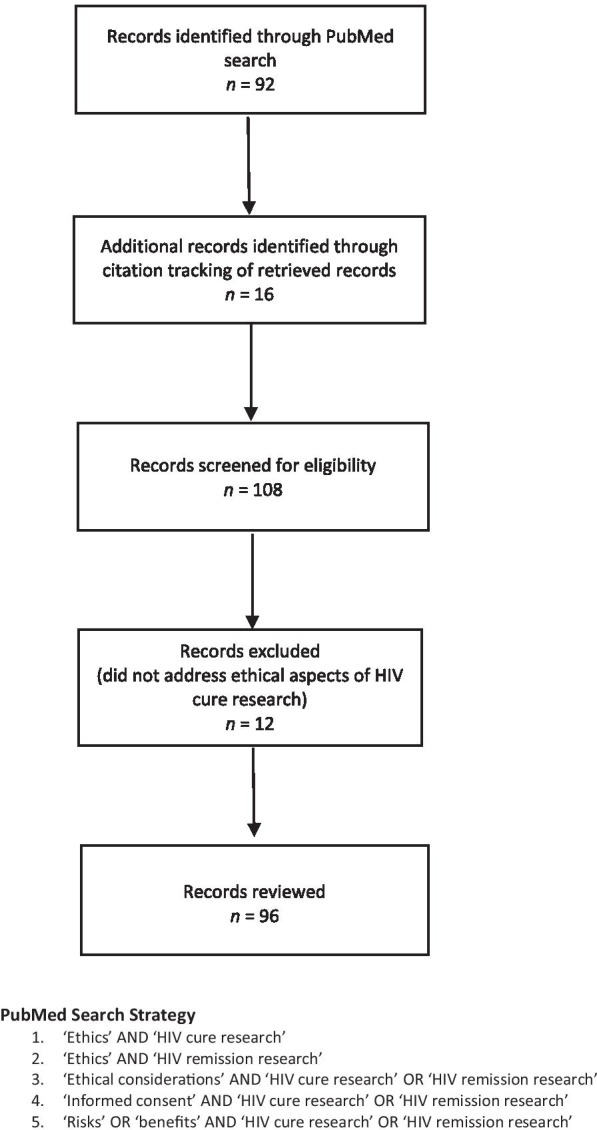
We conducted a scoping review of the growing HIV cure research ethics literature, focusing on articles published in English peer-reviewed journals from 2013 to 2021. We extracted and summarized key developments in the ethics of HIV cure research. Twelve community advocates actively engaged in HIV cure research provided input on this summary and suggested areas warranting further ethical inquiry and foresight via email exchange and video conferencing.
Despite substantial scholarship related to the ethics of HIV cure research, additional attention should focus on emerging issues in six categories of ethical issues: (1) social value (ongoing and emerging biomedical research and scalability considerations); (2) scientific validity (study design issues, such as the use of analytical treatment interruptions and placebos); (3) fair selection of participants (equity and justice considerations); (4) favorable benefit/risk balance (early phase research, benefit-risk balance, risk perception, psychological risks, and pediatric research); (5) informed consent (attention to language, decision-making, informed consent processes and scientific uncertainty); and (6) respect for enrolled participants and community (perspectives of people living with HIV and affected communities and representation).
HIV cure research ethics has an unfinished agenda. Scientific research and bioethics should work in tandem to advance ethical HIV cure research. Because the science of HIV cure research will continue to rapidly advance, ethical considerations of the major themes we identified will need to be revisited and refined over time.
研究人员、资助机构、政府和艾滋病毒感染者(PLWH)都将治愈 HIV 作为当务之急。迄今为止,全世界有 250 多项与发现安全、有效和可扩展的 HIV 治愈方法相关的生物医学研究,其中大多数是早期转化研究和实验医学。随着 HIV 治愈研究的增加,必须确定并解决该研究带来的伦理挑战。
我们对不断增长的 HIV 治愈研究伦理文献进行了范围界定审查,重点关注 2013 年至 2021 年期间在英语同行评审期刊上发表的文章。我们提取并总结了 HIV 治愈研究伦理的关键发展。十二位积极参与 HIV 治愈研究的社区倡导者通过电子邮件交流和视频会议对该总结提供了意见,并提出了值得进一步伦理探究和前瞻性思考的领域。
尽管与 HIV 治愈研究的伦理问题相关的研究很多,但应更多地关注六个类别的新兴问题:(1)社会价值(正在进行和新兴的生物医学研究和可扩展性考虑);(2)科学有效性(研究设计问题,如分析性治疗中断和安慰剂的使用);(3)参与者的公平选择(公平和公正的考虑);(4)有利的利益/风险平衡(早期研究、利益风险平衡、风险感知、心理风险和儿科研究);(5)知情同意(关注语言、决策、知情同意过程和科学不确定性);(6)尊重入组参与者和社区(艾滋病毒感染者和受影响社区的观点以及代表性)。
HIV 治愈研究的伦理问题尚未得到解决。科学研究和生物伦理学应该协同工作,推进符合伦理的 HIV 治愈研究。由于 HIV 治愈研究的科学将继续快速发展,我们确定的主要主题的伦理考虑将需要随着时间的推移进行重新审视和完善。