La Greca Saint-Esteven Agustina, Vuong Diem, Tschanz Fabienne, van Timmeren Janita E, Dal Bello Riccardo, Waller Verena, Pruschy Martin, Guckenberger Matthias, Tanadini-Lang Stephanie
Department of Radiation Oncology, University Hospital Zurich and University of Zurich, 8091 Zurich, Switzerland.
Laboratory of Applied Radiobiology, Department of Radiation Oncology, University of Zurich, 8091 Zurich, Switzerland.
Cancers (Basel). 2021 Jun 16;13(12):3015. doi: 10.3390/cancers13123015.
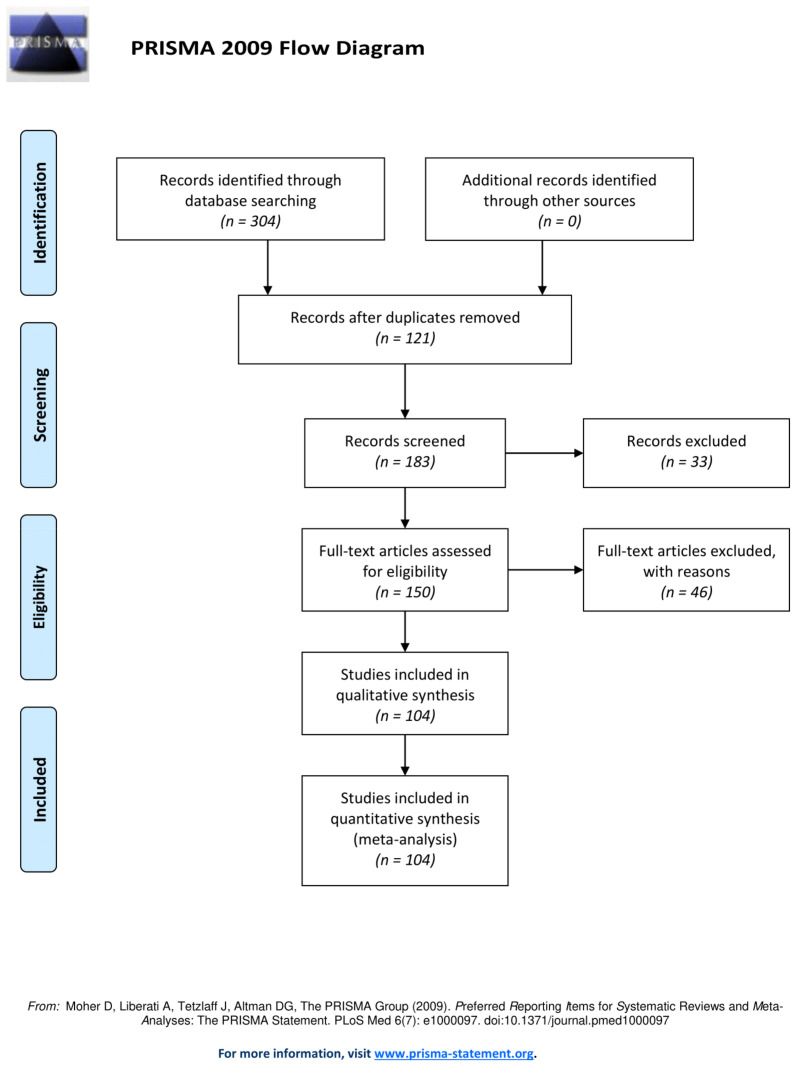
Radiomics supposes an alternative non-invasive tumor characterization tool, which has experienced increased interest with the advent of more powerful computers and more sophisticated machine learning algorithms. Nonetheless, the incorporation of radiomics in cancer clinical-decision support systems still necessitates a thorough analysis of its relationship with tumor biology. Herein, we present a systematic review focusing on the clinical evidence of radiomics as a surrogate method for tumor molecular profile characterization. An extensive literature review was conducted in PubMed, including papers on radiomics and a selected set of clinically relevant and commonly used tumor molecular markers. We summarized our findings based on different cancer entities, additionally evaluating the effect of different modalities for the prediction of biomarkers at each tumor site. Results suggest the existence of an association between the studied biomarkers and radiomics from different modalities and different tumor sites, even though a larger number of multi-center studies are required to further validate the reported outcomes.
放射组学是一种替代性的非侵入性肿瘤特征描述工具,随着功能更强大的计算机和更复杂的机器学习算法的出现,其受到的关注日益增加。尽管如此,将放射组学纳入癌症临床决策支持系统仍需要对其与肿瘤生物学的关系进行全面分析。在此,我们进行了一项系统综述,重点关注放射组学作为肿瘤分子特征描述替代方法的临床证据。在PubMed上进行了广泛的文献综述,包括有关放射组学以及一组选定的临床相关且常用的肿瘤分子标志物的论文。我们根据不同的癌症实体总结了研究结果,还评估了不同模态对每个肿瘤部位生物标志物预测的影响。结果表明,尽管需要更多的多中心研究来进一步验证所报告的结果,但在所研究的生物标志物与来自不同模态和不同肿瘤部位的放射组学之间存在关联。