The Donnelly Centre, University of Toronto, Toronto, Canada.
Elife. 2021 Jul 2;10:e64951. doi: 10.7554/eLife.64951.
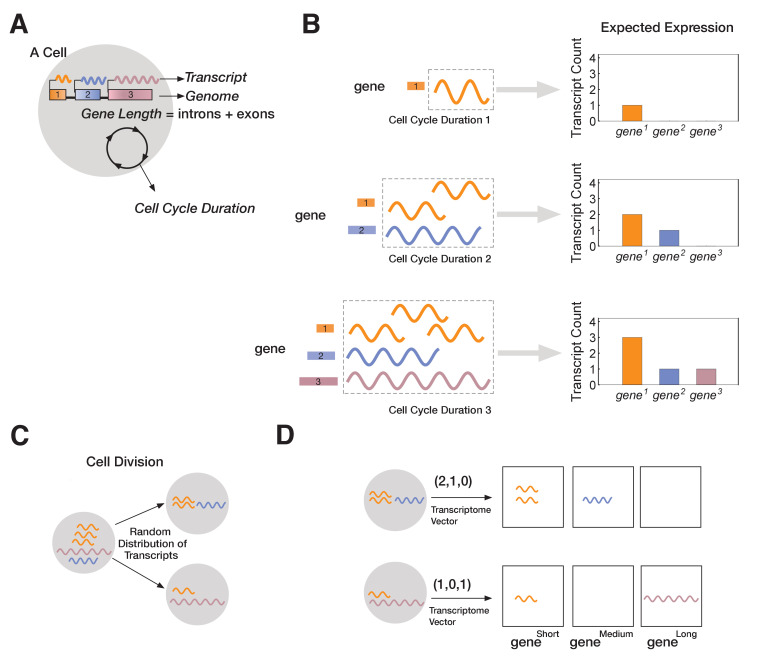
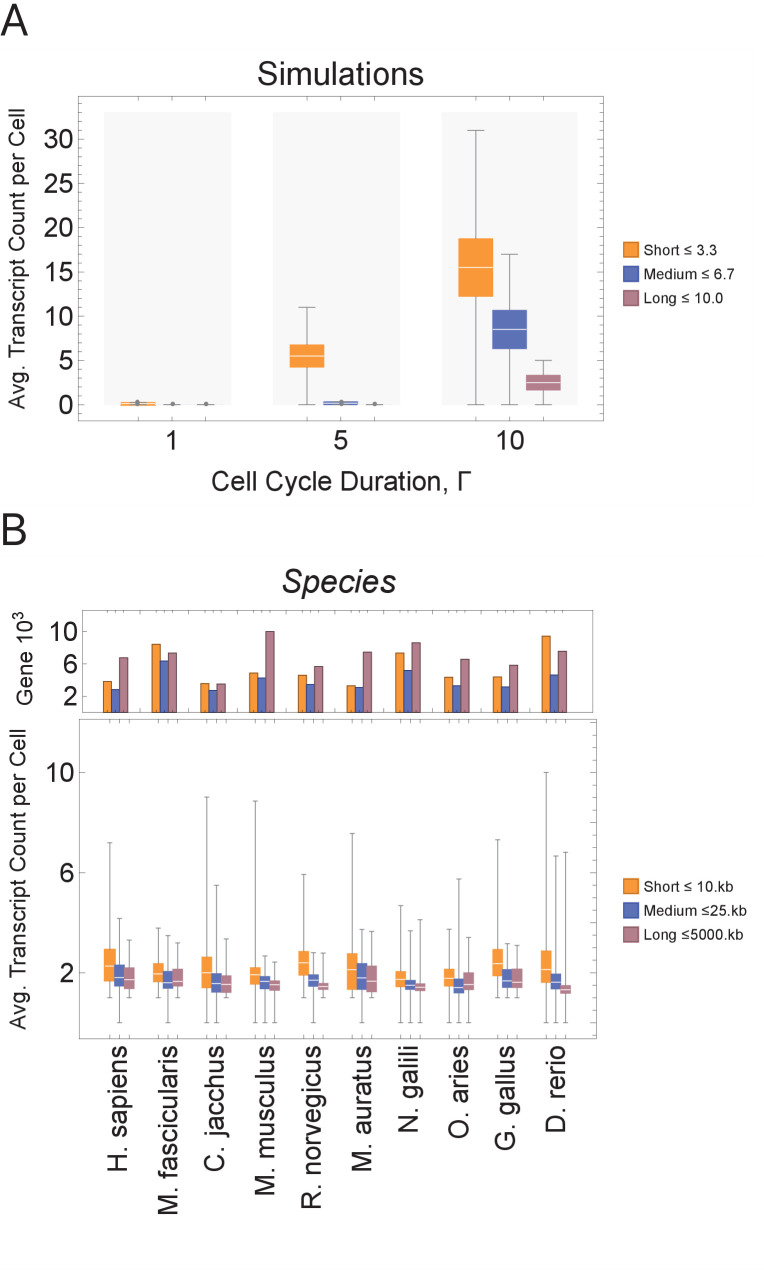
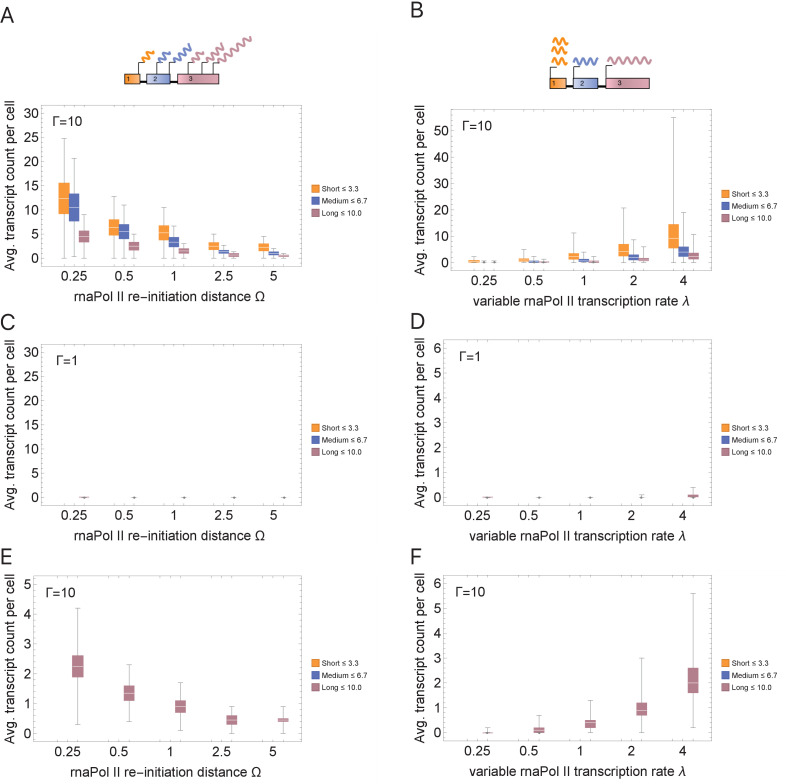
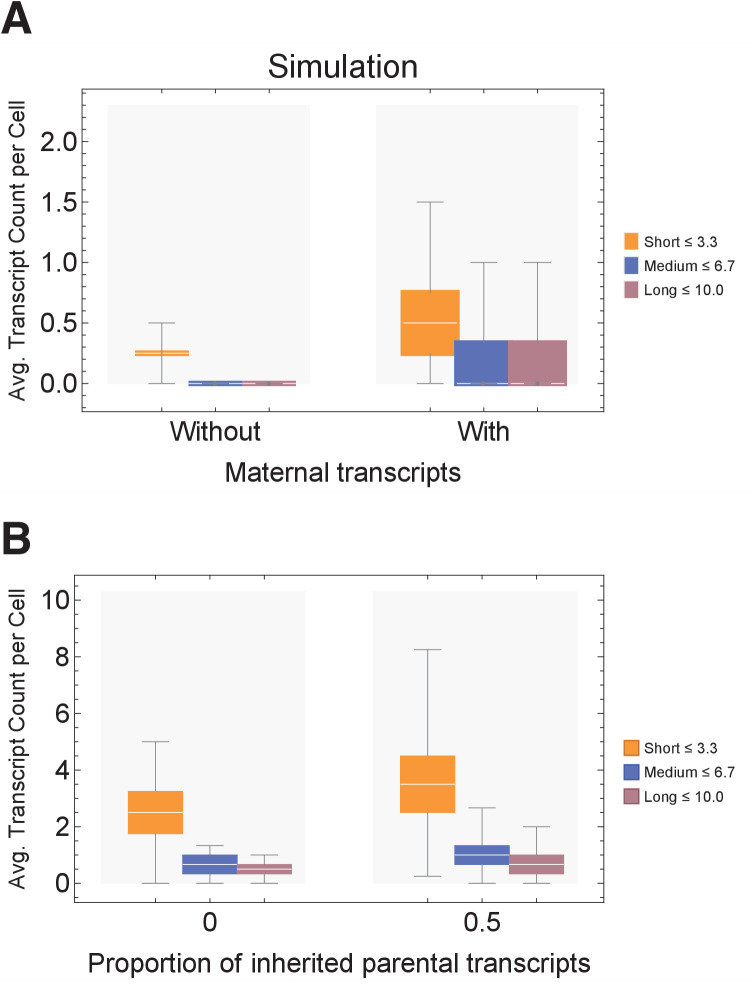
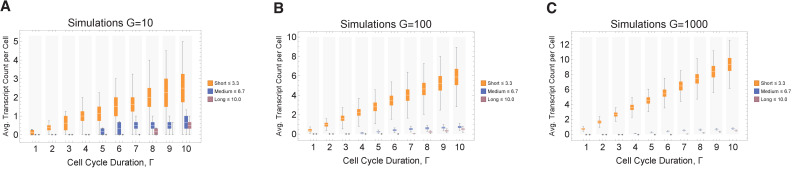
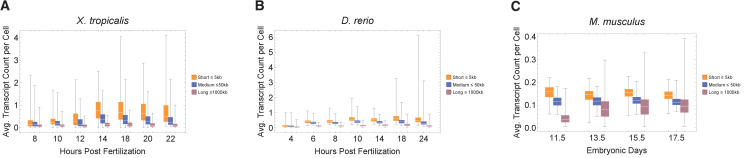
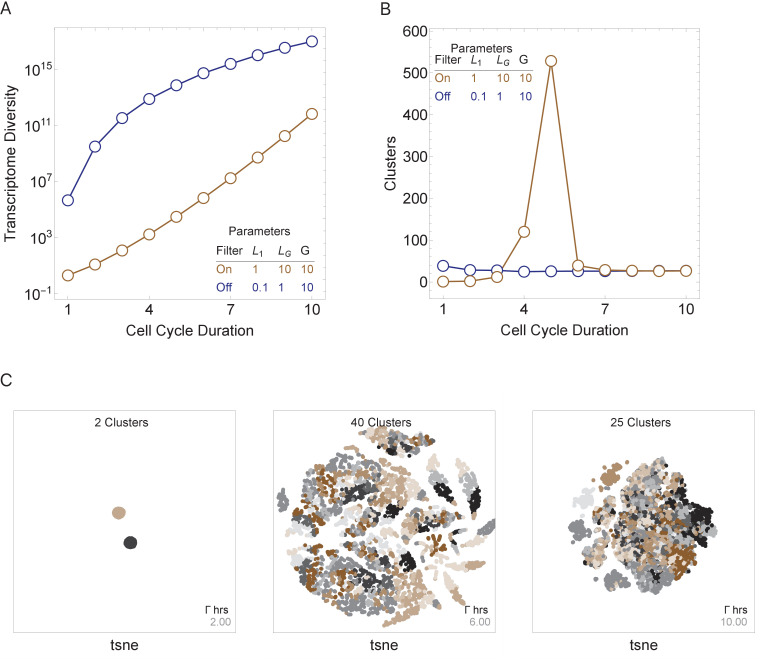
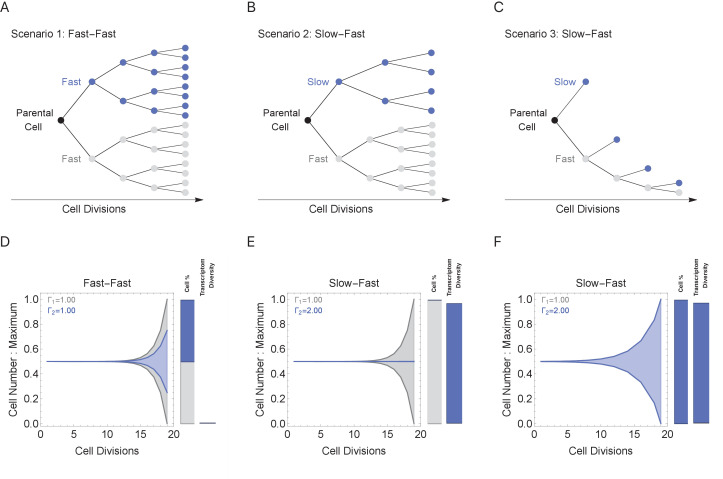
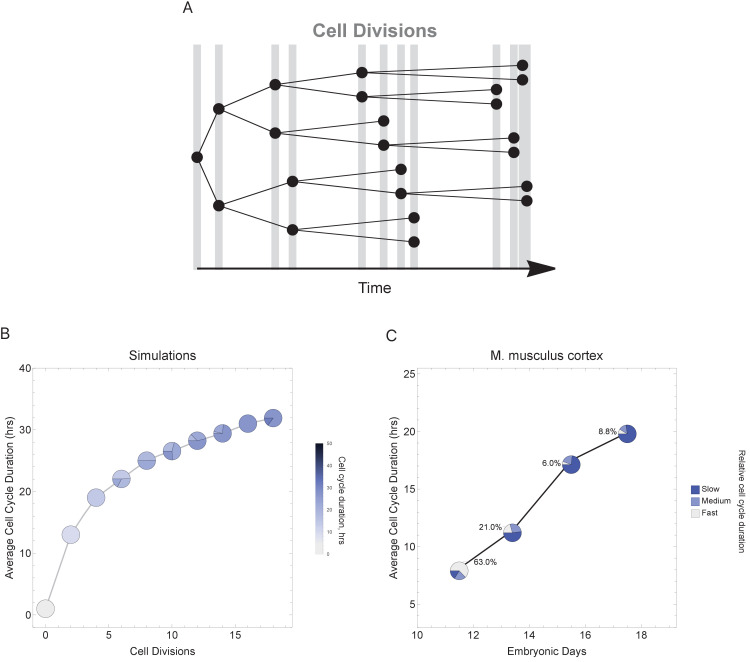
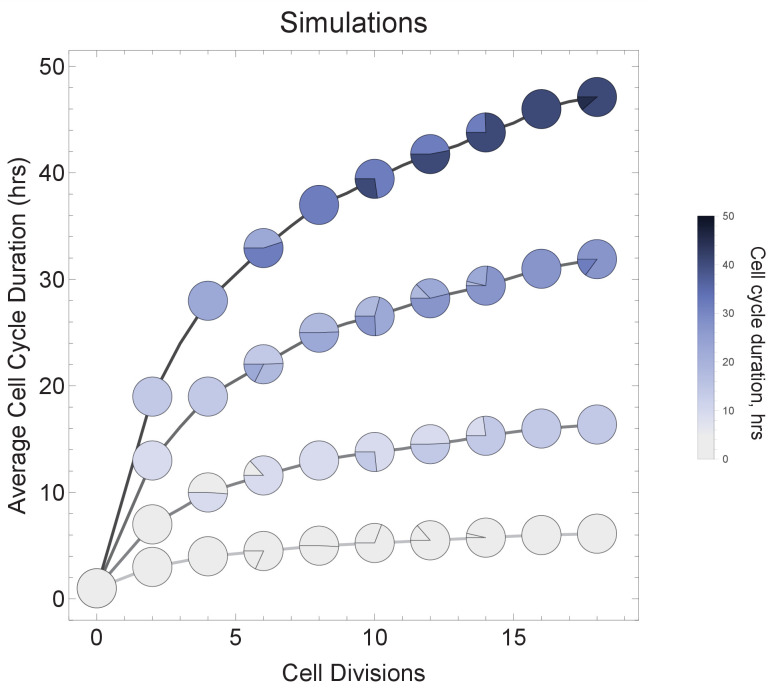
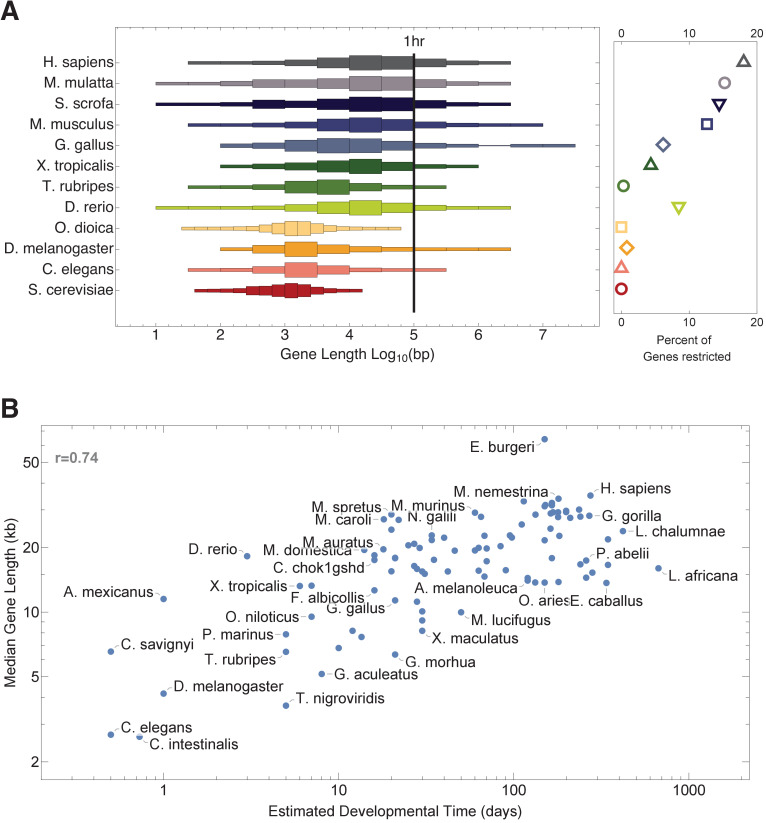
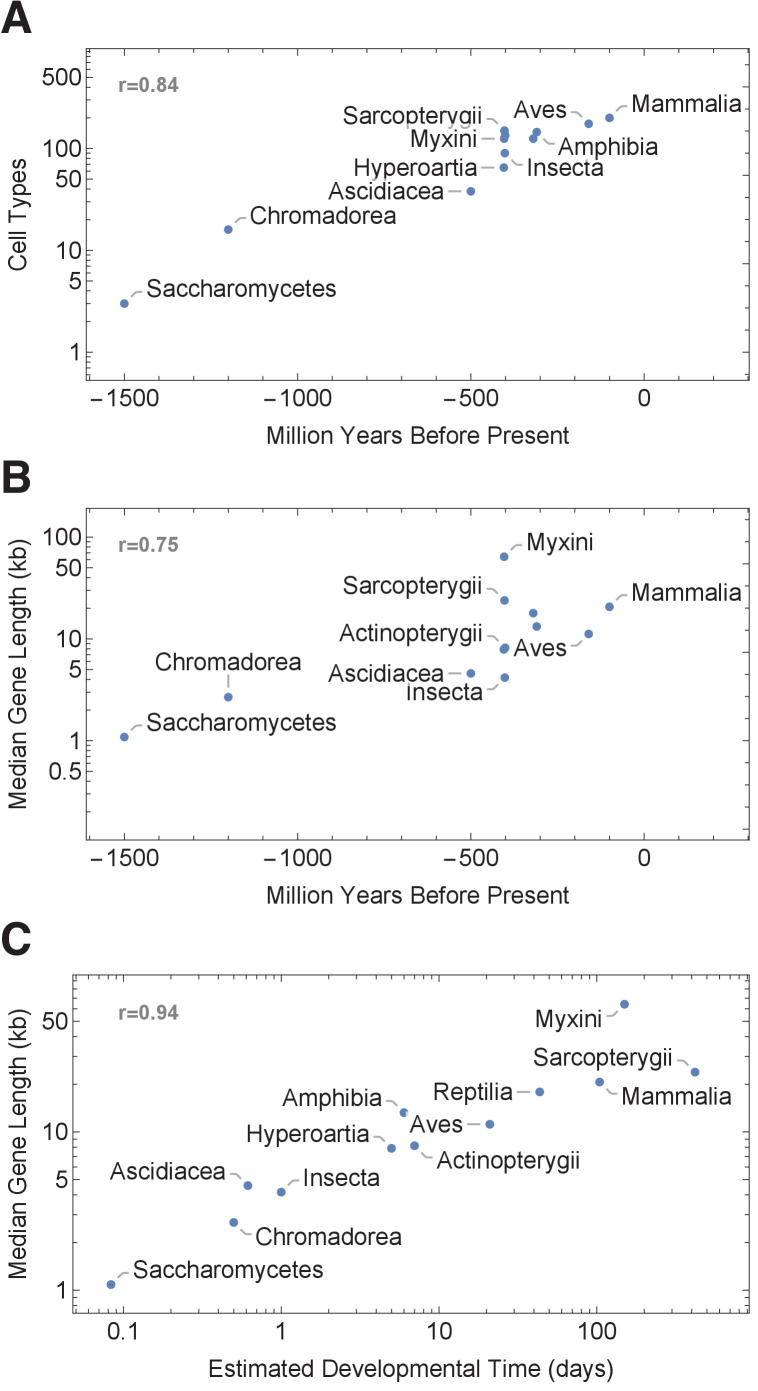
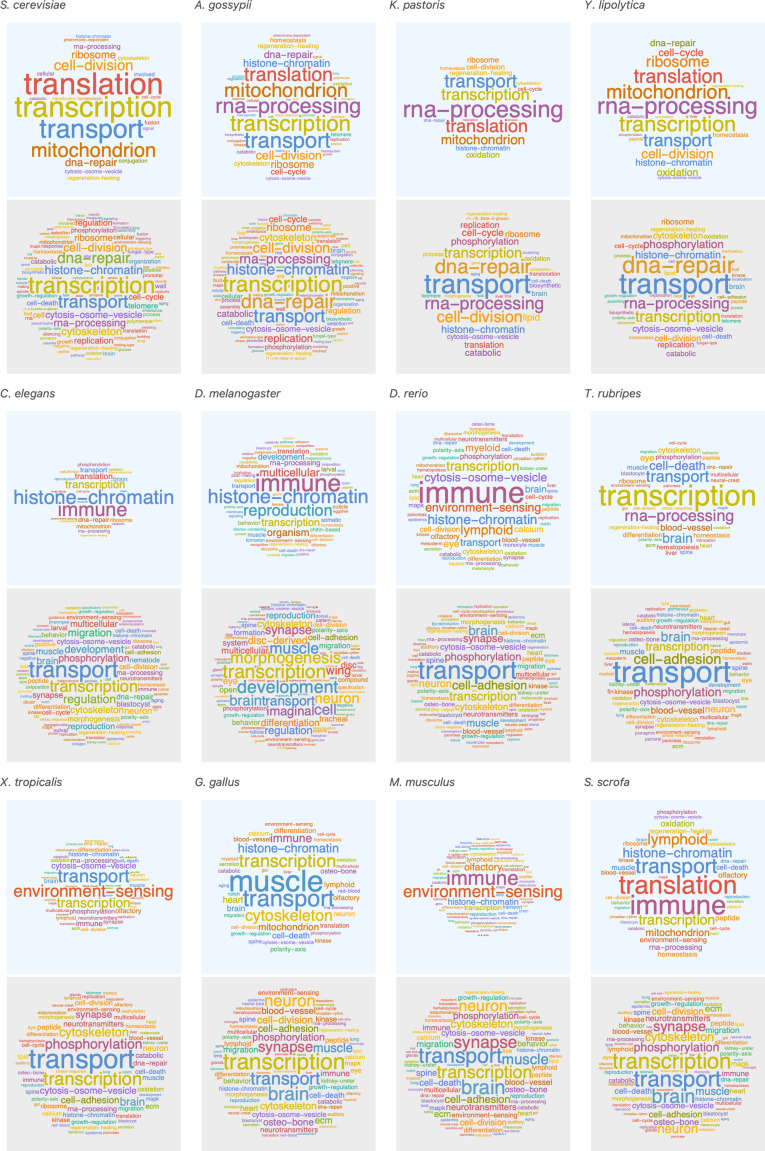
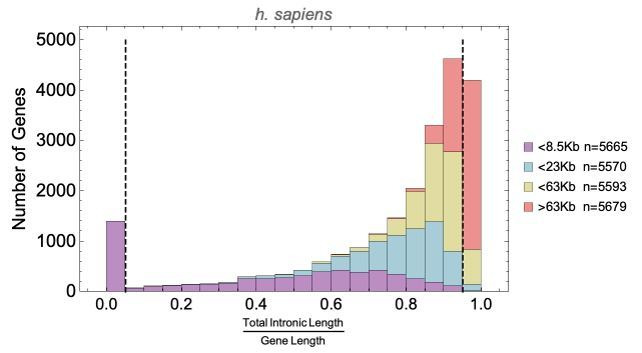
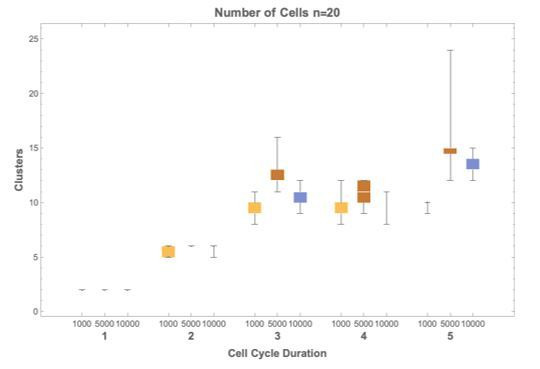
Cell cycle duration changes dramatically during development, starting out fast to generate cells quickly and slowing down over time as the organism matures. The cell cycle can also act as a transcriptional filter to control the expression of long gene transcripts, which are partially transcribed in short cycles. Using mathematical simulations of cell proliferation, we identify an emergent property that this filter can act as a tuning knob to control gene transcript expression, cell diversity, and the number and proportion of different cell types in a tissue. Our predictions are supported by comparison to single-cell RNA-seq data captured over embryonic development. Additionally, evolutionary genome analysis shows that fast-developing organisms have a narrow genomic distribution of gene lengths while slower developers have an expanded number of long genes. Our results support the idea that cell cycle dynamics may be important across multicellular animals for controlling gene transcript expression and cell fate.
细胞周期在发育过程中会发生显著变化,在快速产生细胞的初始阶段,细胞周期的速度很快,随着生物体的成熟,其速度逐渐减缓。细胞周期还可以作为转录过滤器,控制长基因转录本的表达,这些转录本在短周期内部分转录。我们通过对细胞增殖的数学模拟,确定了一个新的特性,即该过滤器可以作为一个调谐旋钮,控制基因转录本的表达、细胞多样性以及组织中不同细胞类型的数量和比例。我们的预测与胚胎发育过程中捕获的单细胞 RNA-seq 数据进行了比较,得到了支持。此外,进化基因组分析表明,快速发育的生物体具有基因长度的狭窄基因组分布,而发育较慢的生物体则具有更多的长基因。我们的研究结果支持这样一种观点,即细胞周期动力学可能对控制基因转录本表达和细胞命运的多细胞动物具有重要意义。