Ruan Dan-Yun, Li Ting, Wang Ying-Nan, Meng Qi, Li Yang, Yu Kai, Wang Min, Lin Jin-Fei, Luo Li-Zhi, Wang De-Shen, Lin Jun-Zhong, Bai Long, Liu Ze-Xian, Zhao Qi, Wu Xiang-Yuan, Ju Huai-Qiang, Xu Rui-Hua
State Key Laboratory of Oncology in South China, Collaborative Innovation Center for Cancer Medicine, Sun Yat-sen University Cancer Center, Guangzhou, P. R. China.
Department of Guangdong Key Laboratory of Liver Disease, The Third Affiliated Hospital of Sun Yat-sen University, Guangzhou, China.
Oncogene. 2021 Aug;40(33):5168-5181. doi: 10.1038/s41388-021-01916-0. Epub 2021 Jul 3.
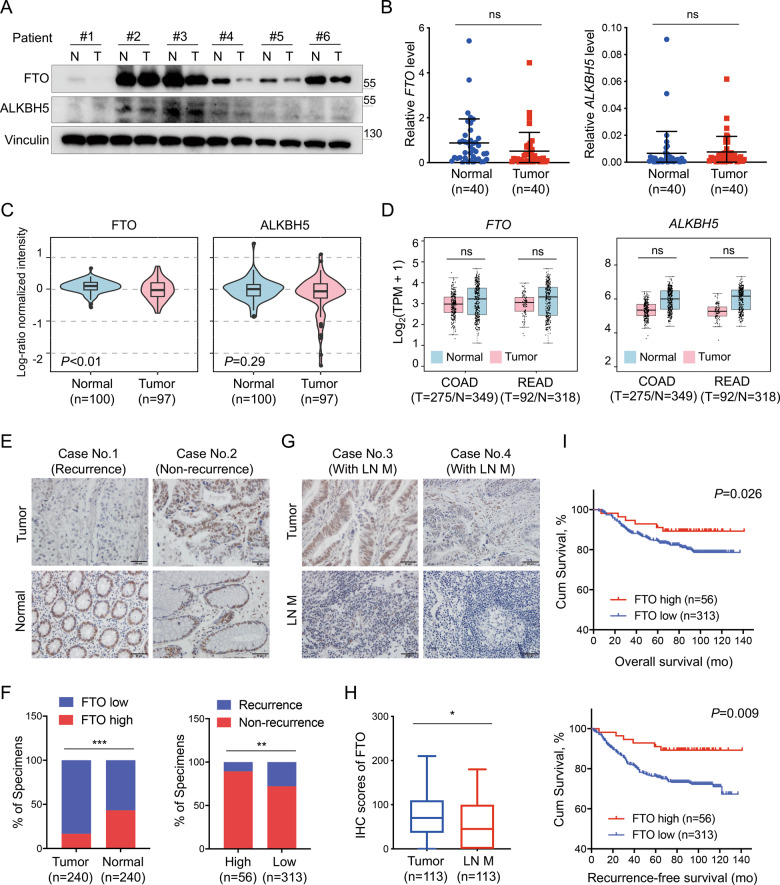
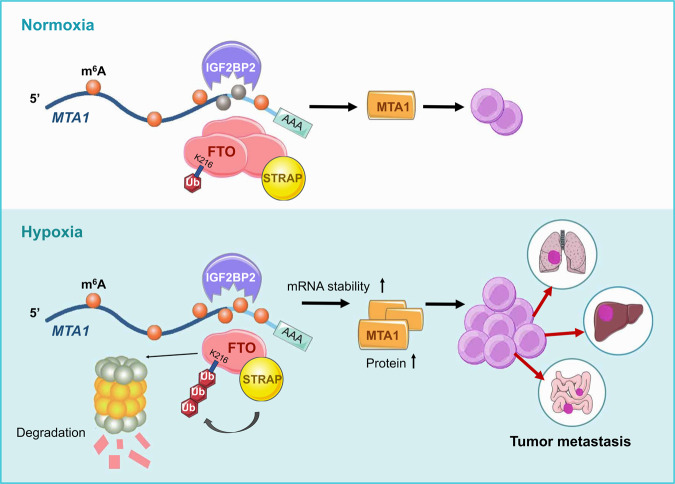
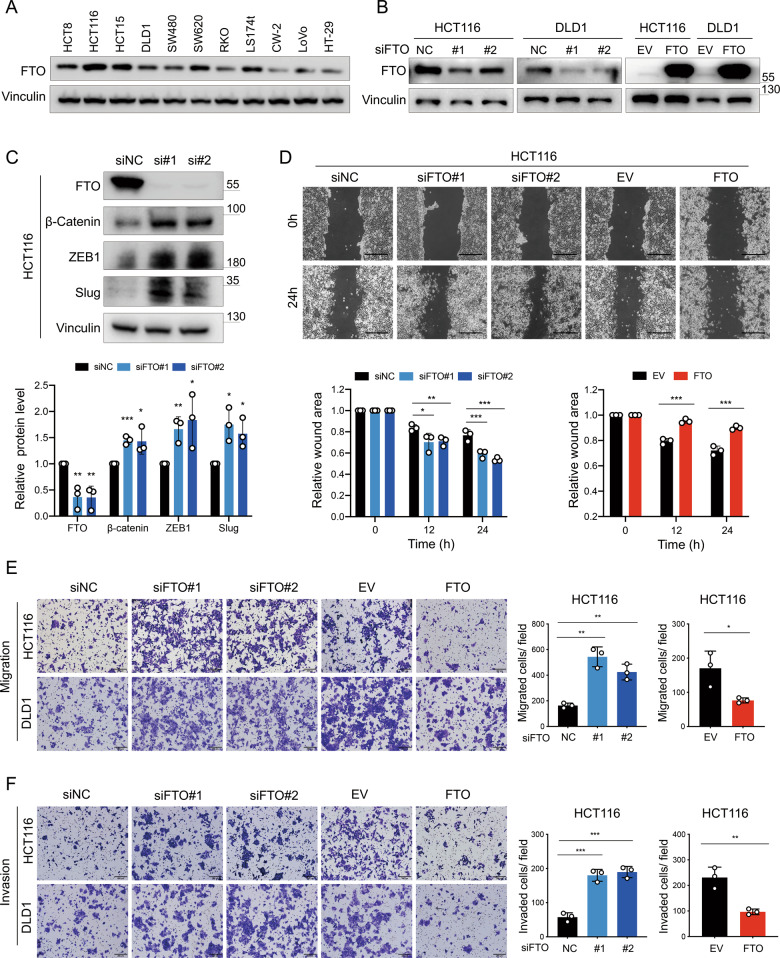
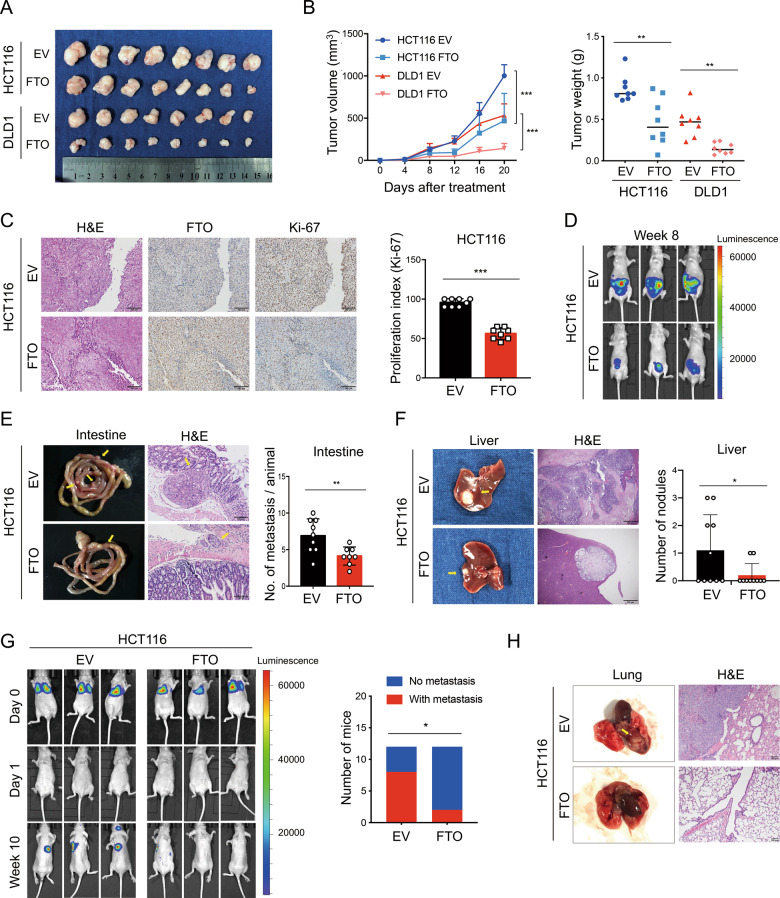
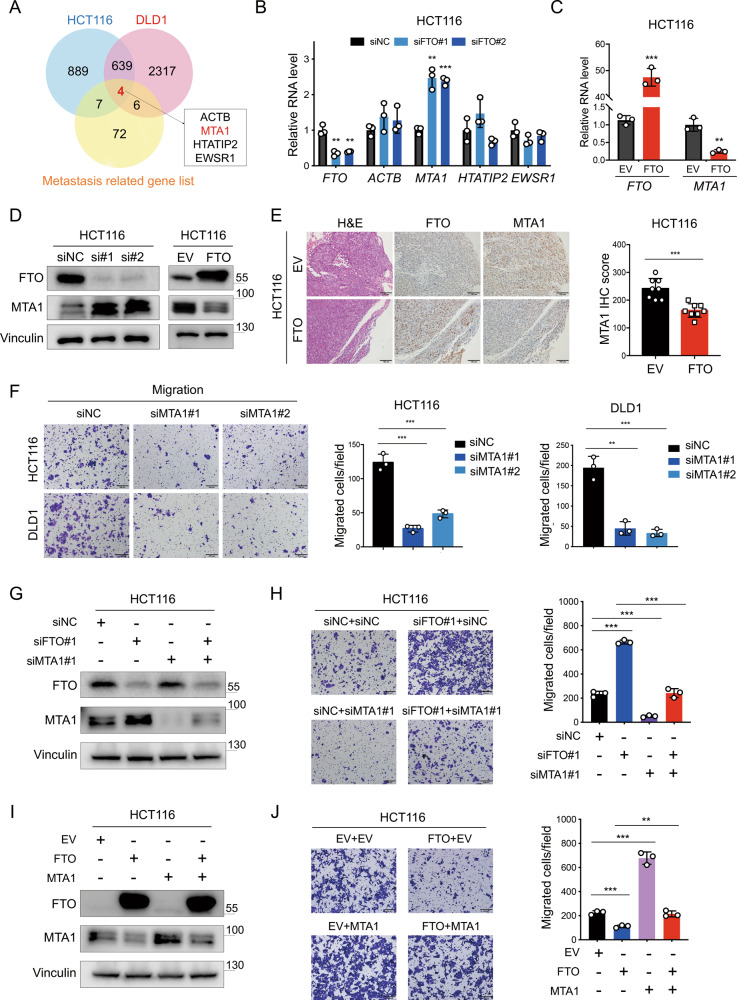
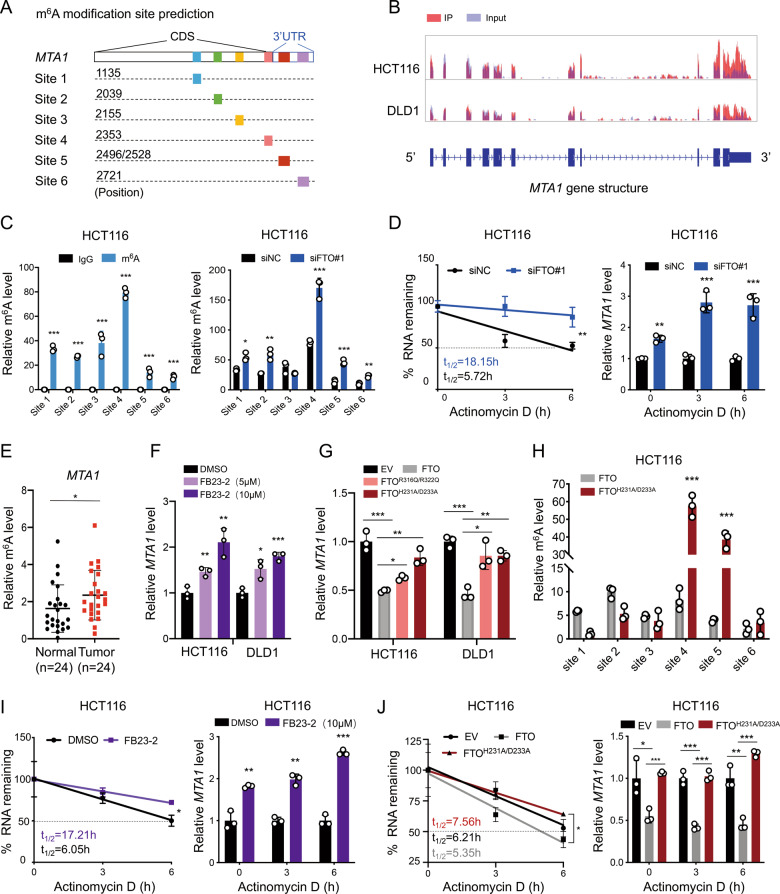
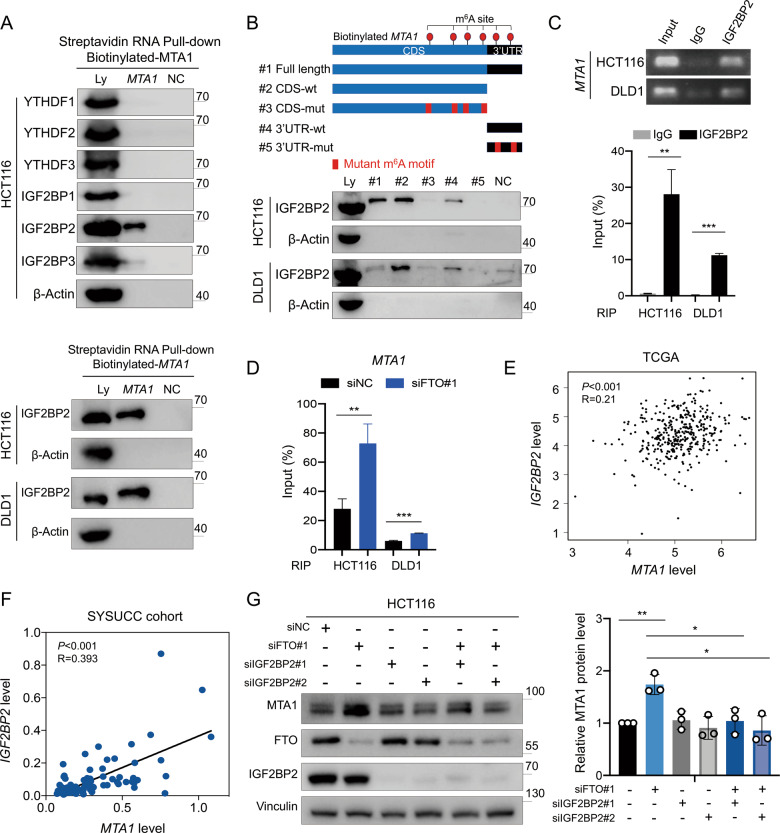
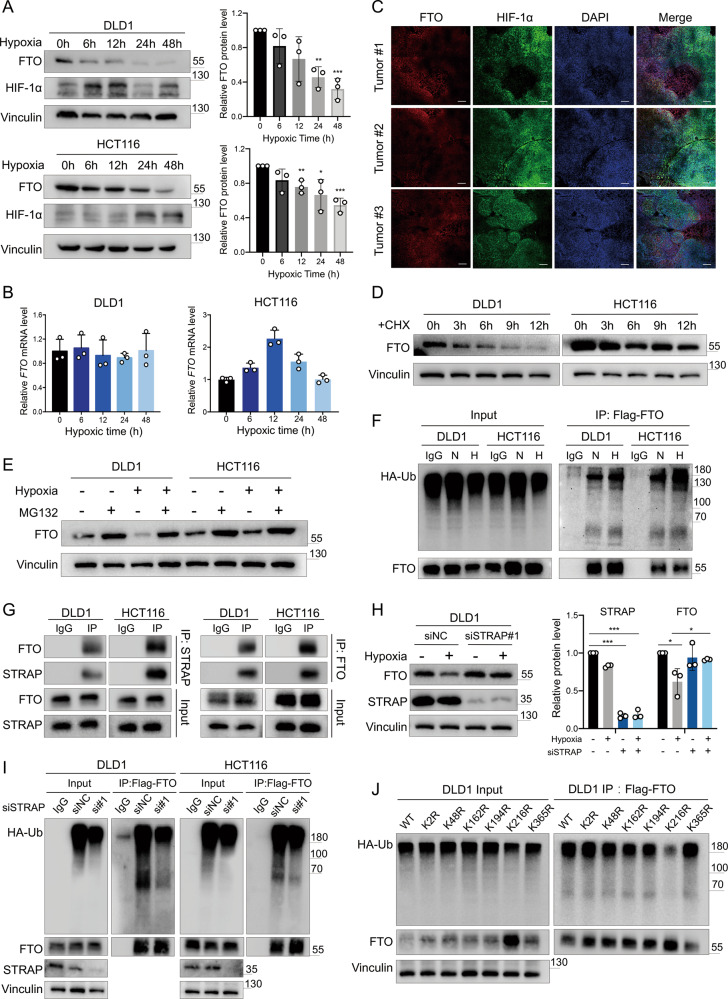
Fat mass and obesity-associated protein (FTO), an N6-methyladenosine (mA) demethylase, participates in tumor progression and metastasis in many malignancies, but its role in colorectal cancer (CRC) is still unclear. Here, we found that FTO protein levels, but not RNA levels, were downregulated in CRC tissues. Reduced FTO protein expression was correlated with a high recurrence rate and poor prognosis in resectable CRC patients. Moreover, we demonstrated that hypoxia restrained FTO protein expression, mainly due to an increase in ubiquitin-mediated protein degradation. The serine/threonine kinase receptor associated protein (STRAP) might served as the E3 ligase and K216 was the major ubiquitination site responsible for hypoxia-induced FTO degradation. FTO inhibited CRC metastasis both in vitro and in vivo. Mechanistically, FTO exerted a tumor suppressive role by inhibiting metastasis-associated protein 1 (MTA1) expression in an mA-dependent manner. Methylated MTA1 transcripts were recognized by an mA "reader", insulin-like growth factor 2 mRNA binding protein 2 (IGF2BP2), which then stabilized its mRNA. Together, our findings highlight the critical role of FTO in CRC metastasis and reveal a novel epigenetic mechanism by which the hypoxic tumor microenvironment promotes CRC metastasis.
脂肪量与肥胖相关蛋白(FTO)是一种N6-甲基腺苷(m6A)去甲基化酶,在多种恶性肿瘤的肿瘤进展和转移中发挥作用,但其在结直肠癌(CRC)中的作用仍不清楚。在此,我们发现CRC组织中FTO蛋白水平下调,但RNA水平未下调。FTO蛋白表达降低与可切除CRC患者的高复发率和不良预后相关。此外,我们证明缺氧抑制FTO蛋白表达,主要是由于泛素介导的蛋白质降解增加。丝氨酸/苏氨酸激酶受体相关蛋白(STRAP)可能作为E3连接酶,K216是缺氧诱导FTO降解的主要泛素化位点。FTO在体外和体内均抑制CRC转移。机制上,FTO通过以m6A依赖的方式抑制转移相关蛋白1(MTA1)表达发挥肿瘤抑制作用。甲基化的MTA1转录本被一种m6A“阅读器”——胰岛素样生长因子2 mRNA结合蛋白2(IGF2BP2)识别,然后使其mRNA稳定。总之,我们的研究结果突出了FTO在CRC转移中的关键作用,并揭示了一种新的表观遗传机制,即缺氧肿瘤微环境促进CRC转移。