Chen Guofang, Liu Binya, Yin Shasha, Li Shuangdi, Guo Yu'e, Wang Mengfei, Wang Kai, Wan Xiaoping
Clinical and Translational Research Center, Shanghai First Maternity and Infant Hospital, Tongji University School of Medicine, Shanghai, China.
Department of Gynecology, Shanghai First Maternity and Infant Hospital, Tongji University School of Medicine, Shanghai, China.
Oncogenesis. 2020 Sep 11;9(9):81. doi: 10.1038/s41389-020-00265-z.
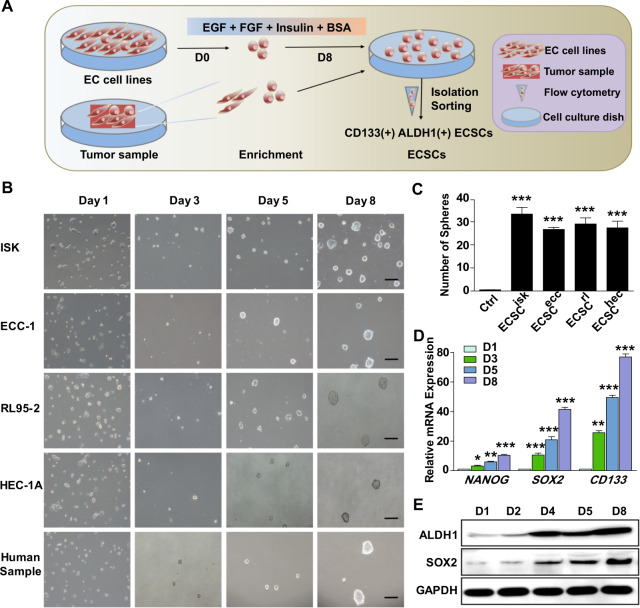
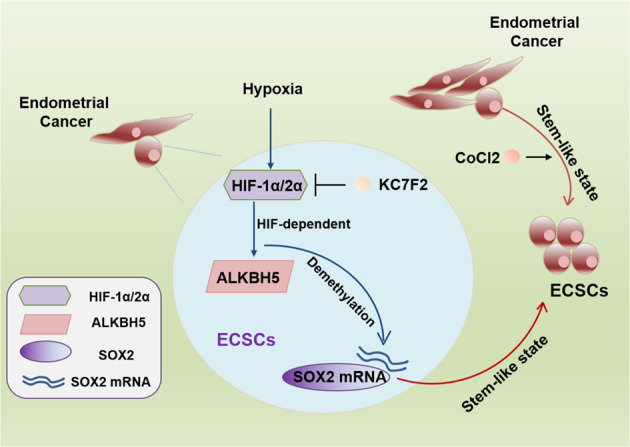
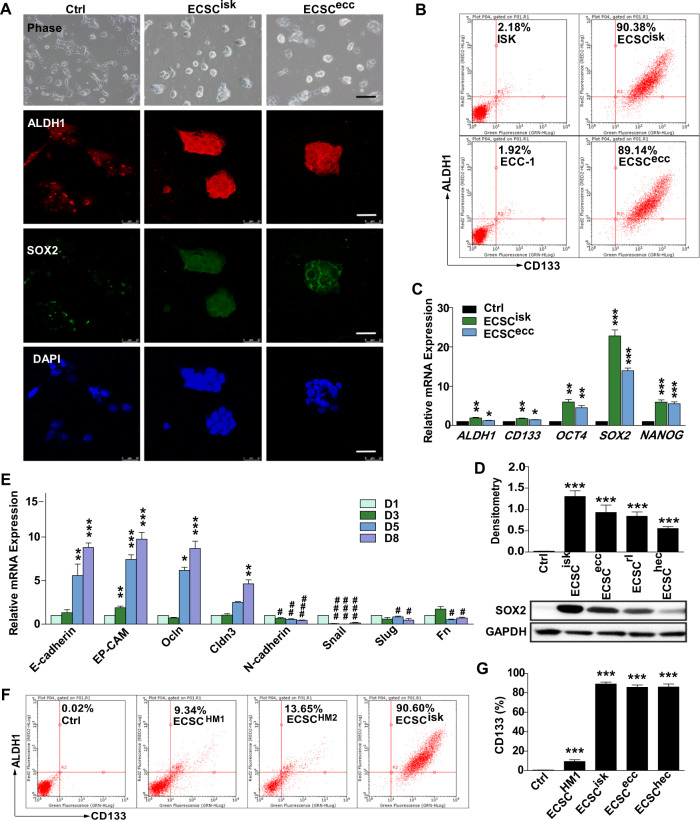
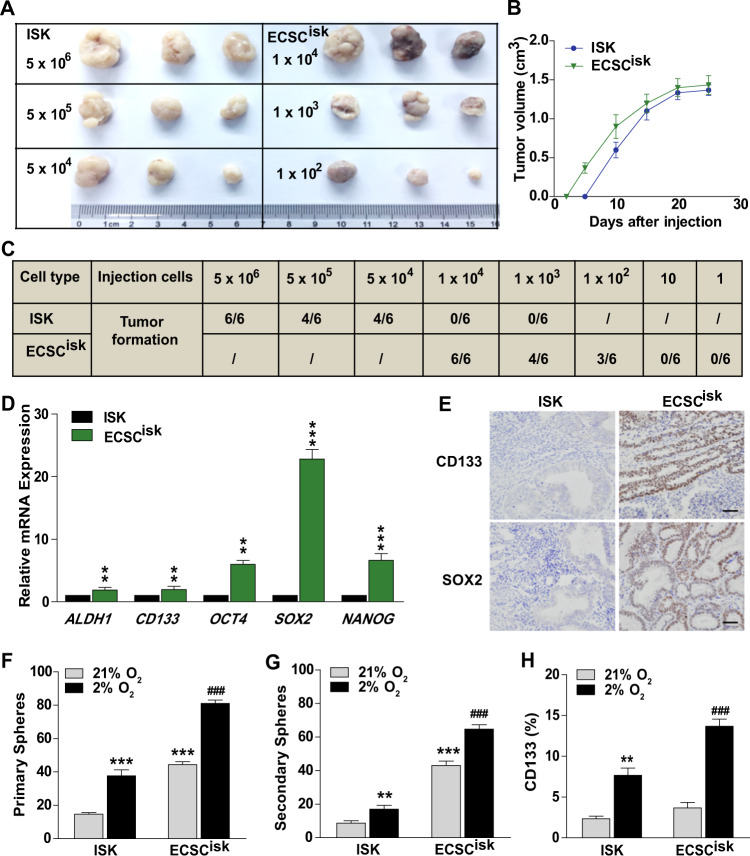
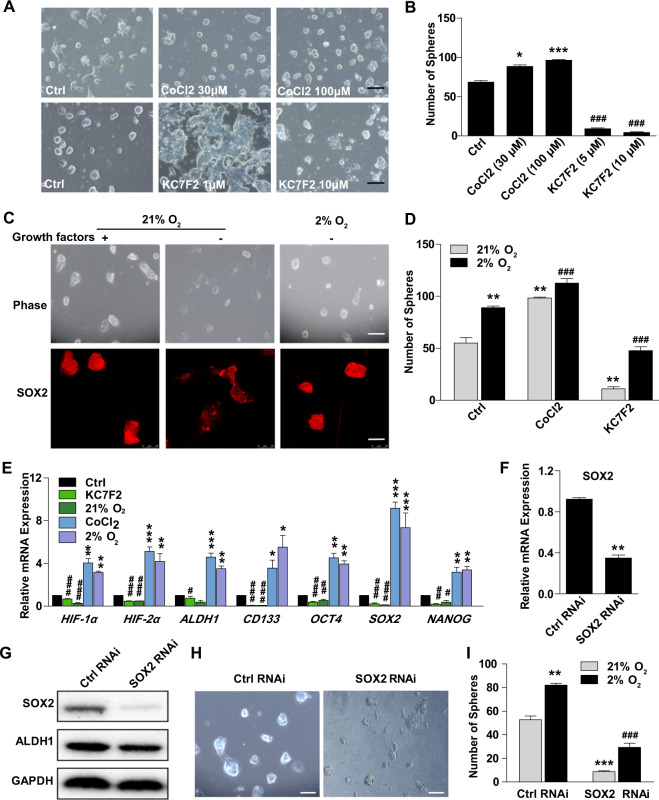
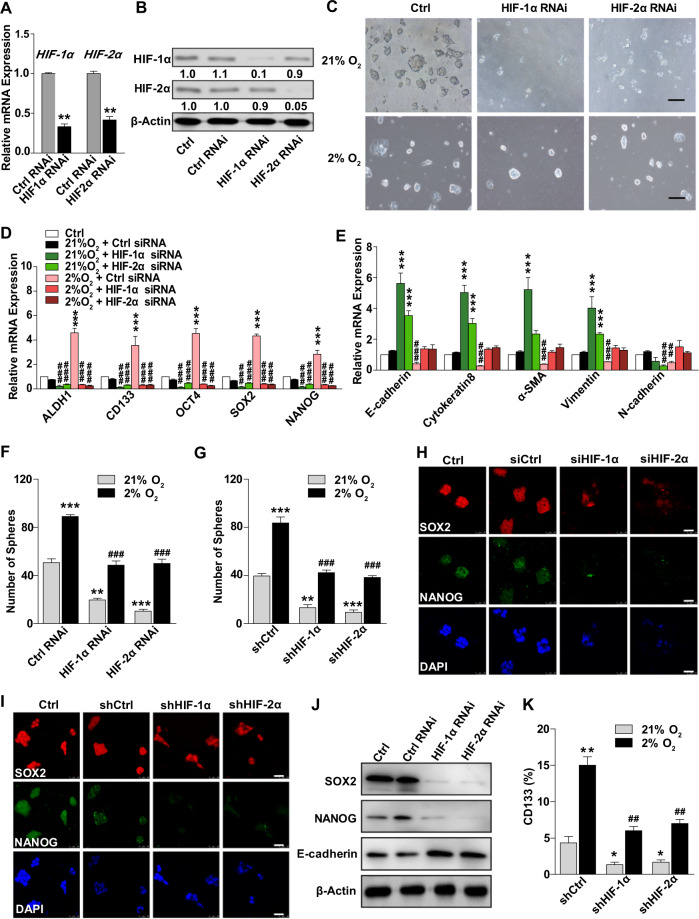
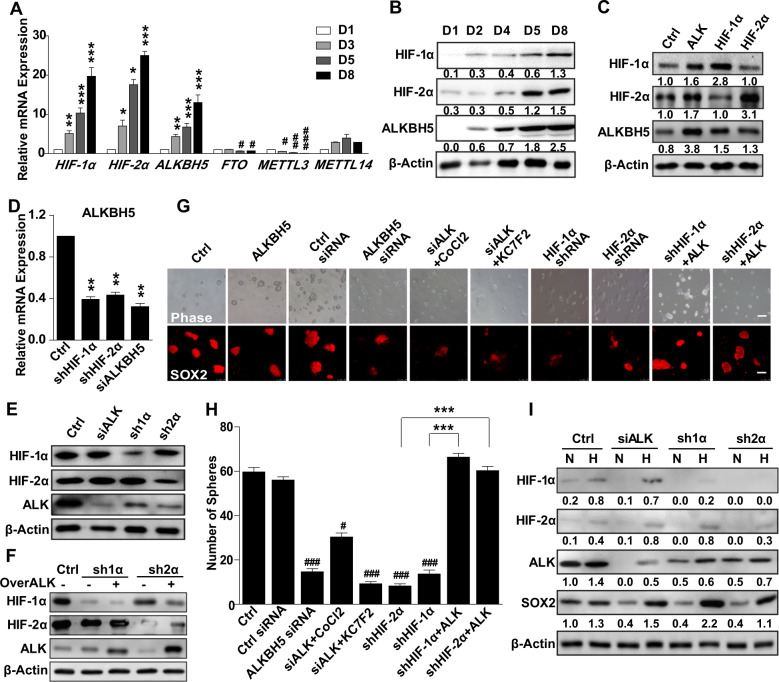
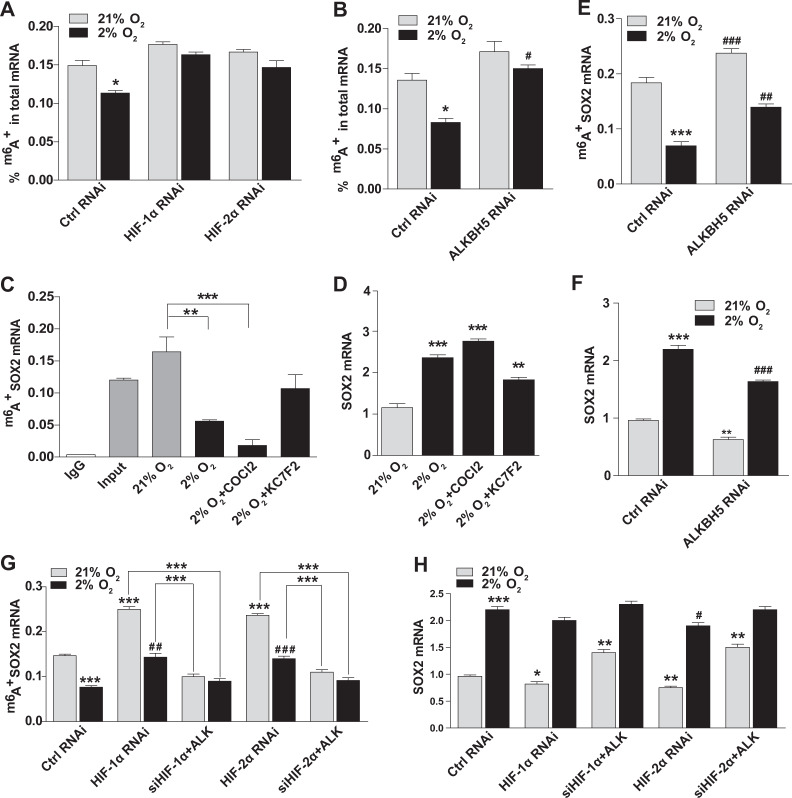
Endometrial cancer stem cells (ECSCs) are stem-like cells endowed with self-renewal and differentiation abilities, and these cells are essential for cancer progression in endometrial cancer (EC). As hallmarks of the tumour microenvironment (TME), hypoxia and hypoxia-inducing factors (HIFs) give rise to the dysregulation of tumour stemness genes, such as SOX2. Against this backdrop, we investigated the regulatory mechanisms regulated by HIFs and SOX2 in ECSCs during EC development. Here, ECSCs isolated from EC cell lines and tissues were found to express stemness genes (CD133 and aldehyde dehydrogenase, ALDH1) following the induction of their ECSC expansion. Notably, mA methylation of RNA and HIF-1α/2α-dependent AlkB homologue 5 (ALKBH5) participate in the regulation of HIFs and SOX2 in EC, as confirmed by the observations that mRNA levels of mA demethylases and ALKBH5 significantly increase under hypoxic conditions in ECSCs. Moreover, hypoxia and high ALKBH5 levels restore the stem-like state of differentiated ECSCs and increase the ECSC-like phenotype, whereas the knockdown of HIFs or ALKBH5 significantly reduces their tumour initiation capacity. In addition, our findings validate the role of ALKBH5 in promoting SOX2 transcription via mRNA demethylation, thereby maintaining the stem-like state and tumorigenicity potential of ECSCs. In conclusion, these observations demonstrate a critical role for mA methylation-mediated regulation of the HIF-ALKBH5-SOX2 axis during ECSC expansion in hypoxic TMEs.
子宫内膜癌干细胞(ECSCs)是具有自我更新和分化能力的类干细胞,这些细胞对子宫内膜癌(EC)的癌症进展至关重要。作为肿瘤微环境(TME)的标志,缺氧和缺氧诱导因子(HIFs)会导致肿瘤干性基因(如SOX2)的失调。在此背景下,我们研究了EC发生过程中HIFs和SOX2在ECSCs中的调控机制。在这里,从EC细胞系和组织中分离出的ECSCs在诱导其ECSC扩增后被发现表达干性基因(CD133和醛脱氢酶,ALDH1)。值得注意的是,RNA的mA甲基化和HIF-1α/2α依赖性AlkB同源物5(ALKBH5)参与了EC中HIFs和SOX2的调控,ECSCs在缺氧条件下mA去甲基化酶和ALKBH5的mRNA水平显著增加的观察结果证实了这一点。此外,缺氧和高ALKBH5水平可恢复分化的ECSCs的类干细胞状态并增加ECSC样表型,而敲低HIFs或ALKBH5则显著降低其肿瘤起始能力。此外,我们的研究结果验证了ALKBH5通过mRNA去甲基化促进SOX2转录的作用,从而维持ECSCs的类干细胞状态和致瘤潜力。总之,这些观察结果表明在缺氧TMEs中ECSC扩增过程中,mA甲基化介导的HIF-ALKBH5-SOX2轴调控起着关键作用。