Shao Liting, Shen Weiran, Wang Shengqi, Qiu Jianming
Beijing Institute of Radiation Medicine, Beijing, China.
Department of Microbiology, Molecular Genetics and Immunology, University of Kansas Medical Center, Kansas City, KS, United States.
Front Microbiol. 2021 Jun 16;12:696604. doi: 10.3389/fmicb.2021.696604. eCollection 2021.
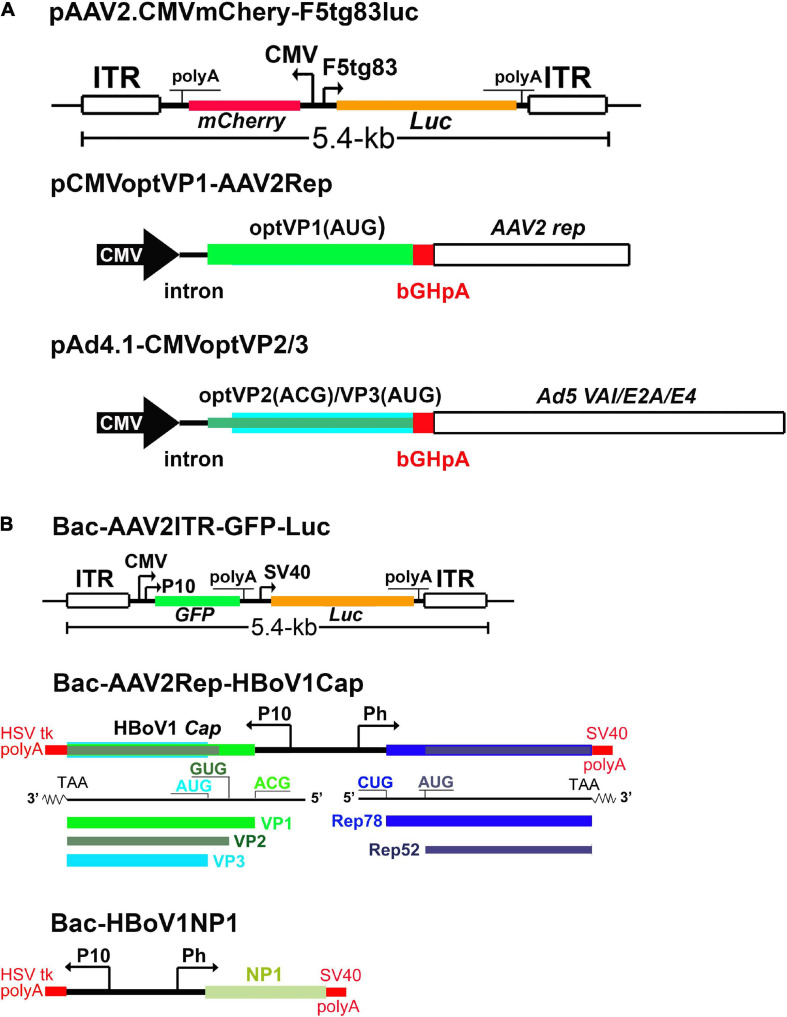
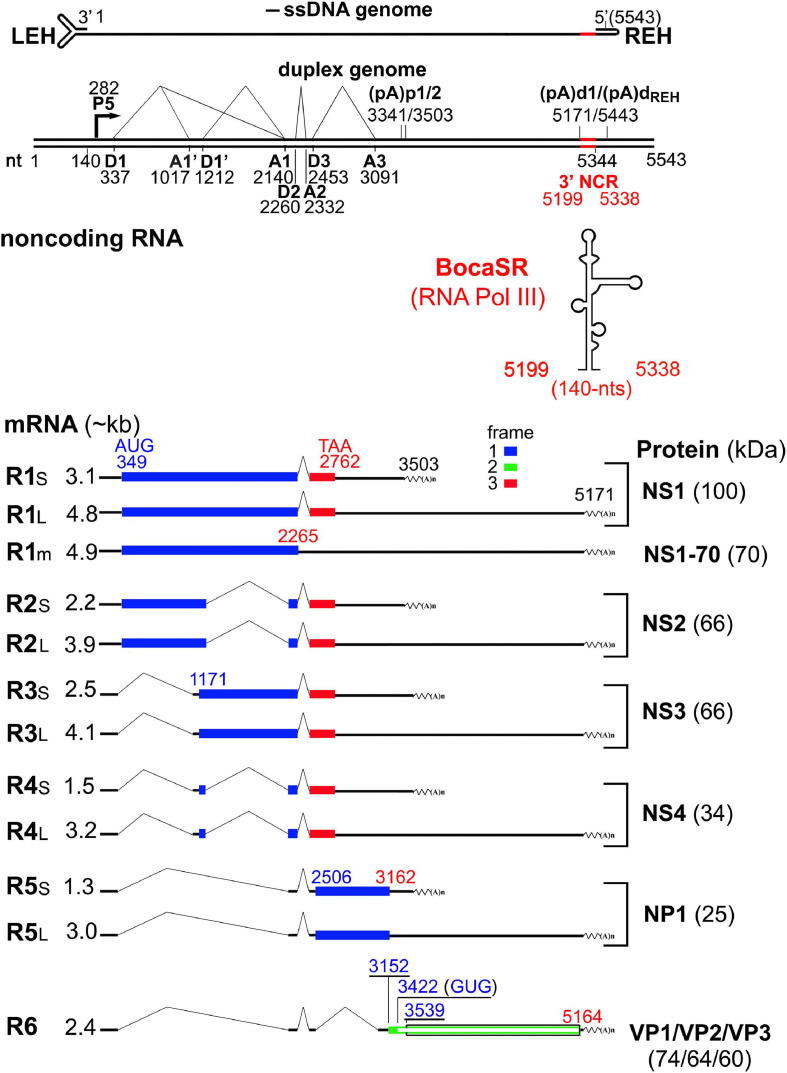
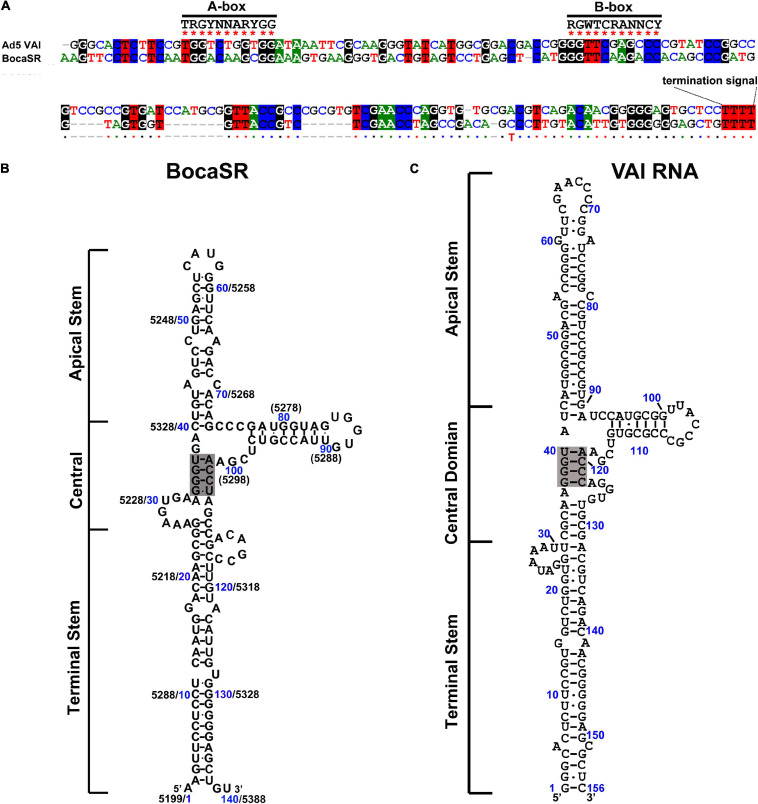
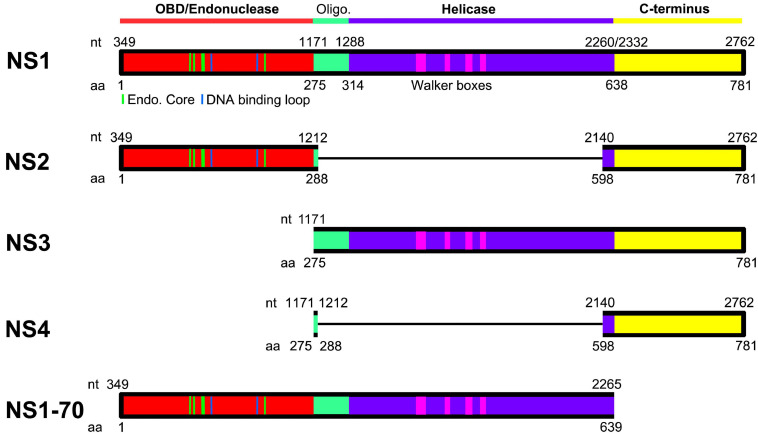
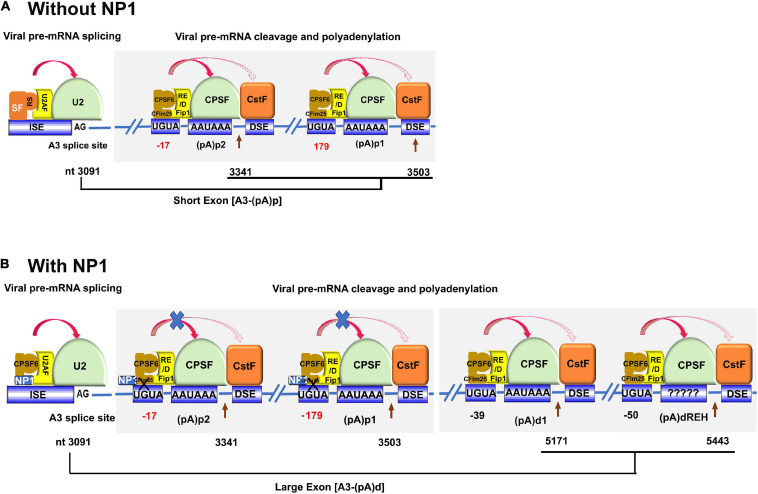
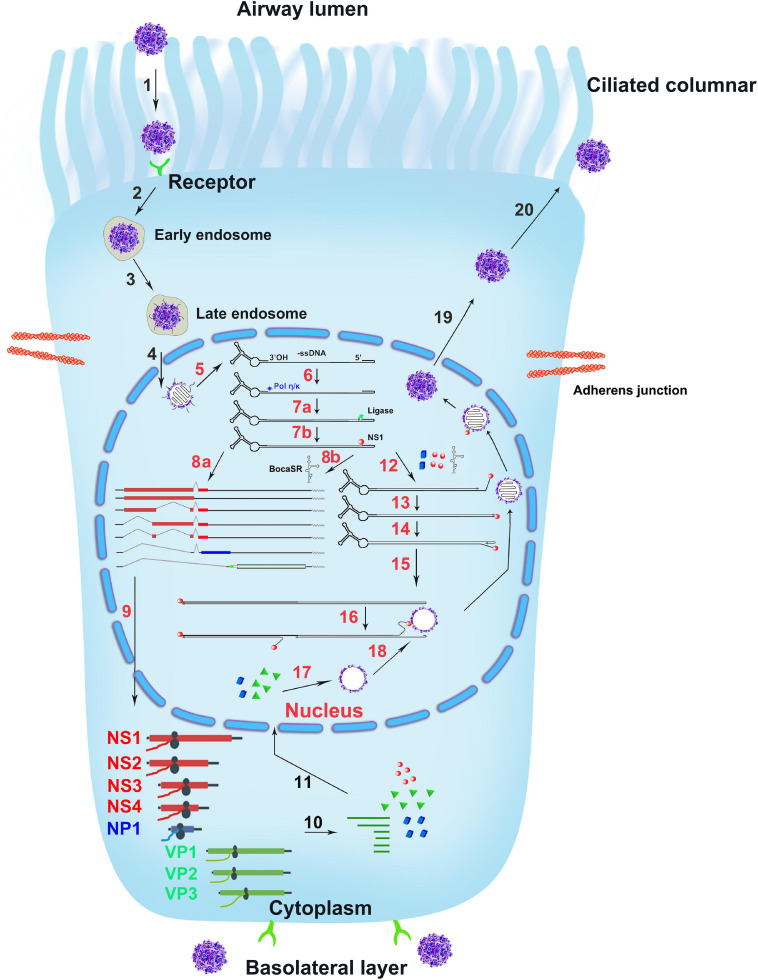
Human bocavirus 1 (HBoV1) was discovered in human nasopharyngeal specimens in 2005. It is an autonomous human parvovirus and causes acute respiratory tract infections in young children. HBoV1 infects well differentiated or polarized human airway epithelial cells . Unique among all parvoviruses, HBoV1 expresses 6 non-structural proteins, NS1, NS1-70, NS2, NS3, NS4, and NP1, and a viral non-coding RNA (BocaSR), and three structural proteins VP1, VP2, and VP3. The BocaSR is the first identified RNA polymerase III (Pol III) transcribed viral non-coding RNA in small DNA viruses. It plays an important role in regulation of viral gene expression and a direct role in viral DNA replication in the nucleus. HBoV1 genome replication in the polarized/non-dividing airway epithelial cells depends on the DNA damage and DNA repair pathways and involves error-free Y-family DNA repair DNA polymerase (Pol) η and Pol κ. Importantly, HBoV1 is a helper virus for the replication of dependoparvovirus, adeno-associated virus (AAV), in polarized human airway epithelial cells, and HBoV1 gene products support wild-type AAV replication and recombinant AAV (rAAV) production in human embryonic kidney (HEK) 293 cells. More importantly, the HBoV1 capsid is able to pseudopackage an rAAV2 or rHBoV1 genome, producing the rAAV2/HBoV1 or rHBoV1 vector. The HBoV1 capsid based rAAV vector has a high tropism for human airway epithelia. A deeper understanding in HBoV1 replication and gene expression will help find a better way to produce the rAAV vector and to increase the efficacy of gene delivery using the rAAV2/HBoV1 or rHBoV1 vector, in particular, to human airways. This review summarizes the recent advances in gene expression and replication of HBoV1, as well as the use of HBoV1 as a parvoviral vector for gene delivery.
人博卡病毒1型(HBoV1)于2005年在人类鼻咽标本中被发现。它是一种自主型人类细小病毒,可导致幼儿急性呼吸道感染。HBoV1能感染分化良好或极化的人气道上皮细胞。在所有细小病毒中独一无二的是,HBoV1表达6种非结构蛋白,即NS1、NS1 - 70、NS2、NS3、NS4和NP1,以及一种病毒非编码RNA(BocaSR),还有三种结构蛋白VP1、VP2和VP3。BocaSR是在小型DNA病毒中首次鉴定出的由RNA聚合酶III(Pol III)转录的病毒非编码RNA。它在病毒基因表达调控中起重要作用,并在细胞核内病毒DNA复制中起直接作用。HBoV1在极化/不分裂的气道上皮细胞中的基因组复制依赖于DNA损伤和DNA修复途径,涉及无差错的Y家族DNA修复DNA聚合酶(Pol)η和Pol κ。重要的是,HBoV1是依赖细小病毒腺相关病毒(AAV)在极化人气道上皮细胞中复制的辅助病毒,并且HBoV1基因产物支持野生型AAV在人胚肾(HEK)293细胞中的复制以及重组AAV(rAAV)的产生。更重要的是,HBoV1衣壳能够假包装rAAV2或rHBoV1基因组,产生rAAV2/HBoV1或rHBoV1载体。基于HBoV1衣壳的rAAV载体对人气道上皮具有高度嗜性。对HBoV1复制和基因表达的更深入了解将有助于找到更好的方法来生产rAAV载体,并提高使用rAAV2/HBoV1或rHBoV1载体进行基因递送的效率,特别是对人类气道的递送效率。本综述总结了HBoV1基因表达和复制的最新进展,以及HBoV1作为细小病毒载体用于基因递送的情况。