School of Chemistry, University of Birmingham, Birmingham, UK.
School of Life Sciences, University of Warwick, Coventry, UK.
Nat Commun. 2021 Jul 5;12(1):3771. doi: 10.1038/s41467-021-23956-6.
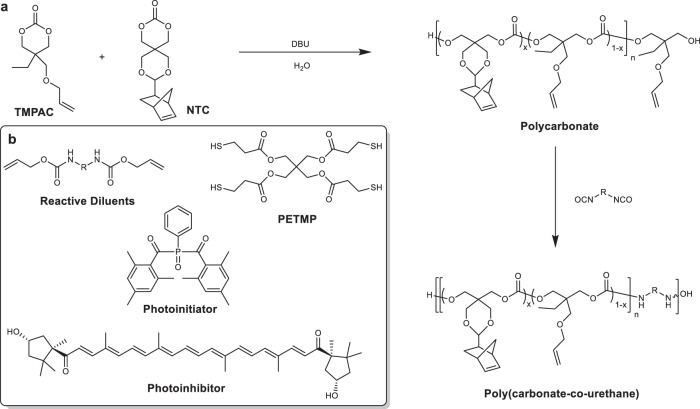
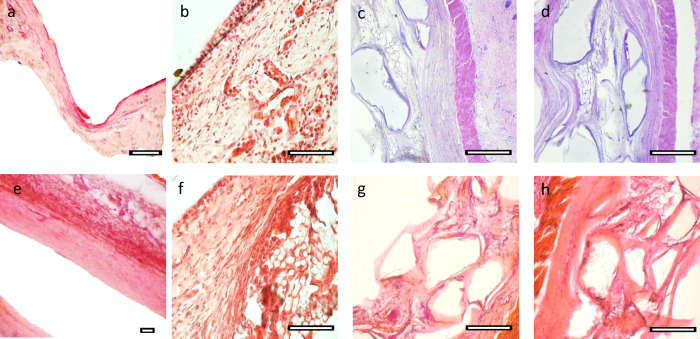
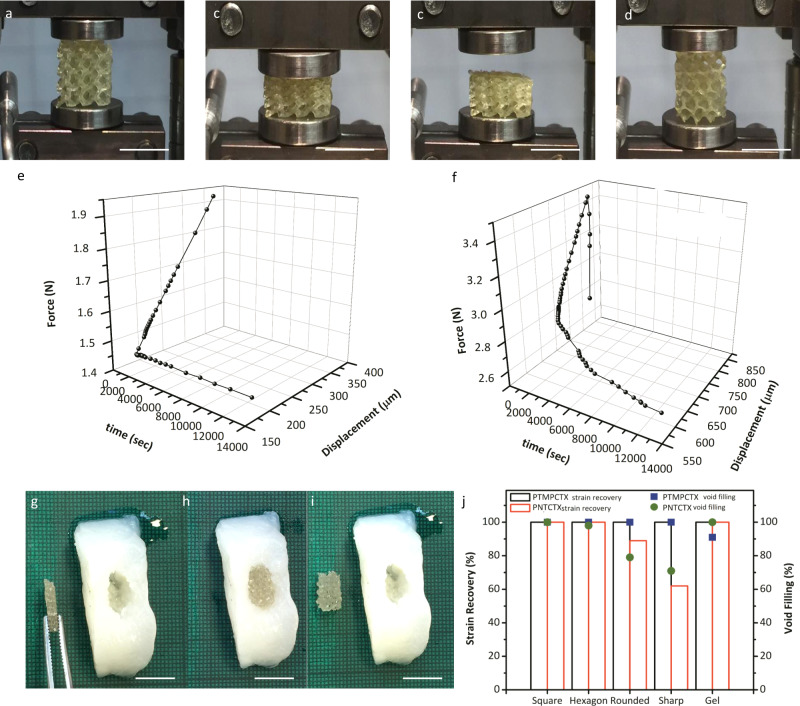
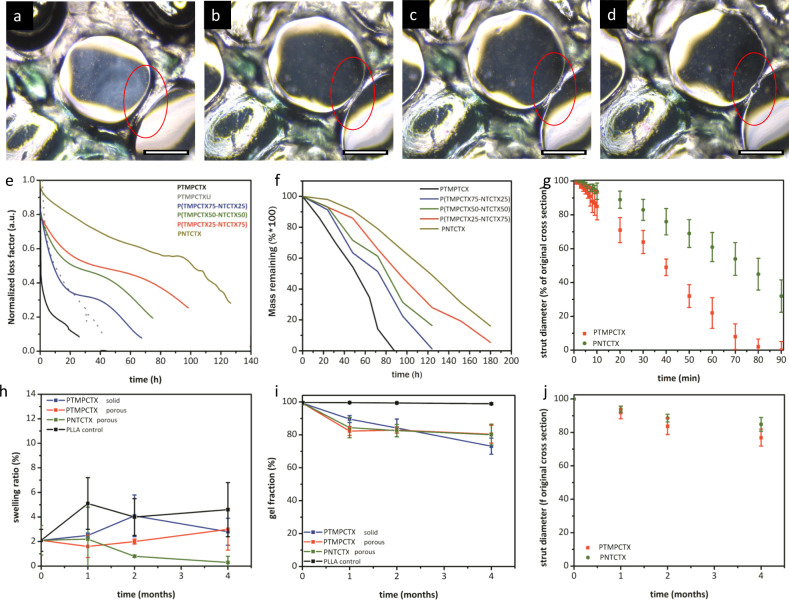
3D printing has emerged as one of the most promising tools to overcome the processing and morphological limitations of traditional tissue engineering scaffold design. However, there is a need for improved minimally invasive, void-filling materials to provide mechanical support, biocompatibility, and surface erosion characteristics to ensure consistent tissue support during the healing process. Herein, soft, elastomeric aliphatic polycarbonate-based materials were designed to undergo photopolymerization into supportive soft tissue engineering scaffolds. The 4D nature of the printed scaffolds is manifested in their shape memory properties, which allows them to fill model soft tissue voids without deforming the surrounding material. In vivo, adipocyte lobules were found to infiltrate the surface-eroding scaffold within 2 months, and neovascularization was observed over the same time. Notably, reduced collagen capsule thickness indicates that these scaffolds are highly promising for adipose tissue engineering and repair.
3D 打印已成为克服传统组织工程支架设计的加工和形态限制的最有前途的工具之一。然而,需要改进微创、中空填充材料,以提供机械支撑、生物相容性和表面侵蚀特性,以确保在愈合过程中持续的组织支撑。在此,设计了柔软的弹性脂肪族聚碳酸酯基材料,通过光聚合作用形成支持性的软组织工程支架。打印支架的 4D 特性表现为其形状记忆特性,这使得它们可以填充模型软组织空隙而不会使周围材料变形。在体内,发现脂肪细胞小叶在 2 个月内渗透到表面侵蚀支架中,并且在同一时间观察到新生血管化。值得注意的是,胶原蛋白囊厚度的减少表明这些支架非常有希望用于脂肪组织工程和修复。