Department of Neurosciences, University of California San Diego, La Jolla, CA, USA.
Rady Children's Institute for Genomic Medicine, Rady Children's Hospital, San Diego, CA, USA.
Nat Med. 2021 Sep;27(9):1600-1606. doi: 10.1038/s41591-021-01443-1. Epub 2021 Jul 9.
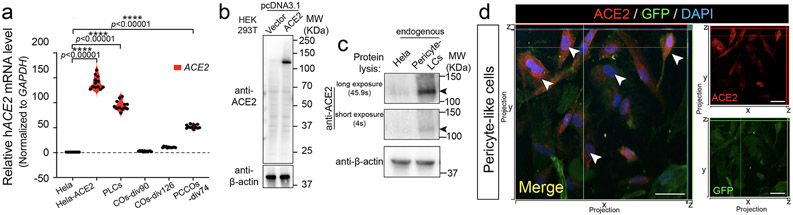
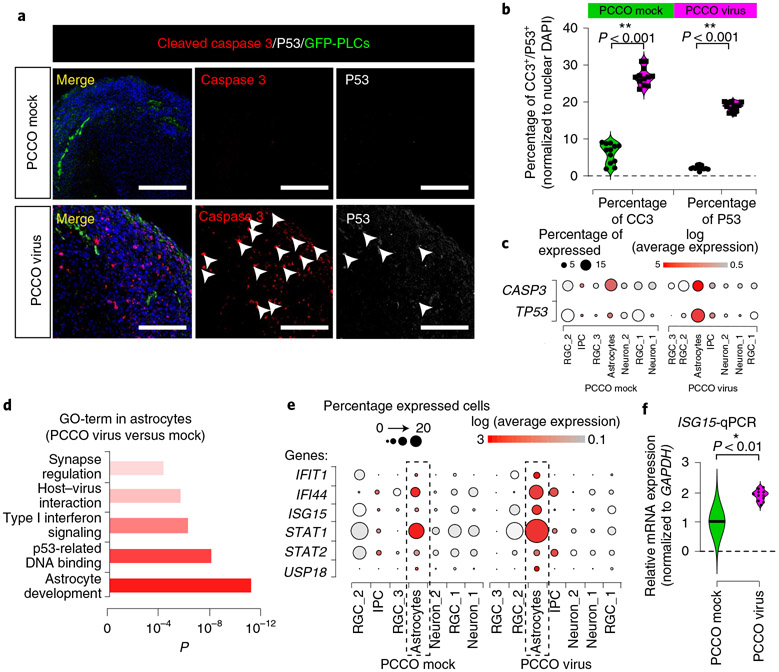
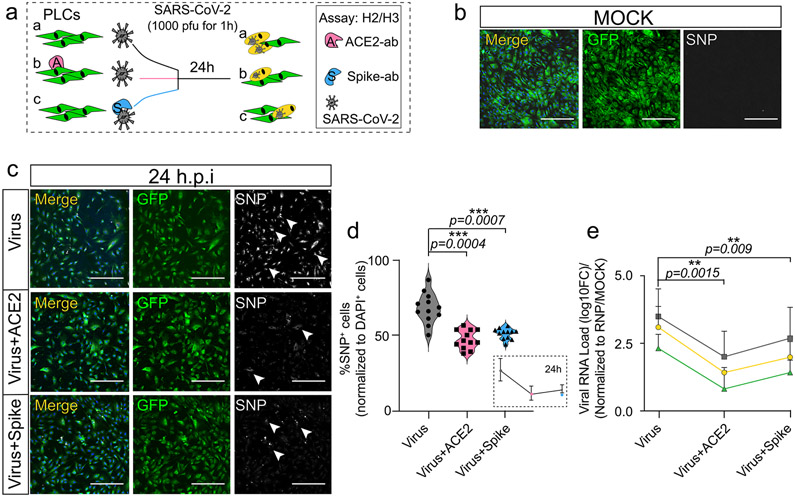
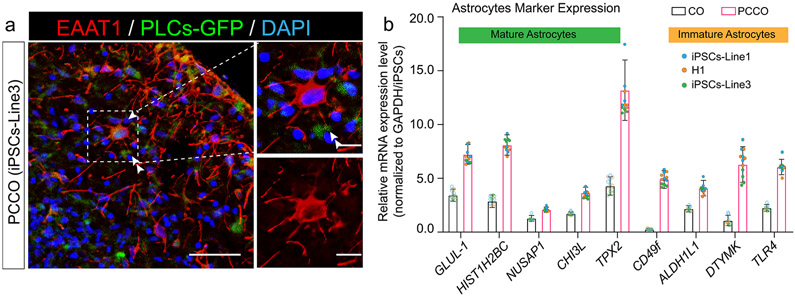
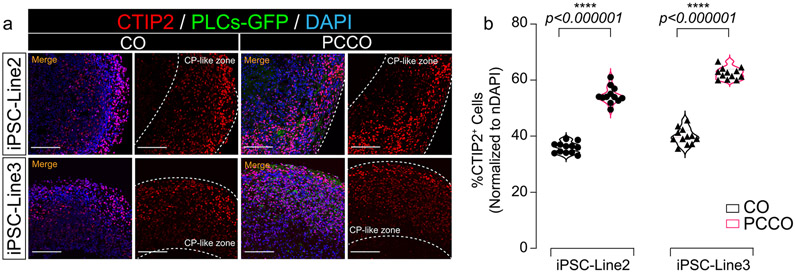
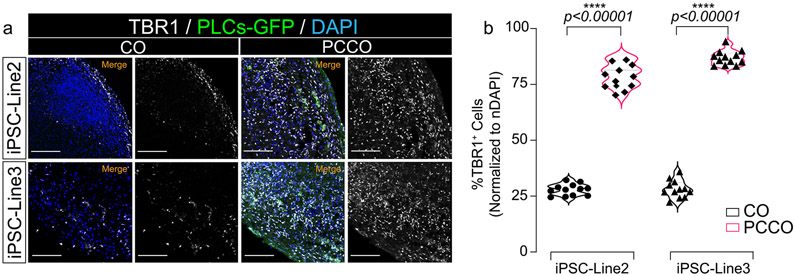
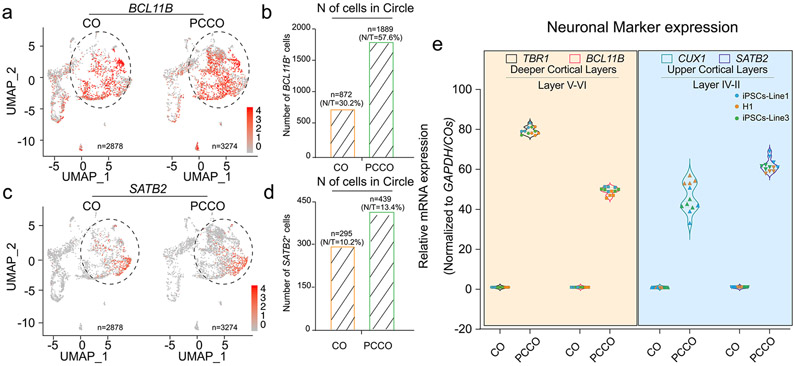
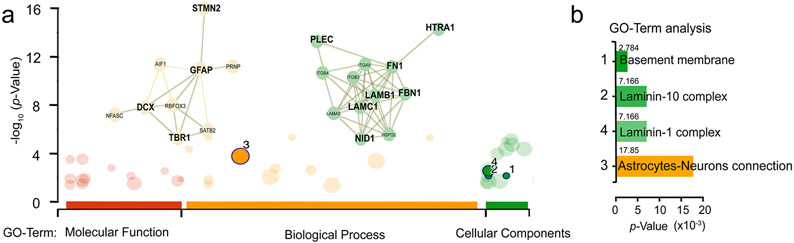
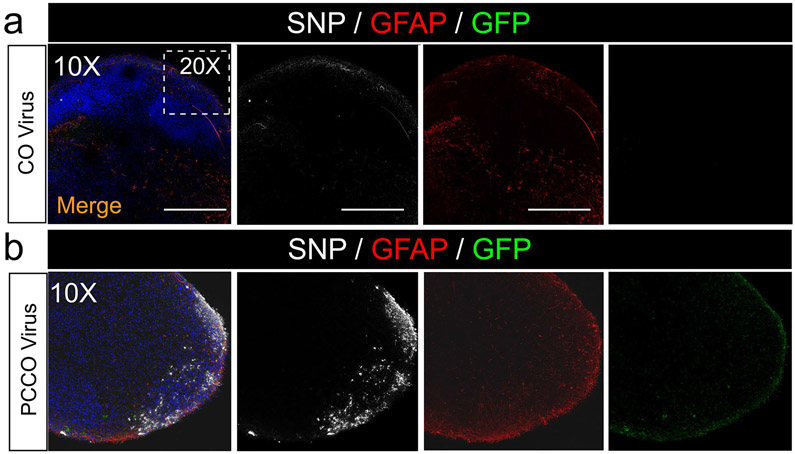
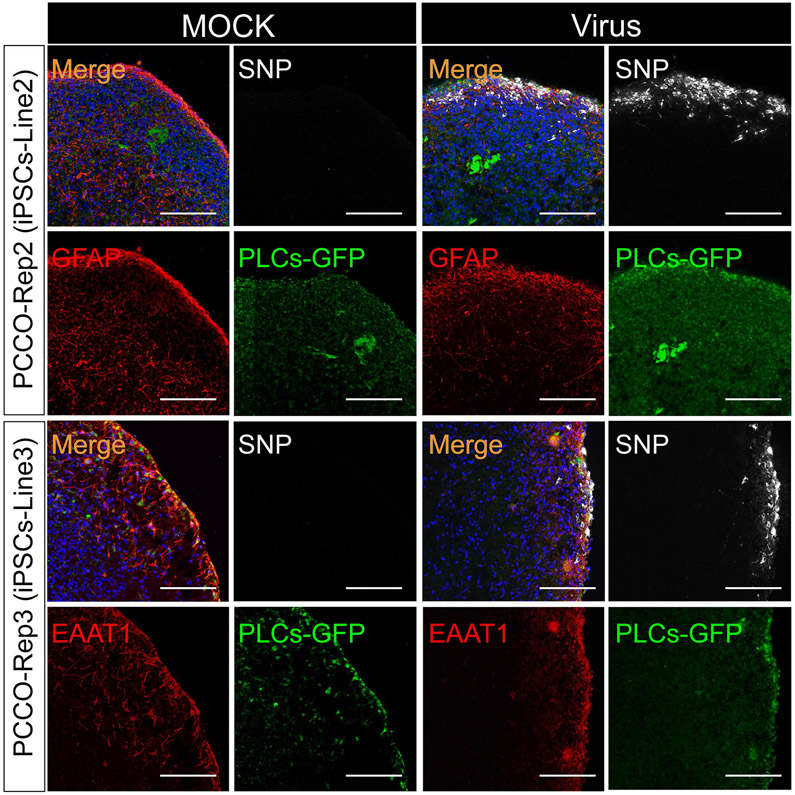
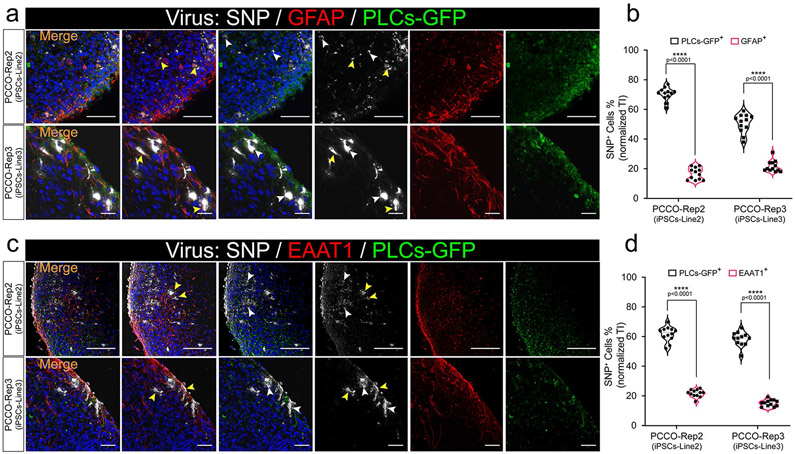
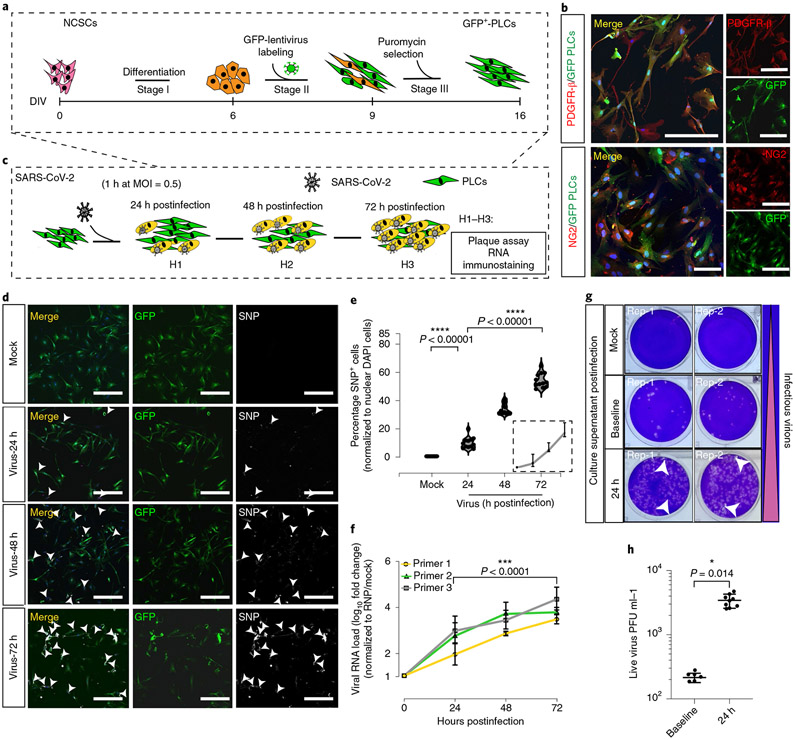
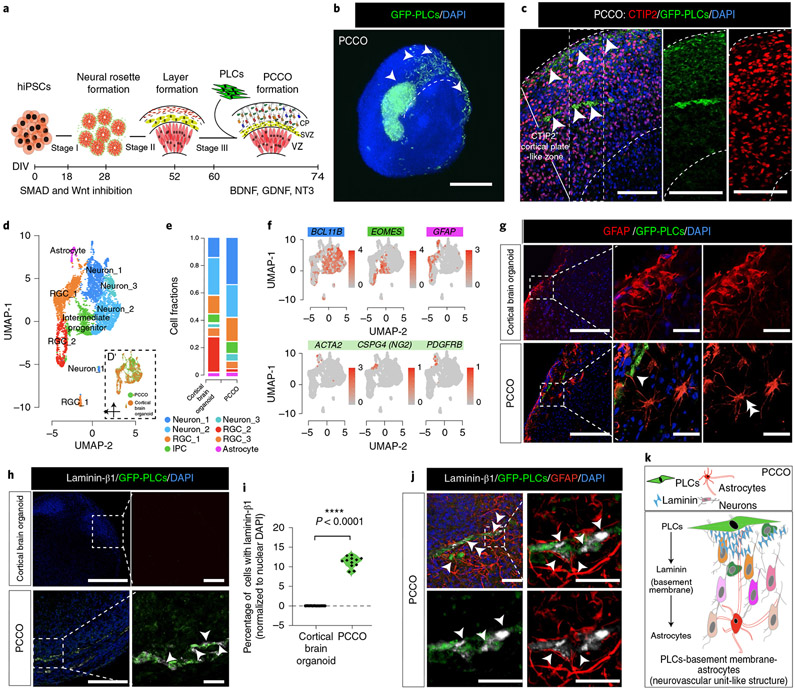
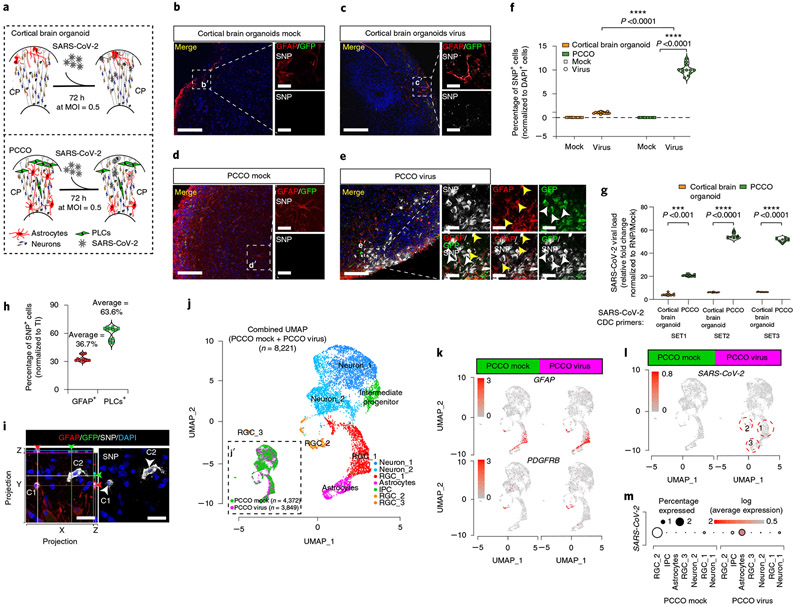
Clinical evidence suggests the central nervous system is frequently impacted by SARS-CoV-2 infection, either directly or indirectly, although the mechanisms are unclear. Pericytes are perivascular cells within the brain that are proposed as SARS-CoV-2 infection points. Here we show that pericyte-like cells (PLCs), when integrated into a cortical organoid, are capable of infection with authentic SARS-CoV-2. Before infection, PLCs elicited astrocytic maturation and production of basement membrane components, features attributed to pericyte functions in vivo. While traditional cortical organoids showed little evidence of infection, PLCs within cortical organoids served as viral 'replication hubs', with virus spreading to astrocytes and mediating inflammatory type I interferon transcriptional responses. Therefore, PLC-containing cortical organoids (PCCOs) represent a new 'assembloid' model that supports astrocytic maturation as well as SARS-CoV-2 entry and replication in neural tissue; thus, PCCOs serve as an experimental model for neural infection.
临床证据表明,中枢神经系统经常受到 SARS-CoV-2 感染的影响,无论是直接还是间接的,尽管其机制尚不清楚。周细胞是脑内的血管周围细胞,被认为是 SARS-CoV-2 感染的靶点。在这里,我们表明,周细胞样细胞(PLCs)在整合到皮质类器官中时,能够被真实的 SARS-CoV-2 感染。在感染之前,PLCs 引发了星形胶质细胞的成熟和基底膜成分的产生,这些特征归因于体内周细胞的功能。虽然传统的皮质类器官显示出很少的感染证据,但皮质类器官中的 PLCs 充当病毒的“复制中心”,病毒传播到星形胶质细胞并介导 I 型干扰素的转录反应。因此,含有 PLC 的皮质类器官(PCCOs)代表了一种新的“组装模型”,它支持星形胶质细胞的成熟以及 SARS-CoV-2 在神经组织中的进入和复制;因此,PCCOs 是神经感染的实验模型。