Genetics and Biochemistry Branch, NIDDK, NIH, Bethesda, MD 20892, USA.
Department of Biochemistry and Molecular Biology, Johns Hopkins University Bloomberg School of Public Health, Baltimore, MD 21205, USA.
Cell. 2021 Aug 5;184(16):4251-4267.e20. doi: 10.1016/j.cell.2021.06.025. Epub 2021 Jul 13.
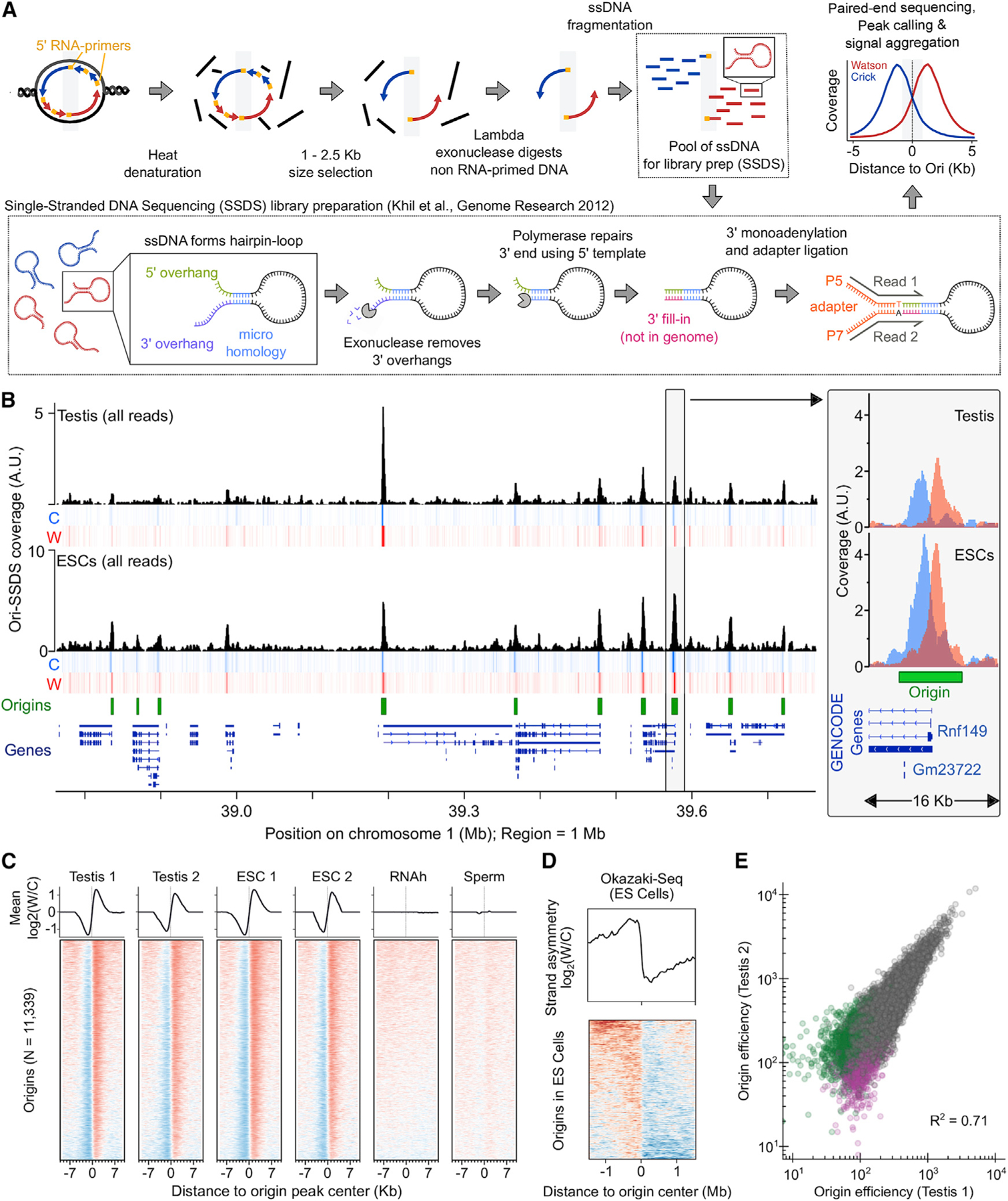
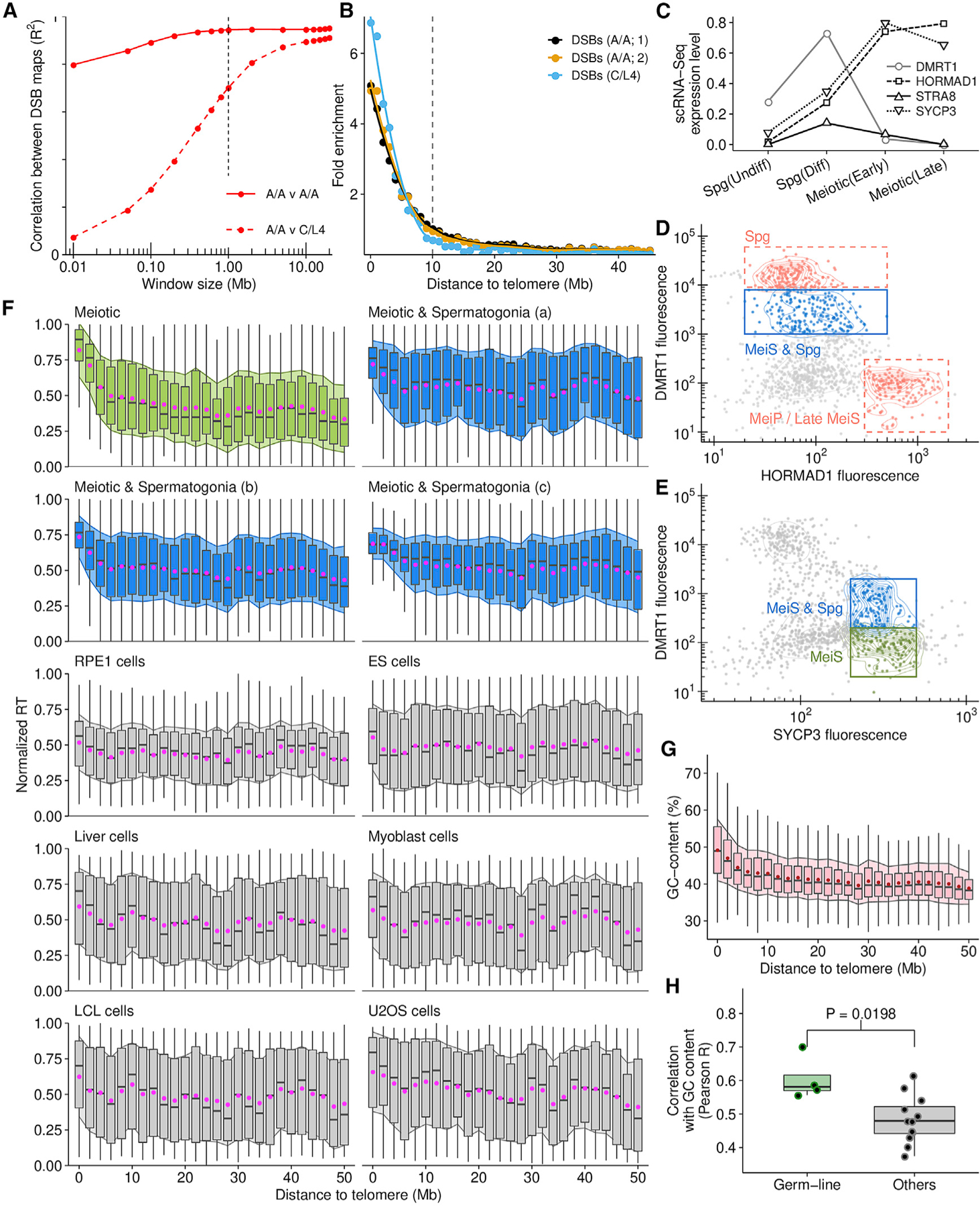
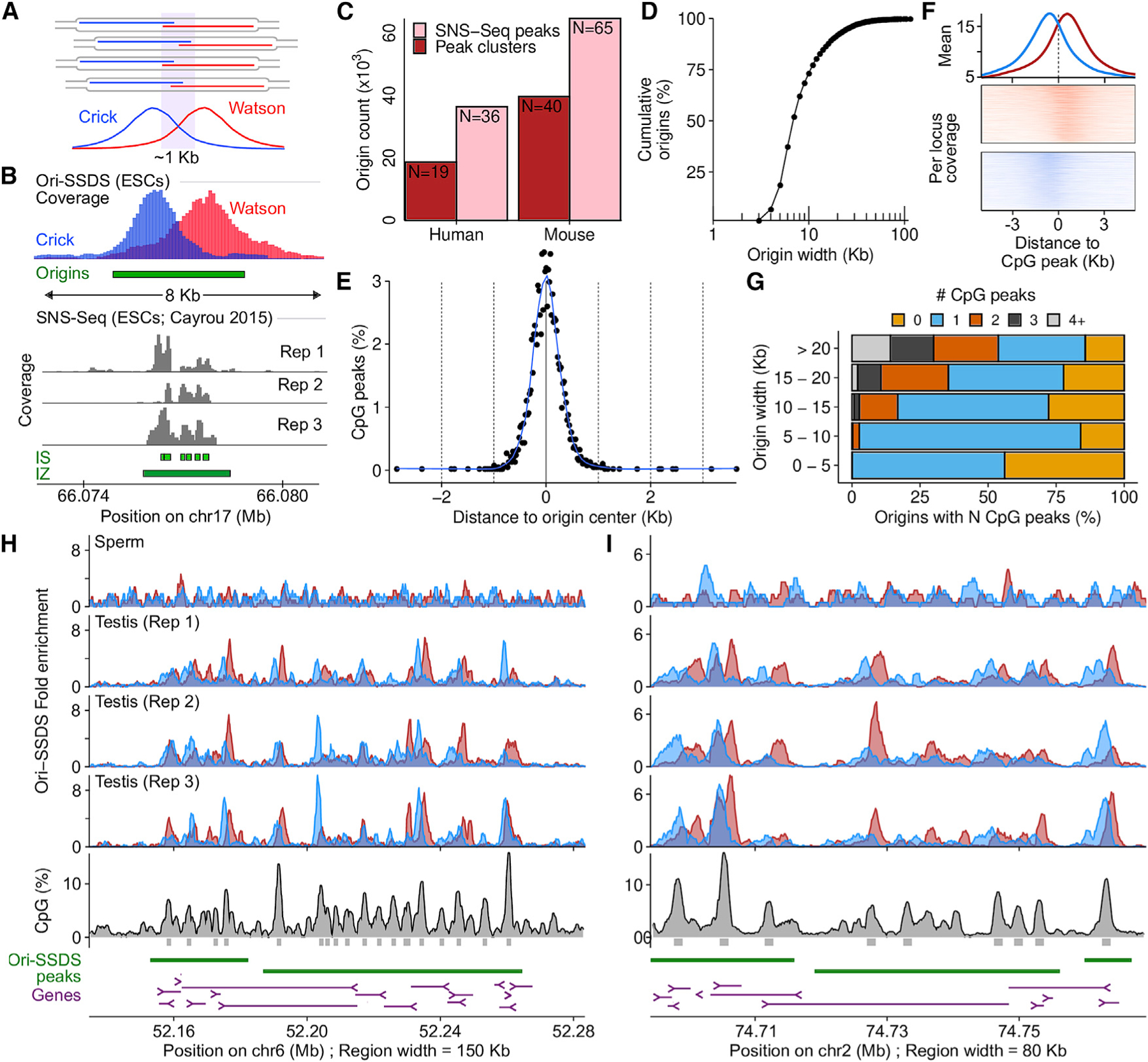
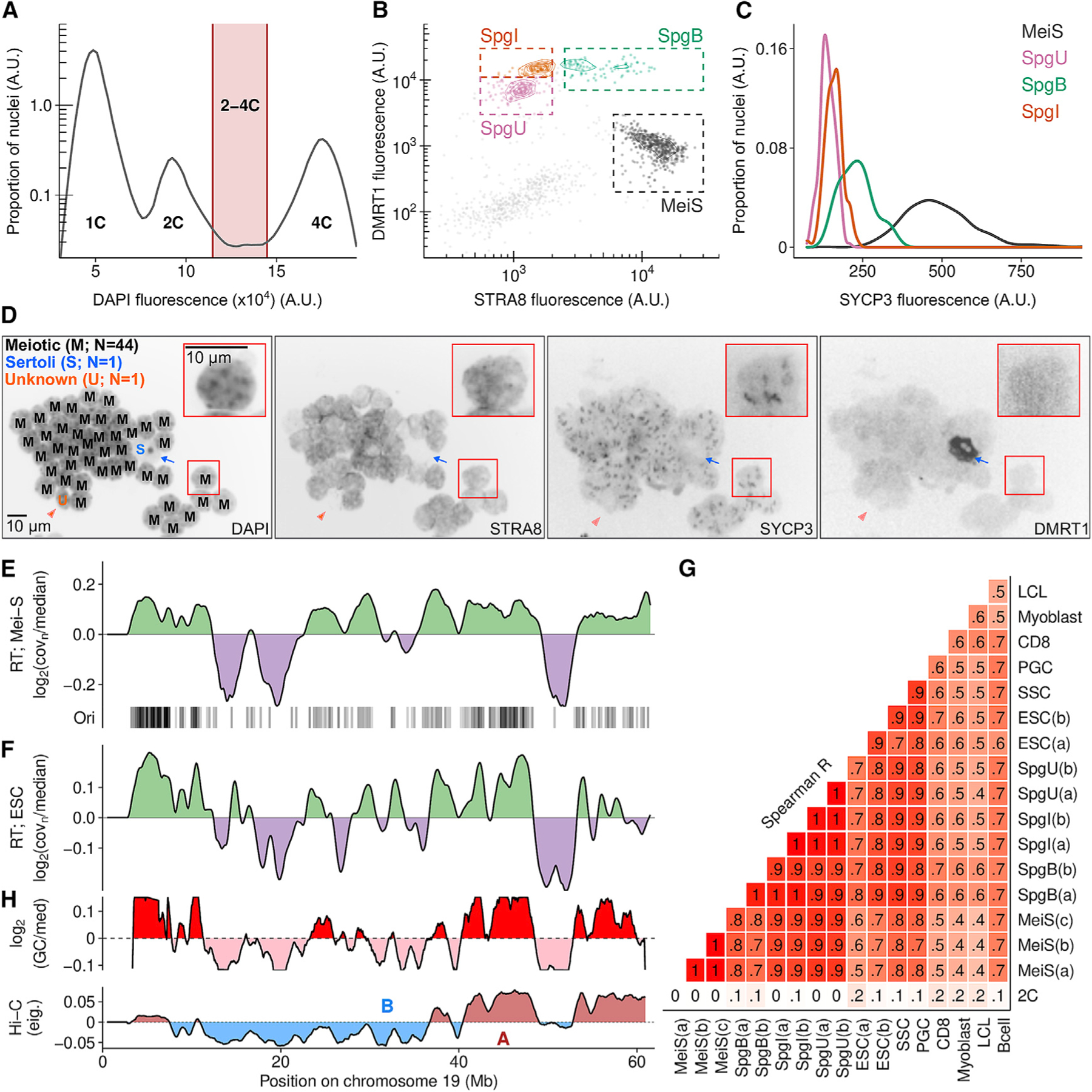
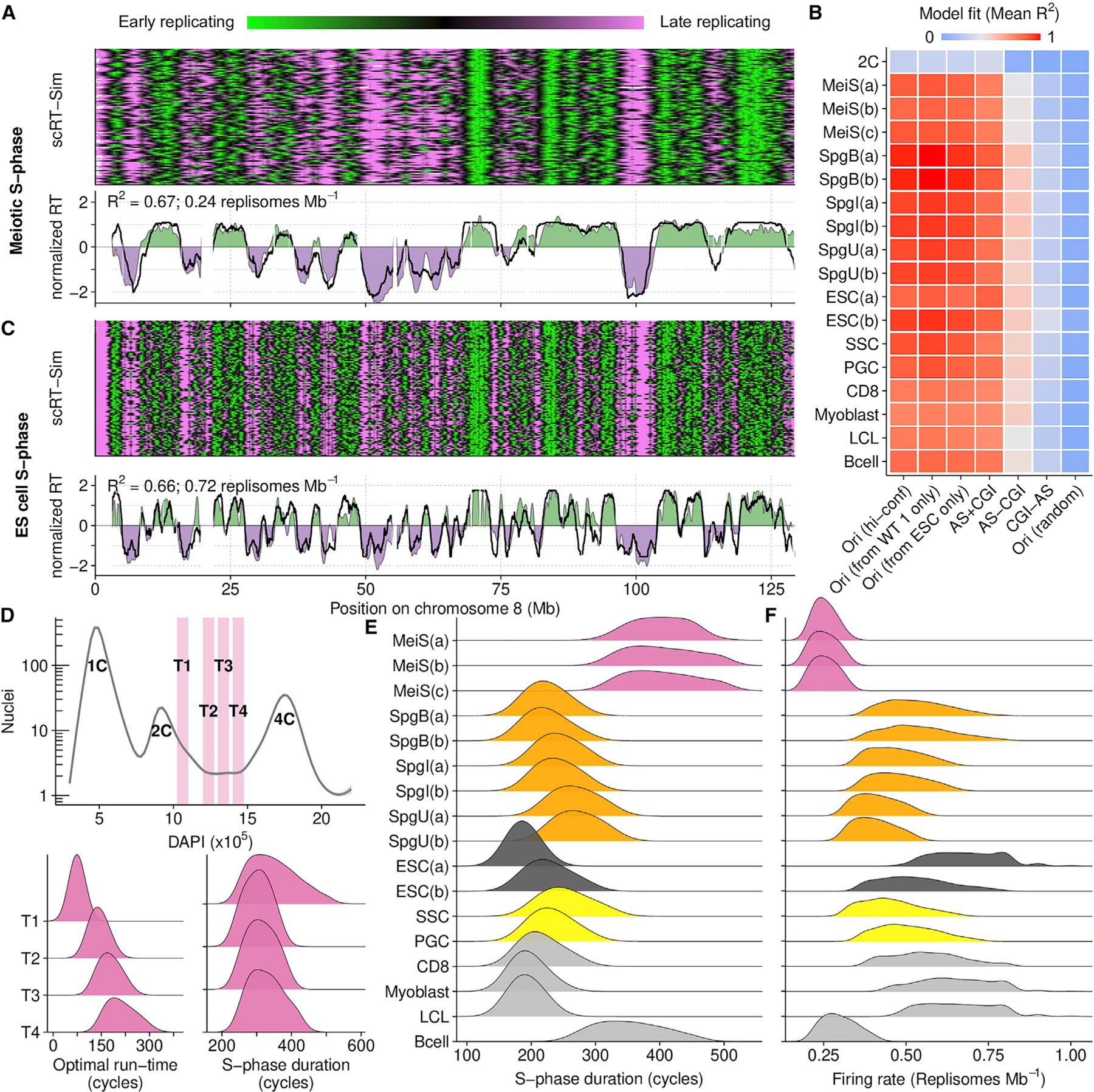
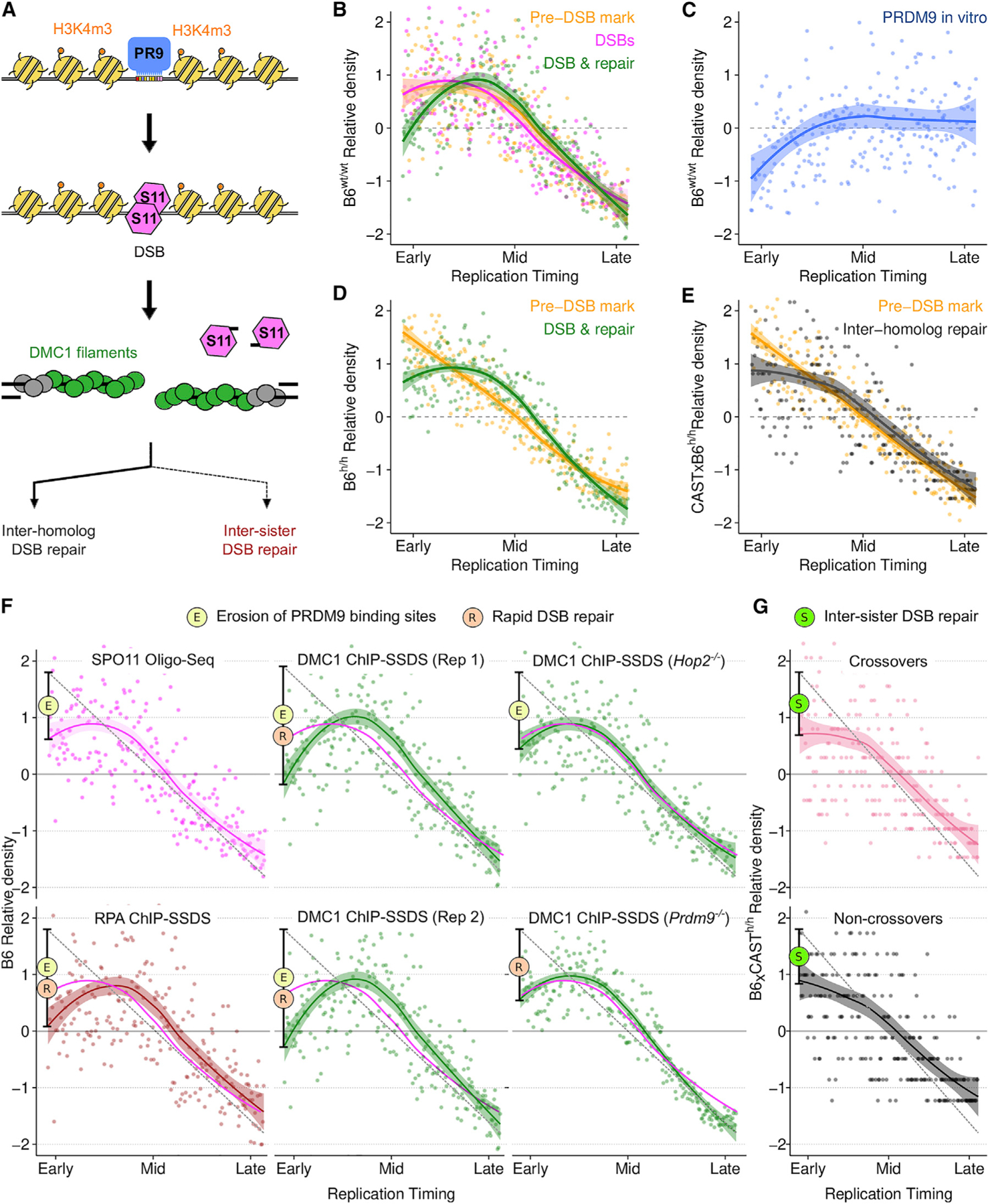
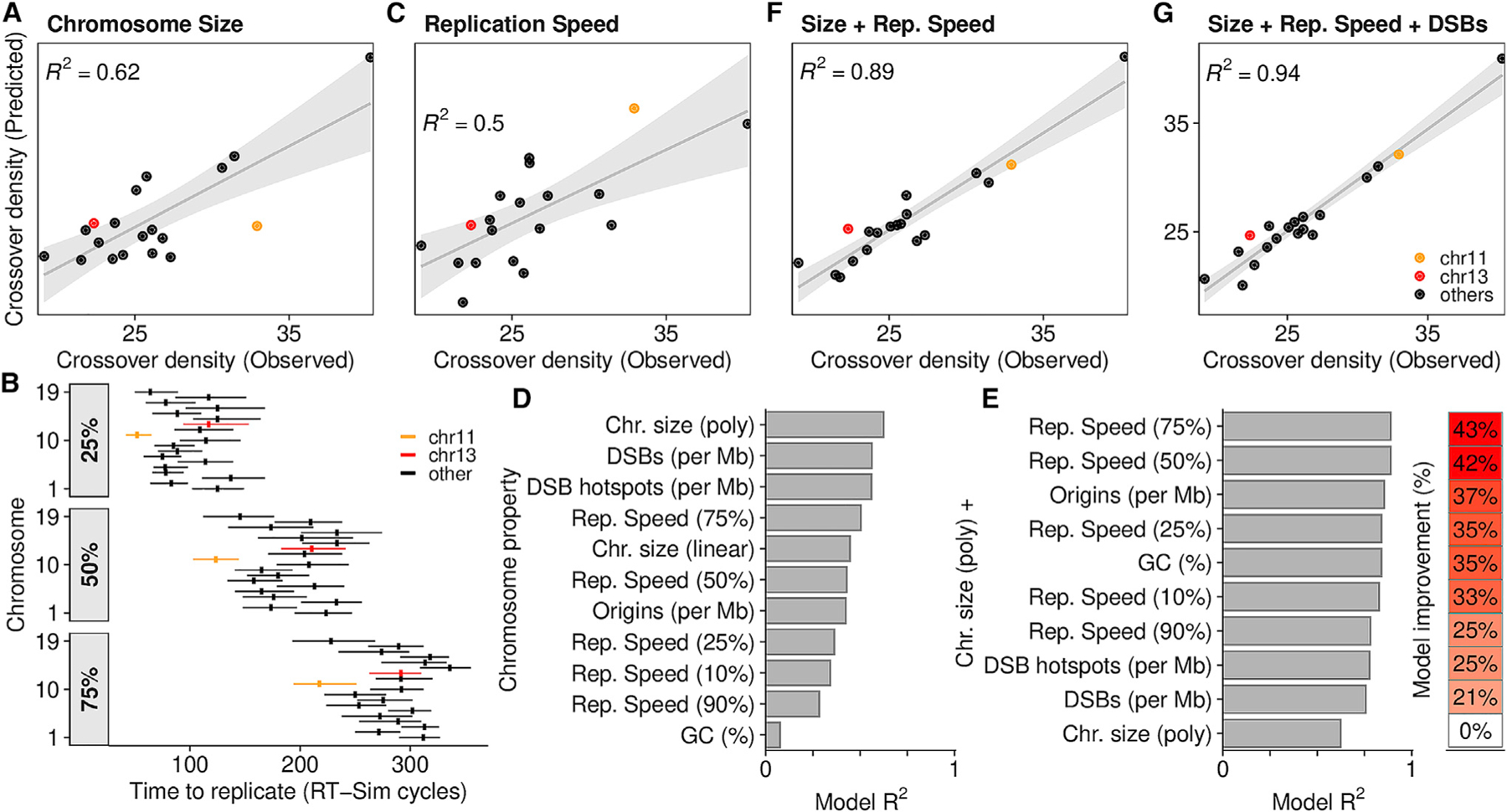
Genetic recombination generates novel trait combinations, and understanding how recombination is distributed across the genome is key to modern genetics. The PRDM9 protein defines recombination hotspots; however, megabase-scale recombination patterning is independent of PRDM9. The single round of DNA replication, which precedes recombination in meiosis, may establish these patterns; therefore, we devised an approach to study meiotic replication that includes robust and sensitive mapping of replication origins. We find that meiotic DNA replication is distinct; reduced origin firing slows replication in meiosis, and a distinctive replication pattern in human males underlies the subtelomeric increase in recombination. We detected a robust correlation between replication and both contemporary and historical recombination and found that replication origin density coupled with chromosome size determines the recombination potential of individual chromosomes. Our findings and methods have implications for understanding the mechanisms underlying DNA replication, genetic recombination, and the landscape of mammalian germline variation.
遗传重组产生新的性状组合,了解重组如何在基因组中分布是现代遗传学的关键。PRDM9 蛋白定义了重组热点;然而,兆碱基规模的重组模式与 PRDM9 无关。在减数分裂中先于重组的单轮 DNA 复制可能建立了这些模式;因此,我们设计了一种研究减数分裂复制的方法,包括对复制起点进行稳健和敏感的作图。我们发现减数分裂 DNA 复制是独特的;减少起始点火会减缓减数分裂中的复制,人类男性中的独特复制模式是端粒下重组增加的基础。我们检测到复制与当代和历史重组之间存在稳健的相关性,并且发现复制起点密度与染色体大小相结合决定了单个染色体的重组潜力。我们的发现和方法对于理解 DNA 复制、遗传重组和哺乳动物生殖系变异的景观的机制具有重要意义。