The Ohio State University, Columbus, OH.
Davis Heart and Lung Research Institute, The Ohio State University Wexner Medical Center, Columbus, OH.
J Gen Physiol. 2021 Aug 2;153(8). doi: 10.1085/jgp.202112897. Epub 2021 Jul 15.
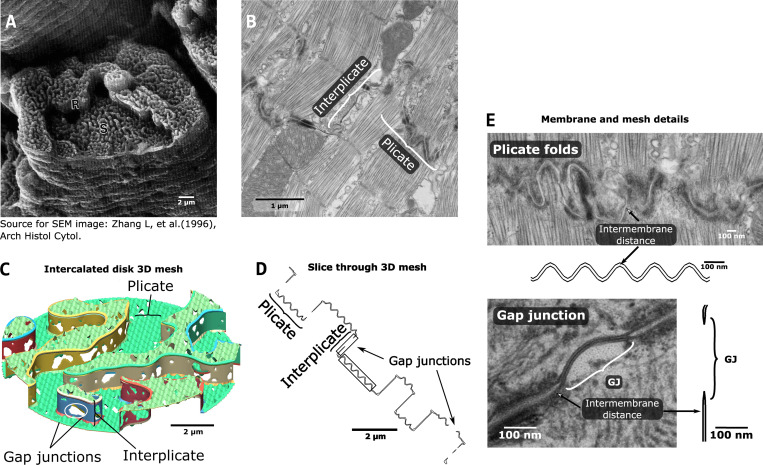
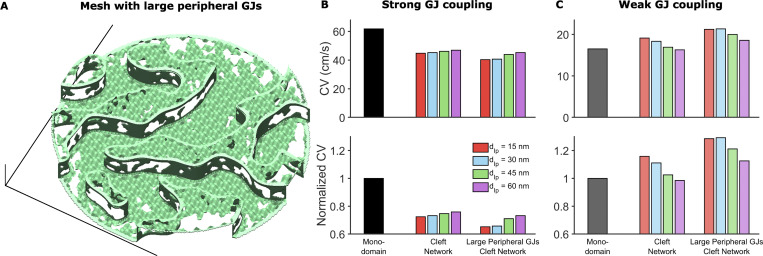
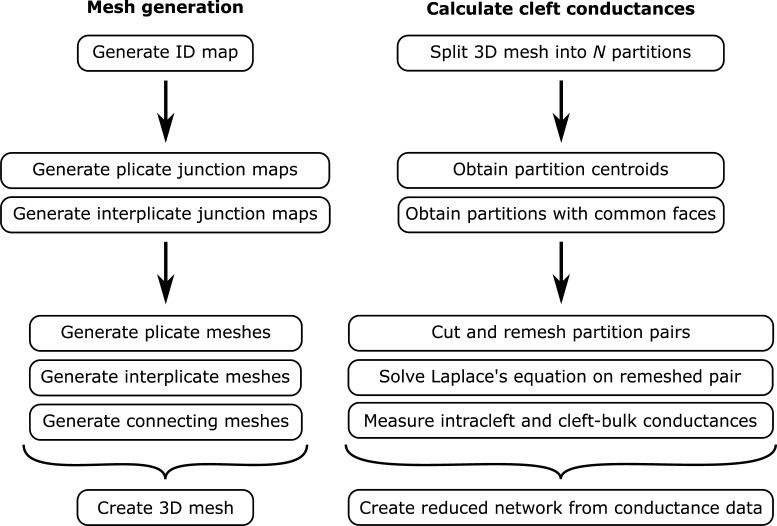
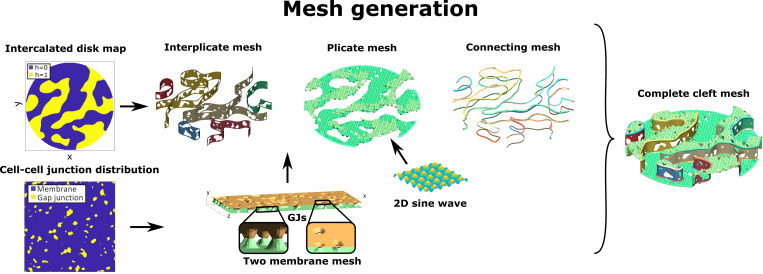
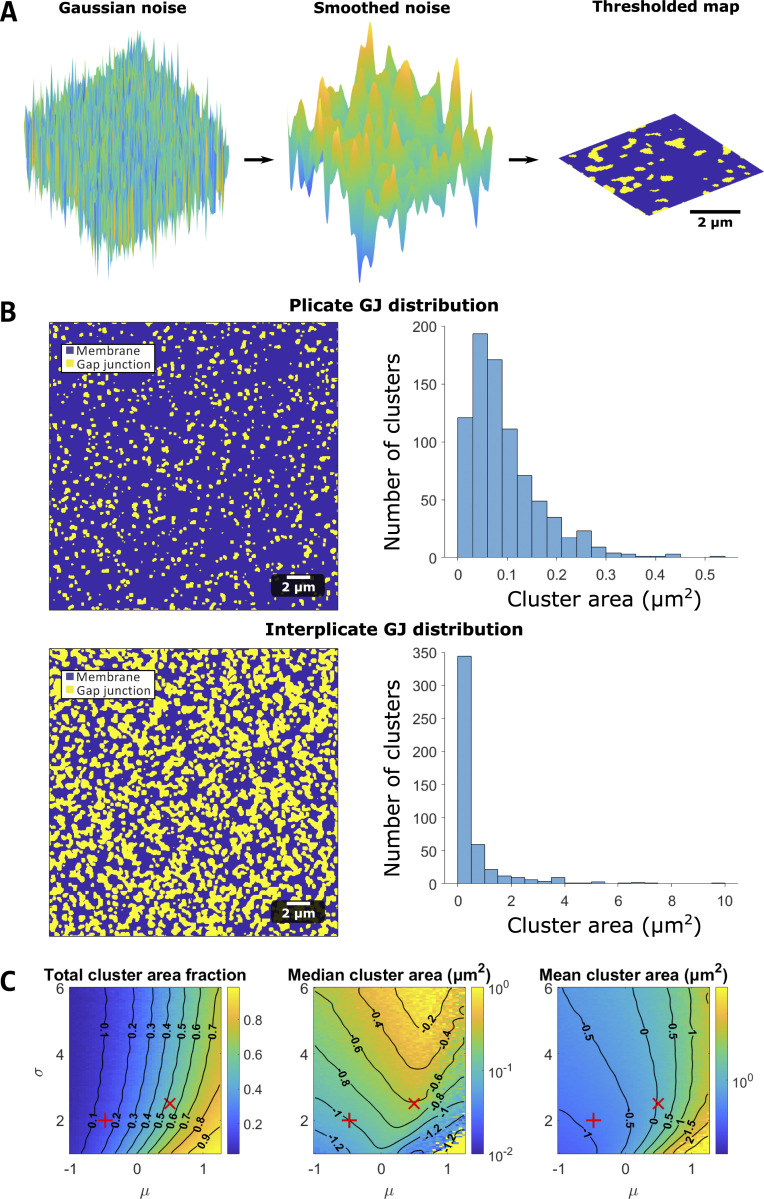
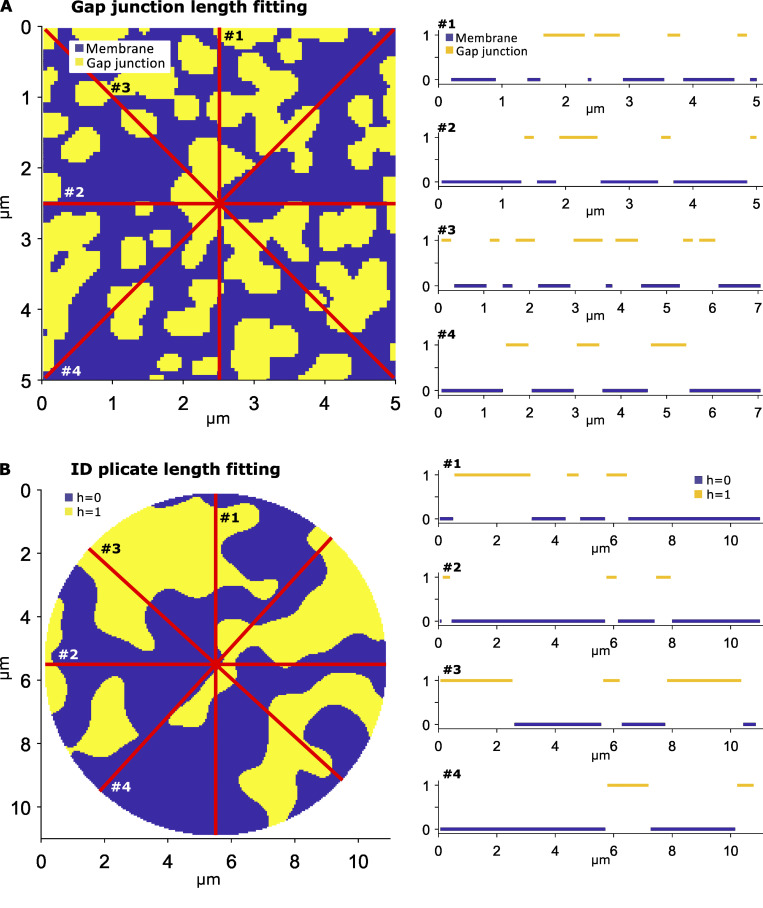
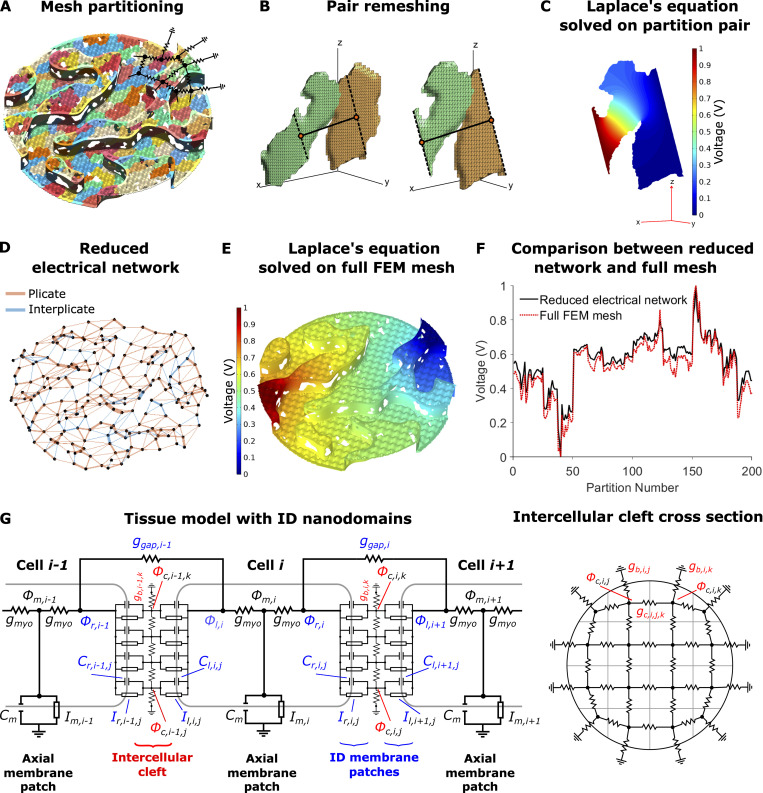
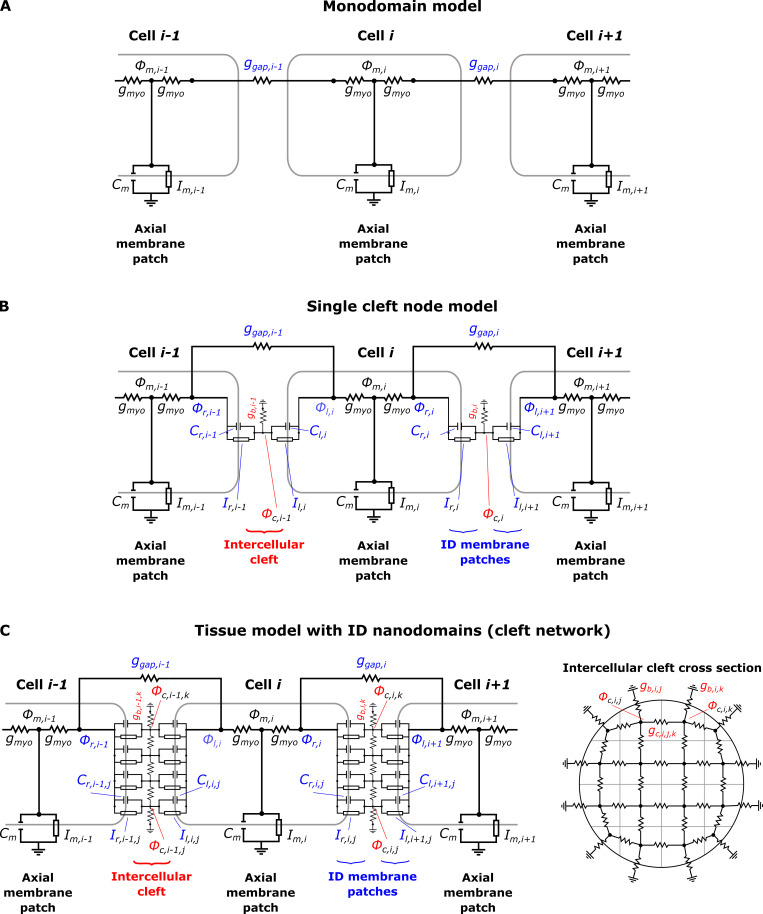
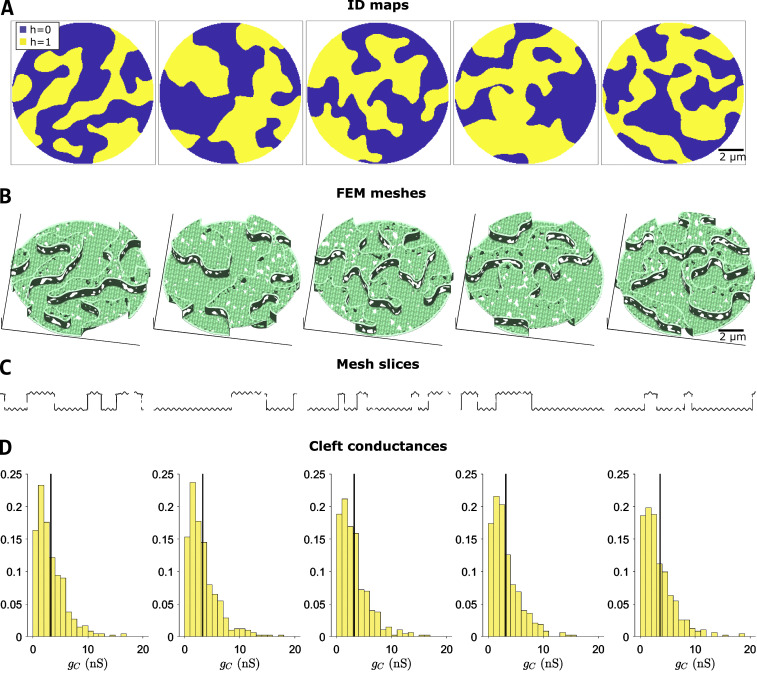
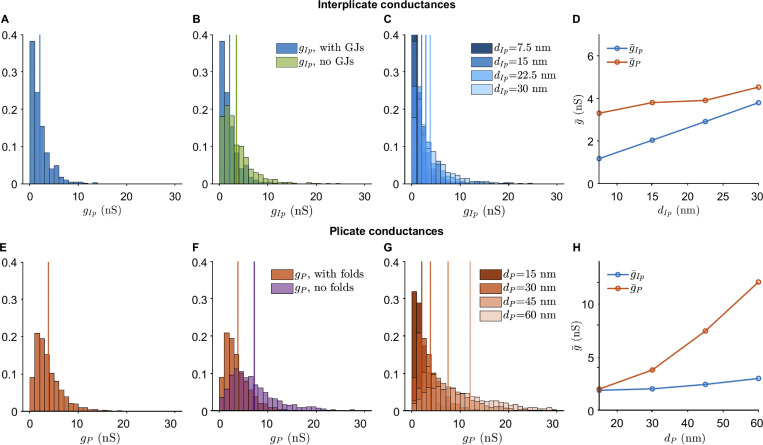
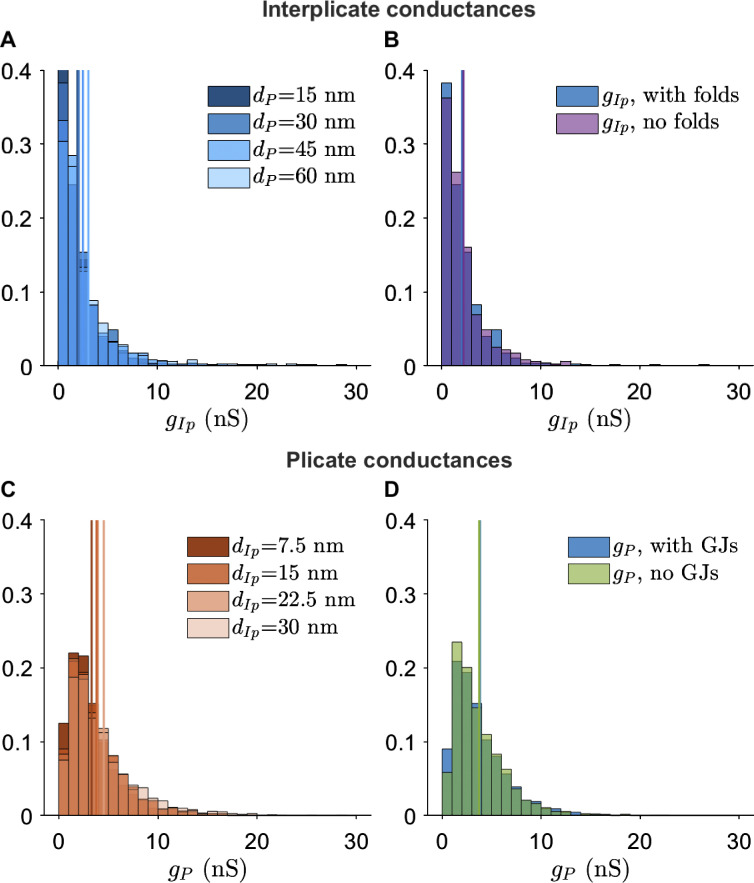
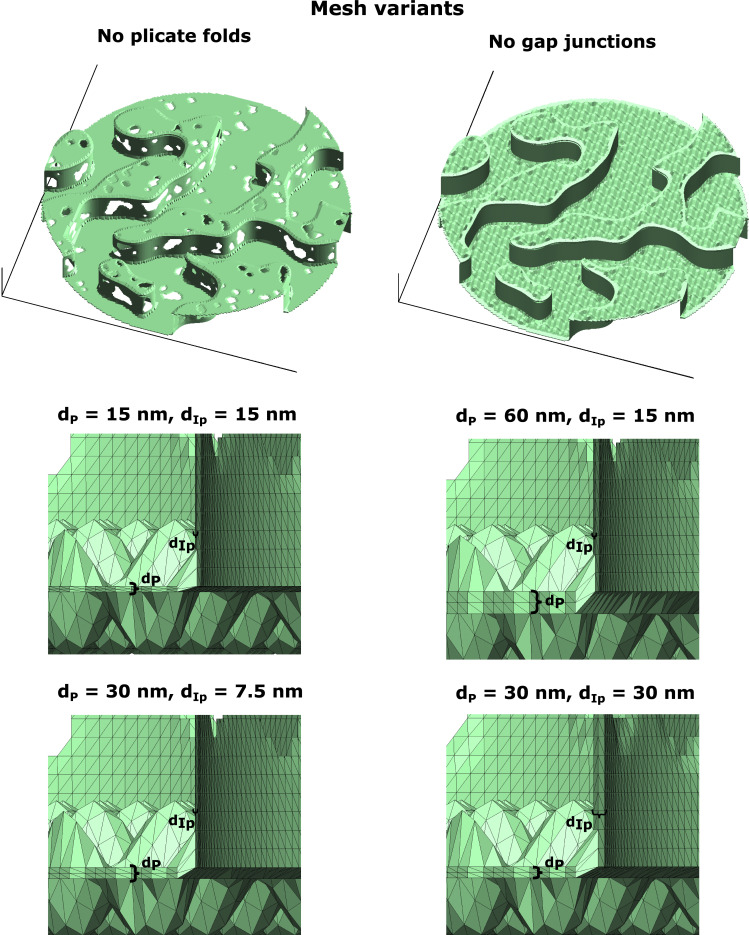
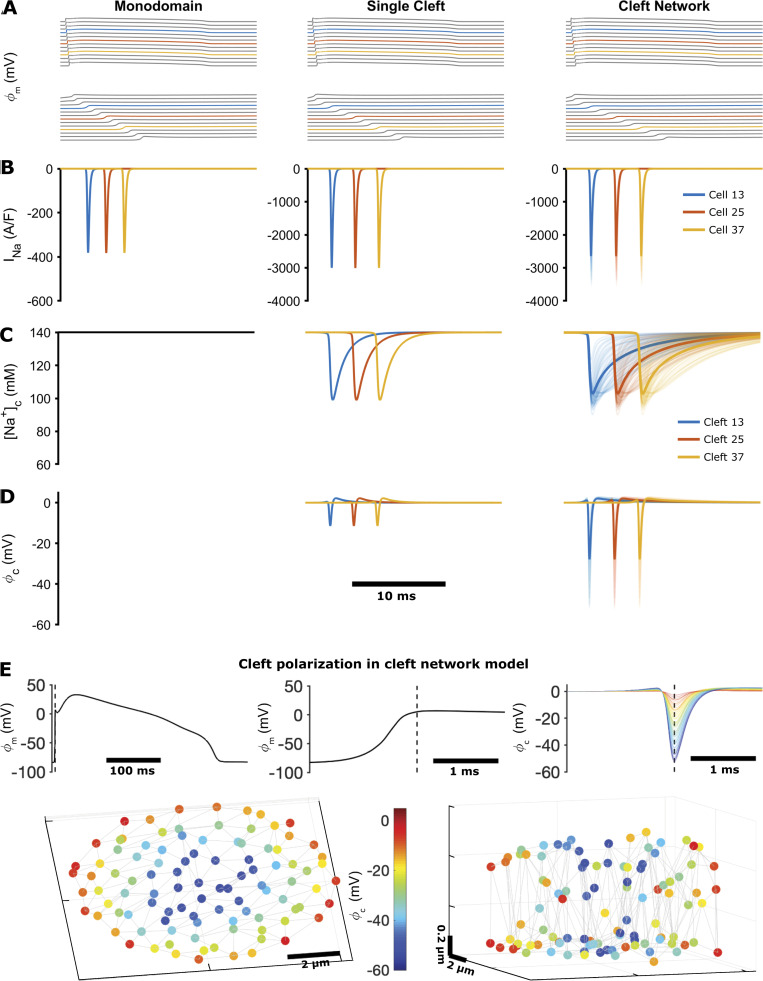
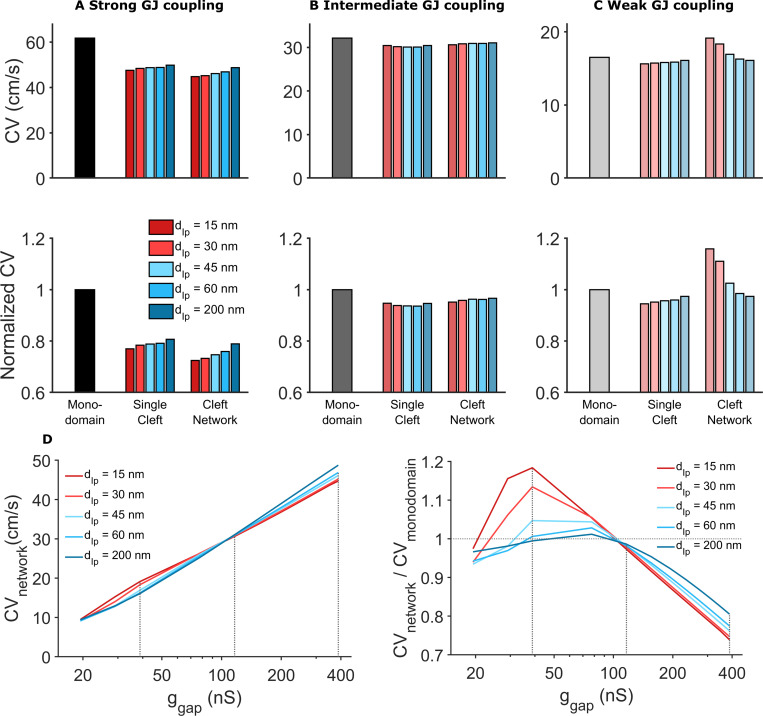
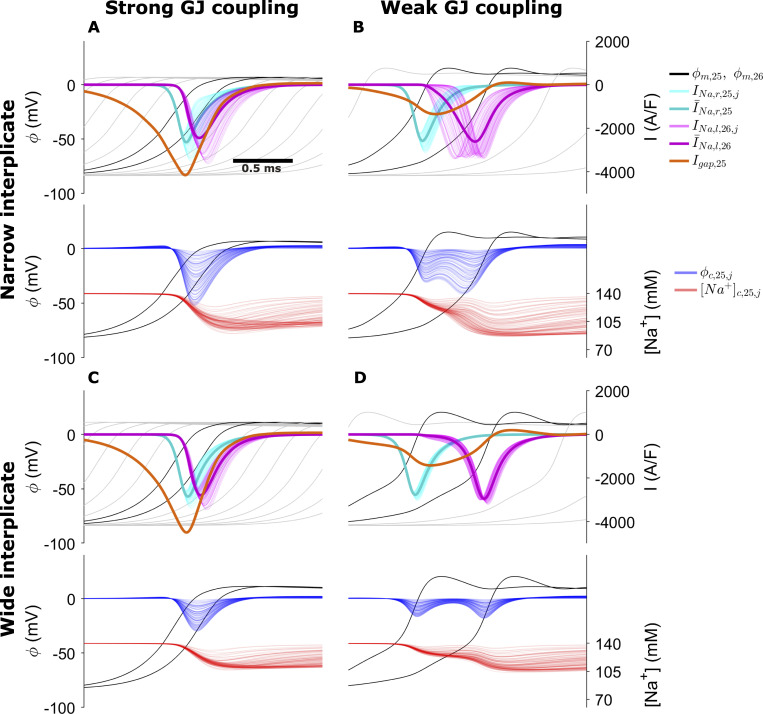
The intercalated disk (ID) is a specialized subcellular region that provides electrical and mechanical connections between myocytes in the heart. The ID has a clearly defined passive role in cardiac tissue, transmitting mechanical forces and electrical currents between cells. Recent studies have shown that Na+ channels, the primary current responsible for cardiac excitation, are preferentially localized at the ID, particularly within nanodomains such as the gap junction-adjacent perinexus and mechanical junction-associated adhesion-excitability nodes, and that perturbations of ID structure alter cardiac conduction. This suggests that the ID may play an important, active role in regulating conduction. However, the structures of the ID and intercellular cleft are not well characterized and, to date, no models have incorporated the influence of ID structure on conduction in cardiac tissue. In this study, we developed an approach to generate realistic finite element model (FEM) meshes replicating nanoscale of the ID structure, based on experimental measurements from transmission electron microscopy images. We then integrated measurements of the intercellular cleft electrical conductivity, derived from the FEM meshes, into a novel cardiac tissue model formulation. FEM-based calculations predict that the distribution of cleft conductances is sensitive to regional changes in ID structure, specifically the intermembrane separation and gap junction distribution. Tissue-scale simulations predict that ID structural heterogeneity leads to significant spatial variation in electrical polarization within the intercellular cleft. Importantly, we found that this heterogeneous cleft polarization regulates conduction by desynchronizing the activation of postjunctional Na+ currents. Additionally, these heterogeneities lead to a weaker dependence of conduction velocity on gap junctional coupling, compared with prior modeling formulations that neglect or simplify ID structure. Further, we found that disruption of local ID nanodomains can either slow or enhance conduction, depending on gap junctional coupling strength. Our study therefore suggests that ID nanoscale structure can play a significant role in regulating cardiac conduction.
闰盘(ID)是一种特化的亚细胞区域,为心脏中的心肌细胞提供电和机械连接。ID 在心脏组织中具有明确的被动作用,在细胞之间传递机械力和电流。最近的研究表明,Na+通道,即负责心脏兴奋的主要电流,优先定位于 ID,特别是在间隙连接相邻的周质、机械连接相关的粘着-兴奋性节点等纳米域内,并且 ID 结构的扰动会改变心脏传导。这表明 ID 可能在调节传导中发挥重要的主动作用。然而,ID 的结构和细胞间缝隙的结构尚未很好地表征,迄今为止,没有模型将 ID 结构对心脏组织传导的影响纳入其中。在这项研究中,我们开发了一种方法,基于透射电子显微镜图像的实验测量,生成复制 ID 结构纳米尺度的真实有限元模型(FEM)网格。然后,我们将从 FEM 网格中得出的细胞间缝隙电导率的测量值整合到一个新的心脏组织模型公式中。基于 FEM 的计算预测,缝隙电导的分布对 ID 结构的区域变化敏感,特别是膜间分离和缝隙连接的分布。组织尺度的模拟预测,ID 结构异质性导致细胞间缝隙内的电极化存在显著的空间变化。重要的是,我们发现这种异质的缝隙极化通过使后突触 Na+电流的激活不同步来调节传导。此外,与忽略或简化 ID 结构的先前建模公式相比,这些异质性导致传导速度对缝隙连接偶联的依赖性减弱。此外,我们发现局部 ID 纳米域的破坏可能会减缓或增强传导,具体取决于缝隙连接偶联的强度。因此,我们的研究表明 ID 纳米尺度结构可以在调节心脏传导中发挥重要作用。