College of Animal Science and Technology, College of Veterinary Medicine, Zhejiang A&F University, 311300, Hangzhou, China.
College of Standardisation, China Jiliang University, 310018, Hangzhou, China.
Poult Sci. 2021 Sep;100(9):101315. doi: 10.1016/j.psj.2021.101315. Epub 2021 Jun 9.
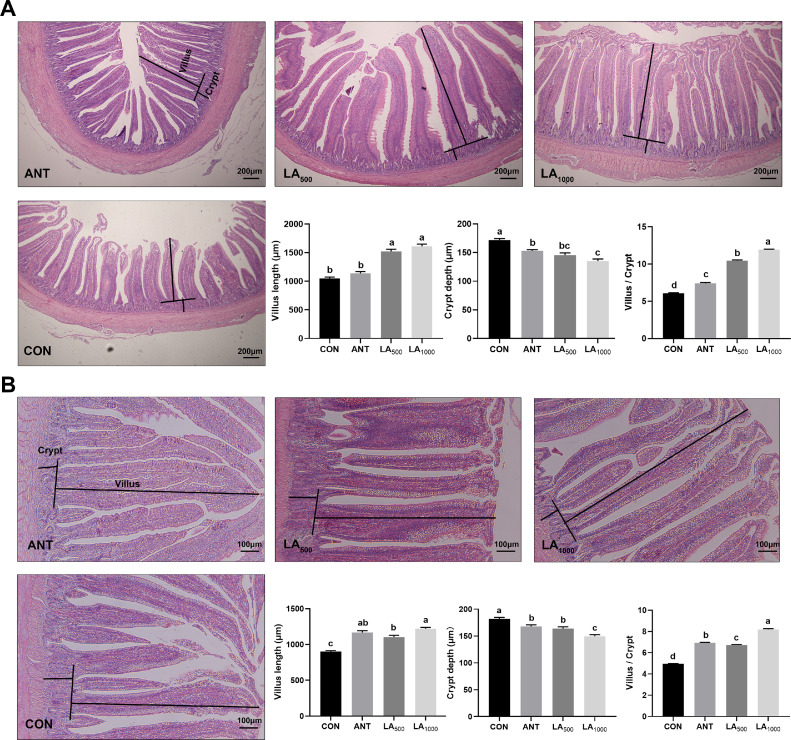
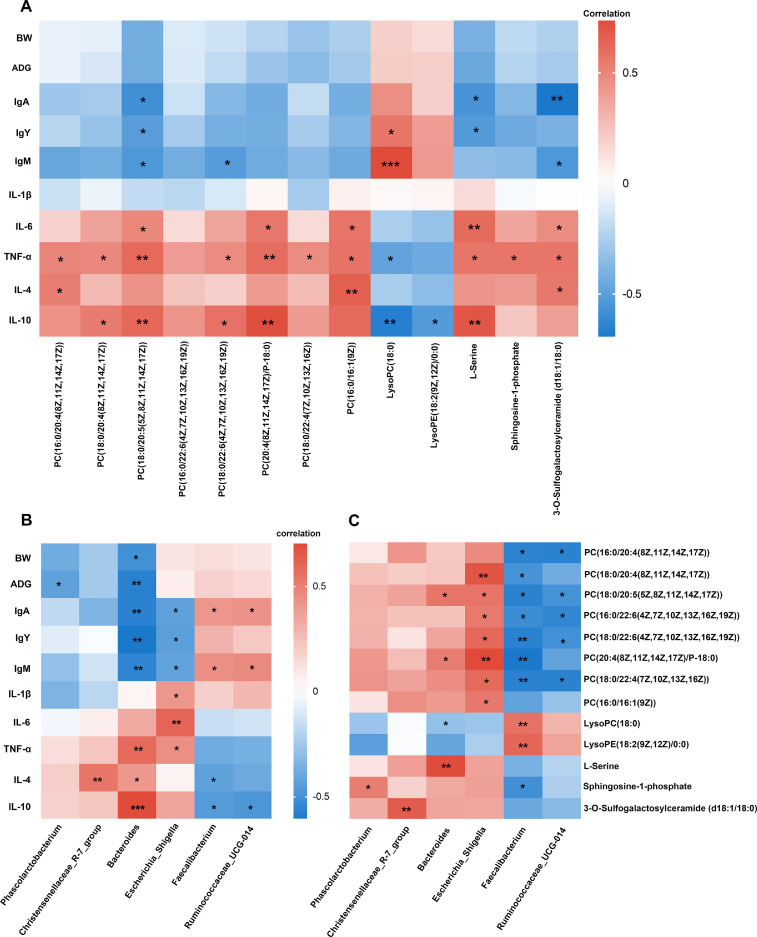
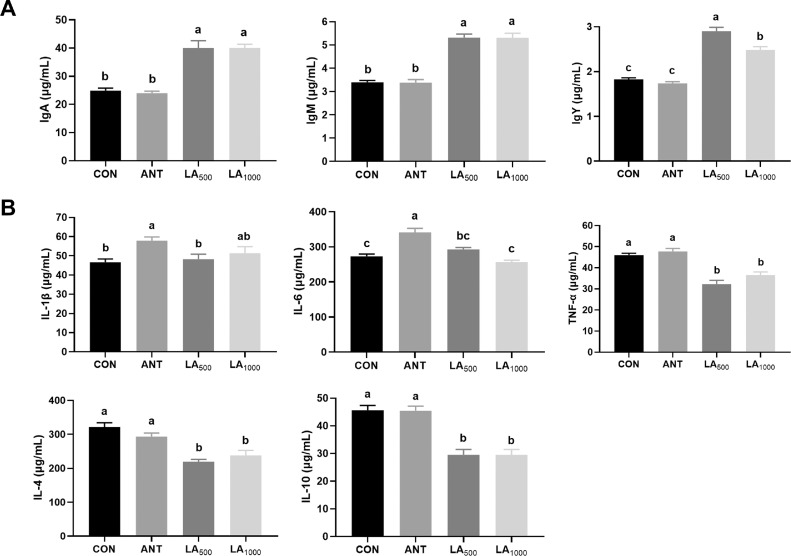
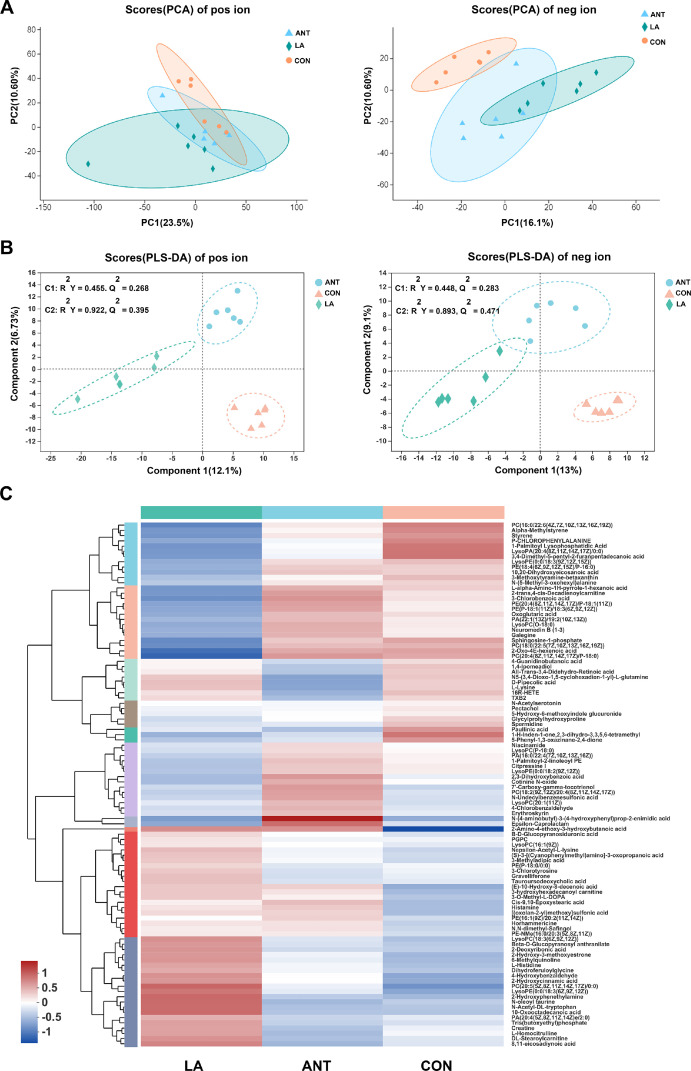
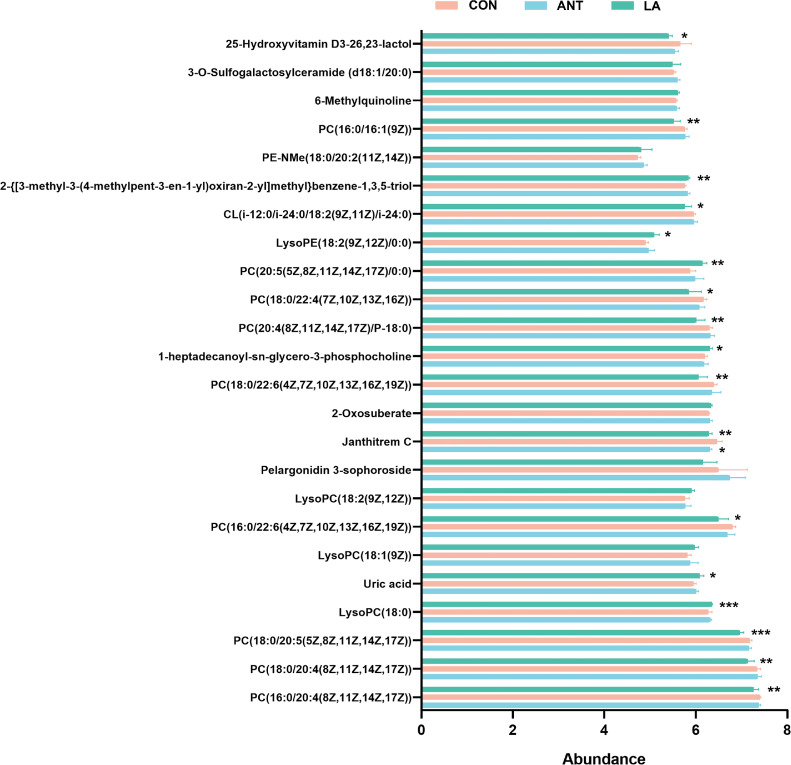
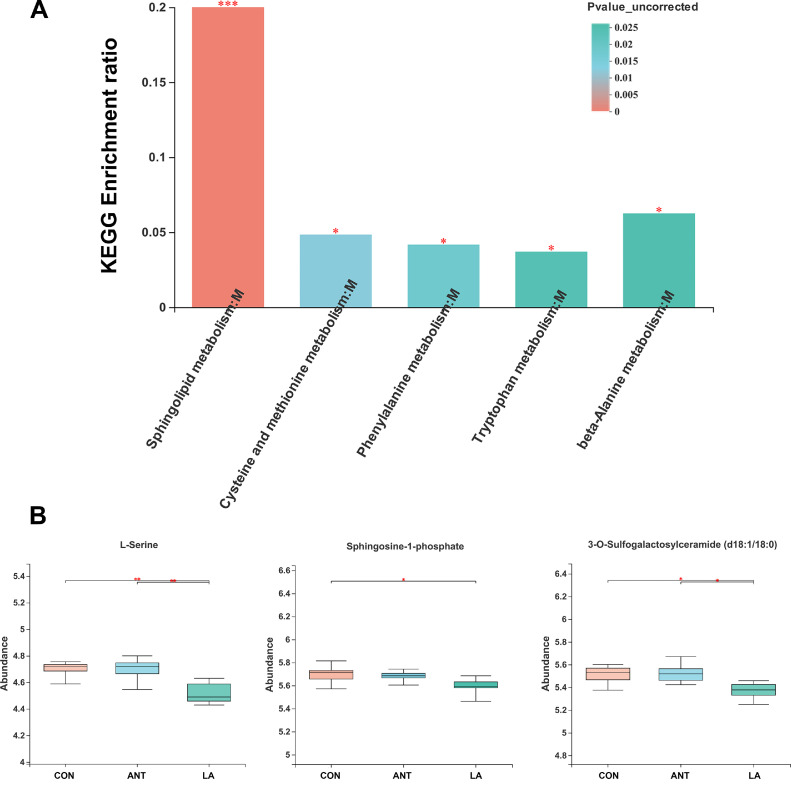
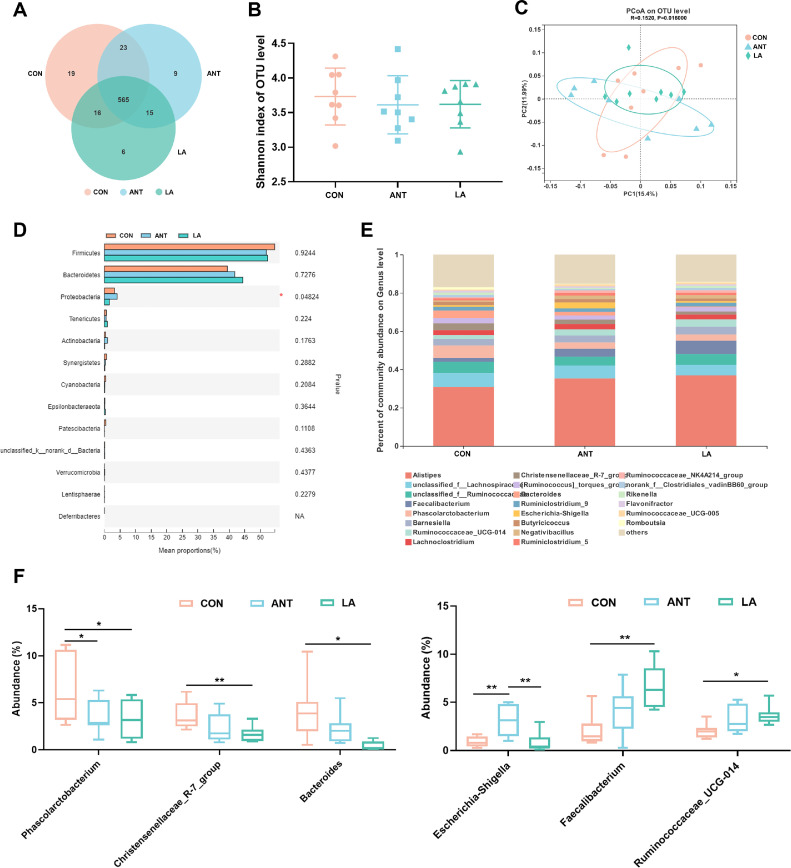
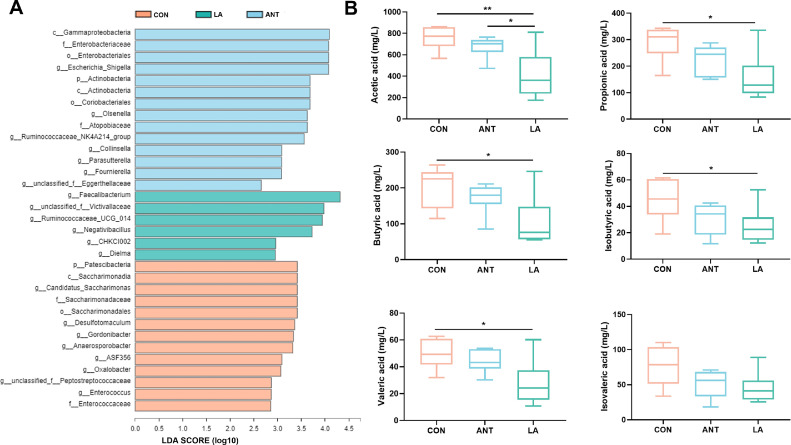
Antibiotic overuse in poultry husbandry poses a potential threat to meat safety and human health. Lauric acid (LA) is a primary medium-chain fatty acid (MCFA) with a strong antibacterial capacity. The goal of this study was to evaluate the beneficial effects of LA on the growth performance, immune responses, serum metabolism, and cecal microbiota of broiler chickens. One-day-old male Ross 308 broilers were randomly divided into 4 groups: CON, fed a basal diet; ANT, a basal diet supplemented with 75 mg/kg antibiotic; LA, a basal diet supplemented with 500 mg/kg LA; LA, a basal diet supplemented with 1000 mg/kg LA. The feeding period was 42 d. The results showed that LA significantly improved broiler growth and immune functions, as evidenced by increased body weight (BW) and average daily gain (ADG), enhanced intestinal mucosal barrier, upregulated immunoglobulins (IgA, IgM, and IgY), and downregulated inflammatory cytokines (IL-1β, IL-6, TNF-α, IL-4, and IL-10) (P < 0.05). HPLC/MS-based metabolome analysis revealed that the serum metabolites in the LA group differed from those of CON and ANT groups. LA markedly decreased the abundance of phosphatidylcholines (PCs), increased lysophosphatidylcholines (LysoPCs), and inhibited the sphingolipid metabolism pathway, indicating its capacity to modulate lipid metabolism. 16S rRNA sequencing indicated that LA significantly altered cecal microbiota composition by reducing Phascolarctobacterium, Christensenellaceae_R-7_group, and Bacteroides, and increasing Faecalibacterium and Ruminococcaceae_UCG-014 (P < 0.05). Furthermore, Spearman correlation analysis revealed that changes in metabolism and microbiota were highly correlated with the growth and immune indices; strong links were also found between lipid metabolism and microbial composition. Taken together, LA promotes broiler growth and immune functions by regulating lipid metabolism and gut microbiota. The above findings highlight the substantial potential of LA as a supplement in poultry diets and provide a new strategy to reduce antibiotic usage and improve food safety.
在禽类养殖中过度使用抗生素对肉类安全和人类健康构成潜在威胁。月桂酸(LA)是一种主要的中链脂肪酸(MCFA),具有很强的抗菌能力。本研究旨在评估 LA 对肉鸡生长性能、免疫反应、血清代谢和盲肠微生物群的有益影响。将 1 日龄雄性 Ross 308 肉鸡随机分为 4 组:CON,基础日粮;ANT,基础日粮添加 75mg/kg 抗生素;LA,基础日粮添加 500mg/kg LA;LA,基础日粮添加 1000mg/kg LA。饲养期为 42d。结果表明,LA 显著提高了肉鸡的生长和免疫功能,表现为体重(BW)和平均日增重(ADG)增加,肠黏膜屏障增强,免疫球蛋白(IgA、IgM 和 IgY)上调,炎症细胞因子(IL-1β、IL-6、TNF-α、IL-4 和 IL-10)下调(P<0.05)。基于 HPLC/MS 的代谢组学分析表明,LA 组的血清代谢物与 CON 和 ANT 组不同。LA 显著降低了磷脂酰胆碱(PCs)的丰度,增加了溶血磷脂酰胆碱(LysoPCs),并抑制了鞘脂代谢途径,表明其调节脂质代谢的能力。16S rRNA 测序表明,LA 通过减少 Phascolarctobacterium、Christensenellaceae_R-7_group 和 Bacteroides,增加 Faecalibacterium 和 Ruminococcaceae_UCG-014,显著改变了盲肠微生物群落组成(P<0.05)。此外,Spearman 相关分析表明,代谢和微生物群的变化与生长和免疫指标高度相关;脂质代谢与微生物组成之间也存在很强的联系。综上所述,LA 通过调节脂质代谢和肠道微生物群促进肉鸡生长和免疫功能。这些发现强调了 LA 作为家禽饲料添加剂的巨大潜力,并提供了减少抗生素使用和提高食品安全的新策略。