Jiangsu Provincial Center for Disease Control and Prevention, Nanjing 210009, China.
National Institute for Occupational Safety and Health (NIOSH), Centers for Disease Control and Prevention (CDC), Cincinnati, OH 45226, USA.
Int J Environ Res Public Health. 2021 Jul 5;18(13):7190. doi: 10.3390/ijerph18137190.
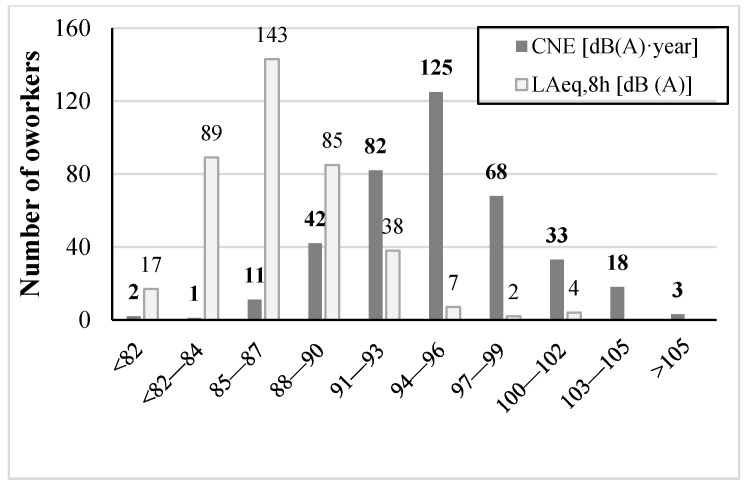
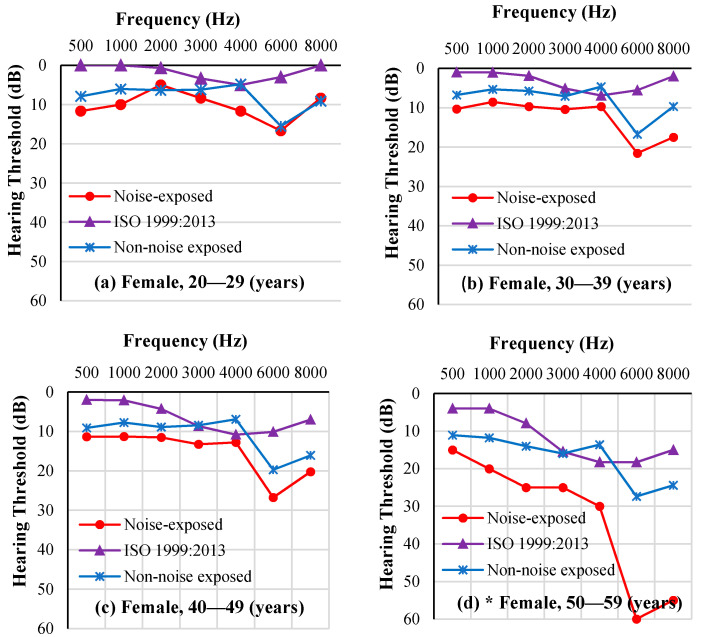
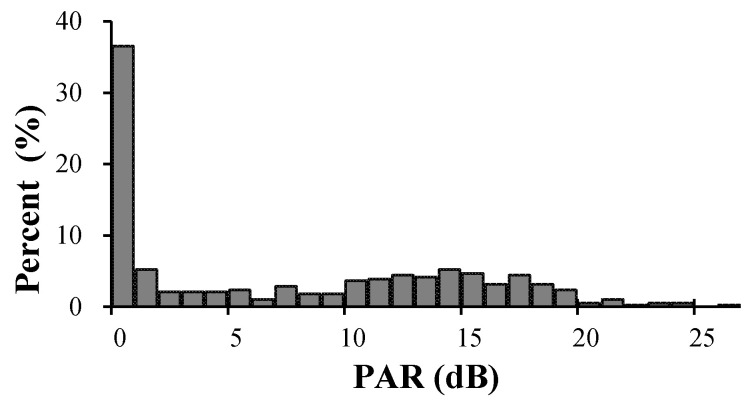
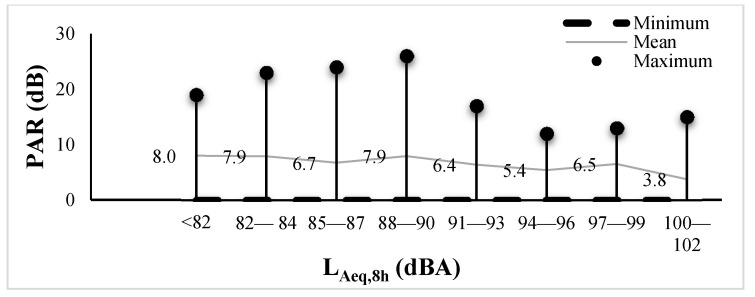
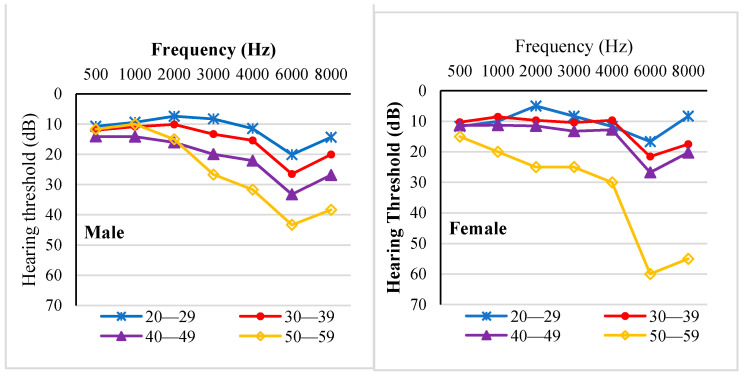
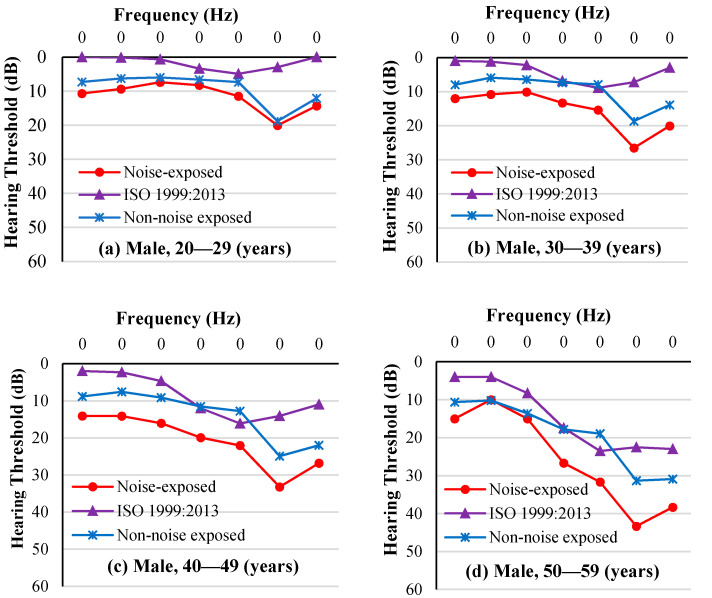
A survey was administered to 385 noise-exposed workers from an auto parts factory and 1268 non-noise-exposed health department employees in China. Individual 8 h A-weighted equivalent sound levels (L), earplug personal attenuation ratings (PARs), and pure-tone audiometric tests were performed. The average L of noise-exposed workers was 87 dB (A) with a mean PAR of 7 dB. The prevalence of high-frequency hearing loss was 65% for noise-exposed workers and 33% for the non-noise-exposed employees. The use of earplugs had no observable effect on the prevalence of high-frequency hearing loss of the study participants (OR 0.964, 95% CI 0.925-1.005, = 0.085). No significant relationship between the effectiveness offered by earplug use and high-frequency hearing thresholds at 3, 4, and 6 kHz was found (t = -1.54, = 0.125). The mandatory requirement of earplug use without individualized training on how to wear HPDs correctly had no detectable effect on the prevention of hearing loss at the auto parts factory. The hearing conservation program at the surveyed factory was not effective. Periodic hearing tests, earplug fit testing, expanding the offer of different types of hearing protection, and employee education about the importance of protecting their hearing were recommended to the occupational health and safety program.
在中国,对一家汽车零部件厂的 385 名噪声暴露工人和 1268 名非噪声暴露的卫生部门员工进行了一项调查。对个体的 8 小时 A 加权等效声级(L)、耳塞个人衰减评级(PAR)和纯音听力测试进行了测量。噪声暴露工人的平均噪声为 87 dB(A),平均 PAR 为 7 dB。噪声暴露工人高频听力损失的患病率为 65%,而非噪声暴露工人的患病率为 33%。耳塞的使用对研究参与者高频听力损失的患病率没有明显影响(OR 0.964,95%CI 0.925-1.005, = 0.085)。耳塞使用的有效性与 3、4 和 6 kHz 高频听力阈值之间没有发现显著关系(t = -1.54, = 0.125)。在没有关于如何正确佩戴 HPD 的个性化培训的情况下,强制要求使用耳塞对汽车零部件厂预防听力损失没有任何效果。被调查工厂的听力保护计划无效。建议职业健康和安全计划增加定期听力测试、耳塞适配测试、提供不同类型听力保护的范围,并对员工进行保护听力重要性的教育。