School of Electronic and Electrical Engineering, Shanghai University of Engineering Science, Shanghai 201620, China.
Commonwealth Scientific and Industrial Research Organization (CSIRO), Sandy Bay 7005, Australia.
Sensors (Basel). 2021 Jul 5;21(13):4592. doi: 10.3390/s21134592.
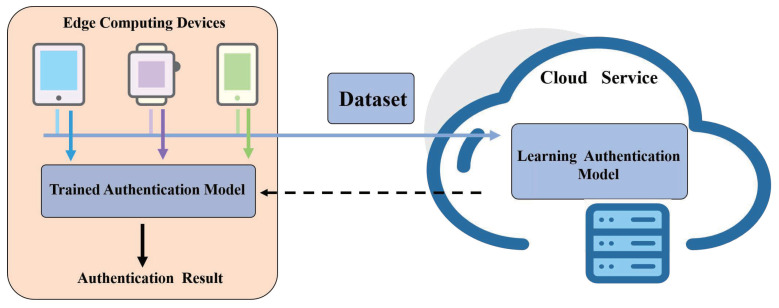
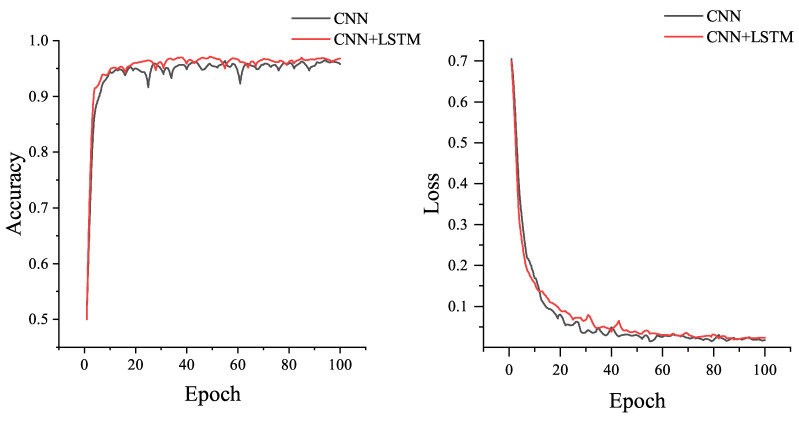
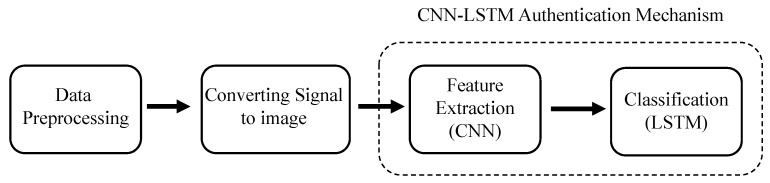
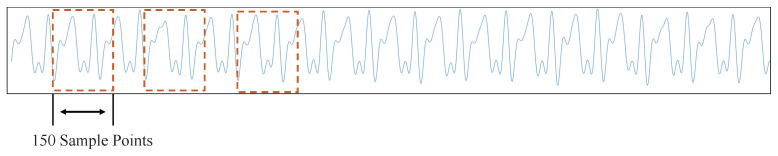
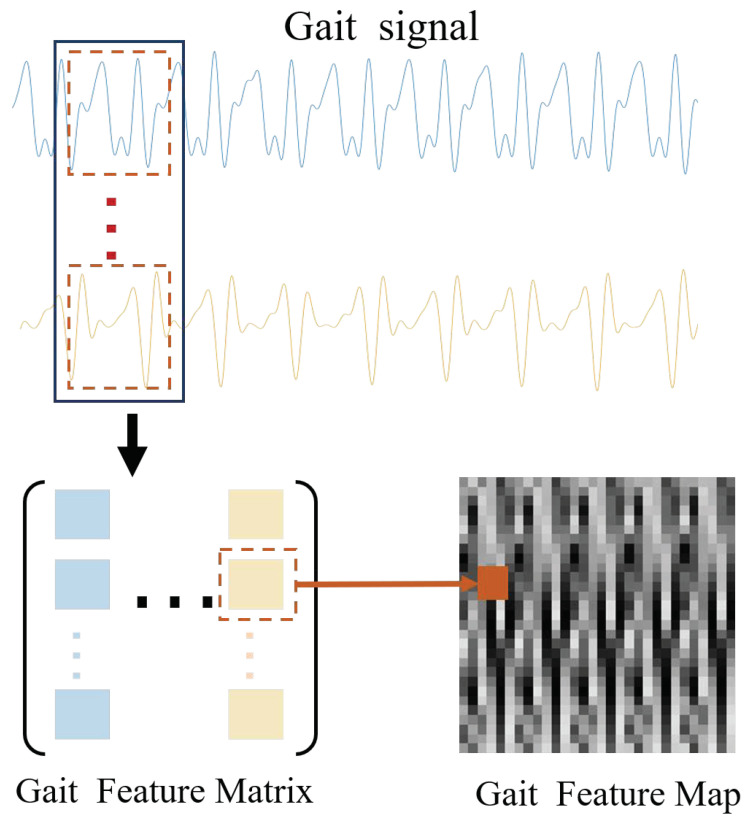
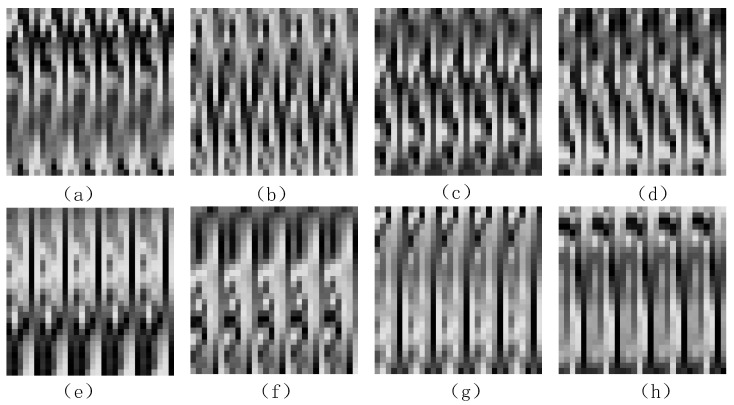
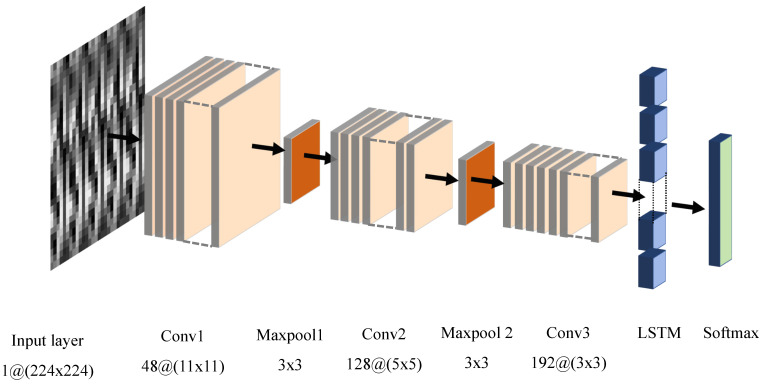
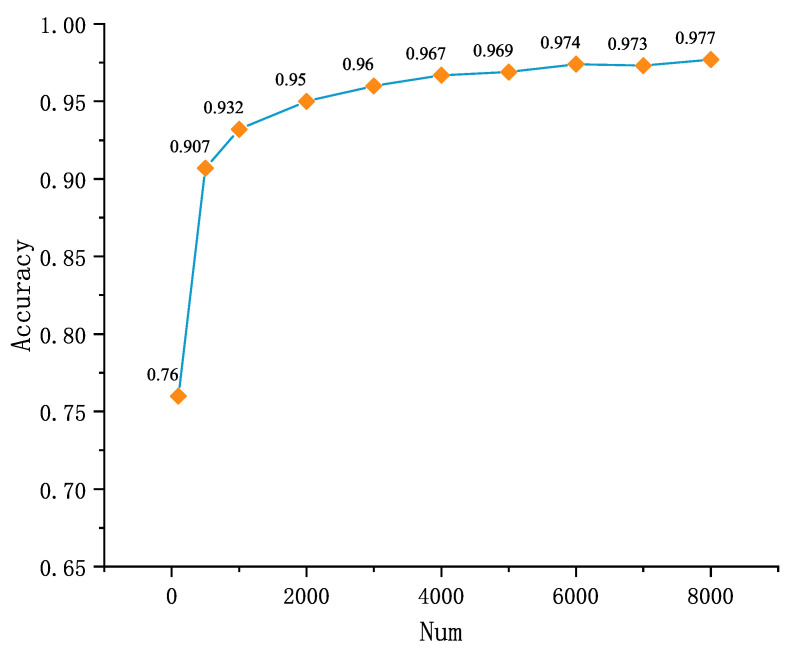
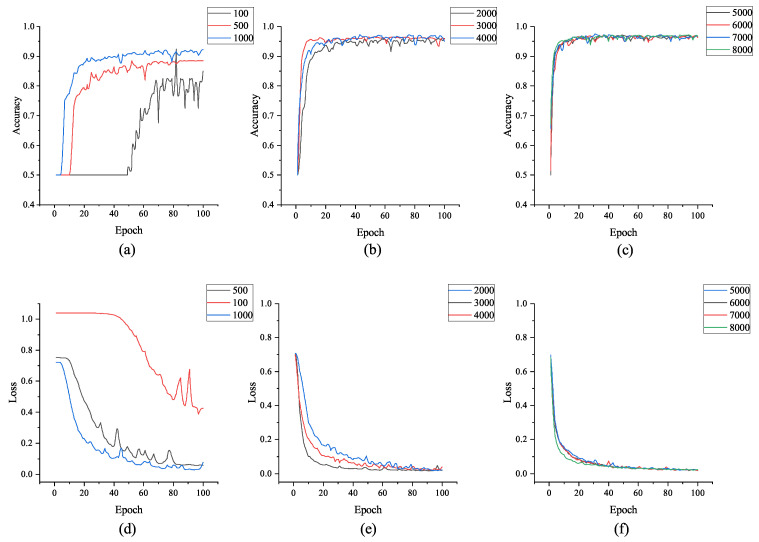
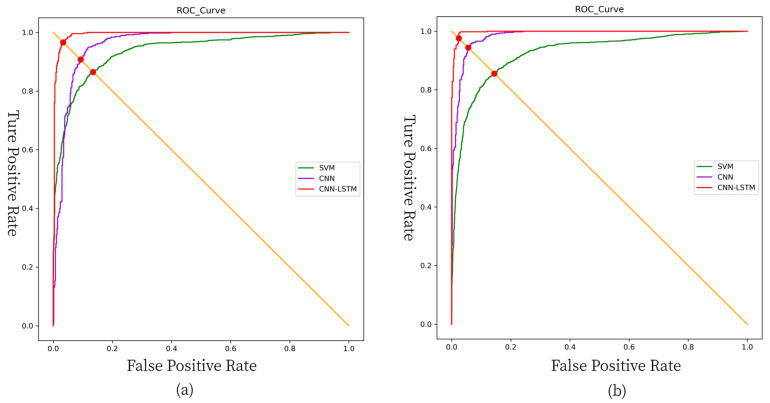
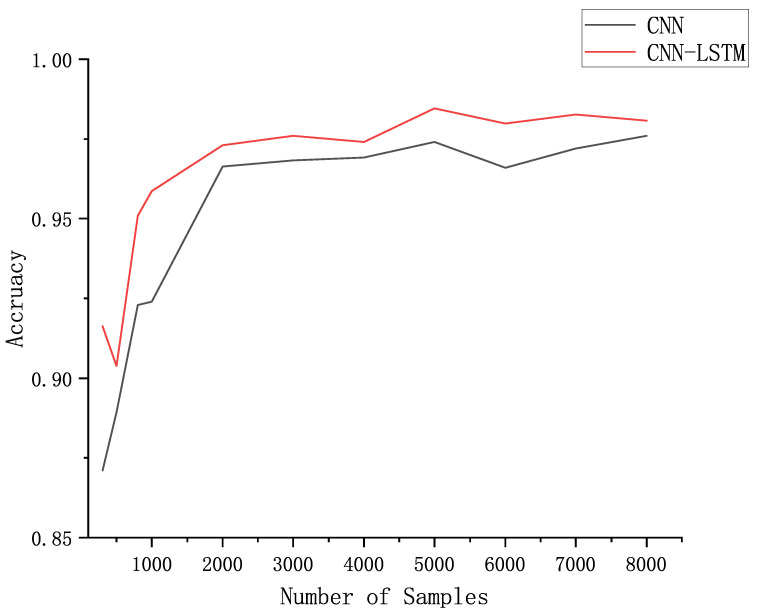
Implicit authentication mechanisms are expected to prevent security and privacy threats for mobile devices using behavior modeling. However, recently, researchers have demonstrated that the performance of behavioral biometrics is insufficiently accurate. Furthermore, the unique characteristics of mobile devices, such as limited storage and energy, make it subject to constrained capacity of data collection and processing. In this paper, we propose an implicit authentication architecture based on edge computing, coined Edge computing-based mobile Device Implicit Authentication (EDIA), which exploits edge-based gait biometric identification using a deep learning model to authenticate users. The gait data captured by a device's accelerometer and gyroscope sensors is utilized as the input of our optimized model, which consists of a CNN and a LSTM in tandem. Especially, we deal with extracting the features of gait signal in a two-dimensional domain through converting the original signal into an image, and then input it into our network. In addition, to reduce computation overhead of mobile devices, the model for implicit authentication is generated on the cloud server, and the user authentication process also takes place on the edge devices. We evaluate the performance of EDIA under different scenarios where the results show that i) we achieve a true positive rate of 97.77% and also a 2% false positive rate; and ii) EDIA still reaches high accuracy with limited dataset size.
隐式认证机制有望通过行为建模为使用移动设备预防安全和隐私威胁。然而,最近研究人员已经证明行为生物识别技术的性能不够准确。此外,移动设备的独特特性,如有限的存储和能量,使其受到数据收集和处理能力的限制。在本文中,我们提出了一种基于边缘计算的隐式认证架构,称为基于边缘计算的移动设备隐式认证(EDIA),它利用基于边缘的步态生物识别识别技术,使用深度学习模型对用户进行认证。设备的加速度计和陀螺仪传感器捕获的步态数据作为我们优化模型的输入,该模型由 CNN 和 LSTM 串联组成。特别是,我们通过将原始信号转换为图像来处理步态信号特征的二维域提取,并将其输入到我们的网络中。此外,为了减少移动设备的计算开销,在云服务器上生成隐式认证模型,并且用户认证过程也在边缘设备上进行。我们在不同场景下评估 EDIA 的性能,结果表明:i)我们实现了 97.77%的真阳性率和 2%的假阳性率;并且 ii)EDIA 仍然在有限的数据集大小下达到了很高的准确性。