School of Software Engineering, Payap University, Chiang Mai 50000, Thailand.
Department of Computer and Information Sciences, Northumbria University, Newcastle upon Tyne NE1 8ST, UK.
Sensors (Basel). 2021 Jul 5;21(13):4620. doi: 10.3390/s21134620.
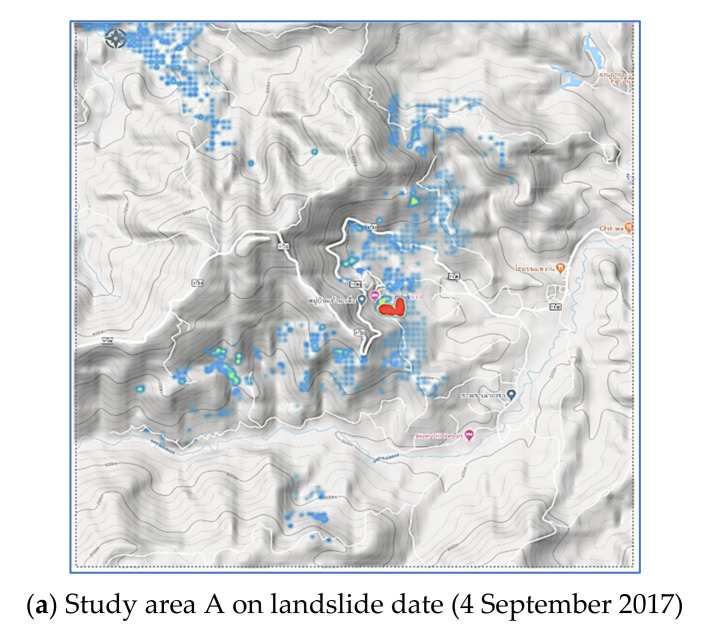
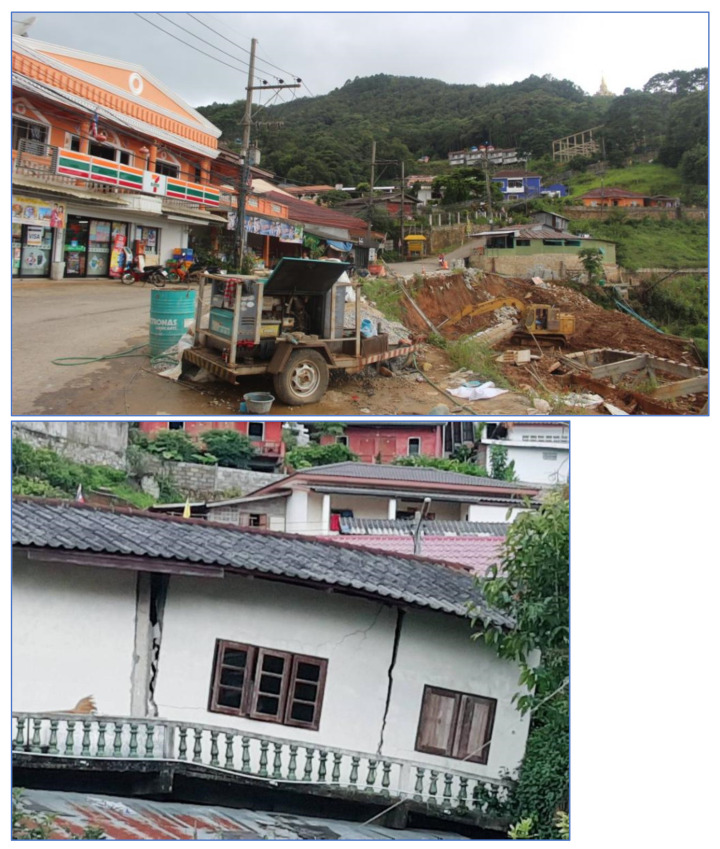
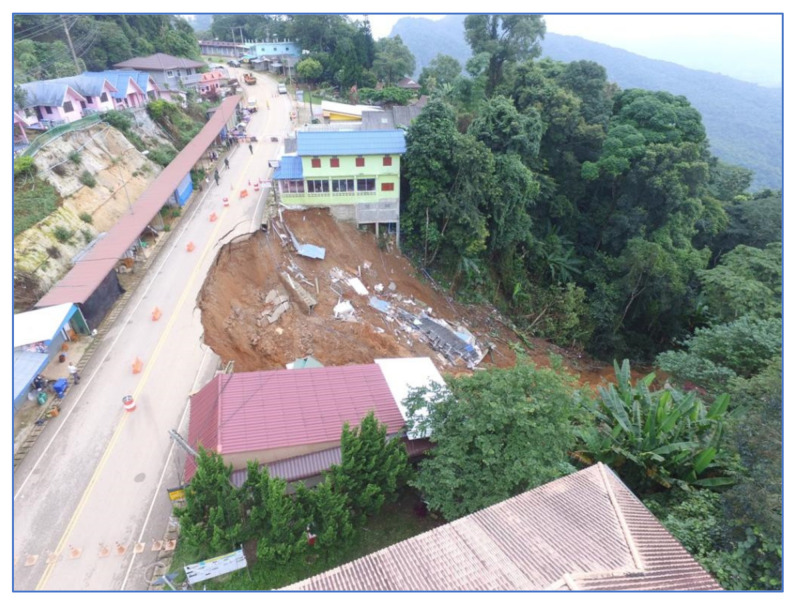
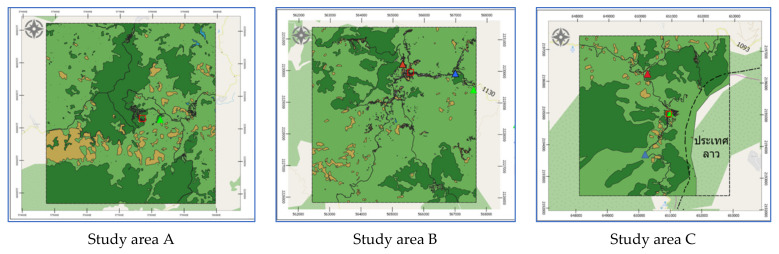
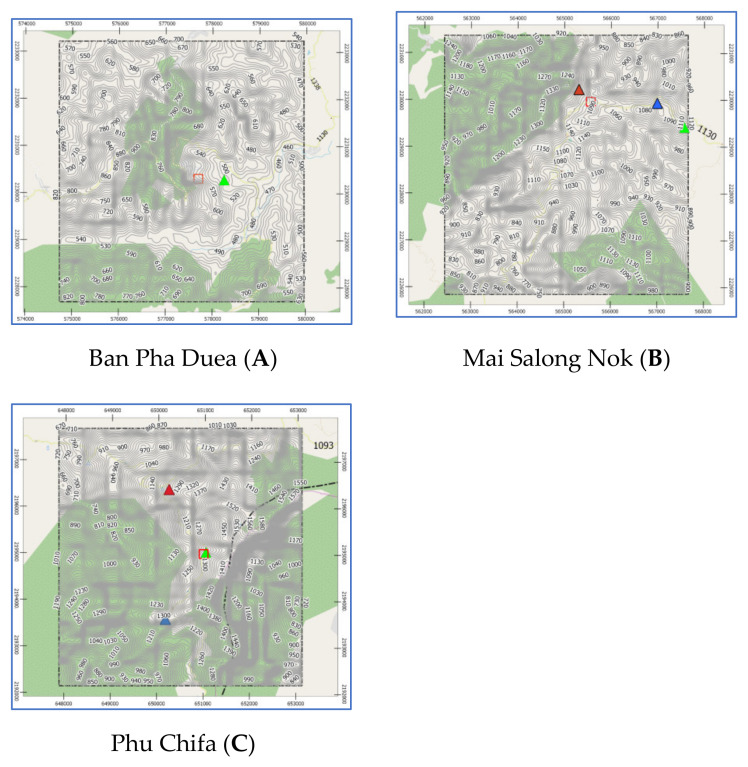
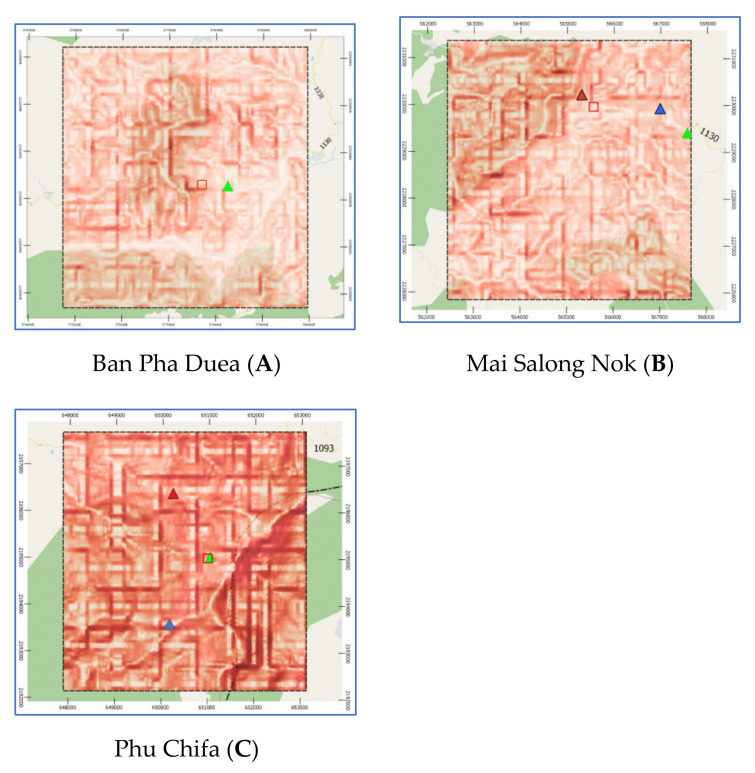
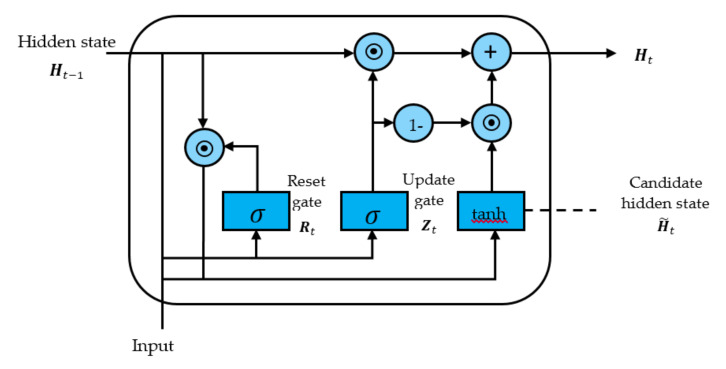
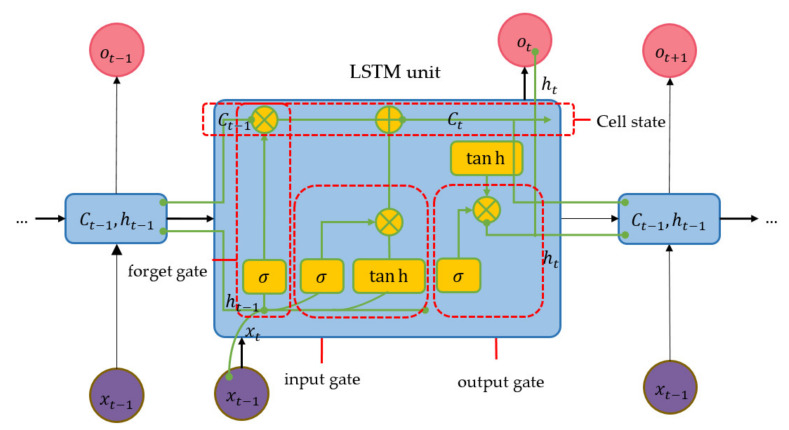
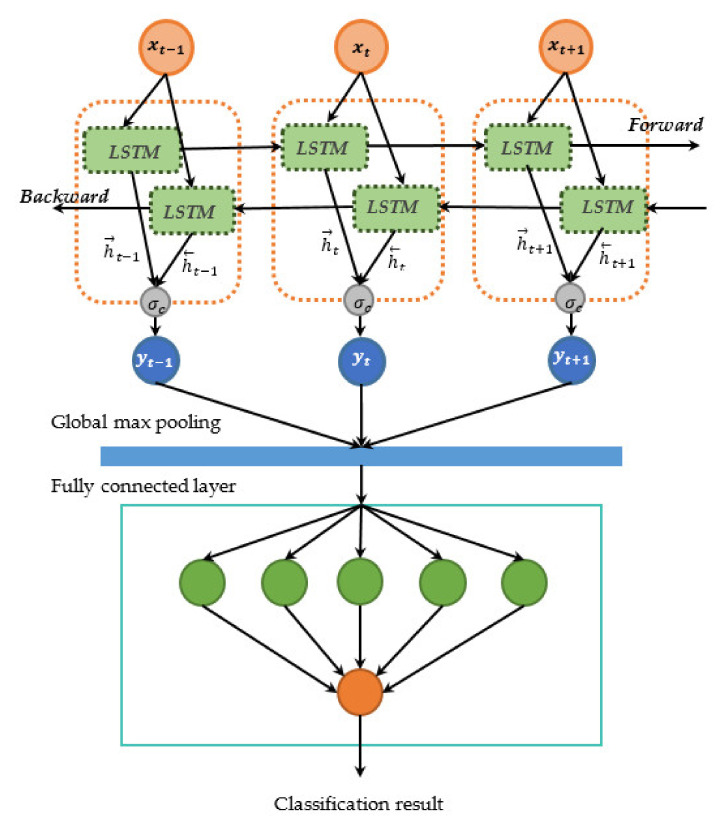
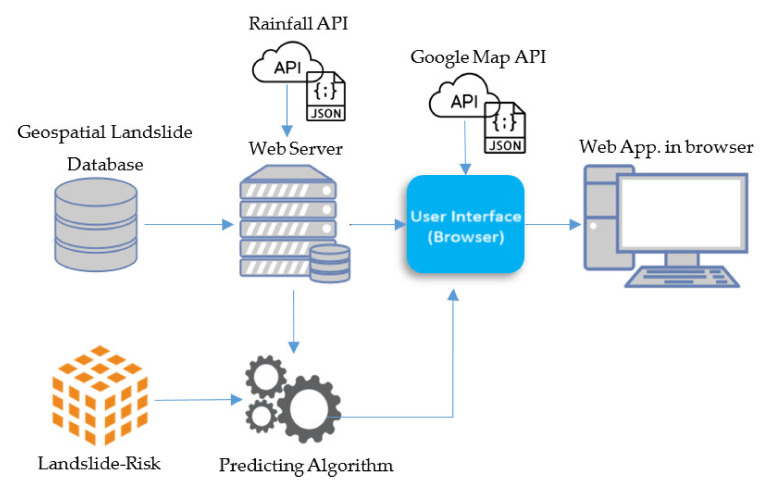
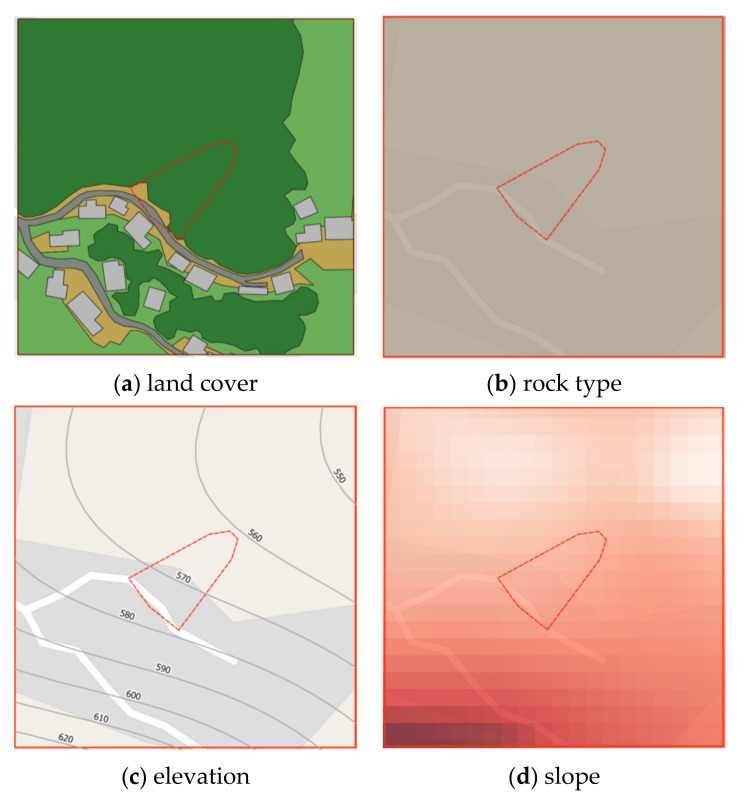
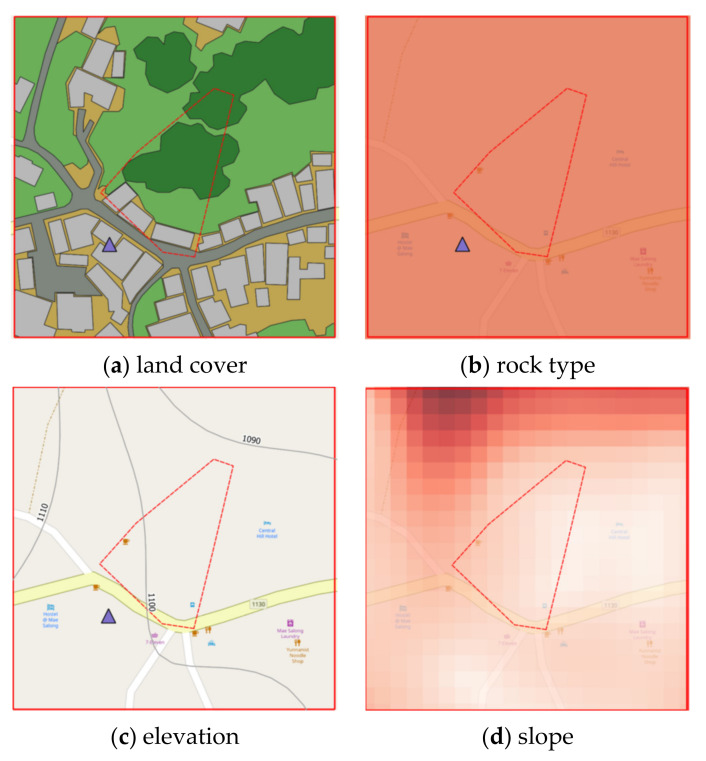
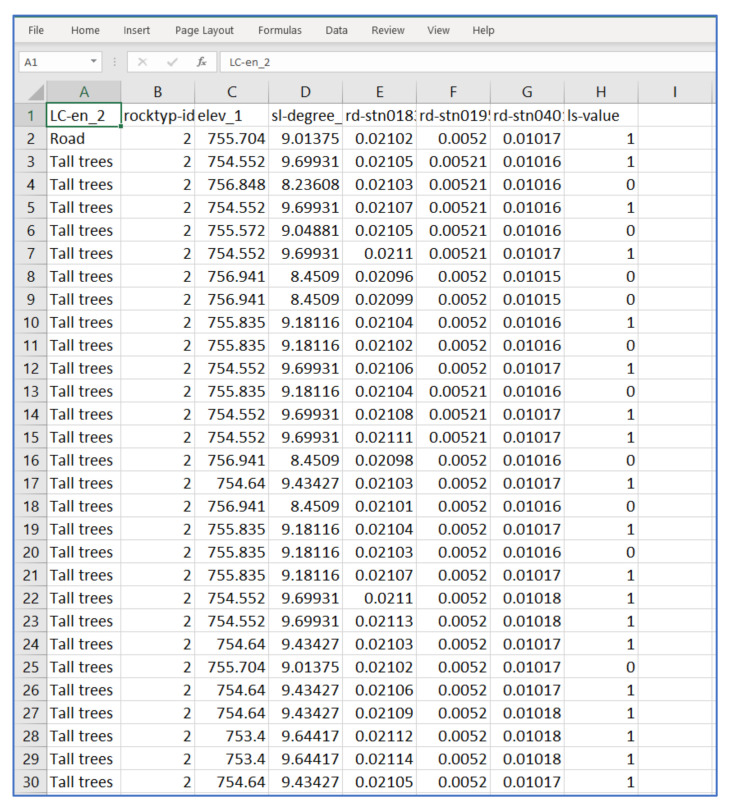
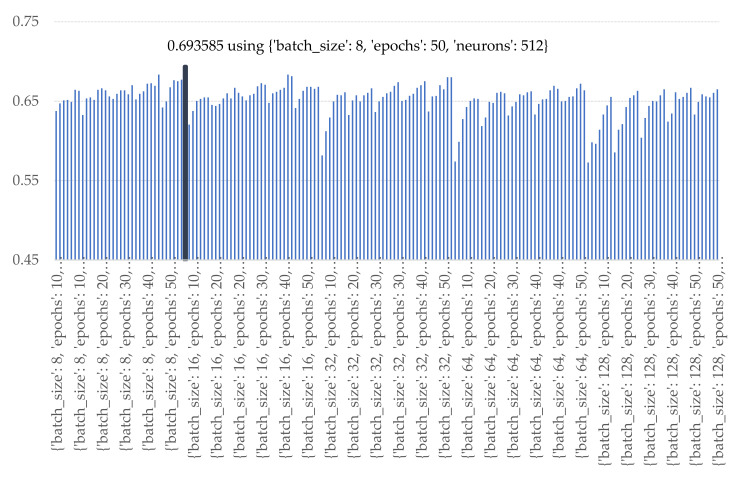
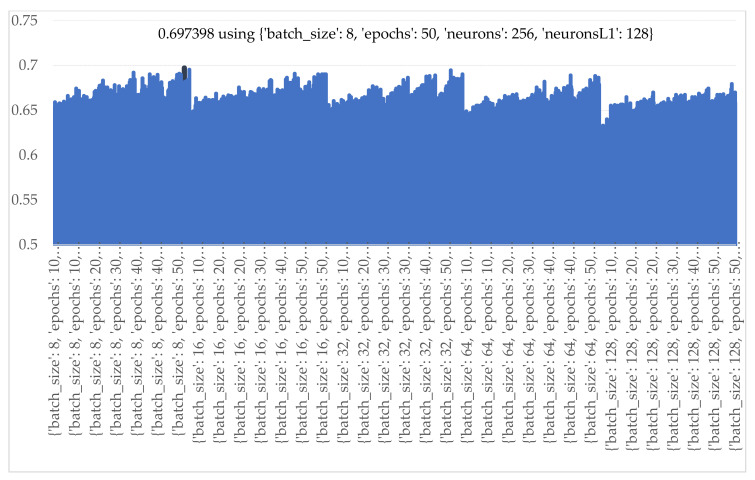
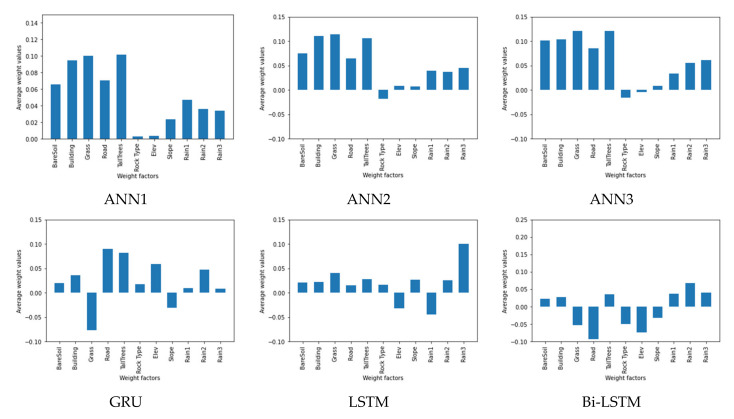
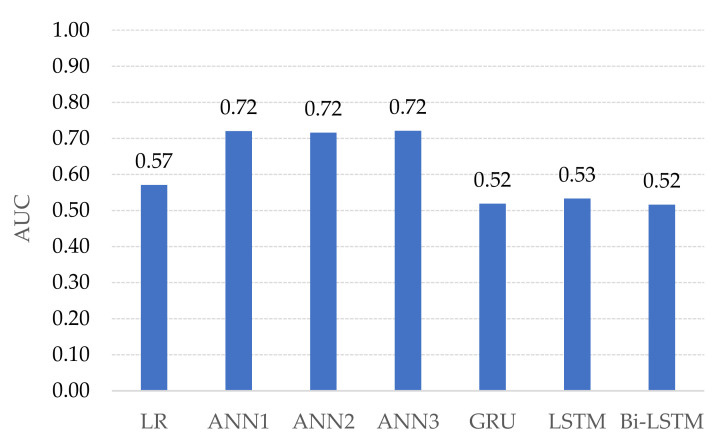
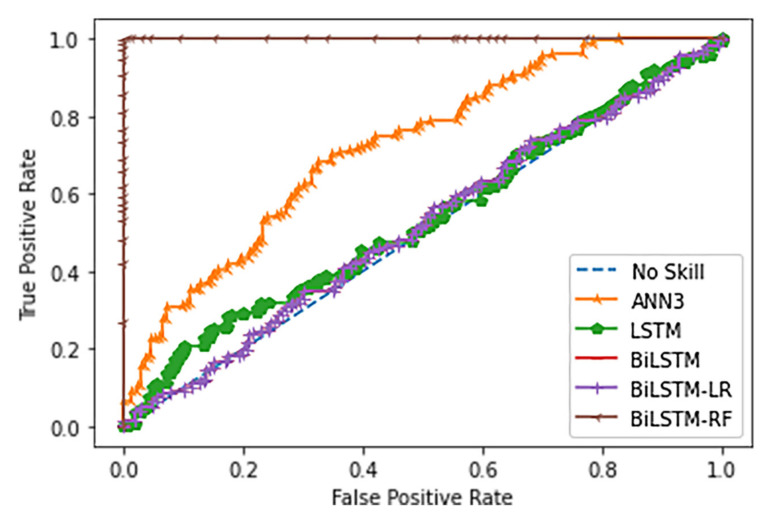
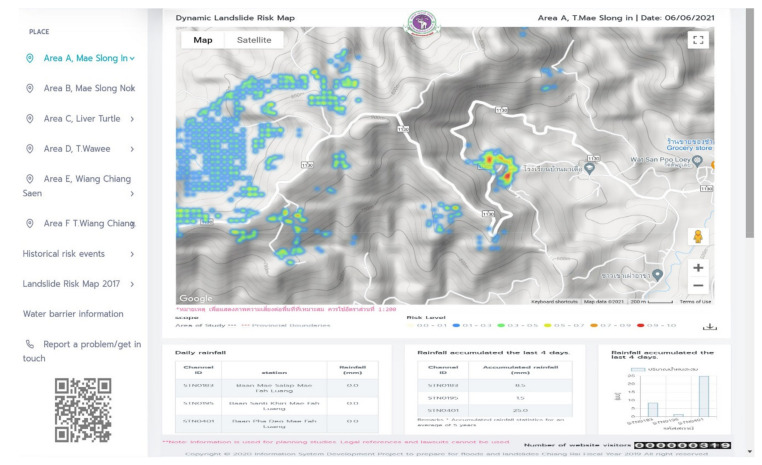
Spatial susceptible landslide prediction is the one of the most challenging research areas which essentially concerns the safety of inhabitants. The novel geographic information web (GIW) application is proposed for dynamically predicting landslide risk in Chiang Rai, Thailand. The automated GIW system is coordinated between machine learning technologies, web technologies, and application programming interfaces (APIs). The new bidirectional long short-term memory (Bi-LSTM) algorithm is presented to forecast landslides. The proposed algorithm consists of 3 major steps, the first of which is the construction of a landslide dataset by using Quantum GIS (QGIS). The second step is to generate the landslide-risk model based on machine learning approaches. Finally, the automated landslide-risk visualization illustrates the likelihood of landslide via Google Maps on the website. Four static factors are considered for landslide-risk prediction, namely, land cover, soil properties, elevation and slope, and a single dynamic factor i.e., precipitation. Data are collected to construct a geospatial landslide database which comprises three historical landslide locations-Phu Chifa at Thoeng District, Ban Pha Duea at Mae Salong Nai, and Mai Salong Nok in Mae Fa Luang District, Chiang Rai, Thailand. Data collection is achieved using QGIS software to interpolate contour, elevation, slope degree and land cover from the Google satellite images, aerial and site survey photographs while the physiographic and rock type are on-site surveyed by experts. The state-of-the-art machine learning models have been trained i.e., linear regression (LR), artificial neural network (ANN), LSTM, and Bi-LSTM. Ablation studies have been conducted to determine the optimal parameters setting for each model. An enhancement method based on two-stage classifications has been presented to improve the landslide prediction of LSTM and Bi-LSTM models. The landslide-risk prediction performances of these models are subsequently evaluated using real-time dataset and it is shown that Bi-LSTM with Random Forest (Bi-LSTM-RF) yields the best prediction performance. Bi-LSTM-RF model has improved the landslide-risk predicting performance over LR, ANNs, LSTM, and Bi-LSTM in terms of the area under the receiver characteristic operator (AUC) scores by 0.42, 0.27, 0.46, and 0.47, respectively. Finally, an automated web GIS has been developed and it consists of software components including the trained models, rainfall API, Google API, and geodatabase. All components have been interfaced together via JavaScript and Node.js tool.
空间易发性滑坡预测是最具挑战性的研究领域之一,它本质上关系到居民的安全。提出了一种新的地理信息网络(GIW)应用程序,用于动态预测泰国清莱的滑坡风险。自动化 GIW 系统通过机器学习技术、网络技术和应用程序编程接口(API)进行协调。提出了一种新的双向长短期记忆(Bi-LSTM)算法来预测滑坡。该算法由 3 个主要步骤组成,第一步是使用 Quantum GIS(QGIS)构建滑坡数据集。第二步是基于机器学习方法生成滑坡风险模型。最后,通过网站上的 Google Maps 自动可视化滑坡风险,说明滑坡的可能性。为了预测滑坡风险,考虑了 4 个静态因素,即土地覆盖、土壤特性、海拔和坡度,以及一个单一的动态因素,即降水。收集数据以构建一个地理空间滑坡数据库,其中包括泰国清莱 Thoeng 区的 Phu Chifa、Mae Salong Nai 的 Ban Pha Duea 和 Mai Salong Nok 三个历史滑坡位置。使用 QGIS 软件收集数据,从 Google 卫星图像、航空和现场调查照片中插值等高线、海拔、坡度和土地覆盖,而地貌和岩石类型则由专家现场调查。已经训练了最先进的机器学习模型,即线性回归(LR)、人工神经网络(ANN)、LSTM 和 Bi-LSTM。进行了消融研究,以确定每个模型的最佳参数设置。提出了一种基于两阶段分类的增强方法,以提高 LSTM 和 Bi-LSTM 模型的滑坡预测能力。随后使用实时数据集评估这些模型的滑坡风险预测性能,结果表明 Bi-LSTM 与随机森林(Bi-LSTM-RF)的预测性能最好。Bi-LSTM-RF 模型在面积下的接收者特征运算符(AUC)得分方面,分别比 LR、ANNs、LSTM 和 Bi-LSTM 提高了 0.42、0.27、0.46 和 0.47,提高了滑坡风险预测性能。最后,开发了一个自动化的网络 GIS,它由软件组件组成,包括训练模型、降雨 API、Google API 和地理数据库。所有组件都通过 JavaScript 和 Node.js 工具进行了接口连接。