Department of Sport Science, School of Science and Technology, Nottingham Trent University, Nottingham NG11 8NS, UK.
Polo Universitario Asti Studi Superiori (Uni-Astiss), 14100 Asti, Italy.
Int J Environ Res Public Health. 2021 Jul 17;18(14):7612. doi: 10.3390/ijerph18147612.
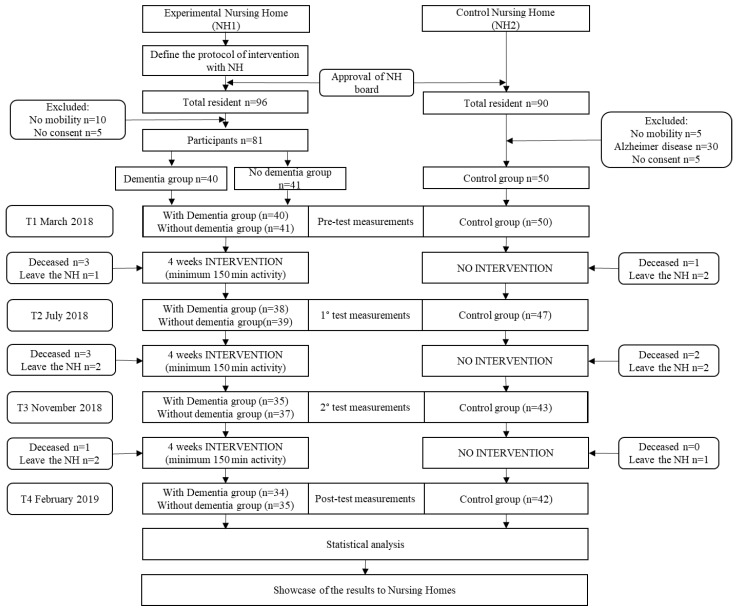
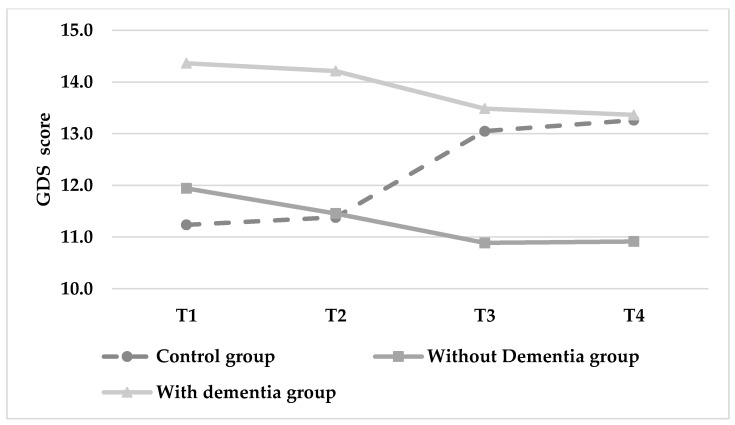
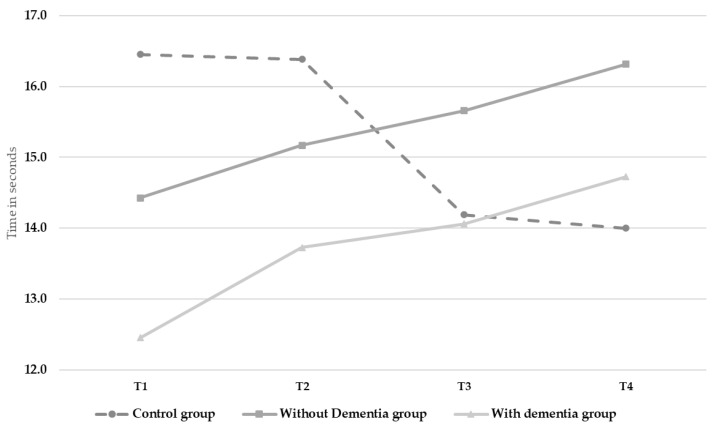
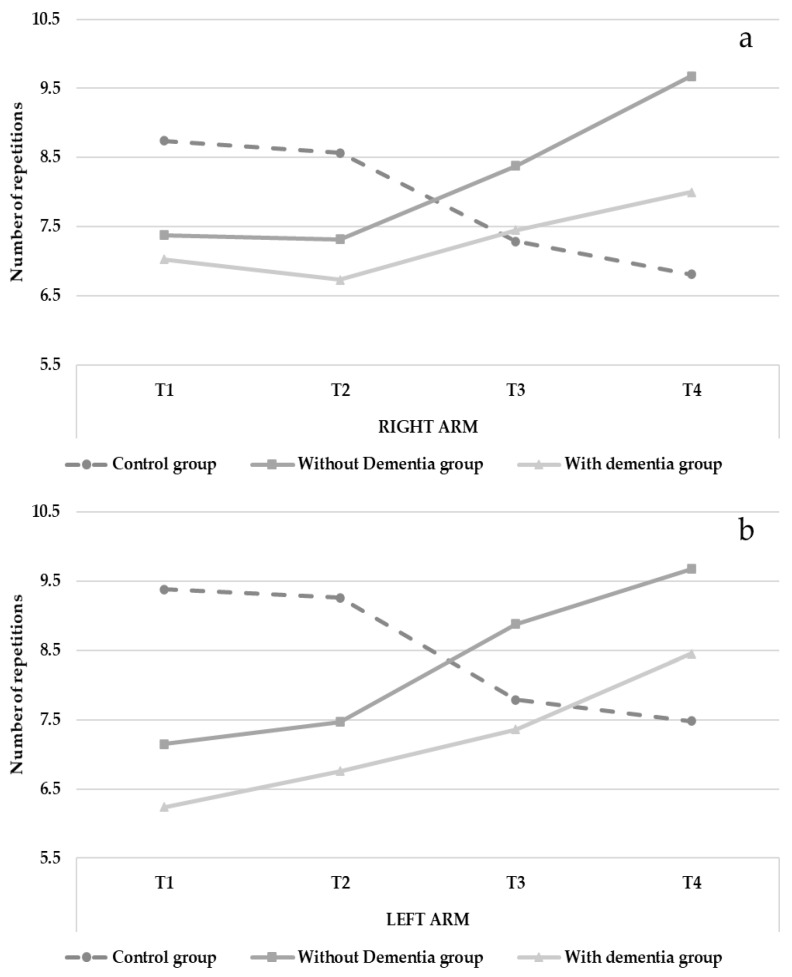
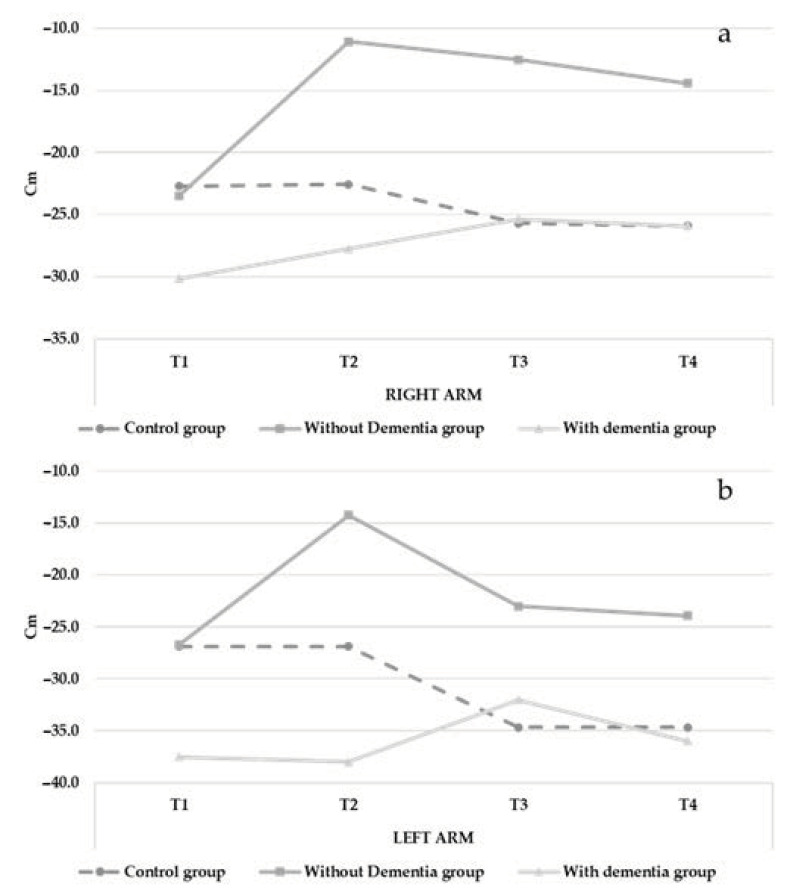
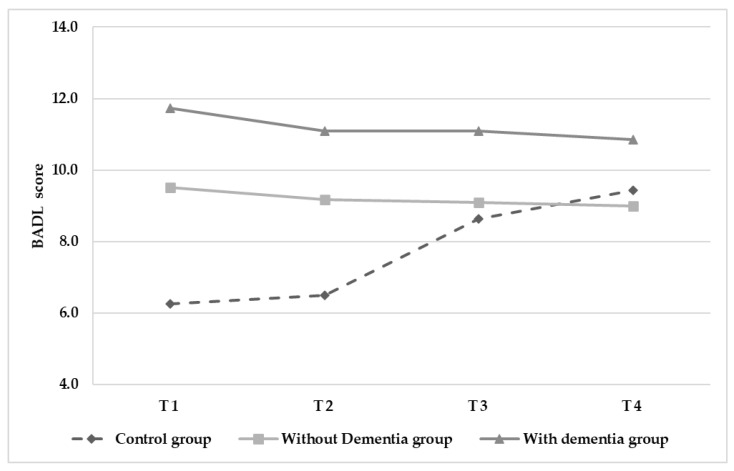
The socio-economic and health consequences of our ageing population are well documented, with older adults living in long-term care facilities amongst the frailest possessing specific and significant healthcare and social care needs. These needs may be exacerbated through the sedentary behaviour which is prevalent within care home settings. Reducing sedentary time can reduce the risk of many diseases and improve functional health, implying that improvements in health may be gained by simply helping older adults substitute time spent sitting with time spent standing or in light-intensity ambulation. This study identified the impact of 1 year of lifestyle intervention in a group of older adults living in a long-term care setting in Italy. One hundred and eleven older adults (mean age, 82.37 years; SD = 10.55 years) participated in the study. Sixty-nine older adults were in the intervention group (35 without severe cognitive decline and 34 with dementia) and 42 older adults were in the control group. Data on physical functioning, basic activities of daily living (BADL) and mood were collected 4 times, before, during (every four months) and after the 1 year of intervention. The lifestyle intervention focused on improving the amount of time spent every week in active behaviour and physical activity (minimum 150 min of weekly activities). All participants completed the training program and no adverse events, related to the program, occurred. The intervention group showed steady and significant improvements in physical functioning and a stable situation in BADL and mood following the intervention in older adults with and without dementia, whilst the control group exhibited a significant decline over time. These results suggest that engagement in a physical activity intervention may benefit care home residents with and without dementia both physically and mentally, leading to improved social care and a reduced burden on healthcare services.
人口老龄化所带来的社会经济和健康后果已有充分的记录,长期居住在护理院的老年人是最脆弱的群体,他们有着特殊而重要的医疗和社会护理需求。这些需求可能因护理院环境中普遍存在的久坐行为而加剧。减少久坐时间可以降低许多疾病的风险,改善身体健康,这意味着通过帮助老年人将坐着的时间替换为站立或低强度活动时间,就可以改善健康。本研究旨在确定对意大利长期护理环境中的一组老年人进行为期 1 年的生活方式干预的影响。111 名老年人(平均年龄 82.37 岁;标准差=10.55 岁)参与了该研究。69 名老年人为干预组(35 名无严重认知能力下降,34 名痴呆),42 名老年人为对照组。在干预前、进行中(每四个月一次)和干预后 1 年共 4 次收集身体功能、基本日常生活活动(BADL)和情绪的数据。生活方式干预侧重于增加每周积极行为和身体活动的时间(每周至少 150 分钟的活动)。所有参与者都完成了培训计划,没有发生与该计划相关的不良事件。干预组在有和没有痴呆的老年人中,身体功能均显示出稳定而显著的改善,BADL 和情绪保持稳定,而对照组则随着时间的推移呈现出显著下降。这些结果表明,参与身体活动干预可能对有和没有痴呆的护理院居民在身体和精神上都有益处,从而改善社会护理并减轻医疗保健服务的负担。