iNOVA4Health, CEDOC, NOVA Medical School, NMS, Universidade Nova de Lisboa, 1169-056 Lisboa, Portugal.
Lipotype GmbH, Tatzberg 47, 01307 Dresden, Germany.
EBioMedicine. 2021 Aug;70:103504. doi: 10.1016/j.ebiom.2021.103504. Epub 2021 Jul 24.
Localized stress and cell death in chronic inflammatory diseases may release tissue-specific lipids into the circulation causing the blood plasma lipidome to reflect the type of inflammation. However, deep lipid profiles of major chronic inflammatory diseases have not been compared.
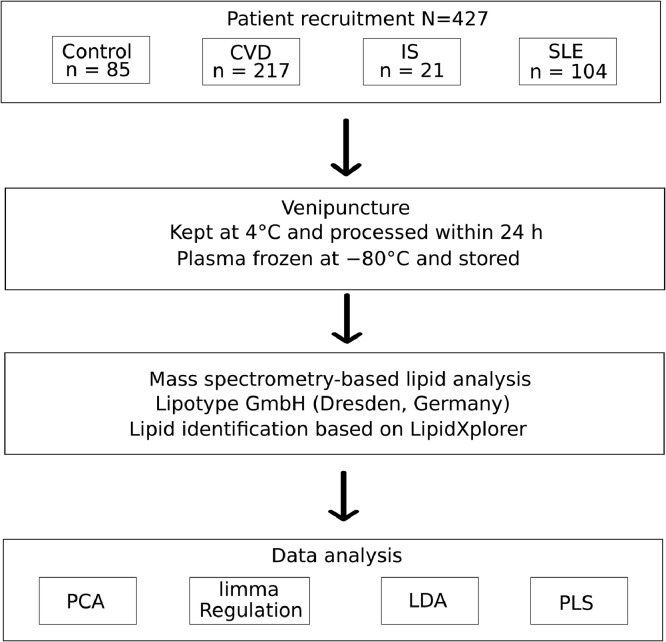
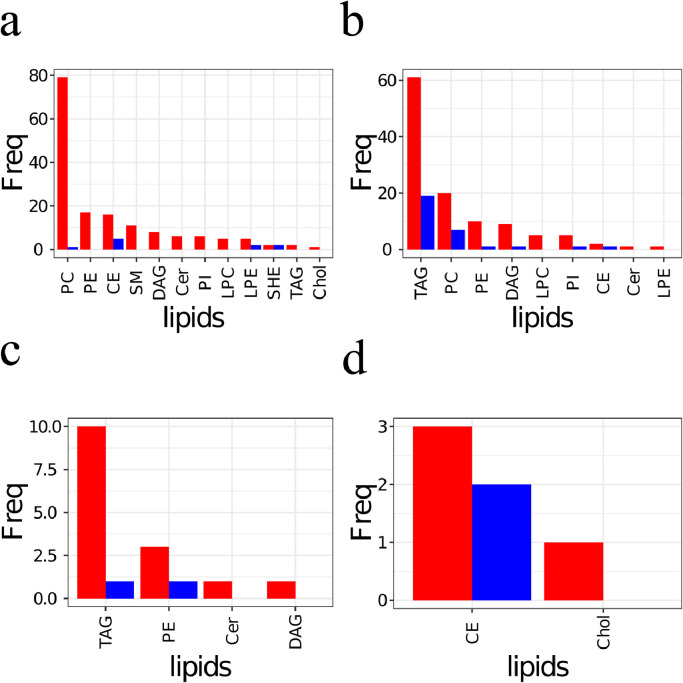
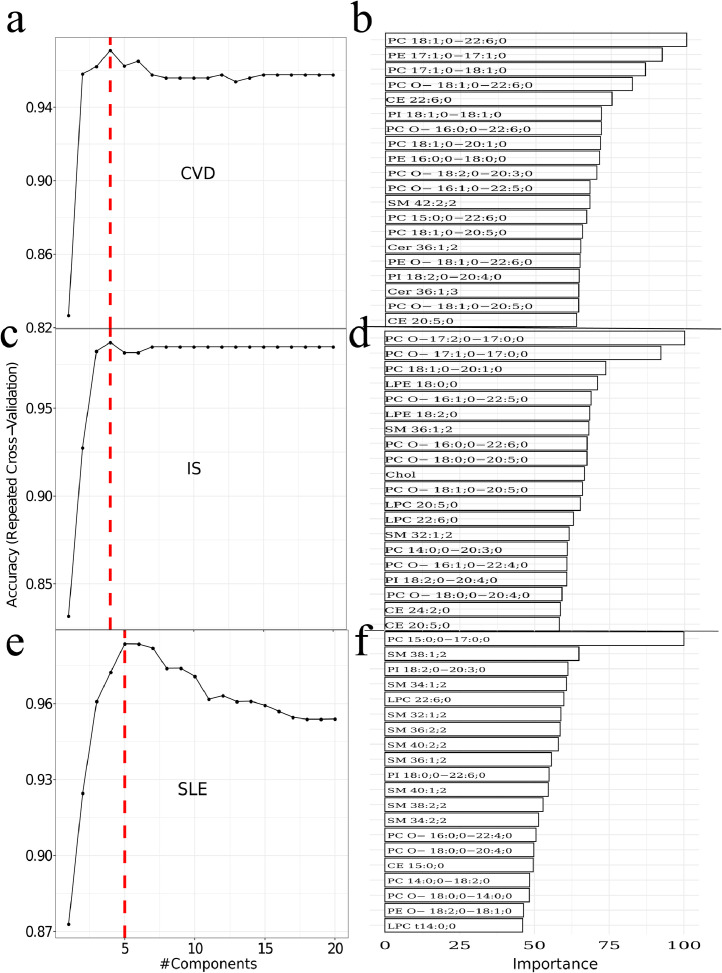
Plasma lipidomes of patients suffering from two etiologically distinct chronic inflammatory diseases, atherosclerosis-related vascular disease, including cardiovascular (CVD) and ischemic stroke (IS), and systemic lupus erythematosus (SLE), were screened by a top-down shotgun mass spectrometry-based analysis without liquid chromatographic separation and compared to each other and to age-matched controls. Lipid profiling of 596 lipids was performed on a cohort of 427 individuals. Machine learning classifiers based on the plasma lipidomes were used to distinguish the two chronic inflammatory diseases from each other and from the controls.
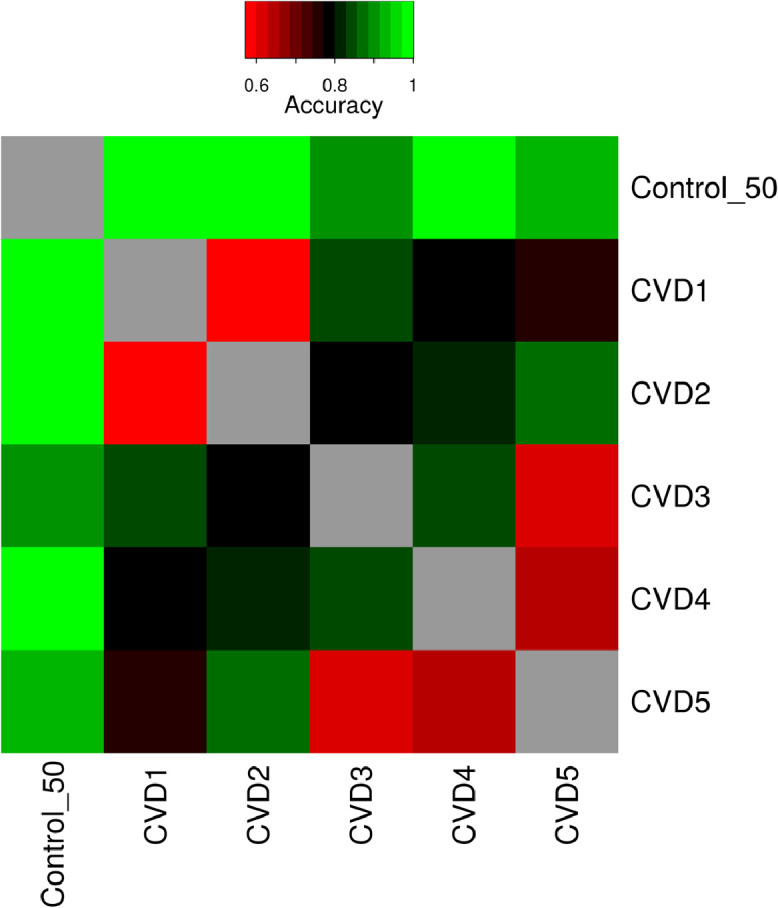
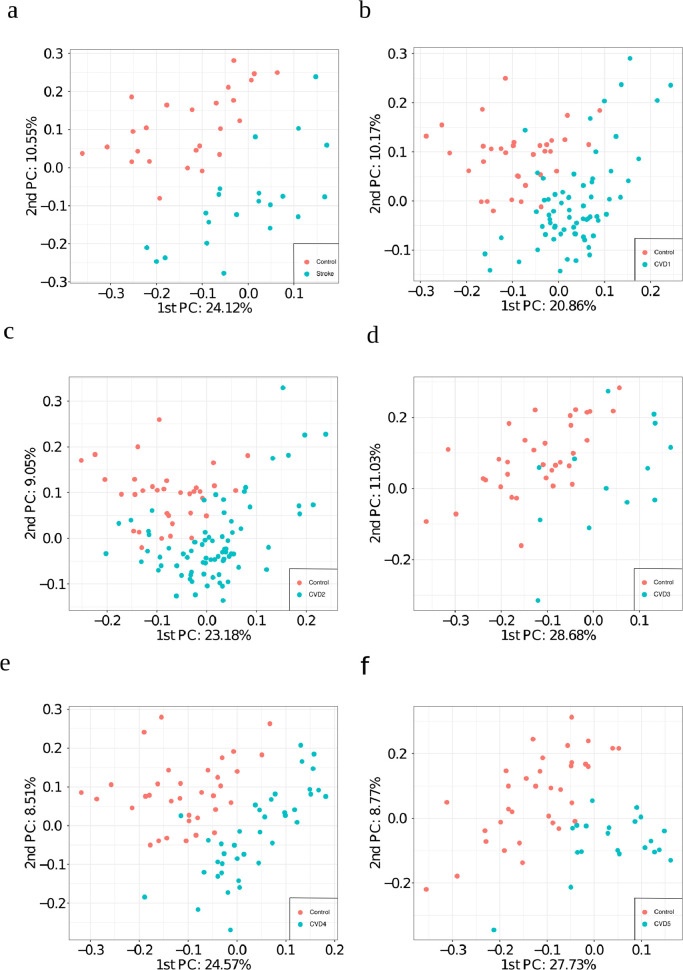
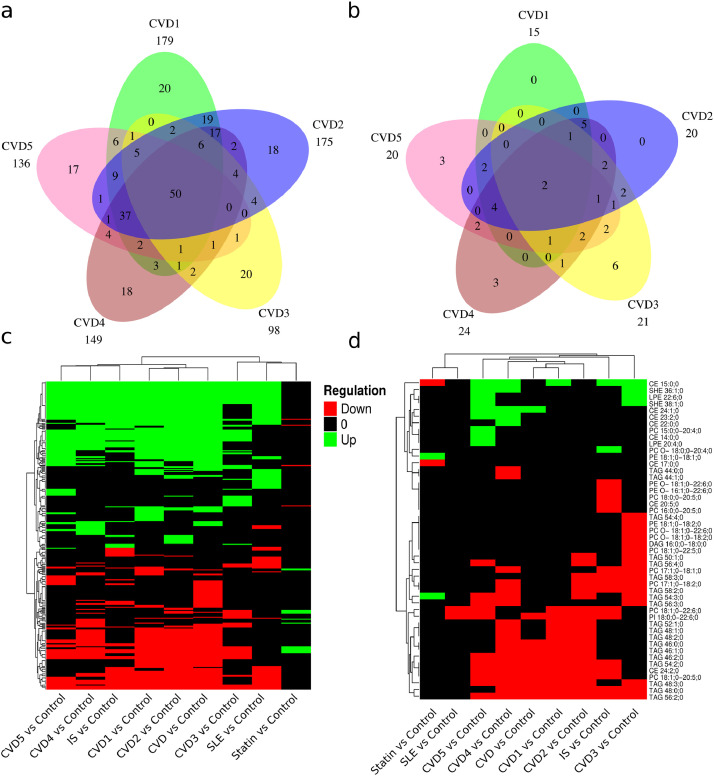
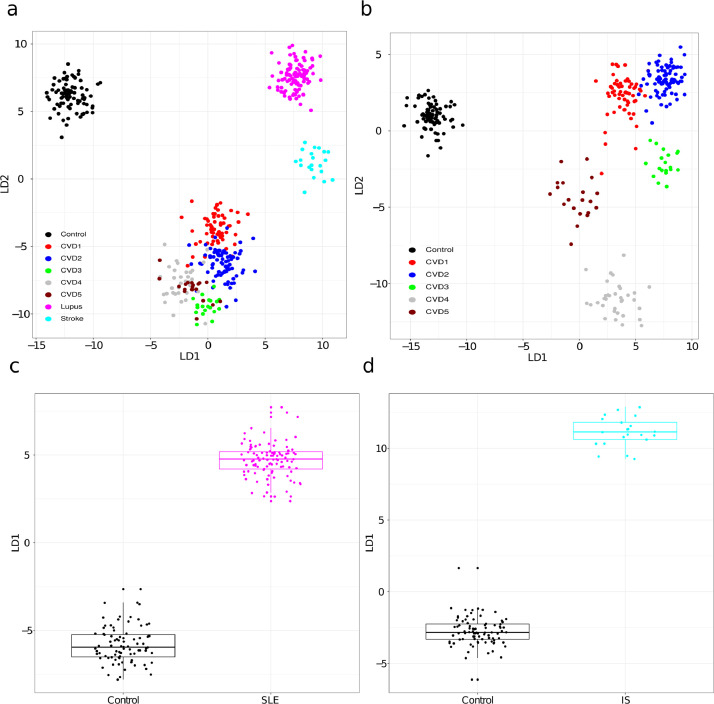
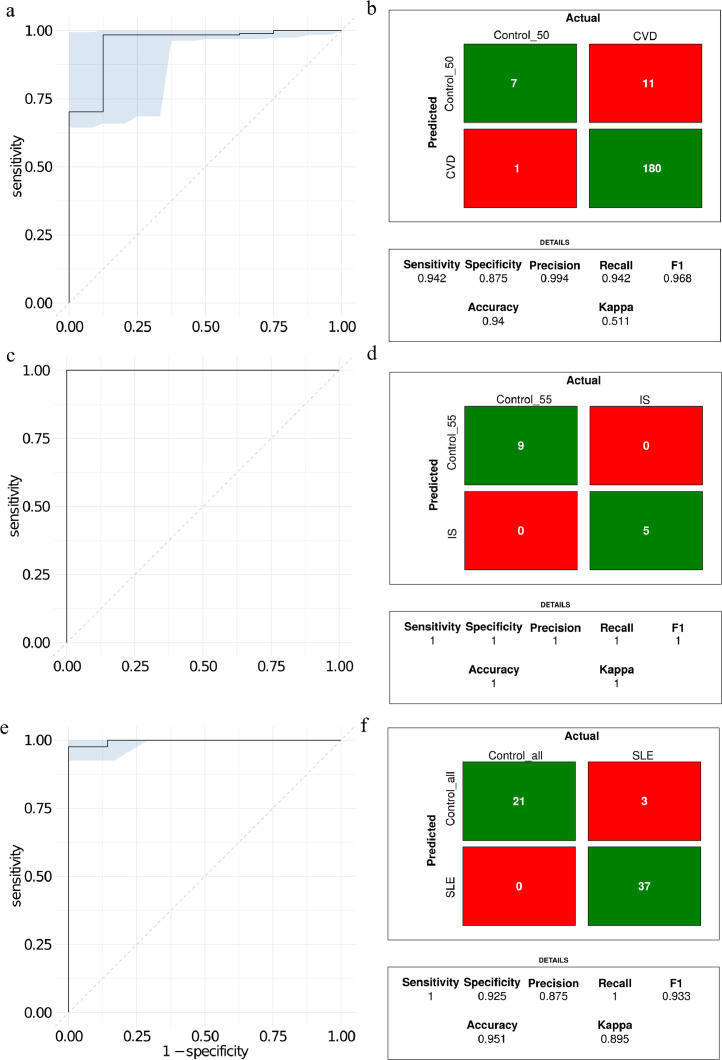
Analysis of the lipidomes enabled separation of the studied chronic inflammatory diseases from controls based on independent validation test set classification performance (CVD vs control - Sensitivity: 0.94, Specificity: 0.88; IS vs control - Sensitivity: 1.0, Specificity: 1.0; SLE vs control - Sensitivity: 1, Specificity: 0.93) and from each other (SLE vs CVD ‒ Sensitivity: 0.91, Specificity: 1; IS vs SLE - Sensitivity: 1, Specificity: 0.82). Preliminary linear discriminant analysis plots using all data clearly separated the clinical groups from each other and from the controls, and partially separated CVD severities, as classified into five clinical groups. Dysregulated lipids are partially but not fully counterbalanced by statin treatment.
Dysregulation of the plasma lipidome is characteristic of chronic inflammatory diseases. Lipid profiling accurately identifies the diseases and in the case of CVD also identifies sub-classes.
Full list of funding sources at the end of the manuscript.
慢性炎症性疾病中局部的应激和细胞死亡可能会将组织特异性脂质释放到血液中,使血浆脂质组反映炎症类型。然而,尚未比较过主要慢性炎症性疾病的深度脂质图谱。
通过一种自上而下的基于 shotgun 质谱的分析方法对患有两种病因不同的慢性炎症性疾病(动脉粥样硬化相关血管疾病,包括心血管疾病 (CVD) 和缺血性中风 (IS))和系统性红斑狼疮 (SLE) 的患者的血浆脂质组进行筛选,无需进行液相色谱分离,并将其相互比较,并与年龄匹配的对照组进行比较。在 427 名个体的队列中进行了 596 种脂质的脂质分析。基于血浆脂质组的机器学习分类器用于区分两种慢性炎症性疾病彼此以及与对照组的差异。
脂质组分析能够根据独立验证测试集分类性能(CVD 与对照组相比 - 敏感性:0.94,特异性:0.88;IS 与对照组相比 - 敏感性:1.0,特异性:1.0;SLE 与对照组相比 - 敏感性:1,特异性:0.93)以及彼此之间(SLE 与 CVD 相比 - 敏感性:0.91,特异性:1;IS 与 SLE 相比 - 敏感性:1,特异性:0.82)将研究中的慢性炎症性疾病与对照组区分开来。使用所有数据的初步线性判别分析图清楚地将临床组彼此以及与对照组区分开来,并部分区分了 CVD 严重程度,分为五个临床组。他汀类药物治疗部分但不完全平衡脂质失调。
血浆脂质组的失调是慢性炎症性疾病的特征。脂质分析可准确识别疾病,在 CVD 的情况下还可识别亚类。
本文末尾列出了全部资金来源。