Wang Lu, Xu Yi-Ning, Chu Chung-Ching, Jing Zehua, Chen Yabin, Zhang Jinsong, Pu Mingming, Mi Tingyan, Du Yaping, Liang Zongqi, Doraiswamy Chandraprabha, Zeng Tao, Wu Jiarui, Chen Luonan
Shanghai Institute of Biochemistry and Cell Biology, Center for Excellence in Molecular Cell Science, Chinese Academy of Sciences, Shanghai, China.
Unilever R&D Shanghai, Shanghai, China.
mSystems. 2021 Aug 31;6(4):e0031921. doi: 10.1128/mSystems.00319-21. Epub 2021 Jul 27.
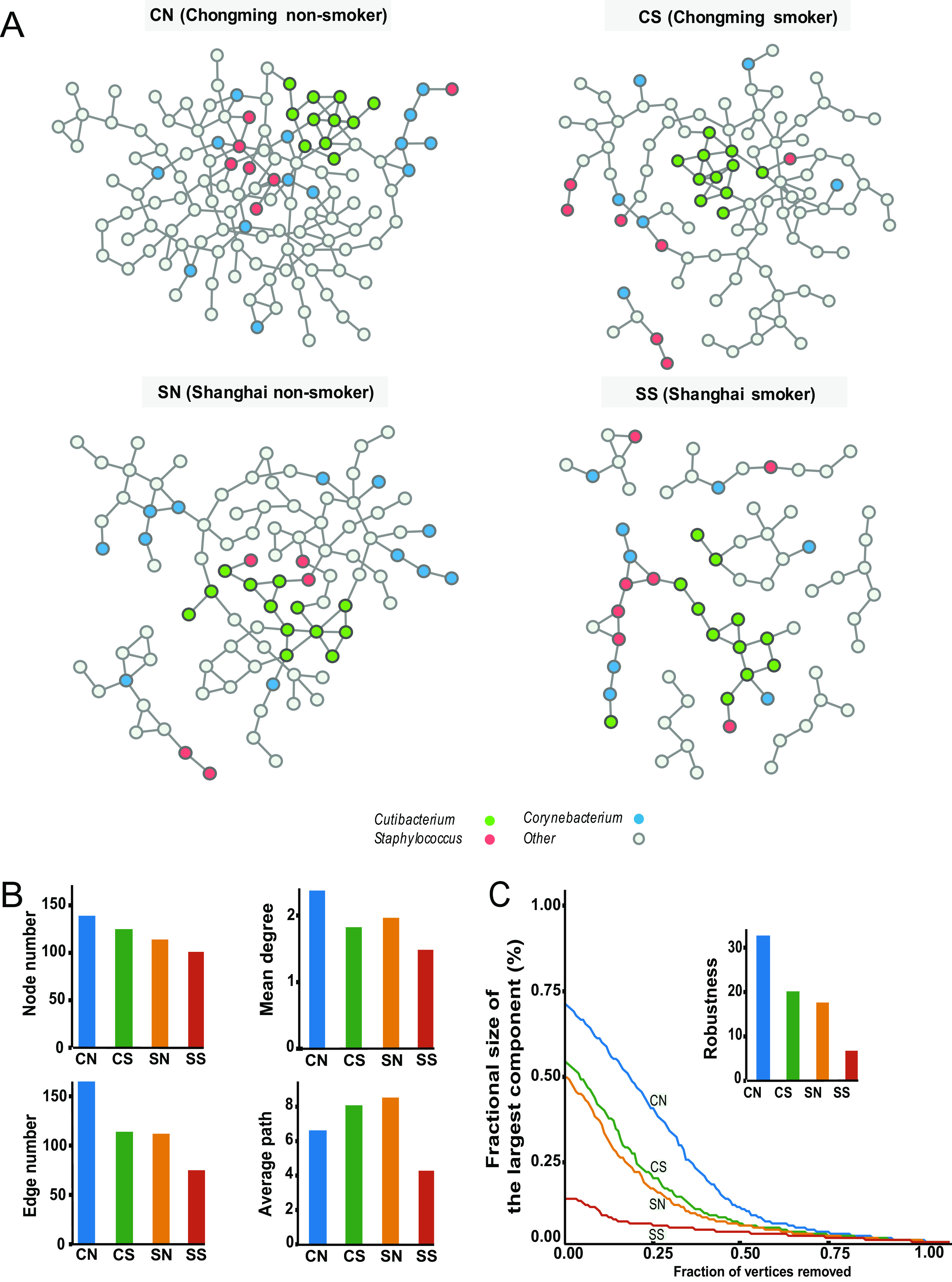
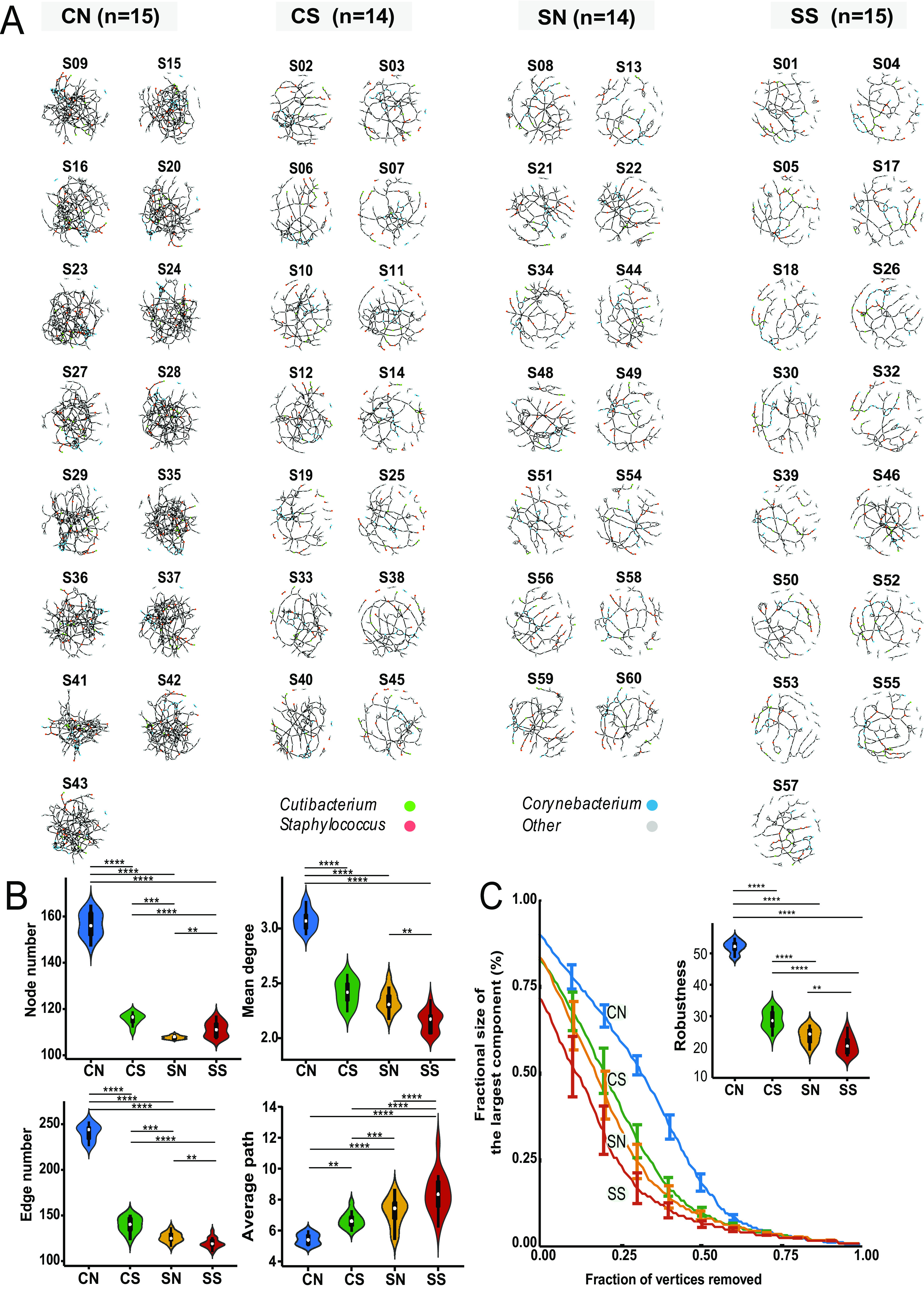
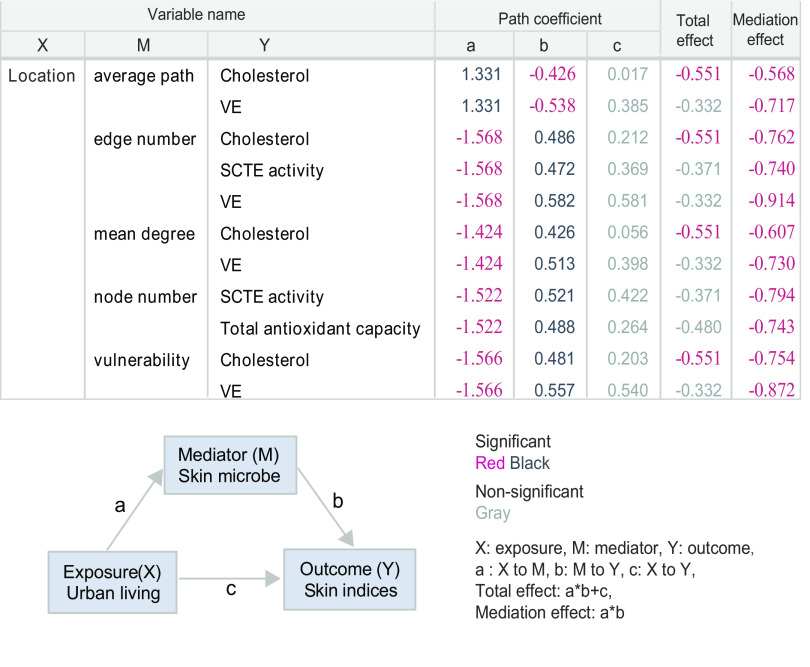
Urban living has been reported to cause various skin disorders. As an integral part of the skin barrier, the skin microbiome is among the key factors associated with urbanization-related skin alterations. The role of skin microbiome in mediating the effect of urban stressors (e.g., air pollutants) on skin physiology is not well understood. We generated 16S sequencing data and constructed a microbiome network of individual (MNI) to analyze the effect of pollution stressors on the microbiome network and its downstream mediation effect on skin physiology in a personalized manner. In particular, we found that the connectivity and fragility of MNIs significantly mediated the adverse effects of air pollution on skin health, and a smoking lifestyle deepened the negative effects of pollution stress on facial skin microbiota. This is the first study that describes the mediation effect of the microbiome network on the skin's physiological response toward environmental factors as revealed by our newly developed MNI approach and conditional process analysis. The association between the skin microbiome and skin health has been widely reported. However, the role of the skin microbiome in mediating skin physiology remains a challenging and yet priority subject in the field. Through developing a novel MNI method followed by mediation analysis, we characterized the network signature of the skin microbiome at an individual level and revealed the role of the skin microbiome in mediating the skin's responses toward environmental stressors. Our findings may shed new light on microbiome functions in skin health and lay the foundation for the design of a microbiome-based intervention strategy in the future.
据报道,城市生活可引发各种皮肤疾病。作为皮肤屏障的一个组成部分,皮肤微生物群是与城市化相关皮肤改变相关的关键因素之一。皮肤微生物群在介导城市应激源(如空气污染物)对皮肤生理影响方面的作用尚未得到充分了解。我们生成了16S测序数据,并构建了个体微生物群网络(MNI),以个性化方式分析污染应激源对微生物群网络的影响及其对皮肤生理的下游介导作用。具体而言,我们发现MNI的连通性和脆弱性显著介导了空气污染对皮肤健康的不利影响,吸烟的生活方式加深了污染应激对面部皮肤微生物群的负面影响。这是第一项描述微生物群网络对皮肤对环境因素生理反应的介导作用的研究,该作用是通过我们新开发的MNI方法和条件过程分析揭示的。皮肤微生物群与皮肤健康之间的关联已被广泛报道。然而,皮肤微生物群在介导皮肤生理方面的作用仍然是该领域一个具有挑战性但又至关重要的课题。通过开发一种新颖的MNI方法并进行中介分析,我们在个体水平上表征了皮肤微生物群的网络特征,并揭示了皮肤微生物群在介导皮肤对环境应激源反应方面的作用。我们的研究结果可能为微生物群在皮肤健康中的功能提供新的见解,并为未来基于微生物群的干预策略设计奠定基础。