Center for Vaccines and Immunology, University of Georgia, Athens, Georgia, United States of America.
Department of Infectious Diseases, University of Georgia, Athens, Georgia, United States of America.
PLoS One. 2021 Aug 5;16(8):e0254421. doi: 10.1371/journal.pone.0254421. eCollection 2021.
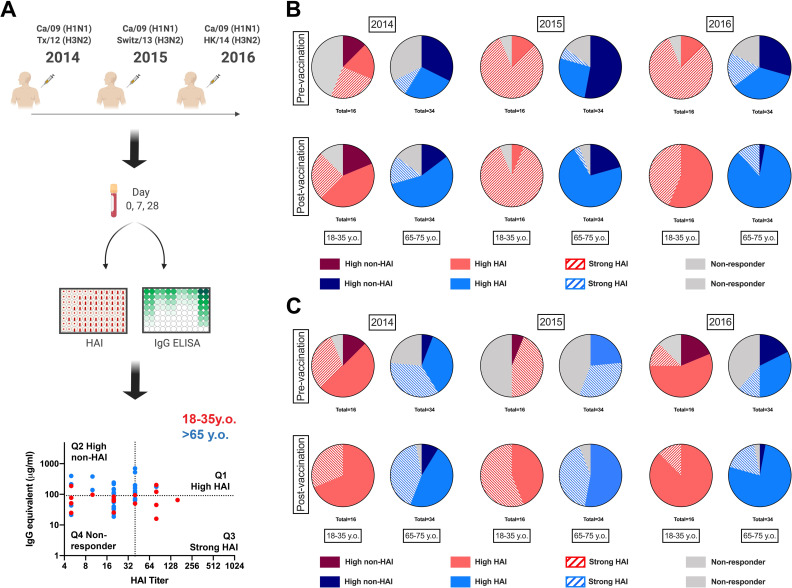
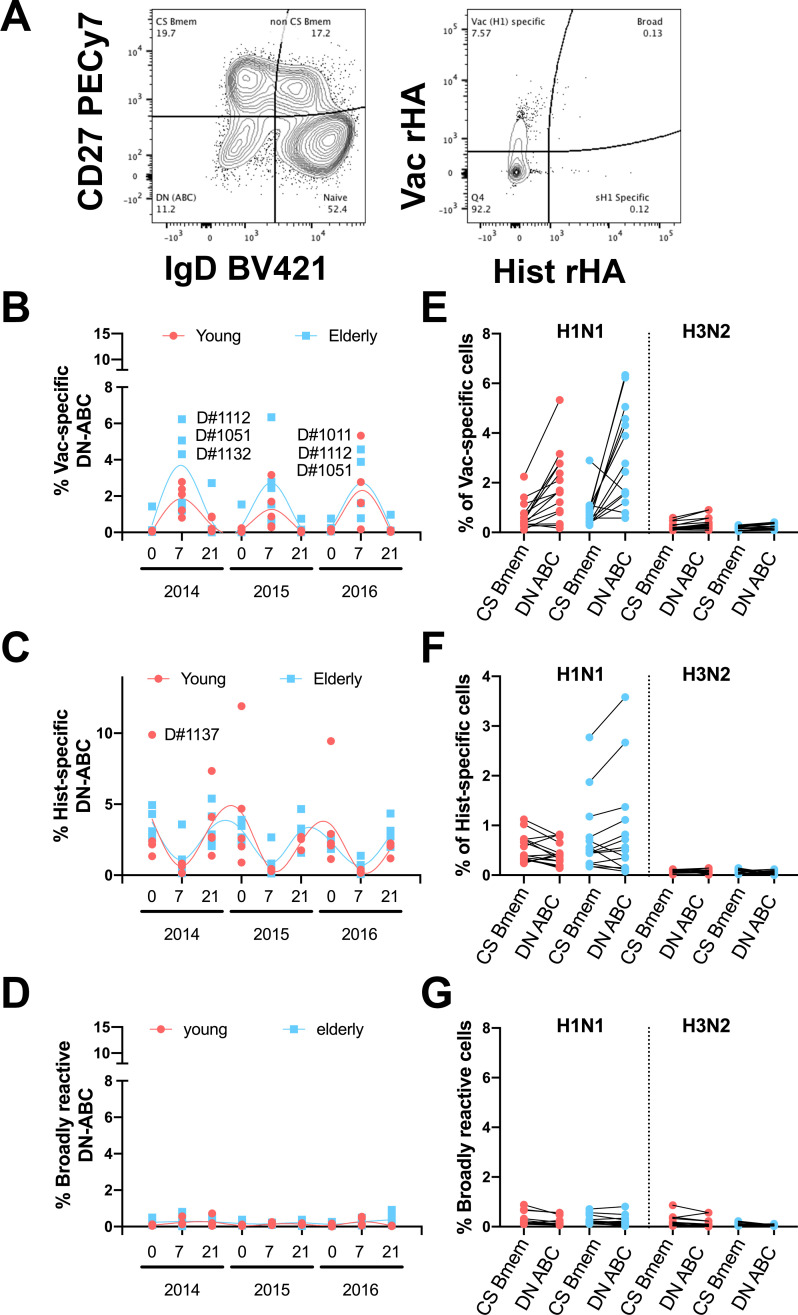
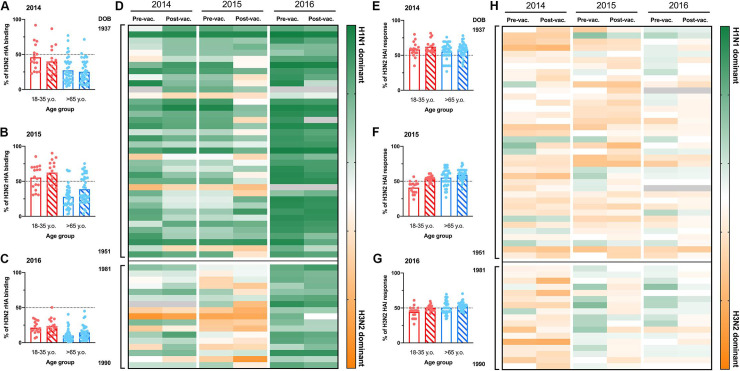
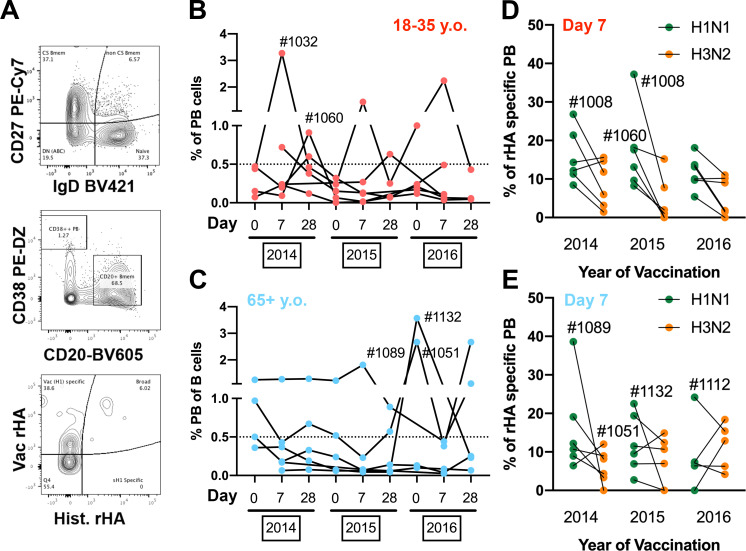
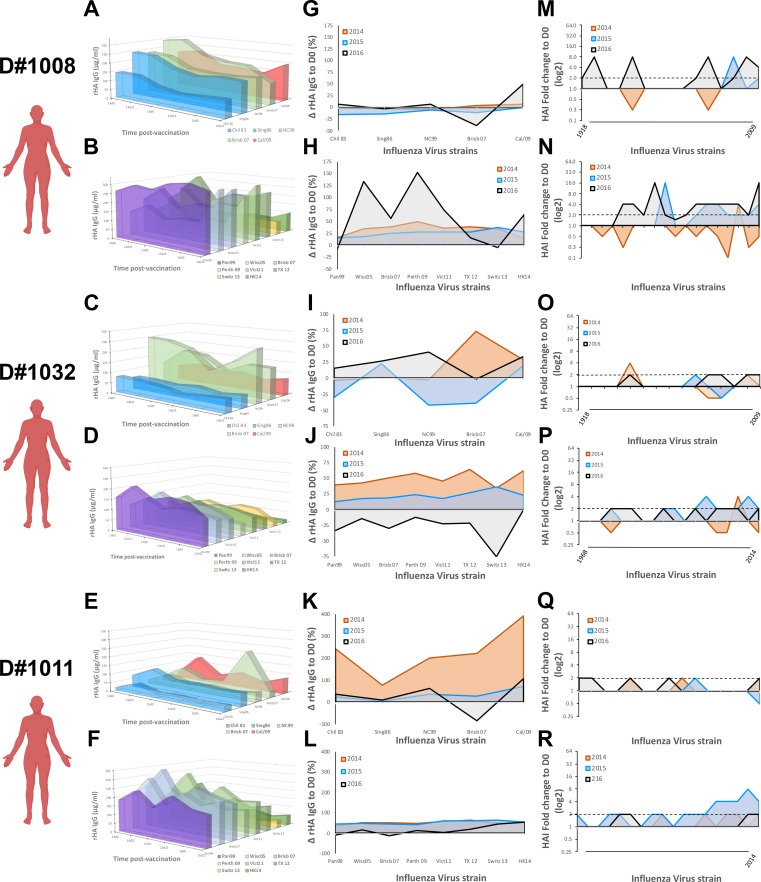
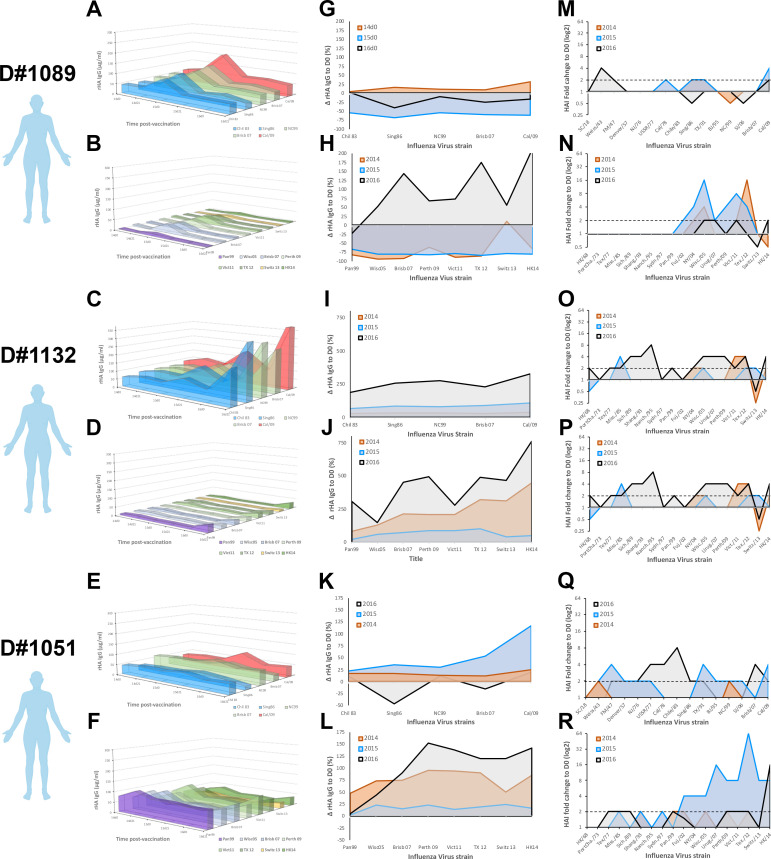
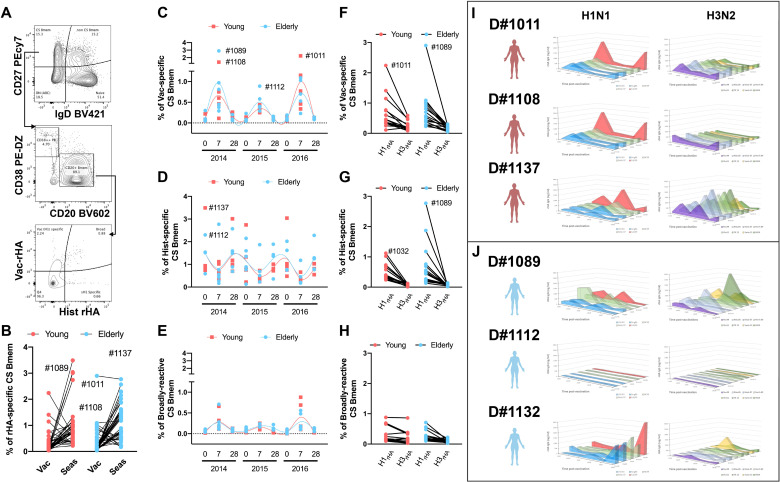
Influenza is a highly contagious viral respiratory disease that affects million of people worldwide each year. Annual vaccination is recommended by the World Health Organization with the goal of reducing influenza severity and limiting transmission through elicitation of antibodies targeting the hemagglutinin (HA) glycoprotein. The antibody response elicited by current seasonal influenza virus vaccines is predominantly strain-specific, but pre-existing influenza virus immunity can greatly impact the serological antibody response to vaccination. However, it remains unclear how B cell memory is shaped by recurrent annual vaccination over the course of multiple seasons, especially in high-risk elderly populations. Here, we systematically profiled the B cell response in young adult (18-34 year old) and elderly (65+ year old) vaccine recipients that received annual split inactivated influenza virus vaccination for 3 consecutive seasons. Specifically, the antibody serological and memory B-cell compartments were profiled for reactivity against current and historical influenza A virus strains. Moreover, multiparametric analysis and antibody landscape profiling revealed a transient increase in strain-specific antibodies in the elderly, but with an impaired recall response of pre-existing memory B-cells, plasmablast (PB) differentiation and long-lasting serological changes. This study thoroughly profiles and compares the immune response to recurrent influenza virus vaccination in young and elderly participants unveiling the pitfalls of current influenza virus vaccines in high-risk populations.
流感是一种高度传染性的病毒性呼吸道疾病,每年在全球范围内影响数百万人。世界卫生组织建议每年接种疫苗,目标是通过针对血凝素 (HA) 糖蛋白的抗体产生来减轻流感的严重程度和限制传播。当前季节性流感病毒疫苗引起的抗体反应主要是针对特定毒株的,但先前存在的流感病毒免疫可以极大地影响疫苗接种的血清抗体反应。然而,目前尚不清楚在多个季节的反复年度接种过程中,B 细胞记忆是如何被塑造的,尤其是在高危老年人群中。在这里,我们系统地分析了年轻成年人(18-34 岁)和老年人(65 岁以上)疫苗接种者在连续 3 个季节接受年度季节性流感病毒疫苗接种后的 B 细胞反应。具体来说,我们对针对当前和历史流感 A 病毒株的抗体血清学和记忆 B 细胞区室进行了分析。此外,多参数分析和抗体景观分析揭示了老年人中针对特定毒株的抗体短暂增加,但存在预先存在的记忆 B 细胞、浆母细胞 (PB) 分化和持久血清学变化的记忆召回反应受损。这项研究全面分析和比较了年轻和老年参与者对反复流感病毒疫苗接种的免疫反应,揭示了当前流感病毒疫苗在高危人群中的缺陷。