Laimer Gregor, Schullian Peter, Bale Reto
Interventionelle Onkologie-Mikroinvasive Therapie (SIP), Medizinische Universität Innsbruck, Anichstr. 35, A-6020 Innsbruck, Austria.
Biology (Basel). 2021 Jul 10;10(7):644. doi: 10.3390/biology10070644.
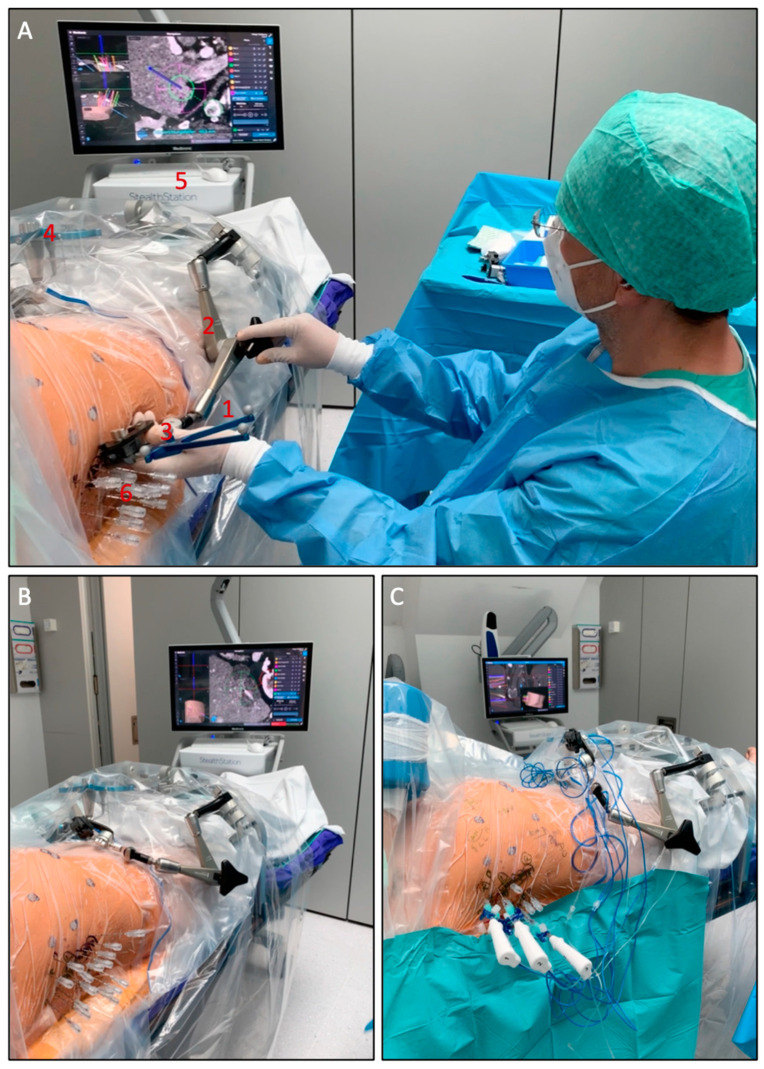
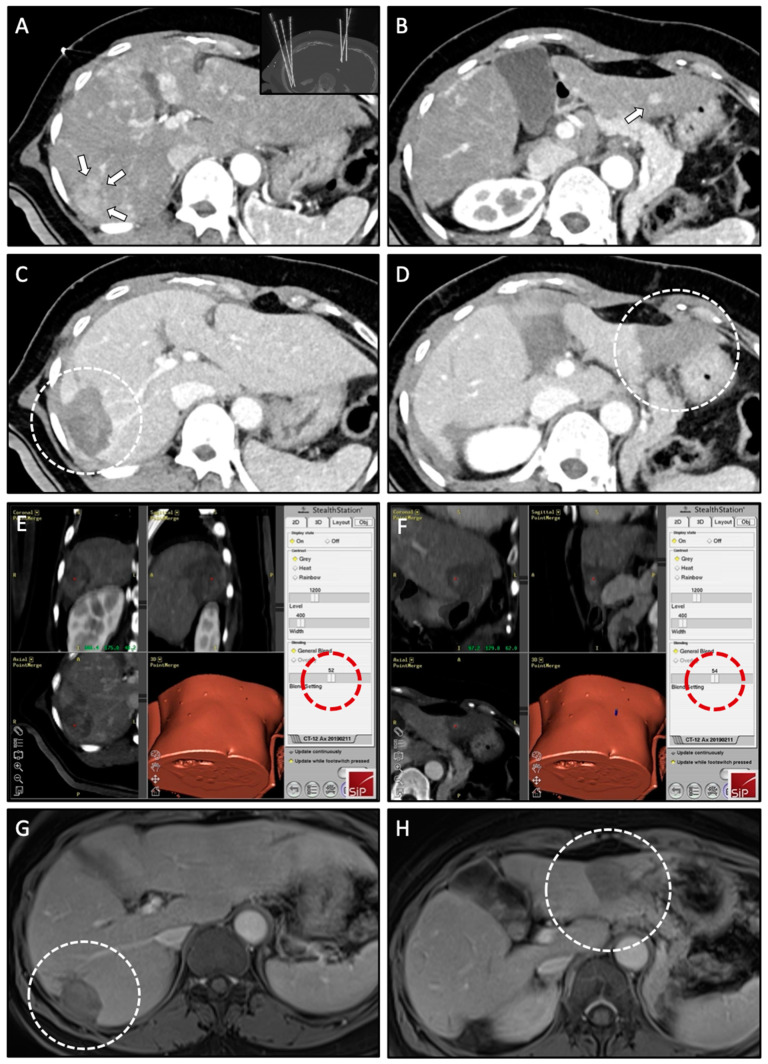
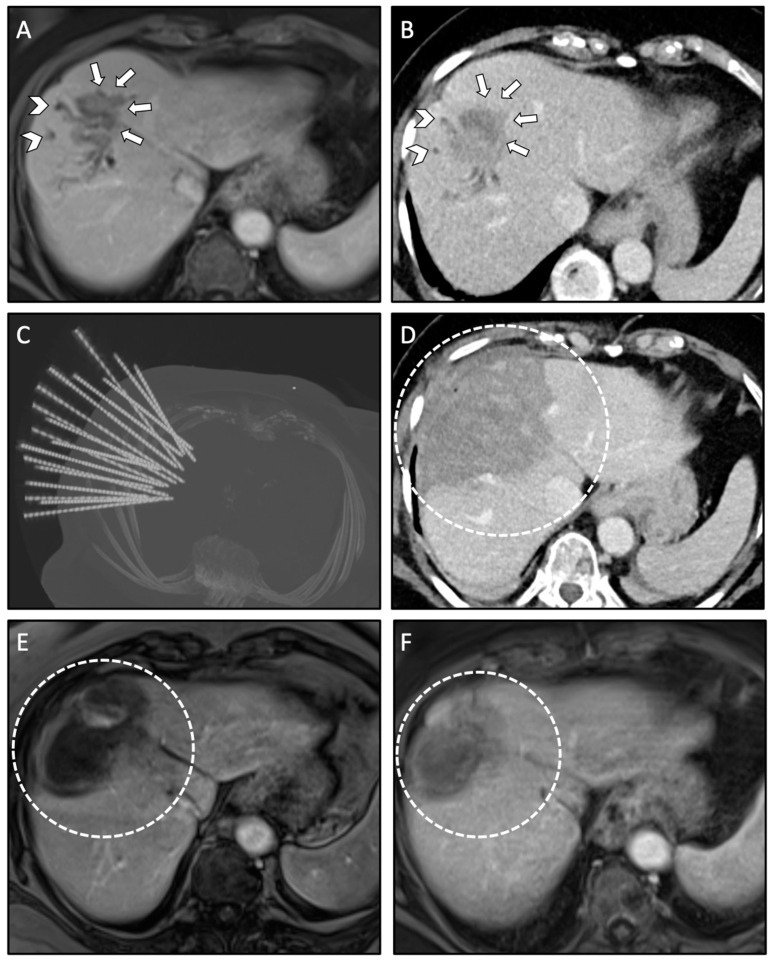
Thermal ablation is an emerging, potentially curative approach in treating primary and metastatic liver cancer. Different technologies are available, with radiofrequency ablation (RFA) and microwave ablation (MWA) being the most widely used. Regardless of the technique, destruction of the entire tumor, including an adequate safety margin, is key. In conventional single-probe US- or CT-guided thermal ablation, the creation of such large necrosis zones is often hampered by technical limitations, especially for large tumors (i.e., >2-3 cm). These limitations have been overcome by stereotactic RFA (SRFA): a multiple needle approach with 3D treatment planning and precise stereotactic needle placement combined with intraprocedural image fusion of pre- and post-interventional CT scans for verification of treatment success. With these sophisticated tools and advanced techniques, the spectrum of locally curable liver malignancies can be dramatically increased. Thus, we strongly believe that stereotactic thermal ablation can become a cornerstone in the treatment of liver malignancies, as it offers all the benefits of a minimally invasive method while providing oncological outcomes comparable to surgery. This article provides an overview of current stereotactic techniques for thermal ablation, summarizes the available clinical evidence for this approach, and discusses its advantages.
热消融是一种新兴的、具有潜在治愈性的治疗原发性和转移性肝癌的方法。有多种技术可供选择,其中射频消融(RFA)和微波消融(MWA)应用最为广泛。无论采用何种技术,关键在于破坏整个肿瘤,包括足够的安全边缘。在传统的单探针超声或CT引导下的热消融中,创建如此大的坏死区域往往受到技术限制,尤其是对于大肿瘤(即直径>2 - 3厘米)。立体定向射频消融(SRFA)克服了这些限制:这是一种多针方法,采用三维治疗计划和精确的立体定向针放置,并结合介入前和介入后CT扫描的术中图像融合以验证治疗效果。借助这些先进的工具和技术,局部可治愈的肝脏恶性肿瘤范围可显著扩大。因此,我们坚信立体定向热消融能够成为肝脏恶性肿瘤治疗的基石,因为它兼具微创方法的所有优点,同时提供与手术相当的肿瘤学治疗效果。本文概述了当前热消融的立体定向技术,总结了该方法的现有临床证据,并讨论了其优势。