Aix-Marseille Univ, IRD, APHM, MEPHI, IHU-Méditerranée Infection, Marseille, France.
Aix-Marseille Univ, INSERM, IRD, SESSTIM, Economy and Social Science, Health Care Systems and Societies, Marseille, France.
Front Immunol. 2021 Jul 22;12:698121. doi: 10.3389/fimmu.2021.698121. eCollection 2021.
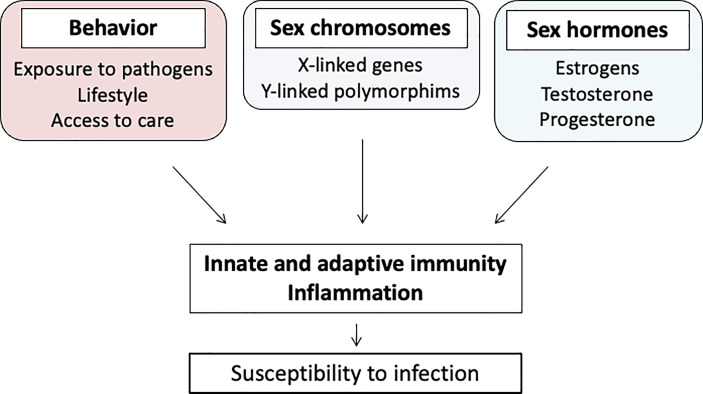
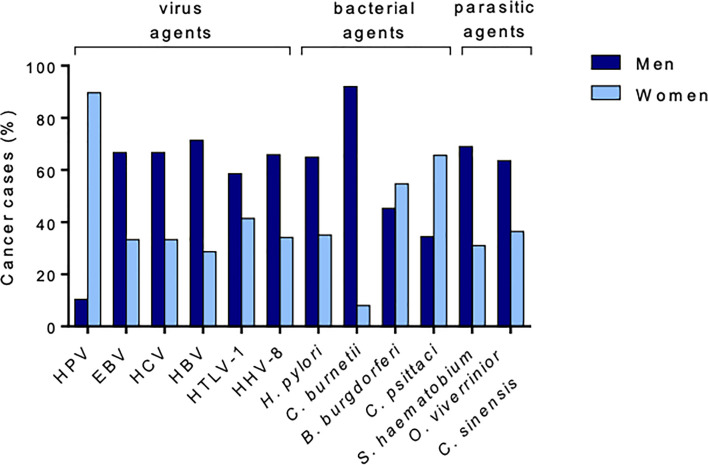
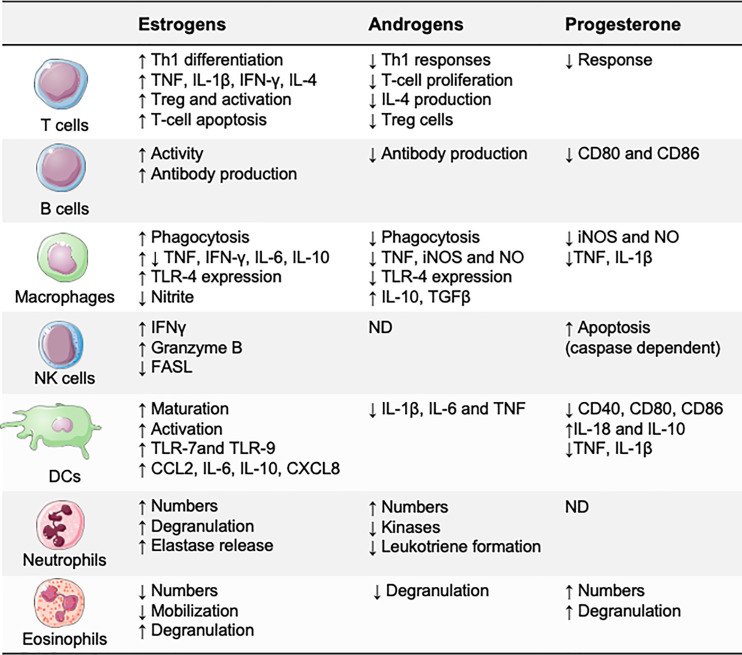
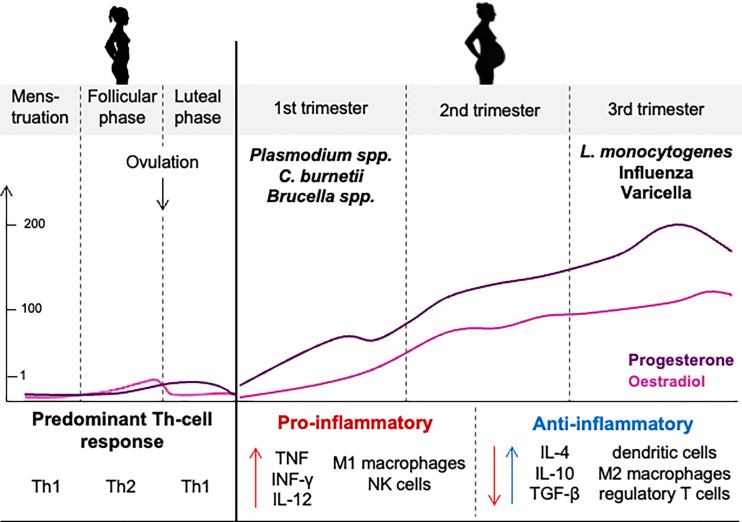
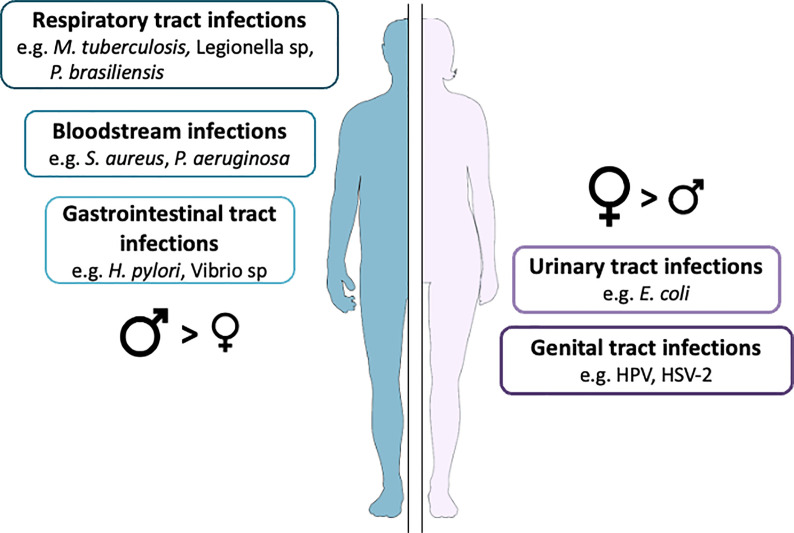
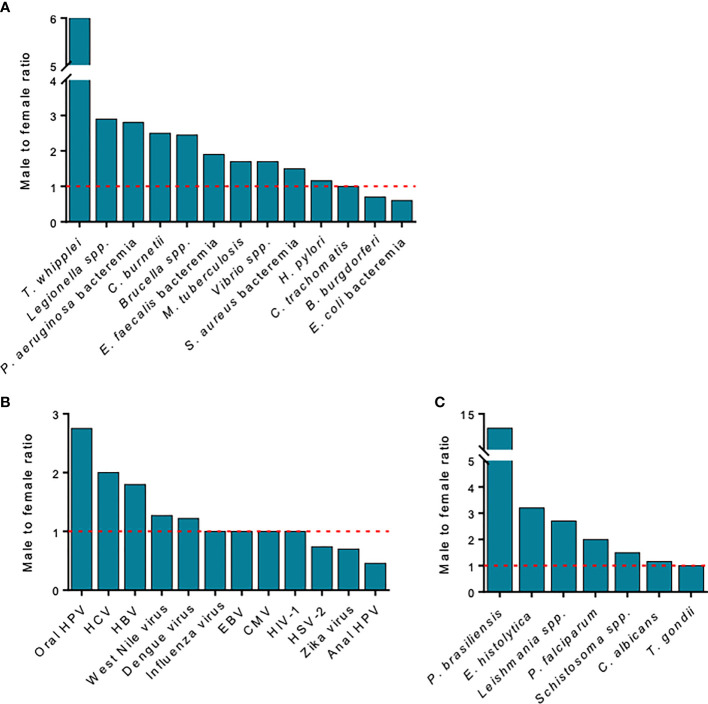
Epidemiological studies and clinical observations show evidence of sexual dimorphism in infectious diseases. Women are at less risk than men when it comes to developing most infectious diseases. However, understanding these observations requires a gender approach that takes into account an analysis of both biological and social factors. The host's response to infection differs in males and females because sex differences have an impact on hormonal and chromosomal control of immunity. Estradiol appears to confer protective immunity, while progesterone and testosterone suppress anti-infectious responses. In addition, genetic factors, including those associated with sex chromosomes, also affect susceptibility to infections. Finally, differences in occupational activities, lifestyle, and comorbidities play major roles in exposure to pathogens and management of diseases. Hence, considering sexual dimorphism as a critical variable for infectious diseases should be one of the steps taken toward developing personalized therapeutic approaches.
流行病学研究和临床观察表明,传染病存在性别二态性。在大多数传染病的发生方面,女性的风险低于男性。然而,要理解这些观察结果,需要采用一种性别方法,同时考虑到对生物和社会因素的分析。宿主对感染的反应在男性和女性中有所不同,因为性别差异会影响免疫的激素和染色体控制。雌二醇似乎赋予了保护性免疫,而孕酮和睾酮则抑制抗感染反应。此外,遗传因素,包括与性染色体相关的因素,也会影响对感染的易感性。最后,职业活动、生活方式和合并症的差异在病原体暴露和疾病管理中起着重要作用。因此,将性别二态性视为传染病的关键变量之一,应该是制定个性化治疗方法的步骤之一。