Emulate Inc, Boston, United States.
Department of Biomedical Engineering, University of Cincinnati, Cincinnati, United States.
Elife. 2021 Aug 11;10:e67106. doi: 10.7554/eLife.67106.
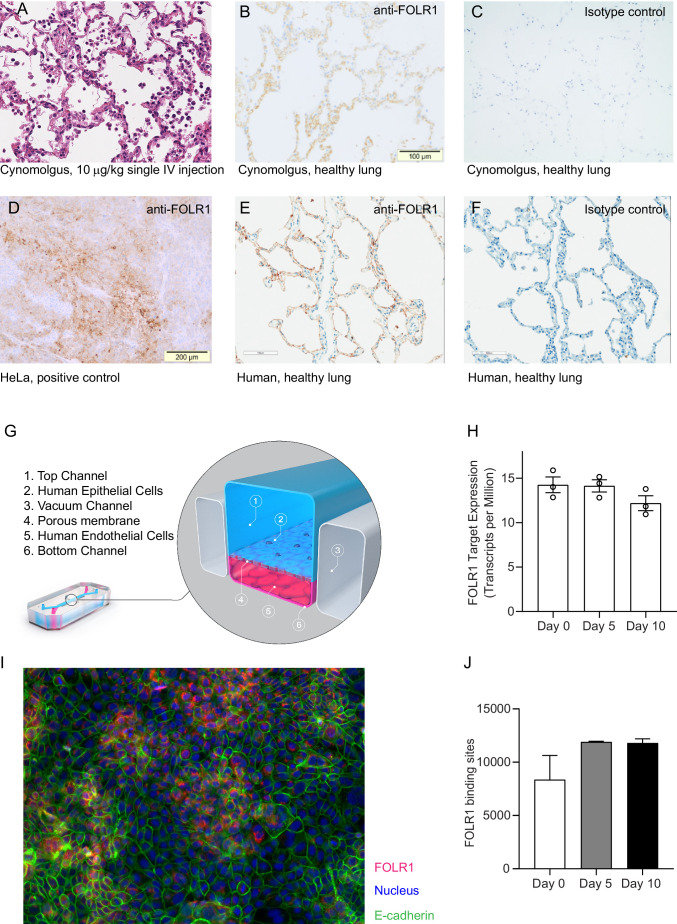
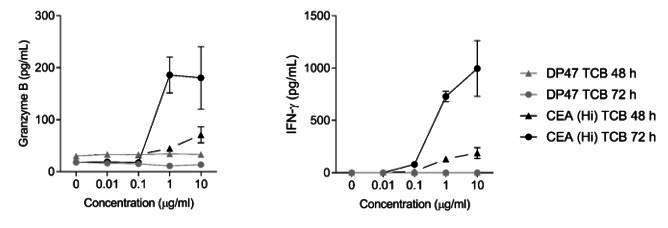
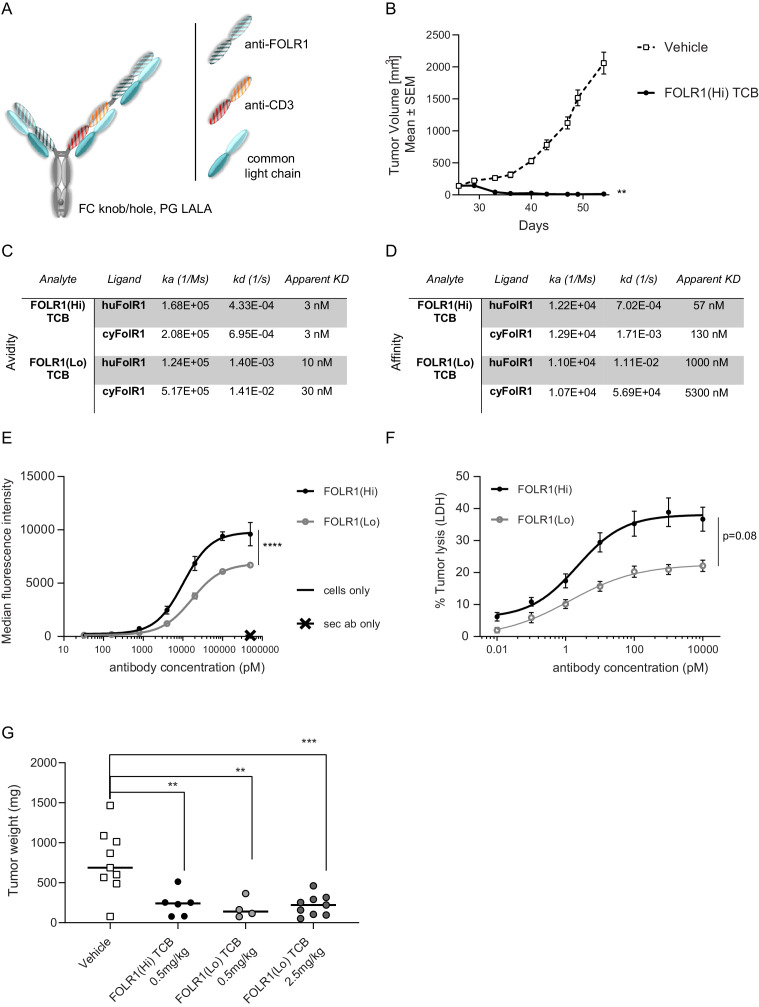
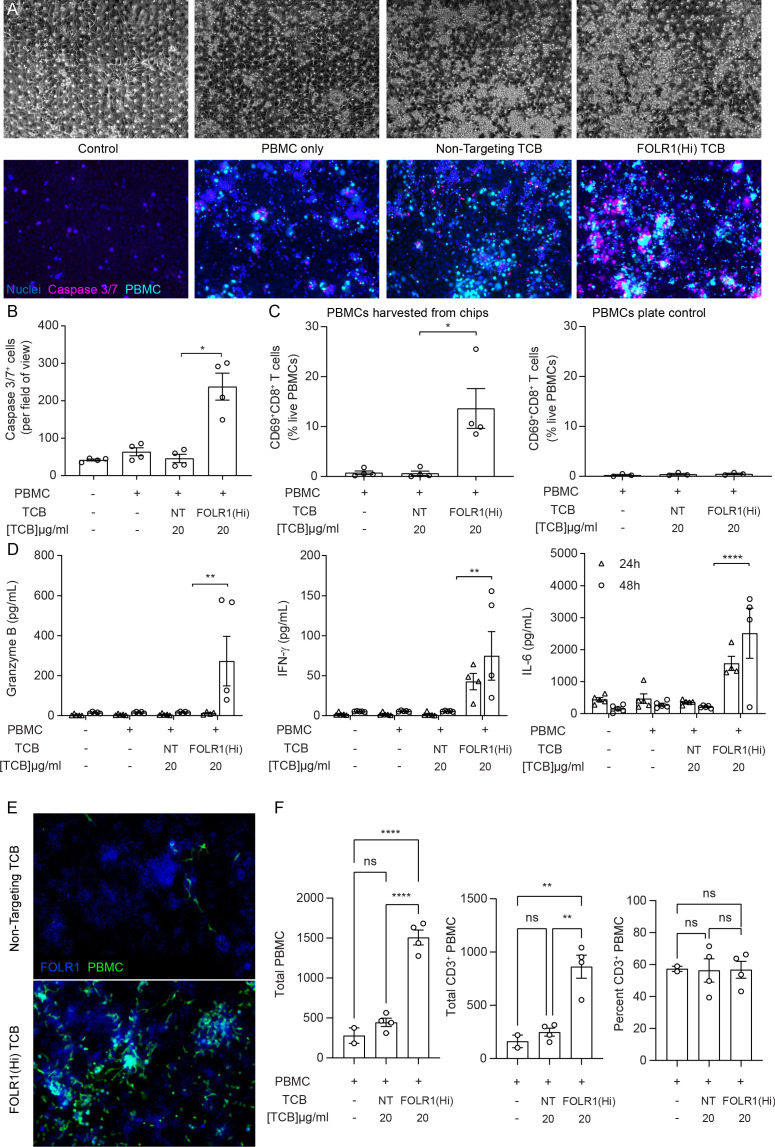
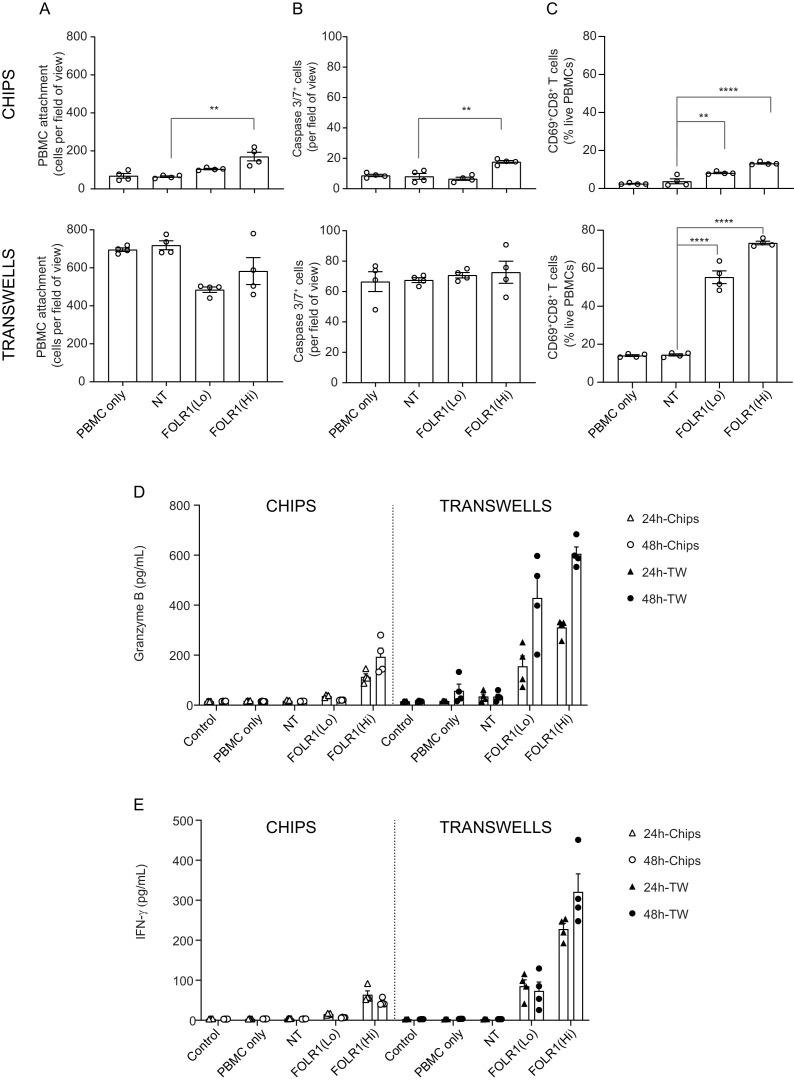
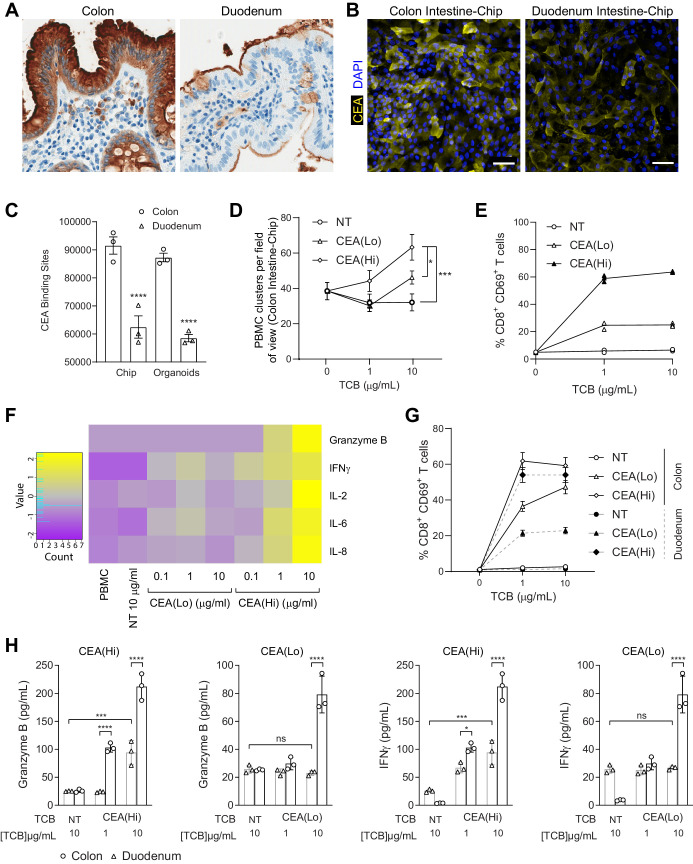
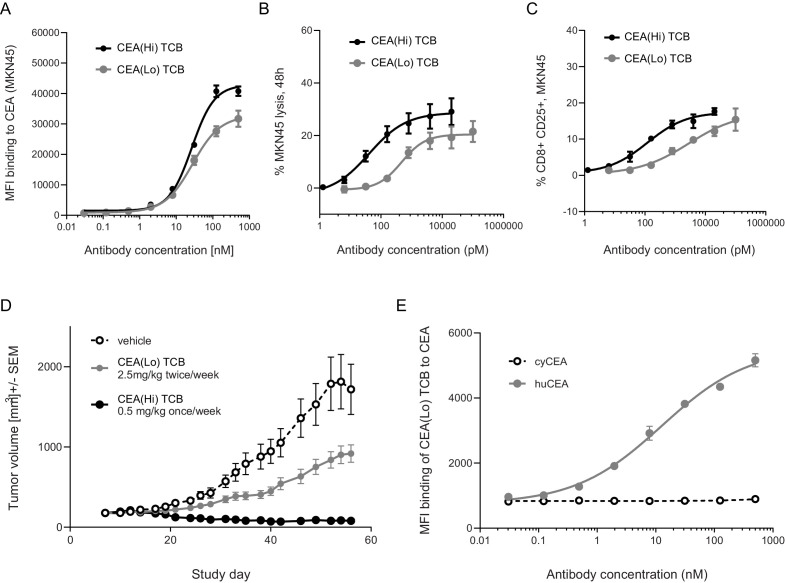
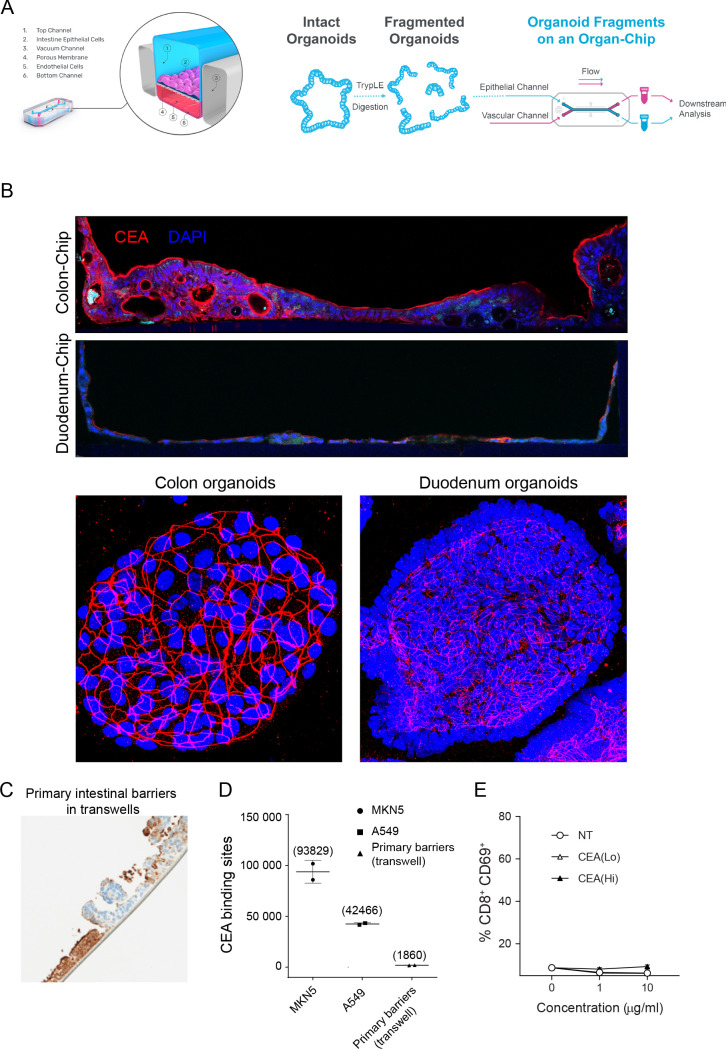
Traditional drug safety assessment often fails to predict complications in humans, especially when the drug targets the immune system. Here, we show the unprecedented capability of two human Organs-on-Chips to evaluate the safety profile of T-cell bispecific antibodies (TCBs) targeting tumor antigens. Although promising for cancer immunotherapy, TCBs are associated with an on-target, off-tumor risk due to low levels of expression of tumor antigens in healthy tissues. We leveraged in vivo target expression and toxicity data of TCBs targeting folate receptor 1 (FOLR1) or carcinoembryonic antigen (CEA) to design and validate human immunocompetent Organs-on-Chips safety platforms. We discovered that the Lung-Chip and Intestine-Chip could reproduce and predict target-dependent TCB safety liabilities, based on sensitivity to key determinants thereof, such as target expression and antibody affinity. These novel tools broaden the research options available for mechanistic understandings of engineered therapeutic antibodies and assessing safety in tissues susceptible to adverse events.
传统的药物安全性评估往往无法预测人体的并发症,尤其是当药物针对免疫系统时。在这里,我们展示了两种人类器官芯片在评估针对肿瘤抗原的 T 细胞双特异性抗体 (TCB) 的安全性特征方面的前所未有的能力。尽管 TCB 在癌症免疫治疗方面很有前景,但由于健康组织中肿瘤抗原的表达水平较低,因此存在针对靶标、脱靶的风险。我们利用针对叶酸受体 1 (FOLR1) 或癌胚抗原 (CEA) 的 TCB 的体内靶表达和毒性数据,设计和验证了具有人类免疫能力的器官芯片安全平台。我们发现,基于对关键决定因素(如靶表达和抗体亲和力)的敏感性,肺芯片和肠芯片可以重现和预测基于靶的 TCB 安全性缺陷。这些新工具拓宽了研究选择,可用于深入了解工程治疗性抗体的机制,并评估易发生不良反应的组织中的安全性。