Non-Communicable Diseases Research Center, Ilam University of Medical Sciences, Ilam, Iran.
Nursing Department, Faculty of Medicine, Komar University of Science and Technology, Sulimaniya, Kurdistan Region, Iraq.
J Psychosom Res. 2021 Oct;149:110597. doi: 10.1016/j.jpsychores.2021.110597. Epub 2021 Aug 8.
Health care workers (HCWs) during the COVID-19 pandemic experience numerous psychological problems, including stress and anxiety. These entities can affect their sleep quality and predispose them to insomnia. The aim of the present study was to investigate the prevalence of insomnia among HCWs during the COVID-19 crisis via an umbrella review.
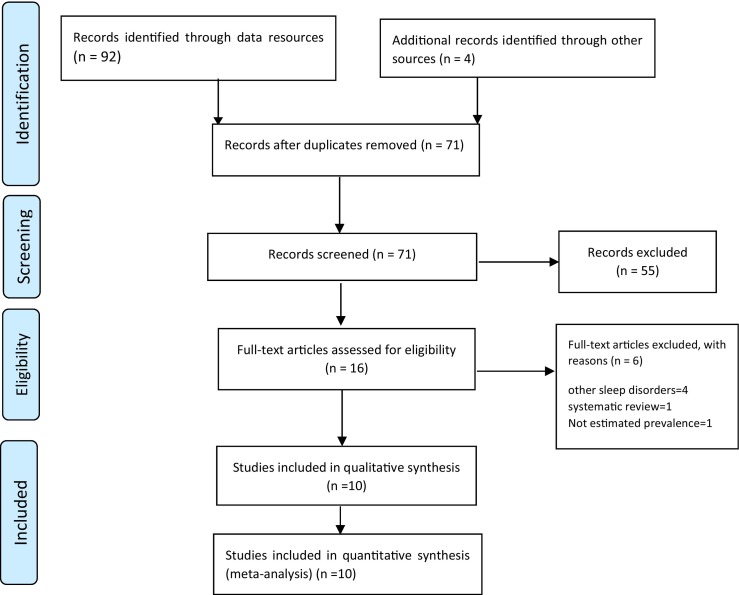
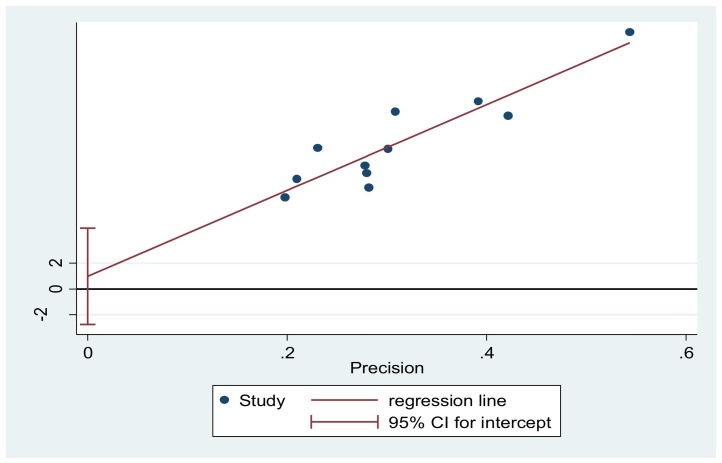
The PRISMA guideline was used to conduct this review. By searching relevant keywords in databases of Scopus, PubMed, Web of Science, and Google Scholar, studies that reported the prevalence of insomnia among HCWs during the COVID-19 pandemic (January 2020 to the end of January 2021) and had been published in English were identified and evaluated. The random effects model was used for meta-analysis, and the I index was used to assess heterogeneity. The Egger test was used to determine publication bias. Based on the results of the primary search, 96 studies were identified, and ultimately 10 eligible studies entered the meta-analysis phase.
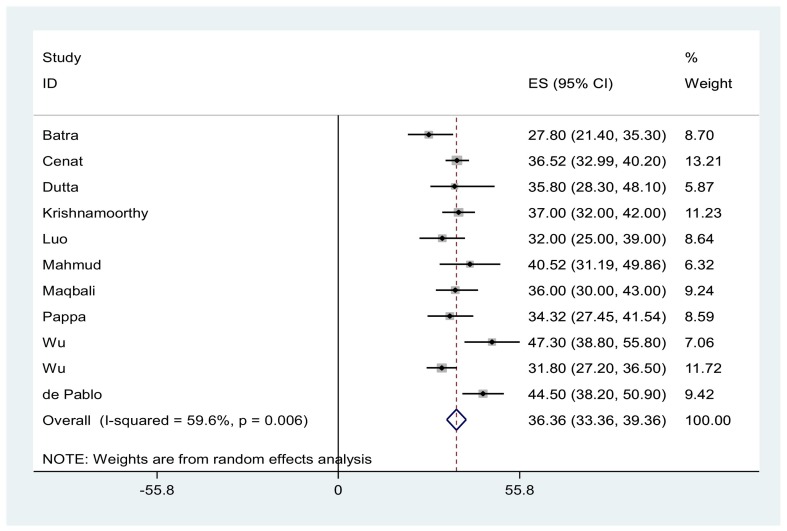
The results of the umbrella review of meta-analyses showed that the prevalence of insomnia among HCWs during the COVID-19 pandemic was 36.36% (95% CI: 33.36-39.36, I = 59.6%, p = 0.006).
The results of this umbrella review of meta-analyses showed a relatively high prevalence of insomnia among HCWs during the COVID-19 pandemic. As insomnia can be associated with other psychological problems, policymakers and health managers should regularly screen HCWs for psychological disorders as well as a possible tendency for suicide. Furthermore, by treating insomnia, one can reduce the incidence of these psychological disorders.
COVID-19 大流行期间,医护人员(HCWs)经历了许多心理问题,包括压力和焦虑。这些因素会影响他们的睡眠质量,使他们容易患上失眠症。本研究旨在通过伞式综述调查 COVID-19 危机期间 HCWs 失眠的患病率。
采用 PRISMA 指南进行综述。通过在 Scopus、PubMed、Web of Science 和 Google Scholar 数据库中搜索相关关键词,确定并评估了报告 COVID-19 大流行期间(2020 年 1 月至 2021 年 1 月底) HCWs 失眠患病率且发表在英文期刊上的研究。采用随机效应模型进行荟萃分析,并采用 I 指数评估异质性。采用 Egger 检验评估发表偏倚。基于初步搜索结果,确定了 96 项研究,最终有 10 项符合条件的研究进入荟萃分析阶段。
荟萃分析伞式综述的结果显示,COVID-19 大流行期间 HCWs 失眠的患病率为 36.36%(95%CI:33.36-39.36,I=59.6%,p=0.006)。
这项荟萃分析伞式综述的结果表明,COVID-19 大流行期间 HCWs 失眠的患病率相对较高。由于失眠可能与其他心理问题有关,政策制定者和卫生管理人员应定期对 HCWs 进行心理障碍筛查,以及自杀的可能性筛查。此外,通过治疗失眠,可以降低这些心理障碍的发生率。