Fertility and Infertility Research Center, Hormozgan University of Medical Sciences, Bandar Abbas, Iran.
Infectious and Tropical Diseases Research Center, Hormozgan Health Institute, Hormozgan University of Medical Sciences, Bandar Abbas, Iran.
BMC Mol Cell Biol. 2021 Aug 13;22(1):42. doi: 10.1186/s12860-021-00380-8.
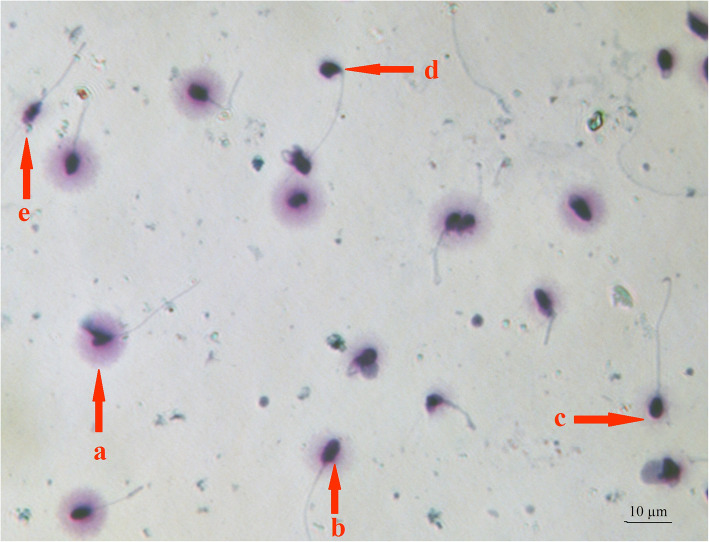
Although bacterial infections have been recognized as a possible cause of male infertility, the effect of bacterial infections on sperm quality and sperm DNA fragmentation remains controversial. The current study aimed to investigate the prevalence rate of bacterial infection in subfertile men and its effect on semen quality. Seminal fluid was collected from 172 male members of infertile couples attending the andrology infertility center and a group of 35 fertile subjects as a control. Sperm parameters and DNA fragmentation were evaluated based on the type of bacteria in all ejaculates.
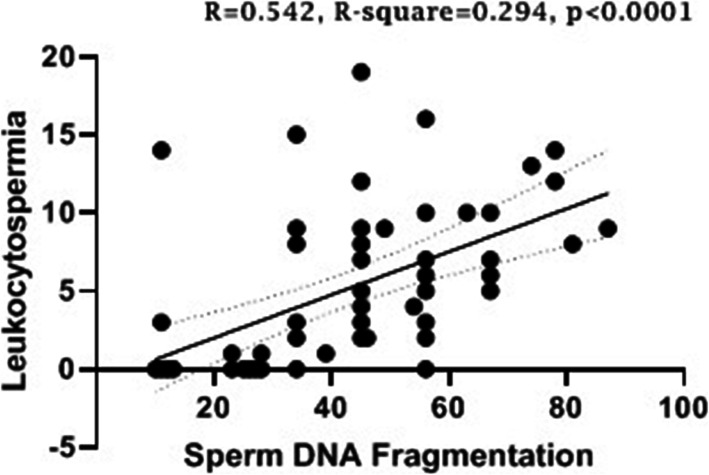
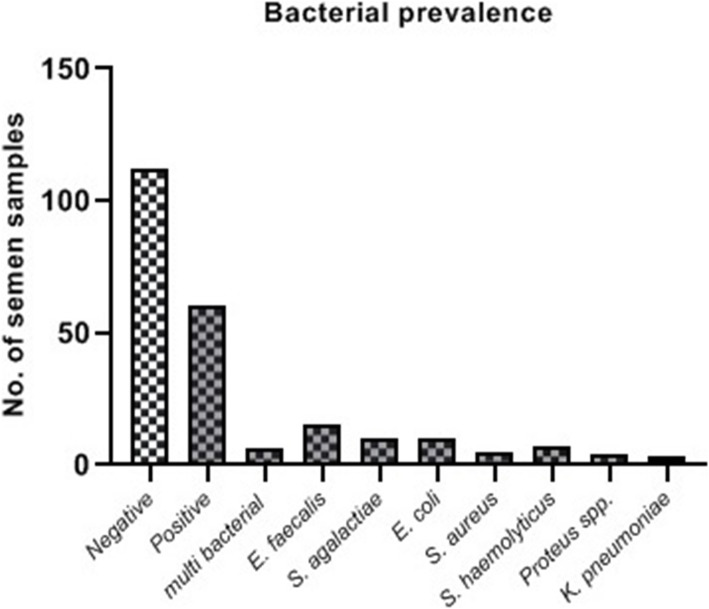
From the 172 patients investigated for infertility, 60 (34.88%) patients had a positive culture for pathogenic bacteria of different species. Leukocytospermia was significantly higher in infected samples in comparison with non-infected samples (p < 0.05). Sperm concentration and motility and morphology were significantly lower in infected than non-infected samples. Moreover, sperm DNA fragmentation was significantly higher in infected than non-infected samples. Besides, our results showed that sperm DNA fragmentation was correlated significantly with leukocytospermia (R: 0.22, p < 0.01).
The present study suggested that bacterial infection significantly correlated with leukocytospermia could impair male fertility potential through decreasing sperm motility, morphology, and DNA integrity.
尽管细菌感染已被认为是男性不育的可能原因,但细菌感染对精子质量和精子 DNA 碎片化的影响仍存在争议。本研究旨在调查不育男性中细菌感染的流行率及其对精液质量的影响。从不孕不育中心就诊的 172 名男性不育症患者和 35 名生育能力正常的男性中采集精液样本。根据所有精液中的细菌类型评估精子参数和 DNA 碎片化。
在对不育症进行调查的 172 名患者中,有 60 名(34.88%)患者的致病菌培养呈阳性。与未感染样本相比,感染样本中的白细胞增多症明显更高(p<0.05)。与未感染样本相比,感染样本中的精子浓度、活力和形态显著降低。此外,感染样本中的精子 DNA 碎片化明显高于未感染样本。此外,我们的结果表明,精子 DNA 碎片化与白细胞增多症显著相关(R:0.22,p<0.01)。
本研究表明,细菌感染与白细胞增多症显著相关,可能通过降低精子活力、形态和 DNA 完整性来损害男性生育能力。