Weldon School of Biomedical Engineering, Purdue University, West Lafayette, IN, USA; Indiana University School of Medicine, Indianapolis, IN, USA.
Weldon School of Biomedical Engineering, Purdue University, West Lafayette, IN, USA; School of Mechanical Engineering, Purdue University, West Lafayette, IN, USA.
Acta Biomater. 2021 Nov;135:368-382. doi: 10.1016/j.actbio.2021.08.007. Epub 2021 Aug 12.
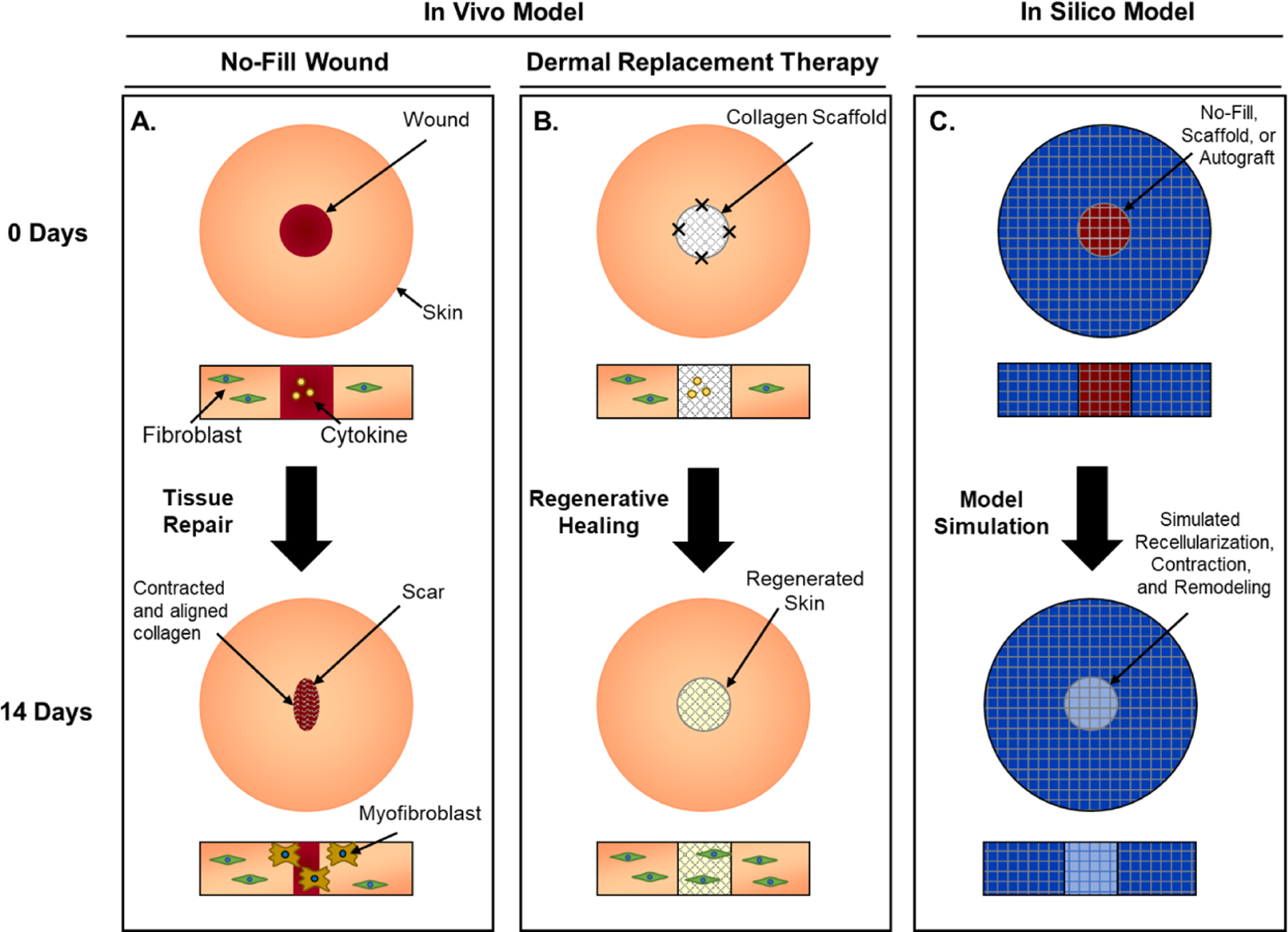
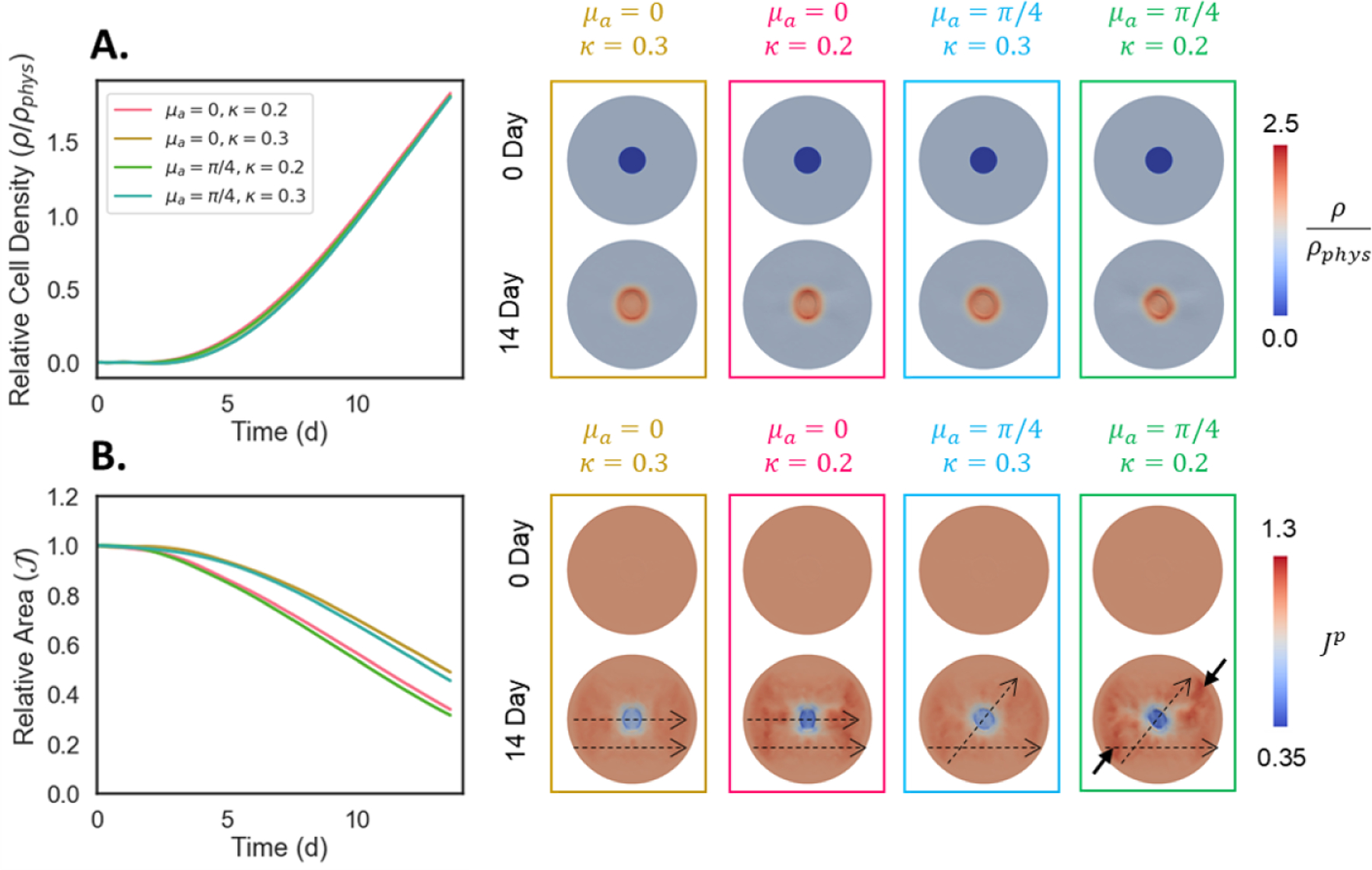
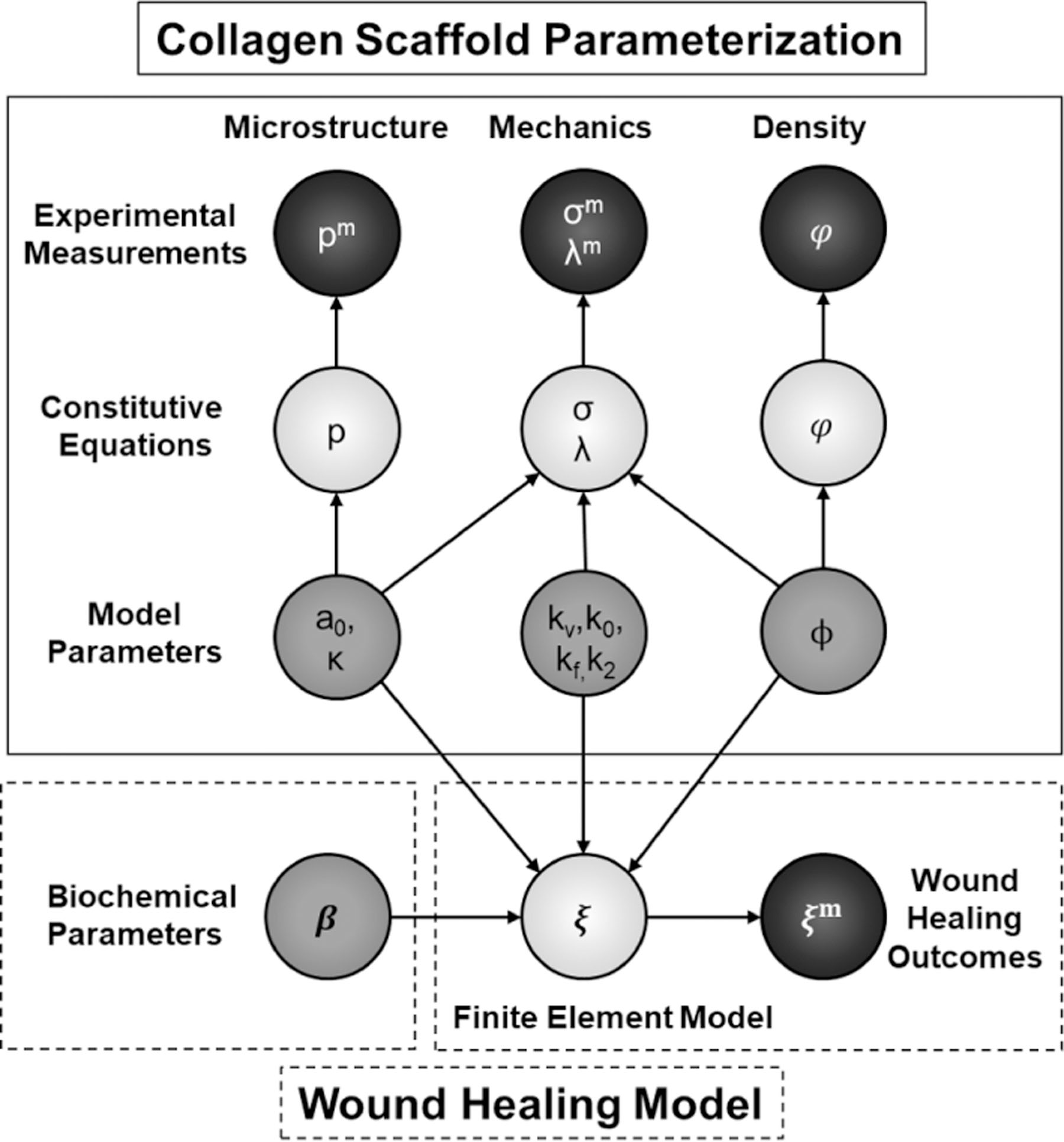
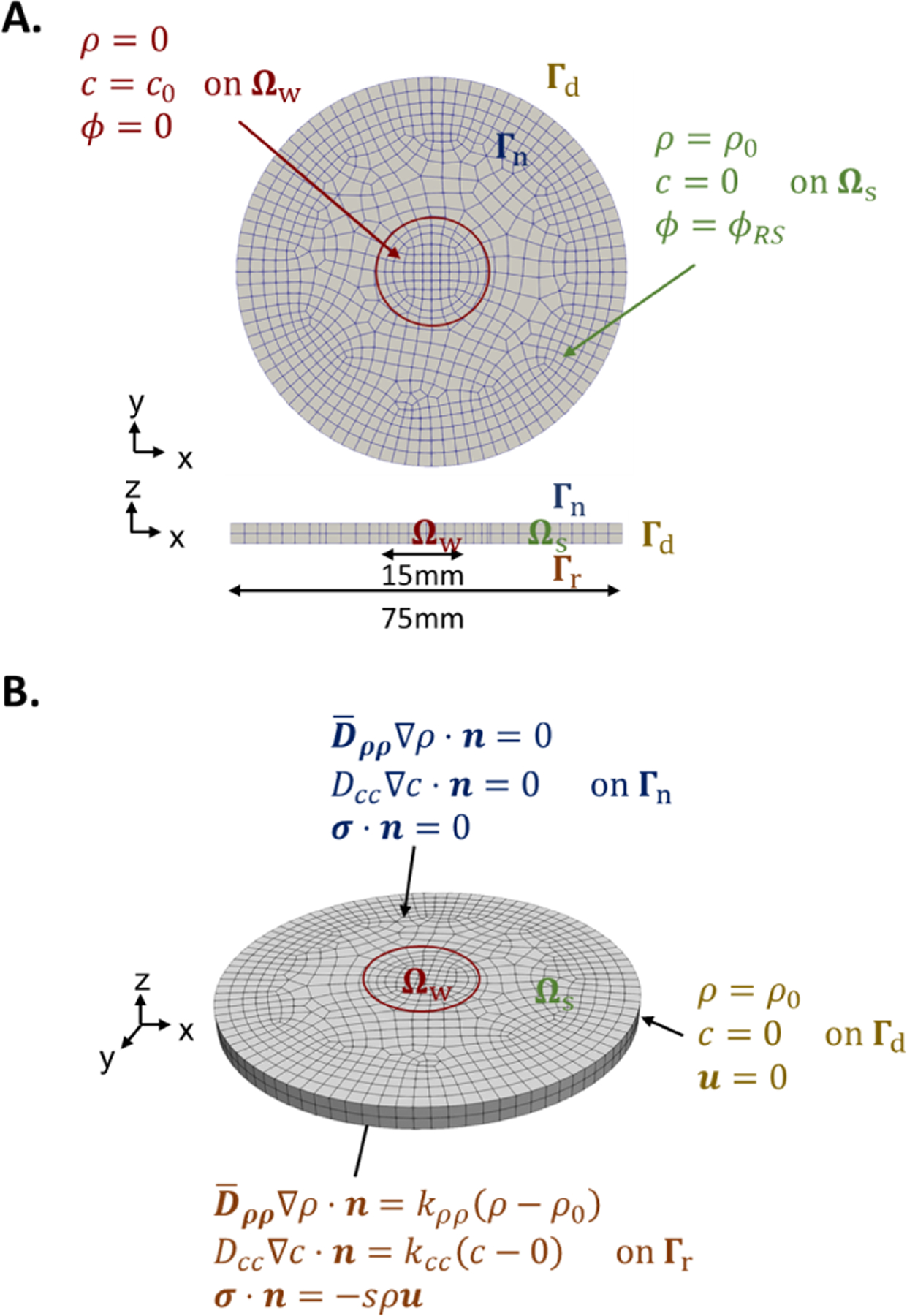
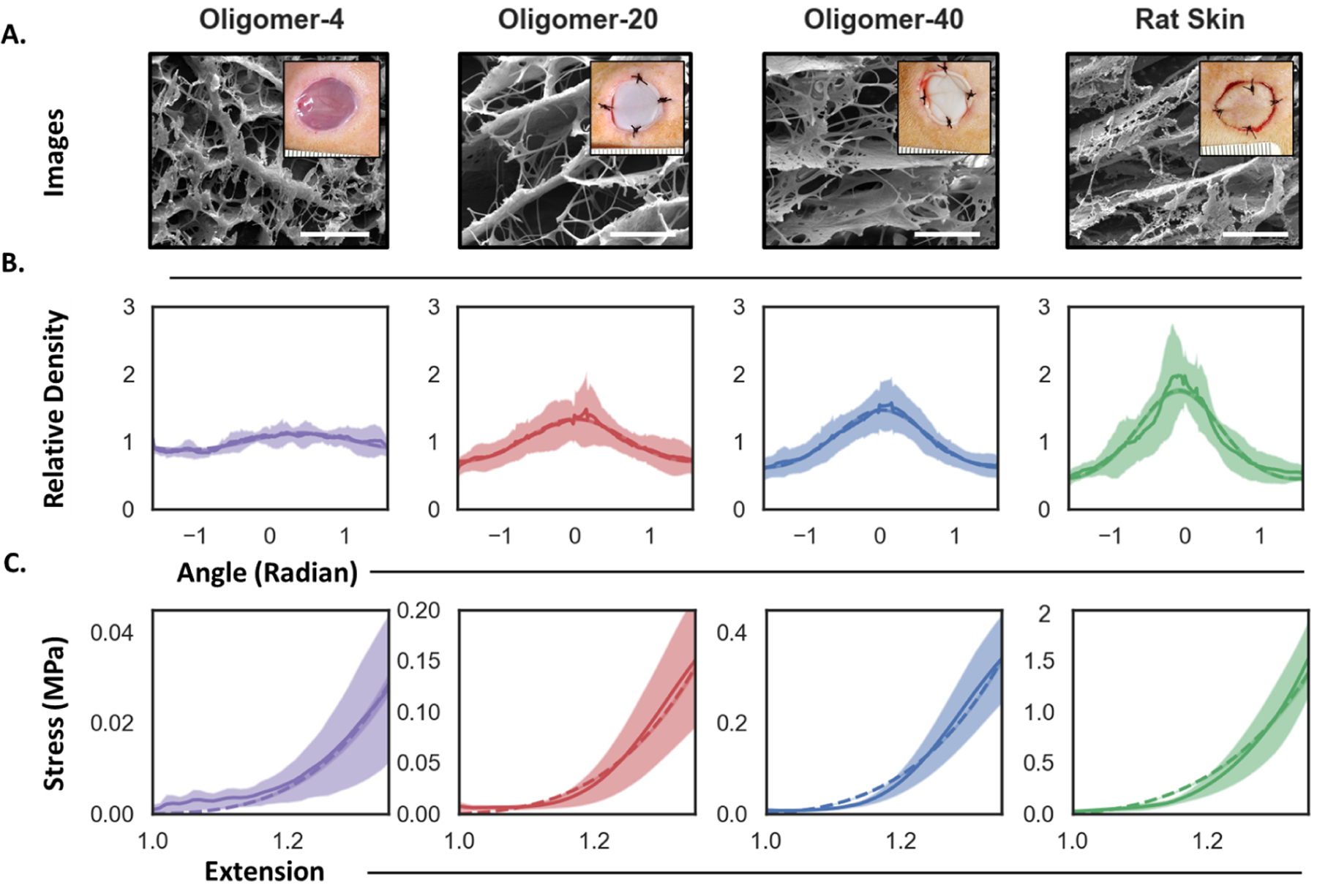
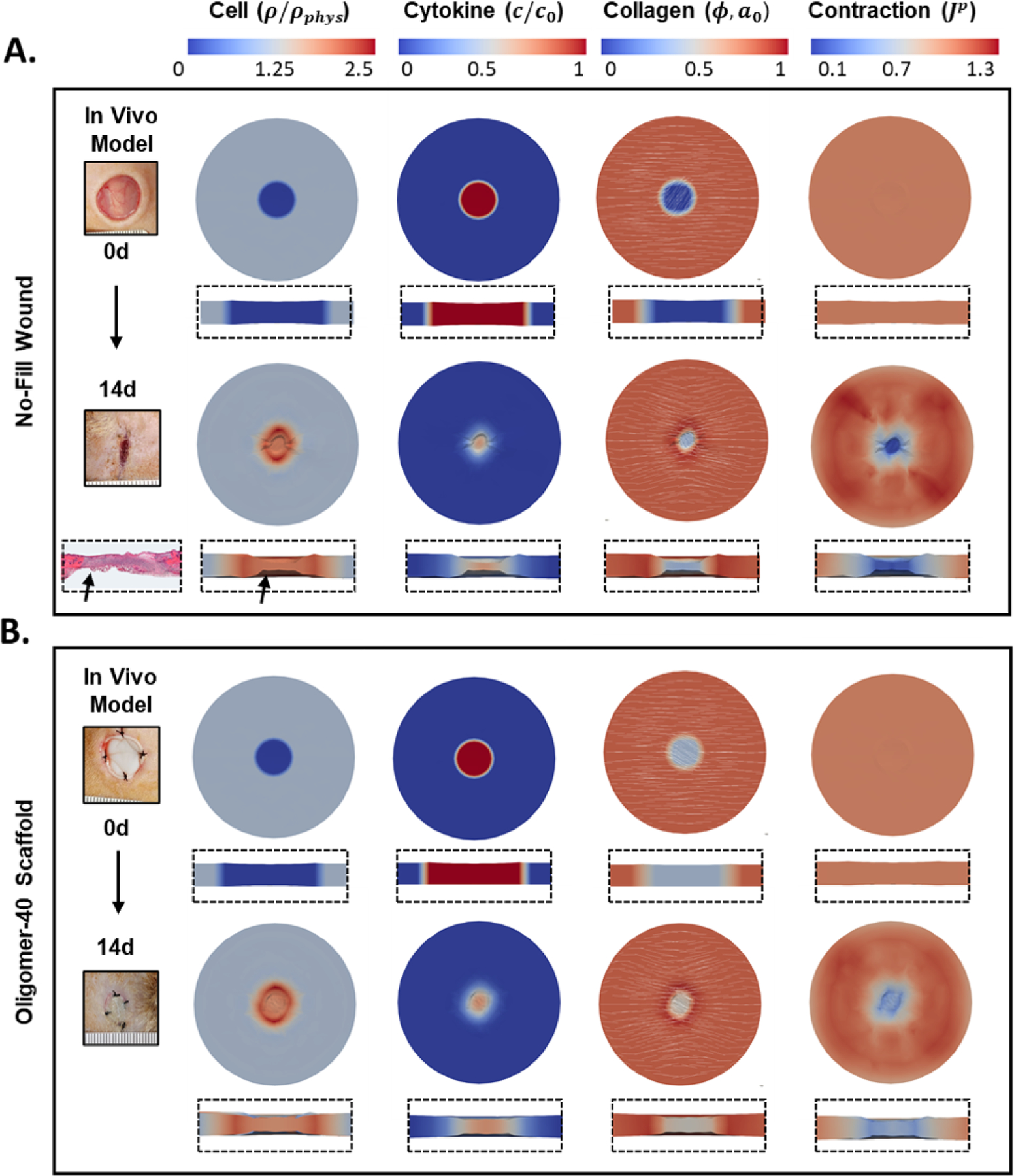
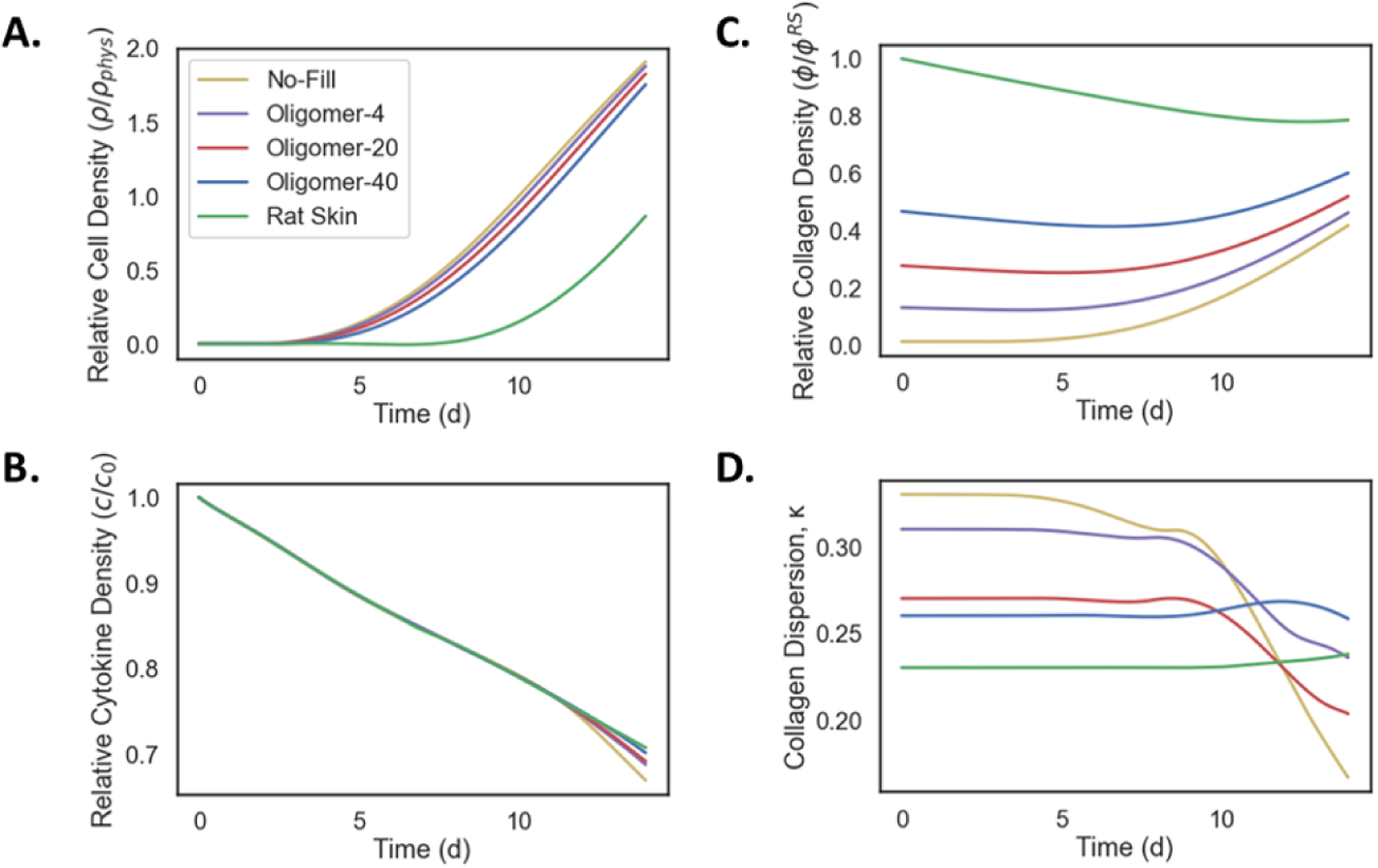
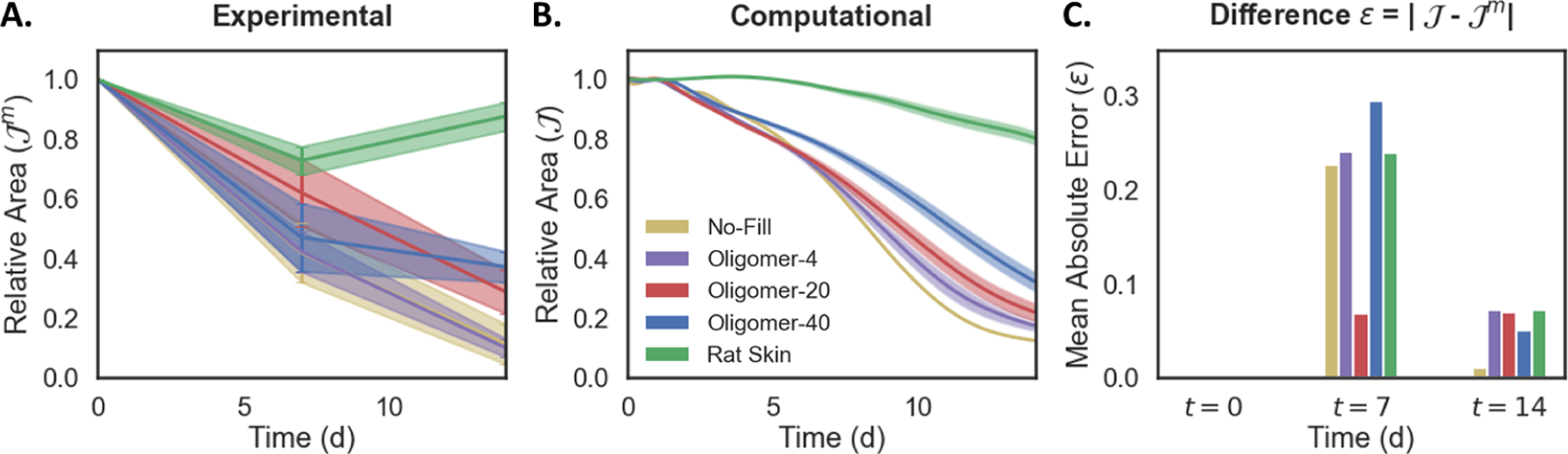
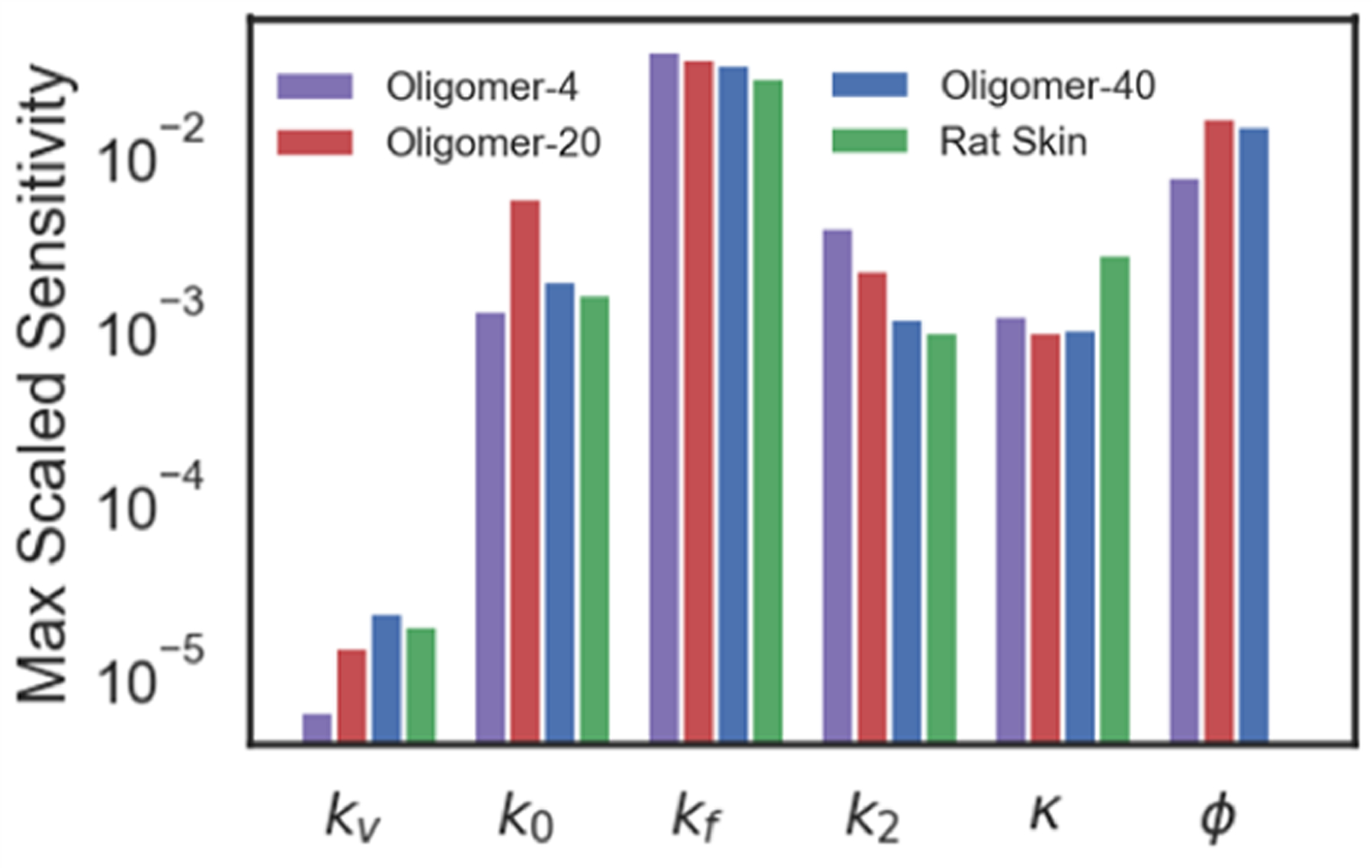
Skin wounds are among the most common and costly medical problems experienced. Despite the myriad of treatment options, such wounds continue to lead to displeasing cosmetic outcomes and also carry a high burden of loss-of-function, scarring, contraction, or nonhealing. As a result, the need exists for new therapeutic options that rapidly and reliably restore skin cosmesis and function. Here we present a new mechanobiological computational model to further the design and evaluation of next-generation regenerative dermal scaffolds fabricated from polymerizable collagen. A Bayesian framework, along with microstructure and mechanical property data from engineered dermal scaffolds and autograft skin, were used to calibrate constitutive models for collagen density, fiber alignment and dispersion, and stiffness. A chemo-bio-mechanical finite element model including collagen, cells, and representative cytokine signaling was adapted to simulate no-fill, dermal scaffold, and autograft skin outcomes observed in a preclinical animal model of full-thickness skin wounds, with a focus on permanent contraction, collagen realignment, and cellularization. Finite element model simulations demonstrated wound cellularization and contraction behavior that was similar to that observed experimentally. A sensitivity analysis suggested collagen fiber stiffness and density are important scaffold design features for predictably controlling wound contraction. Finally, prospective simulations indicated that scaffolds with increased fiber dispersion (isotropy) exhibited reduced and more uniform wound contraction while supporting cell infiltration. By capturing the link between multi-scale scaffold biomechanics and cell-scaffold mechanochemical interactions, simulated healing outcomes aligned well with preclinical animal model data. STATEMENT OF SIGNIFICANCE: Skin wounds continue to be a significant burden to patients, physicians, and the healthcare system. Advancing the mechanistic understanding of the wound healing process, including multi-scale mechanobiological interactions amongst cells, the collagen scaffolding, and signaling molecules, will aide in the design of new skin restoration therapies. This work represents the first step towards integrating mechanobiology-based computational tools with in vitro and in vivo preclinical testing data for improving the design and evaluation of custom-fabricated collagen scaffolds for dermal replacement. Such an approach has potential to expedite development of new and more effective skin restoration therapies as well as improve patient-centered wound treatment.
皮肤创伤是最常见和代价最高的医疗问题之一。尽管有众多的治疗选择,但这些创伤仍然导致令人不满意的美容效果,并且还带来功能丧失、瘢痕形成、收缩或不愈合的高负担。因此,需要新的治疗选择,以快速可靠地恢复皮肤美容和功能。在这里,我们提出了一种新的机械生物计算模型,以进一步设计和评估由可聚合胶原制成的下一代再生真皮支架。贝叶斯框架,以及工程化真皮支架和自体皮肤的微观结构和机械性能数据,用于校准胶原密度、纤维取向和分散以及刚度的本构模型。适应包括胶原、细胞和代表性细胞因子信号的化学-生物-机械有限元模型,以模拟在全层皮肤创伤的临床前动物模型中观察到的无填充、真皮支架和自体皮肤的结果,重点是永久性收缩、胶原重排和细胞化。有限元模型模拟表明,与实验观察到的伤口细胞化和收缩行为相似。敏感性分析表明,胶原纤维刚度和密度是可预测控制伤口收缩的重要支架设计特征。最后,前瞻性模拟表明,纤维分散(各向同性)增加的支架表现出减少和更均匀的伤口收缩,同时支持细胞浸润。通过捕获多尺度支架生物力学与细胞-支架机械化学相互作用之间的联系,模拟的愈合结果与临床前动物模型数据很好地吻合。意义声明:皮肤创伤仍然对患者、医生和医疗保健系统造成重大负担。推进伤口愈合过程的机制理解,包括细胞、胶原支架和信号分子之间的多尺度机械生物学相互作用,将有助于设计新的皮肤修复疗法。这项工作代表了将基于机械生物学的计算工具与体外和临床前测试数据相结合,以改进定制胶原支架用于皮肤替代的设计和评估的第一步。这种方法有可能加速新的、更有效的皮肤修复疗法的开发,并改善以患者为中心的伤口治疗。