Division of Immunology, Tulane National Primate Research Center, Covington, LA, United States.
Department of Microbiology and Immunology, Tulane School of Medicine, New Orleans, LA, United States.
Front Immunol. 2021 Jul 29;12:719810. doi: 10.3389/fimmu.2021.719810. eCollection 2021.
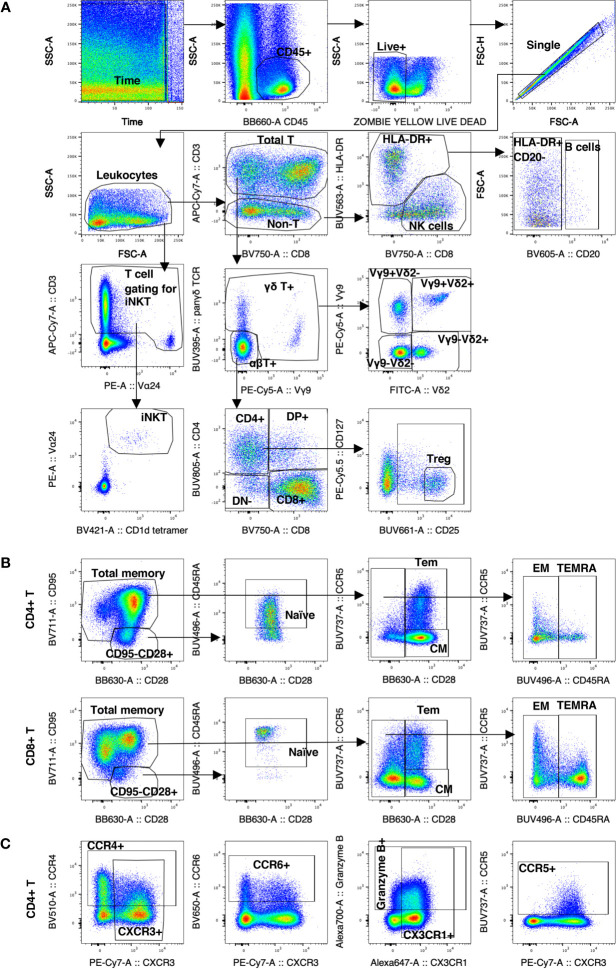
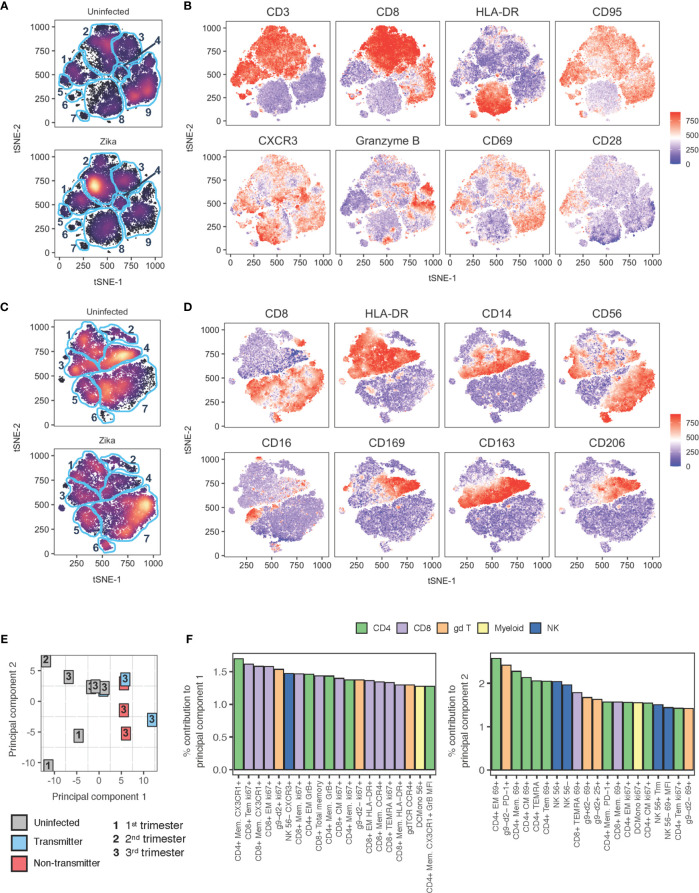
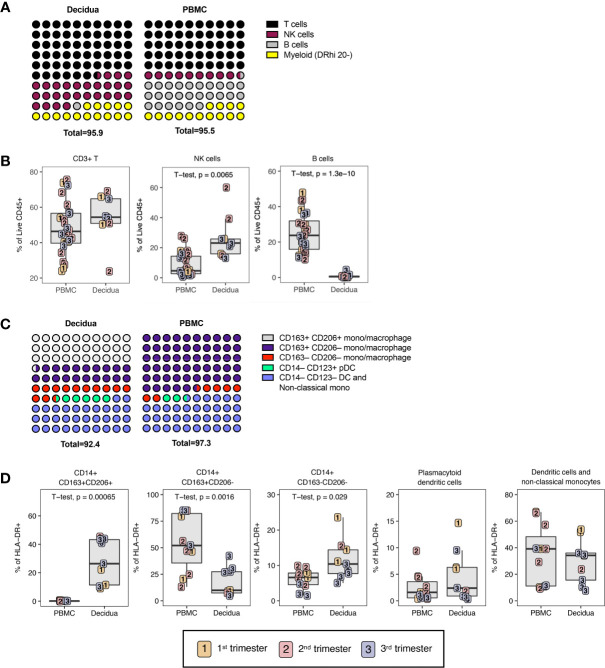
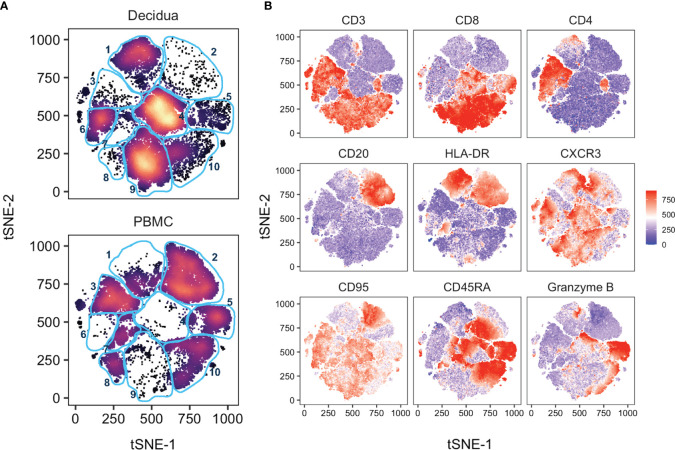
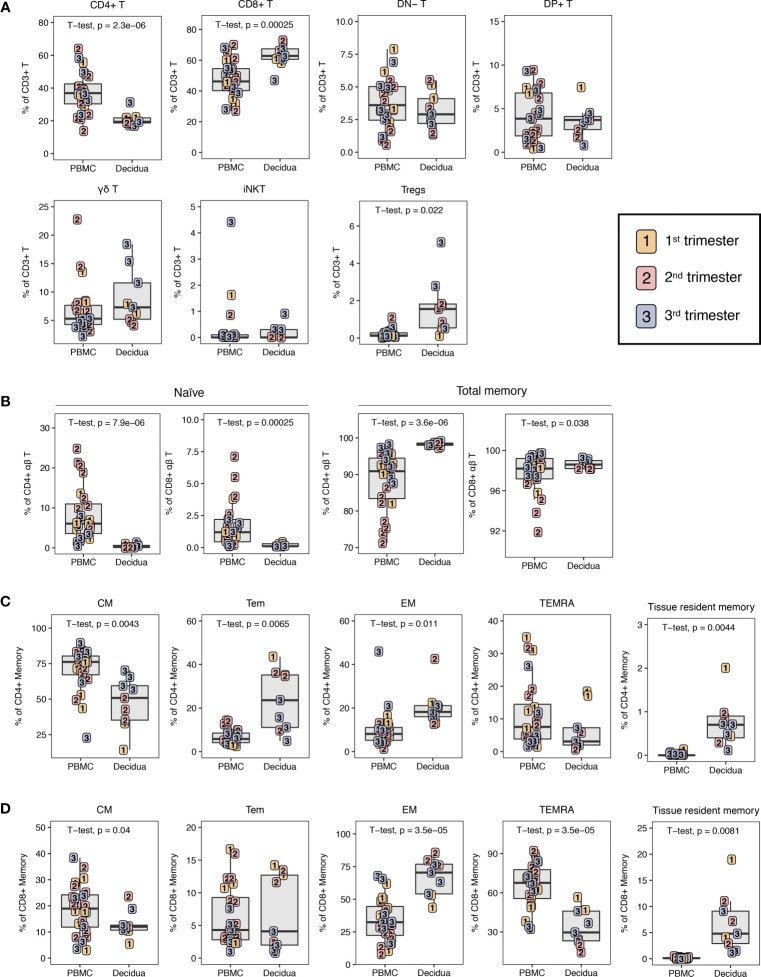
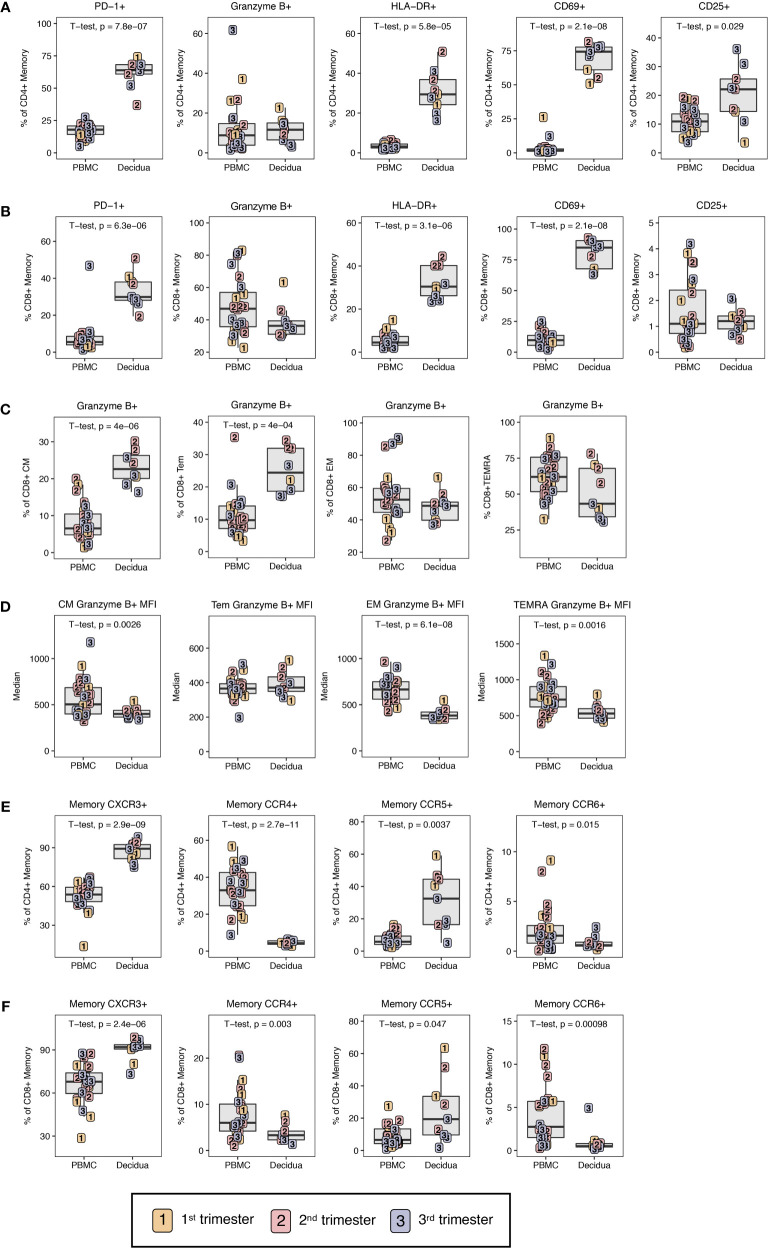
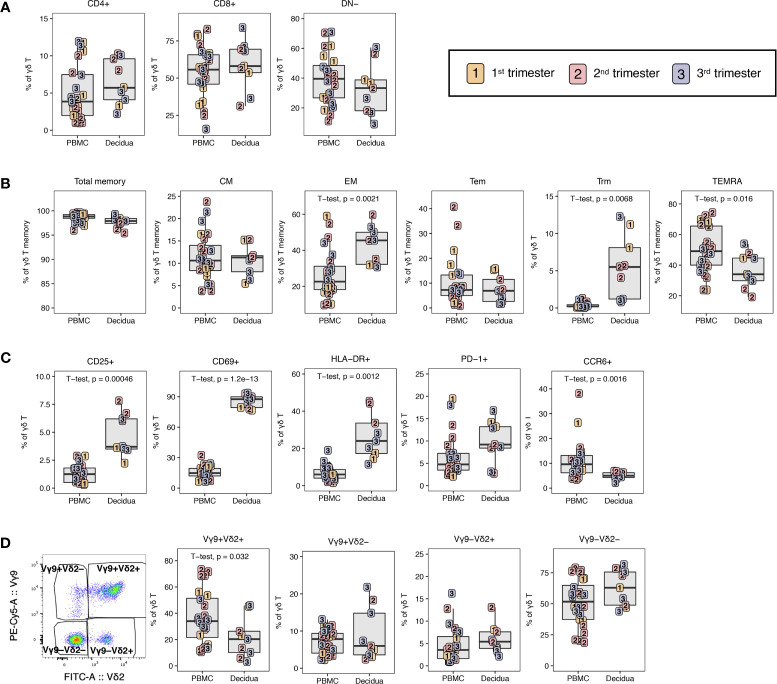
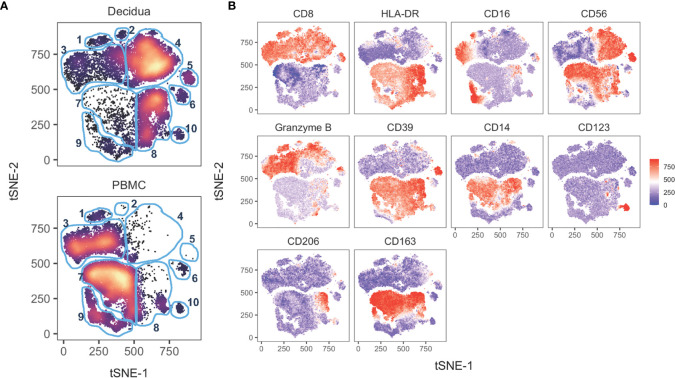
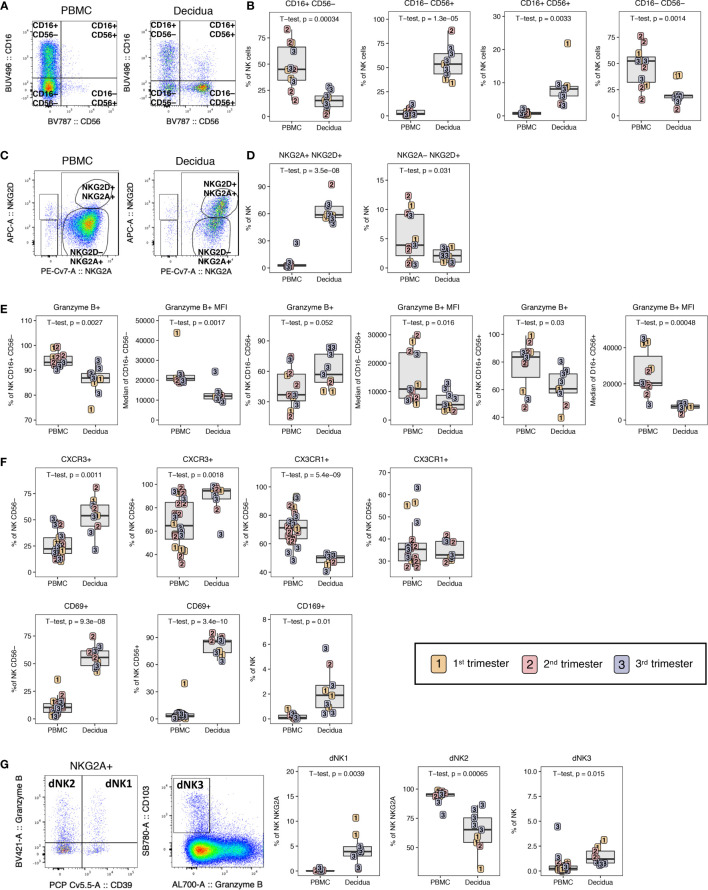
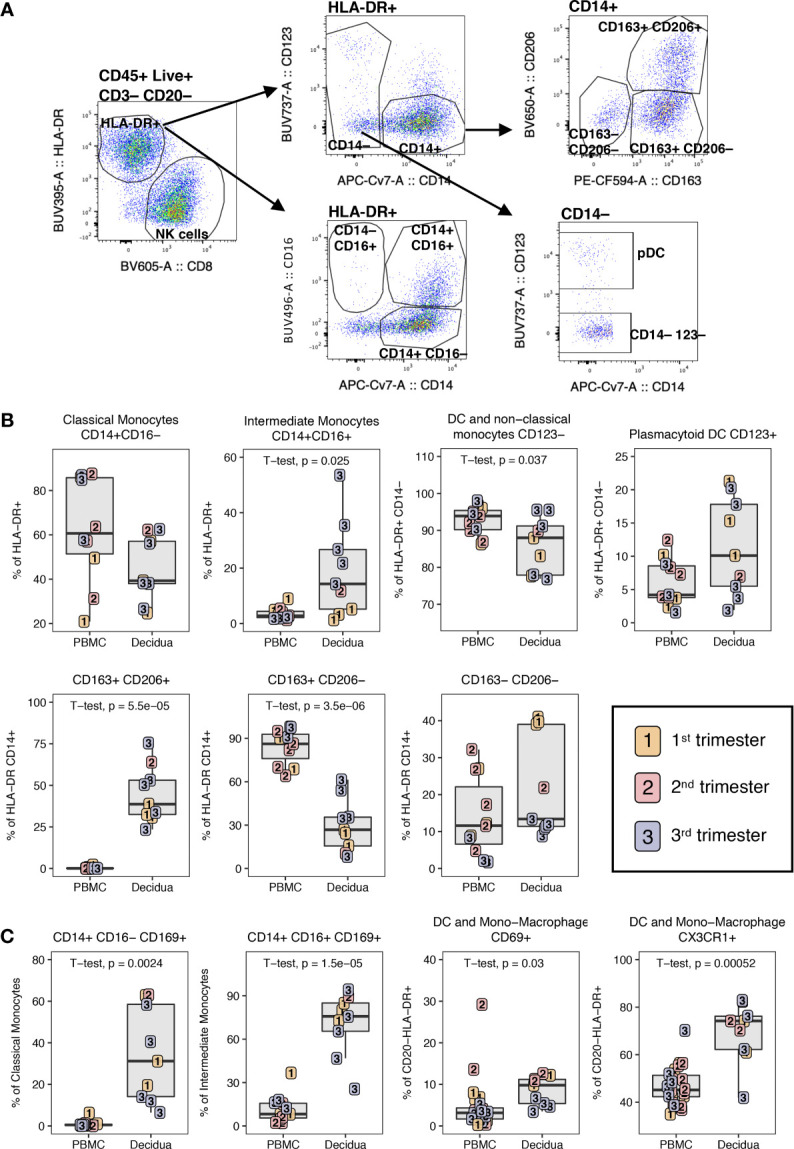
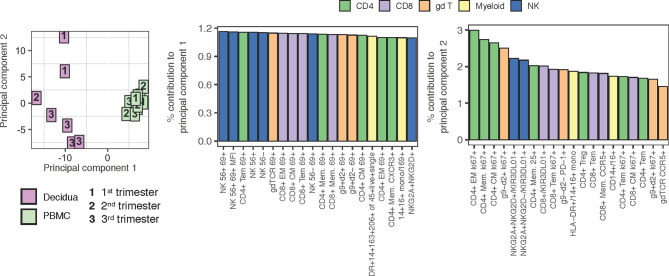
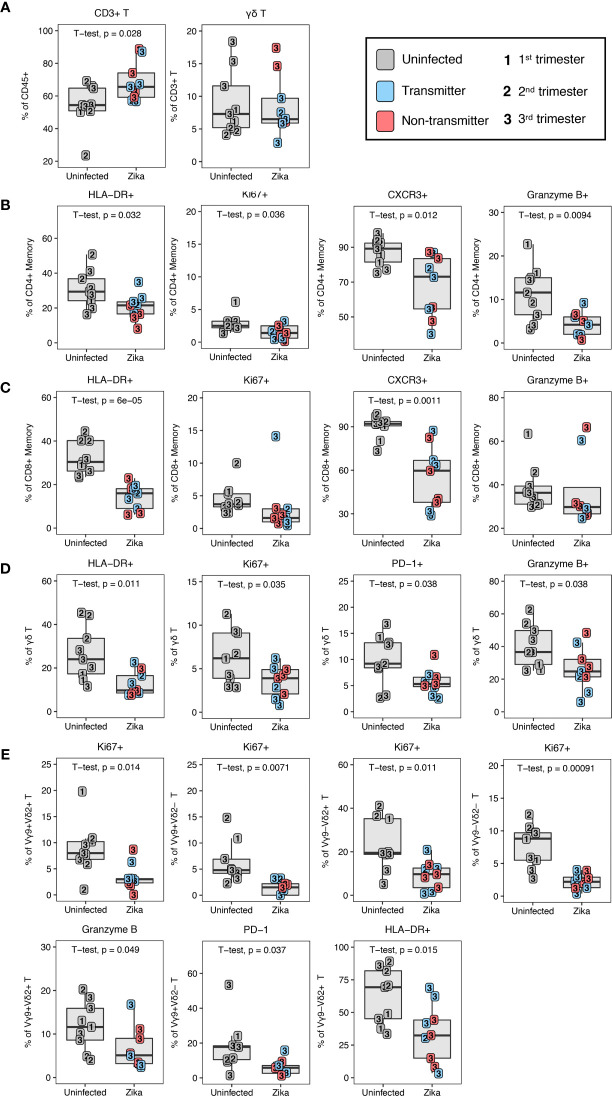
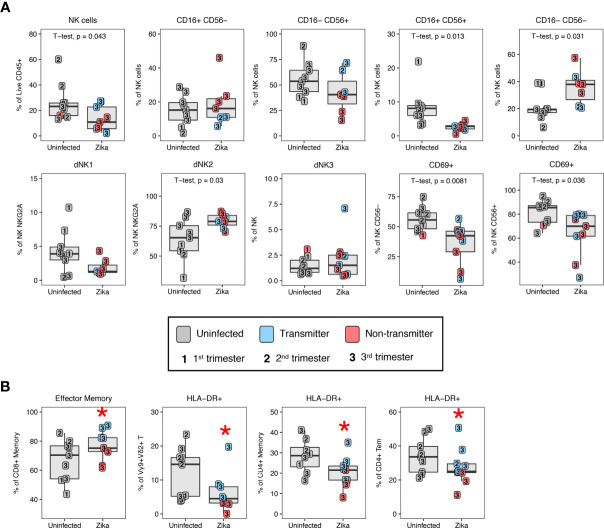
The maternal decidua is an immunologically complex environment that balances maintenance of immune tolerance to fetal paternal antigens with protection of the fetus against vertical transmission of maternal pathogens. To better understand host immune determinants of congenital infection at the maternal-fetal tissue interface, we performed a comparative analysis of innate and adaptive immune cell subsets in the peripheral blood and decidua of healthy rhesus macaque pregnancies across all trimesters of gestation and determined changes after Zika virus (ZIKV) infection. Using one 28-color and one 18-color polychromatic flow cytometry panel we simultaneously analyzed the frequency, phenotype, activation status and trafficking properties of αβ T, γδ T, iNKT, regulatory T (Treg), NK cells, B lymphocytes, monocytes, macrophages, and dendritic cells (DC). Decidual leukocytes showed a striking enrichment of activated effector memory and tissue-resident memory CD4+ and CD8+ T lymphocytes, CD4+ Tregs, CD56+ NK cells, CD14+CD16+ monocytes, CD206+ tissue-resident macrophages, and a paucity of B lymphocytes when compared to peripheral blood. t-distributed stochastic neighbor embedding (tSNE) revealed unique populations of decidual NK, T, DC and monocyte/macrophage subsets. Principal component analysis showed distinct spatial localization of decidual and circulating leukocytes contributed by NK and CD8+ T lymphocytes, and separation of decidua based on gestational age contributed by memory CD4+ and CD8+ T lymphocytes. Decidua from 10 ZIKV-infected dams obtained 16-56 days post infection at third (n=9) or second (n=1) trimester showed a significant reduction in frequency of activated, CXCR3+, and/or Granzyme B+ memory CD4+ and CD8+ T lymphocytes and γδ T compared to normal decidua. These data suggest that ZIKV induces local immunosuppression with reduced immune recruitment and impaired cytotoxicity. Our study adds to the immune characterization of the maternal-fetal interface in a translational nonhuman primate model of congenital infection and provides novel insight in to putative mechanisms of vertical transmission.
母体蜕膜是一个免疫复杂的环境,它平衡维持对胎儿父系抗原的免疫耐受与保护胎儿免受母体病原体垂直传播之间的关系。为了更好地了解母体-胎儿组织界面先天和适应性免疫细胞亚群在宿主中的决定因素,我们对所有妊娠阶段的健康食蟹猴妊娠的外周血和蜕膜中的先天和适应性免疫细胞亚群进行了比较分析,并确定了寨卡病毒(ZIKV)感染后的变化。使用一个 28 色和一个 18 色多色流式细胞术面板,我们同时分析了 αβ T、γδ T、iNKT、调节性 T(Treg)、NK 细胞、B 淋巴细胞、单核细胞、巨噬细胞和树突状细胞(DC)的频率、表型、激活状态和归巢特性。与外周血相比,蜕膜白细胞表现出激活的效应记忆和组织驻留记忆 CD4+和 CD8+T 淋巴细胞、CD4+Treg、CD56+NK 细胞、CD14+CD16+单核细胞、CD206+组织驻留巨噬细胞的明显富集,以及 B 淋巴细胞的缺乏。t 分布随机邻域嵌入(tSNE)揭示了独特的蜕膜 NK、T、DC 和单核细胞/巨噬细胞亚群。主成分分析显示 NK 和 CD8+T 淋巴细胞的独特空间定位以及妊娠龄决定的蜕膜分离,由记忆 CD4+和 CD8+T 淋巴细胞贡献。在感染后第 16-56 天,从感染后第 3 次(n=9)或第 2 次(n=1)妊娠获得的 10 只 ZIKV 感染母猴的蜕膜中,与正常蜕膜相比,激活的、CXCR3+和/或颗粒酶 B+记忆 CD4+和 CD8+T 淋巴细胞以及 γδ T 的频率显著降低。这些数据表明,ZIKV 诱导局部免疫抑制,导致免疫细胞募集减少和细胞毒性受损。我们的研究增加了母体-胎儿界面在转化性非人类灵长类动物先天性感染模型中的免疫特征,并为垂直传播的潜在机制提供了新的见解。