Teodor Alexandra H, Thal Lucas B, Vijayakumar Shinduri, Chan Madison, Little Gabriela, Bruce Barry D
Program in Genome Sciences and Technology, Oak Ridge National Laboratory and University of Tennessee, Knoxville, USA.
Department of Biochemistry & Cellular and Molecular Biology, University of Tennessee, Knoxville, USA.
Mater Today Bio. 2021 Jul 9;11:100122. doi: 10.1016/j.mtbio.2021.100122. eCollection 2021 Jun.
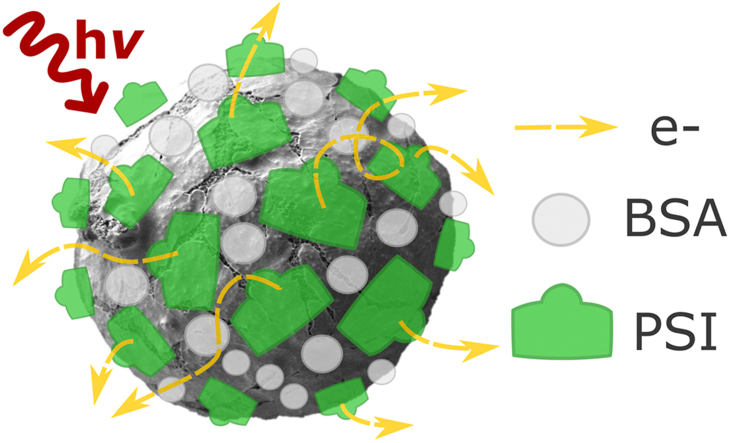
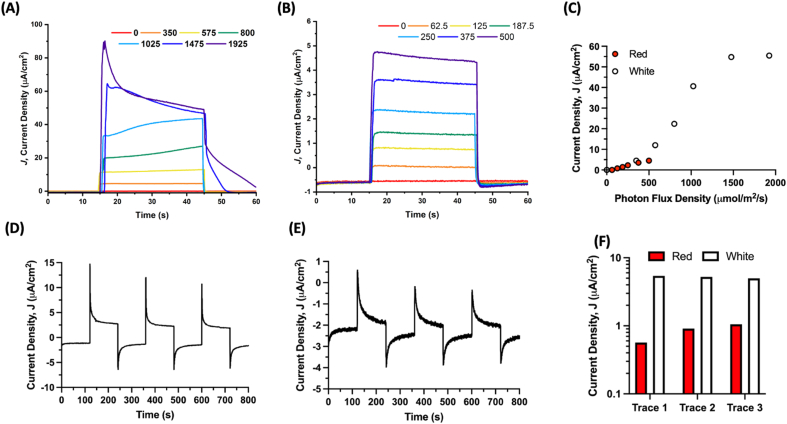
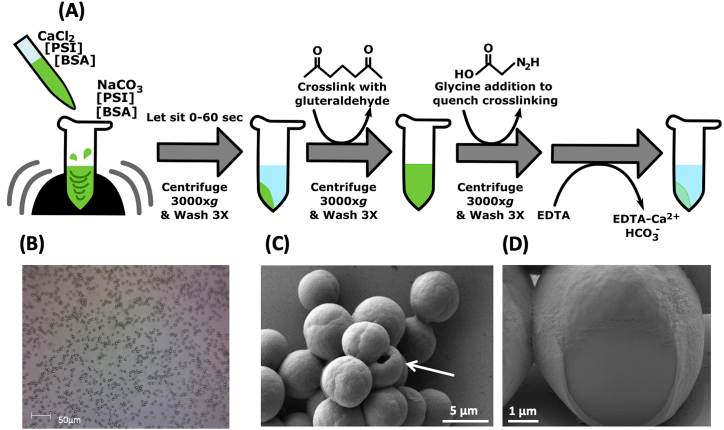
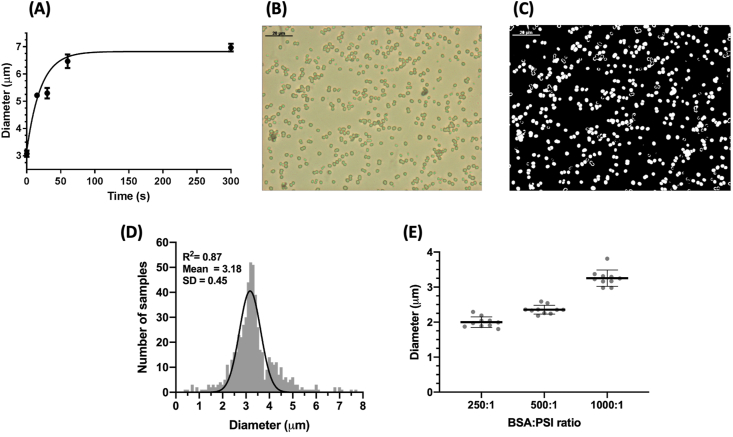
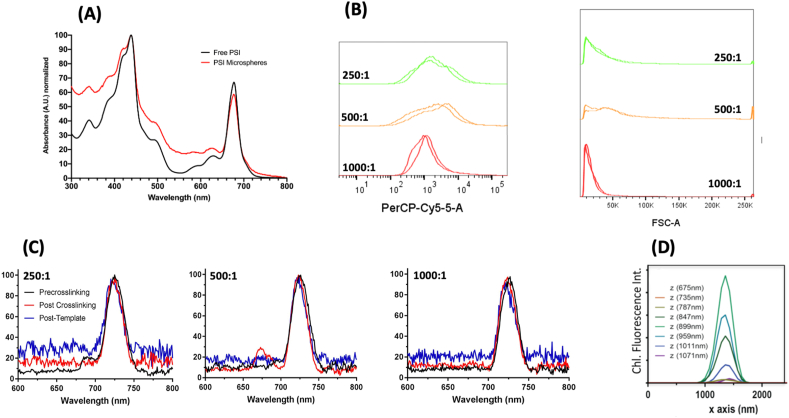
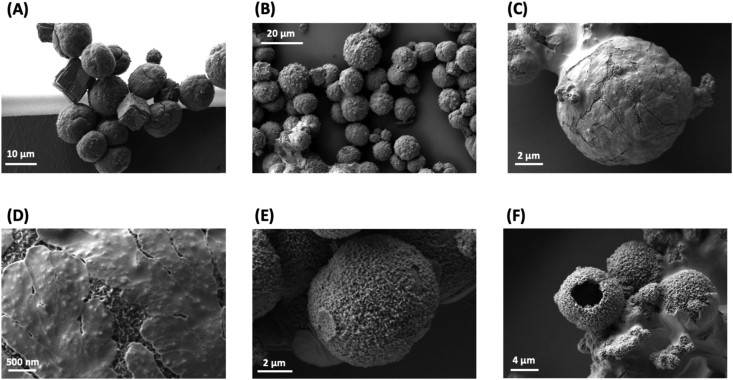
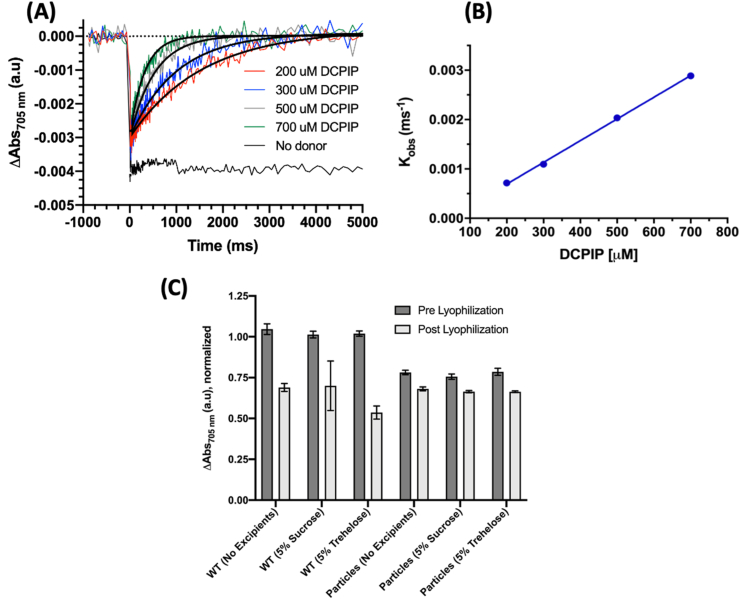
Isolated proteins, especially membrane proteins, are susceptible to aggregation and activity loss after purification. For therapeutics and biosensors usage, protein stability and longevity are especially important. It has been demonstrated that photosystem I (PSI) can be successfully integrated into biohybrid electronic devices to take advantage of its strong light-driven reducing potential (-1.2V vs. the Standard Hydrogen Electrode). Most devices utilize PSI isolated in a nanosize detergent micelle, which is difficult to visualize, quantitate, and manipulate. Isolated PSI is also susceptible to aggregation and/or loss of activity, especially after freeze/thaw cycles. CaCO microspheres (CCMs) have been shown to be a robust method of protein encapsulation for industrial and pharmaceutical applications, increasing the stability and activity of the encapsulated protein. However, CCMs have not been utilized with any membrane protein(s) to date. Herein, we examine the encapsulation of detergent-solubilized PSI in CCMs yielding uniform, monodisperse, mesoporous microspheres. This study reports both the first encapsulation of a membrane protein and also the largest protein to date stabilized by CCMs. These microspheres retain their spectral properties and lumenal surface exposure and are active when integrated into hybrid biophotovoltaic devices. CCMs may be a robust yet simple solution for long-term storage of large membrane proteins, showing success for very large, multisubunit complexes like PSI.
分离得到的蛋白质,尤其是膜蛋白,在纯化后容易聚集并丧失活性。对于治疗和生物传感器应用而言,蛋白质的稳定性和寿命尤为重要。业已证明,光系统I(PSI)能够成功整合到生物混合电子器件中,以利用其强大的光驱动还原电位(相对于标准氢电极而言为-1.2V)。大多数器件利用在纳米尺寸去污剂胶束中分离得到的PSI,而这种胶束难以可视化、定量和操控。分离得到的PSI也容易聚集和/或丧失活性,尤其是在冻融循环之后。碳酸钙微球(CCMs)已被证明是一种用于工业和制药应用的强大的蛋白质包封方法,可提高被包封蛋白质的稳定性和活性。然而,迄今为止CCMs尚未用于任何膜蛋白。在此,我们研究了去污剂增溶的PSI在CCMs中的包封情况,得到了均匀、单分散的介孔微球。本研究既报道了膜蛋白的首次包封,也报道了迄今为止由CCMs稳定的最大蛋白质。这些微球保留了它们的光谱特性和内腔表面暴露情况,并且在整合到混合生物光伏器件中时具有活性。CCMs可能是一种强大而简单的用于长期储存大型膜蛋白 的解决方案,对于像PSI这样非常大的多亚基复合物也取得了成功。